
Have you ever noticed how some cars just shine like they just rolled off the showroom floor? That’s not luck—it’s the power of car detailing.
But what exactly is detailing a car? If you want your vehicle to look its absolute best, inside and out, understanding this process is key. You’ll discover what car detailing really means, why it matters, and how it can transform your ride beyond a simple wash.
Ready to learn how to make your car stand out every time you drive? Let’s dive in.
What Car Detailing Means
Car detailing is a deep cleaning process for vehicles. It focuses on both inside and outside parts.
Detailing helps keep a car looking new and protects its surfaces from damage.
Cleaning The Exterior
Exterior detailing includes washing, polishing, and waxing the car. It removes dirt, scratches, and stains.
This process helps protect the paint and keeps the car shiny and bright.
Cleaning The Interior
Interior detailing cleans seats, carpets, and dashboards. It removes dust, stains, and bad smells.
Cleaning inside makes the car more comfortable and healthy for passengers.
Protecting Surfaces
Detailing uses special products to protect paint, glass, and upholstery. These products help stop damage.
Protection keeps the car looking good for a longer time and keeps its value higher.
Attention To Small Details
Detailing covers small and hard-to-reach places like vents, seams, and crevices. These areas often collect dirt.
Cleaning these spots makes the car look complete and well cared for.
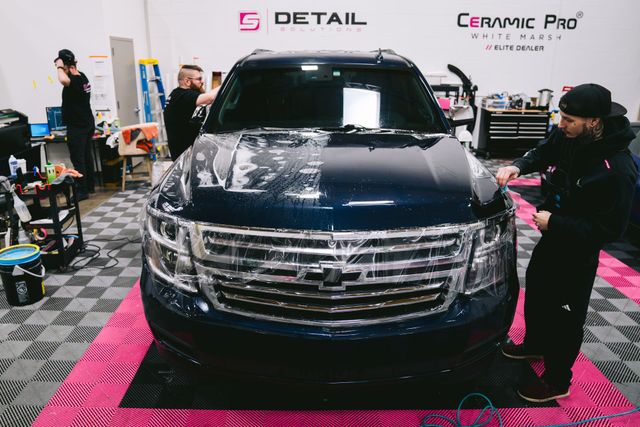
Credit: www.baltimoredetail.com
Key Steps In Car Detailing
Car detailing is the process of cleaning and restoring a vehicle to its best condition. It involves more than just washing the car. Detailing improves the look and protects the car’s surfaces.
This guide explains the main steps in car detailing. Each step focuses on a different part of the vehicle to ensure a thorough clean.
Exterior Cleaning And Polishing
Start by washing the car’s exterior to remove dirt and grime. Use gentle soap and water to protect the paint. Dry the car carefully to avoid water spots.
Next, polish the paint to remove small scratches and restore shine. Polishing helps protect the paint and makes the car look new.
- Wash with a car-specific soap
- Use a soft cloth or sponge
- Dry with a microfiber towel
- Apply polish with a soft applicator
- Buff the surface to a shine
Interior Deep Cleaning
Clean the inside of the car by removing dust and stains. Vacuum all seats, carpets, and floor mats. Use a brush to reach tight spaces and vents.
Wipe down all surfaces with a suitable cleaner. Clean windows inside to remove smudges. This keeps the car fresh and comfortable.
- Vacuum seats and carpets thoroughly
- Use a soft brush for vents and seams
- Clean dashboard and panels with a damp cloth
- Use glass cleaner on windows
- Remove any trash or debris
Engine Bay Care
Cleaning the engine bay helps keep the car running smoothly. Start by covering sensitive parts like the battery and air filter. Use a degreaser to remove oil and dirt.
Rinse gently with water and dry with a cloth. Regular engine cleaning prevents damage and spotting potential issues early.
- Cover electrical parts before cleaning
- Apply engine degreaser carefully
- Use a soft brush for stubborn dirt
- Rinse lightly with water
- Dry engine bay with a clean cloth
Tools And Products For Detailing
Detailing a car means cleaning and restoring it to look like new. It requires special tools and products to do the job well.
Using the right supplies helps protect the car’s surfaces and keeps it shining longer. Let’s look at the main tools and products used in car detailing.
Essential Cleaning Supplies
Cleaning is the first step in car detailing. You need items that remove dirt without harming the paint or interior.
Common cleaning supplies include soaps, brushes, and microfiber towels. These help clean every part of the car carefully.
- Car wash soap designed for automotive paint
- Soft bristle brushes for wheels and tires
- Microfiber cloths for wiping and drying
- Glass cleaner for windows and mirrors
- Vacuum cleaner for inside the car
Polishes And Waxes
Polishes smooth out small scratches and restore shine to paint. Waxes protect the paint from dirt and sun damage.
These products work together to keep the car’s finish bright and safe. They need to be applied with clean cloths or pads.
- Polish to remove light scratches and oxidation
- Wax to create a protective, glossy layer
- Sealants for longer-lasting protection
- Applicator pads for even product spreading
Specialty Detailing Tools
Some tools help clean hard-to-reach areas or provide extra care. These tools make detailing easier and more effective.
Using the right specialty tools can improve results and save time during the detailing process.
- Detailing brushes for vents and crevices
- Clay bars to remove bonded dirt on paint
- Foam cannon for even soap application
- Dual action polishers for polishing large areas
- Steam cleaners for deep interior cleaning
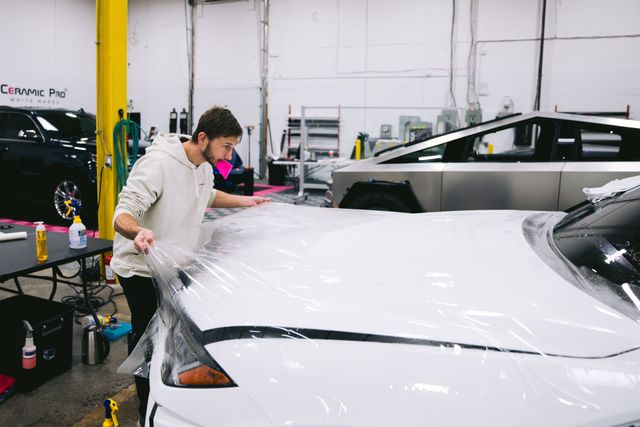
Credit: www.baltimoredetail.com
Benefits Of Professional Detailing
Detailing a car goes beyond a regular wash. It involves a thorough cleaning, polishing, and protecting all parts of your vehicle. Professional detailing offers numerous benefits that enhance your car’s appearance and value.
When you invest in professional detailing, you ensure your car looks its best. Let’s explore some key benefits of this service.
Enhanced Appearance
A detailed car looks clean and shiny. Professionals use high-quality products to clean every inch of your car. This enhances the paintwork, windows, and wheels. Your car will stand out on the road.
Protection From Elements
Detailing protects your car from harsh weather. It applies a protective layer to the exterior, guarding against UV rays, rain, and dirt. This helps maintain the car’s paint and prevents rust.
Increased Resale Value
A well-maintained car attracts potential buyers. Regular detailing keeps your car in top condition, increasing its resale value. Buyers are willing to pay more for a car that looks and feels new.
Healthier Interior Environment
Professional detailing involves cleaning the interior as well. It removes dust, allergens, and bacteria from seats and carpets. This creates a healthier environment for you and your passengers.
Interior detailing often includes:
- Vacuuming seats and floor mats
- Cleaning and conditioning leather
- Sanitizing air vents
Improved Safety
Detailing improves safety by cleaning headlights, taillights, and windows. Clear lights and windows enhance visibility, reducing the risk of accidents. Clean mirrors and windshield wipers also ensure a safer drive.
| Detailing Task | Safety Benefit |
| Headlight Cleaning | Better Night Visibility |
| Window Polishing | Clearer Sightlines |
| Mirror Cleaning | Improved Rear View |
Diy Detailing Tips
Detailing a car means cleaning and restoring it. This makes your car look great. You can do it yourself with the right steps.
Follow these tips to detail your car at home. You will learn how to prepare, clean, and avoid mistakes.
Preparing Your Car
Get your car ready before you start detailing. This saves time and makes the job easier.
- Park your car in the shade to avoid quick drying.
- Gather all cleaning tools and products beforehand.
- Remove trash and personal items from the car.
Step-by-step Detailing Process
Follow these steps to detail your car. Work from the inside out for best results.
- Vacuum the interior and clean the seats.
- Wipe down the dashboard and console with a damp cloth.
- Wash the exterior using a sponge and car shampoo.
- Rinse thoroughly and dry with a microfiber towel.
- Apply wax for a shiny finish and extra protection.
Common Mistakes To Avoid
Watch out for common mistakes when detailing. Avoid these errors for a perfect finish.
- Do not use household cleaners; they can damage surfaces.
- Avoid washing in direct sunlight to prevent water spots.
- Do not scrub too hard; this can scratch the paint.
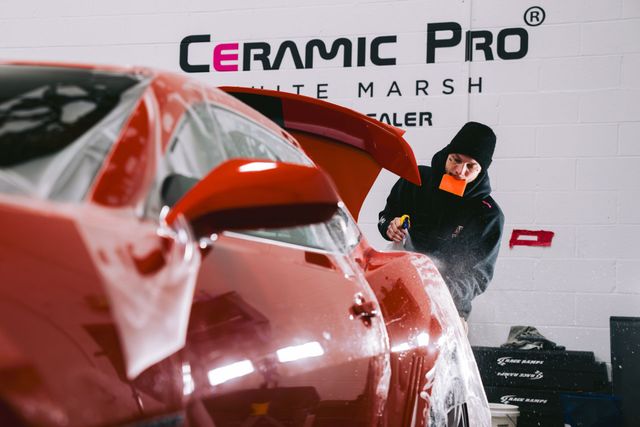
Credit: www.baltimoredetail.com
Maintaining Your Car’s Shine
Keeping your car shiny takes care and simple habits. A clean car looks newer and protects the paint.
Regular cleaning and protection help your car stay bright longer. Small actions every week make a big difference.
Regular Cleaning Habits
Wash your car often to remove dirt and dust. Use soft cloths and gentle soap made for cars. Avoid harsh chemicals.
- Rinse the car before washing to remove loose dirt
- Wash from top to bottom to avoid spreading dirt
- Use microfiber towels to dry and prevent scratches
- Clean wheels and tires with special brushes
- Wipe windows inside and out for clear visibility
Protective Coatings
Protective coatings keep your car’s paint safe from sun and rain. They add a shiny layer that lasts weeks or months.
| Type of Coating | Durability | Benefits |
| Wax | 4 to 6 weeks | Easy to apply, good shine |
| Sealant | 3 to 6 months | Stronger protection, glossy finish |
| Ceramic Coating | 1 to 3 years | Long-lasting, resistant to dirt and water |
Seasonal Care Advice
Change your car care routine for each season. Different weather can damage your car’s shine if you don’t act.
- Spring:Wash off salt and dirt from winter. Check for paint chips.
- Summer:Park in shade. Apply extra wax to protect from sun.
- Fall:Clean leaves and debris to avoid scratches. Use sealant for protection.
- Winter:Wash often to remove road salt. Use ceramic coating if possible.
Choosing The Right Detailing Service
Detailing a car means cleaning and restoring it to look like new. This includes washing, waxing, and cleaning inside and out.
Picking the right detailing service helps protect your car’s value. It also keeps your car looking its best for longer.
What To Look For
Look for a detailer with experience and good reviews. Clean work areas and quality tools show professionalism.
Check if they use safe cleaning products. These protect your car’s paint and interior materials.
- Experienced and well-reviewed service
- Clean and organized workspace
- Use of safe, quality products
- Range of services offered
- Clear explanations of their process
Questions To Ask
Ask about the steps they take during detailing. This helps you understand the care your car will get.
Inquire about how long the service takes and if you need an appointment. Also, ask about any guarantees.
- What cleaning products do you use?
- Do you offer interior and exterior detailing?
- How long does the process usually take?
- Are appointments needed?
- Do you offer any service guarantees?
Price Vs. Quality
Cheap services may miss spots or use low-quality products. Expensive services do not always mean better care.
Balance price with reviews and what is included. A fair price with good quality is the best choice.
| Price Range | What to Expect | Consider |
|---|---|---|
| Low | Basic wash and vacuum | May skip deep cleaning |
| Medium | Full interior and exterior detail | Good balance of cost and quality |
| High | Advanced services and protection | Best for older or luxury cars |
Frequently Asked Questions
What Does Car Detailing Involve?
Car detailing involves deep cleaning, restoration, and finishing of a vehicle. It enhances both interior and exterior appearance, making the car look like new.
How Is Car Detailing Different From A Car Wash?
Car detailing is more thorough than a car wash. It includes cleaning, polishing, waxing, and protecting all surfaces, not just washing the exterior.
Why Is Car Detailing Important?
Car detailing protects your vehicle’s paint and interior. It preserves value, prevents damage, and keeps the car looking fresh and well-maintained.
How Often Should You Detail Your Car?
Detail your car every 4 to 6 months. Regular detailing maintains the car’s condition and extends its lifespan.
Conclusion
Detailing a car means cleaning it inside and out with care. It keeps the car looking new and protects it from damage. Regular detailing helps maintain the car’s value over time. It also makes driving more enjoyable with a fresh, clean space.
Anyone who loves their car can benefit from detailing. Simple steps make a big difference in the car’s appearance and health. Keep your car shining bright and feeling great with regular detailing.







