
Have you ever wondered if your dash cam is placed in the best spot inside your car? The position of your dash cam can make all the difference when it comes to capturing clear footage and protecting yourself on the road.
If it’s not set up right, you might miss crucial moments or even risk distractions while driving. You’ll discover exactly where and how to position your dash cam for the best view, safety, and reliability. Keep reading to make sure your dash cam works perfectly every time you hit the road.

Credit: www.reddit.com
Choosing The Ideal Location
Choosing where to place your dash cam in the car is important for clear recordings. The right spot helps capture the road and keeps the camera safe.
Let’s look at common placement options and what to consider for each.
Front Windshield Placement
The front windshield is the most popular place for a dash cam. It offers a wide view of the road ahead and records important details.
- Place the dash cam near the rearview mirror to avoid blocking your view.
- Make sure the camera lens is not obstructed by tint or stickers.
- Check that the camera does not interfere with airbags.
- Keep the camera stable to reduce shaking while driving.
Rear Window Options
Rear window placement helps record what happens behind your car. It is useful for parking and rear-end collisions.
| Advantage | Consideration |
| Captures rear traffic clearly | May have glare from sunlight |
| Helps with parking and reversing | Wiring can be harder to install |
| Works well with dual-channel dash cams | Window tint can affect video quality |
Side Window Considerations
Side windows can add extra views to catch activity on the sides of your car. This placement suits specific needs like ride-sharing or delivery driving.
Points to keep in mind:
- Choose a window that offers a clear side view.
- Ensure the camera is securely mounted to avoid vibrations.
- Be aware of privacy laws in your area about recording outside the car.
- Test the angle before final installation to cover blind spots.

Credit: www.reddit.com
Factors Affecting Dash Cam Placement
Choosing the right spot to place your dash cam is important. It affects how well the camera records and how safe it is inside your car.
Several factors influence where you should mount the dash cam. These include the camera’s field of view, avoiding glare, and legal rules about privacy.
Field Of View And Coverage
The dash cam should capture as much of the road as possible. A wide field of view helps record events from different angles.
- Place the camera near the rearview mirror for a clear front view.
- Avoid spots blocked by the car’s frame or sun visors.
- Ensure the lens covers both the road ahead and nearby lanes.
- Check that the camera does not block your vision while driving.
Avoiding Glare And Reflections
Glare from the sun or reflections on the windshield can ruin video quality. Proper placement reduces these problems.
| Cause | Placement Tip |
| Direct sunlight | Avoid facing the windshield at certain angles |
| Dashboard reflections | Mount camera higher or use anti-glare covers |
| Nighttime reflections | Use a camera with good low-light performance |
Legal Restrictions And Privacy
Some places have laws about where dash cams can record. Privacy rules may limit recording inside the car or nearby areas.
Follow these tips to stay legal:
- Check local laws about dash cam use and placement.
- Do not point the camera inside the car if it records passengers without consent.
- Inform passengers if the camera records audio or video inside the vehicle.
- Place the camera where it does not distract the driver or block views.
Installation Tips For Stability
Installing a dash cam correctly helps keep it stable. A stable dash cam records clear videos without shaking.
Choosing the right position and securing the dash cam well are important for good footage.
Mounting Techniques
Use a strong mount to hold the dash cam steady. Most dash cams come with suction or adhesive mounts.
Clean the windshield before attaching the mount. This helps the mount stick firmly and avoid falling off.
- Use adhesive mounts for a long-lasting hold
- Suction mounts allow easy removal and repositioning
- Place mount near the rearview mirror to reduce view blockage
- Check mount regularly to ensure it stays tight
Cable Management
Keep cables organized to avoid distractions and damage. Loose cables can get caught or pull on the dash cam.
Hide cables along the edges of the windshield and dashboard for a clean look and safety.
- Use cable clips or adhesive holders to secure wires
- Run cables along the headliner and down the side pillars
- Avoid placing cables near airbags or moving parts
- Check cables often to prevent wear or loose connections
Testing The Angle
Set the dash cam angle to capture the road clearly. The right angle shows important details like license plates.
Test the angle by recording a short video and playing it back to check the view.
- Point the camera straight ahead, not too high or low
- Adjust angle to avoid glare from the sun or headlights
- Make sure the horizon is level in the video
- Recheck angle after driving on bumpy roads
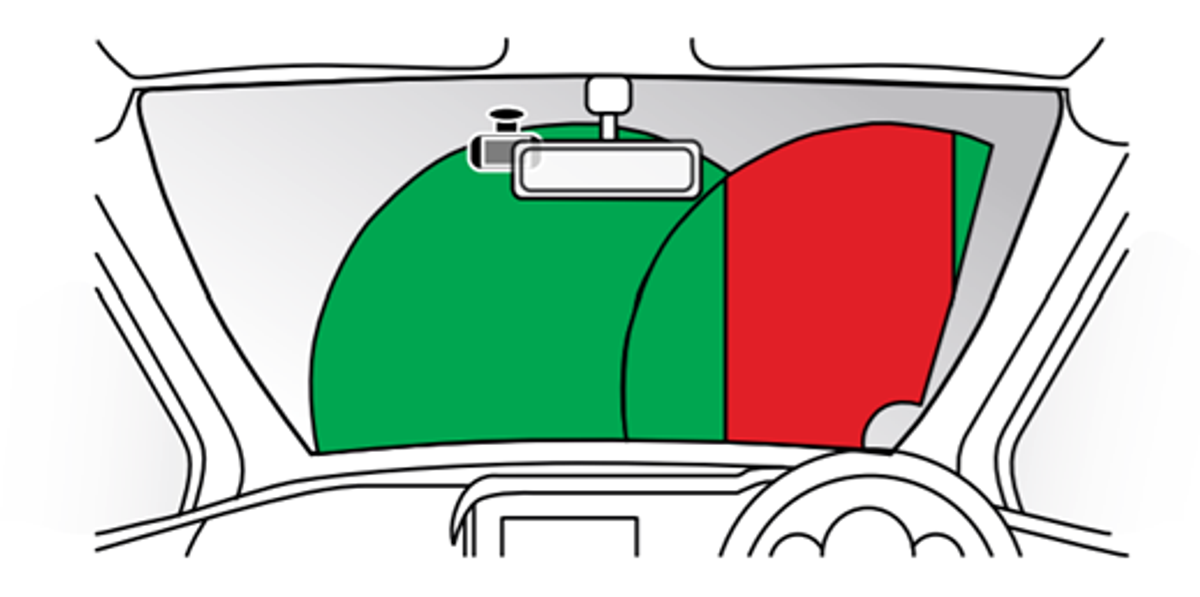
Credit: nextbase.au
Special Placements For Different Vehicles
Placing a dash cam correctly can improve recording quality and safety. Different vehicles need different dash cam positions.
This guide covers special placements for SUVs, compact cars, and commercial vehicles.
Suvs And Larger Vehicles
In SUVs and large vehicles, the windshield is taller and wider. Position the dash cam near the rearview mirror but higher up to capture a wide view.
- Place the dash cam at the top center of the windshield.
- Ensure the camera lens is not blocked by sun visors.
- Avoid placing it too low to prevent dashboard reflections.
- Check that the camera angle covers both road and hood.
Compact Cars
Compact cars have smaller windshields and less space. Mount the dash cam near the rearview mirror but keep it low to avoid blocking the driver’s view.
| Placement Area | Reason |
| Upper center of windshield | Wide road view |
| Below rearview mirror | Minimize obstruction |
| Near side pillars | Record side views |
Commercial Vehicles
Commercial vehicles need special attention because of size and blind spots. Cameras should cover the front, sides, and rear if possible.
- Top center of the windshield for front road view
- Side mirrors or pillars for side views
- Rear window or bumper area for rear recording
Maintenance And Adjustment
Proper care of your dash cam keeps it working well. Regular checks help avoid problems and keep video clear.
Adjusting the dash cam position after any impact is important. Firmware updates also affect camera performance.
Regular Cleaning
Clean the dash cam lens and screen to remove dust and smudges. Use a soft cloth and gentle cleaner.
- Turn off the dash cam before cleaning.
- Use a microfiber cloth for the lens.
- Avoid harsh chemicals or abrasive materials.
- Clean the mount and windshield area too.
Repositioning After Incidents
Accidents or bumps can move the dash cam out of place. Check and adjust its position to keep a clear view.
| Check Points | Details |
| Camera Angle | Adjust to capture the road clearly. |
| Mount Stability | Ensure mount is tight and secure. |
| Lens Obstructions | Remove any dirt or objects blocking view. |
| Power Connection | Verify cable is firmly plugged in. |
Firmware Updates Impact
Firmware updates can fix bugs and add features. They may also change settings or camera behavior.
- Check for updates regularly on the official website.
- Backup important footage before updating.
- Follow update instructions carefully.
- After update, verify camera settings and position.
Frequently Asked Questions
Where Is The Best Place To Mount A Dash Cam?
The best place to mount a dash cam is behind the rearview mirror. This spot provides a clear front view without obstructing the driver’s vision. It keeps the camera discreet and captures the road effectively, ensuring optimal footage for safety and evidence.
How High Should A Dash Cam Be Installed?
A dash cam should be installed at eye level or slightly above. This height captures a wide road view and reduces glare from the dashboard. Proper height ensures clear footage of traffic signals, signs, and nearby vehicles for accurate recording.
Can Dash Cam Placement Affect Video Quality?
Yes, dash cam placement directly affects video quality. Incorrect placement may cause glare, reflections, or a limited field of view. Positioning the camera correctly ensures clear, unobstructed footage, improving the camera’s ability to capture important details during incidents.
Is It Okay To Place A Dash Cam On The Dashboard?
Placing a dash cam on the dashboard is not ideal. It can obstruct the driver’s view and may capture reflections or vibrations. Mounting it on the windshield is preferred for stability and a clear, wide-angle road view.
Conclusion
Choosing the right dash cam position helps capture clear and useful videos. Place it where the view is wide and not blocked. Avoid spots that distract your driving or block mirrors. A good position keeps the camera steady and records well.
This small step protects you in case of accidents. Remember, a well-placed dash cam works better for safety. Take time to find the best spot for your car. Safe driving and smart camera placement go hand in hand.







