
Have you ever noticed the coolant light flicker on your car’s dashboard and wondered what it means? That little warning can feel confusing and even a bit scary.
But understanding why your coolant light is on and what to do next is crucial for keeping your car running smoothly. You’ll discover the simple steps to take when that light appears, how to prevent bigger problems, and why ignoring it could cost you more than you think.
Keep reading—your car’s health depends on it.
Coolant Light Basics
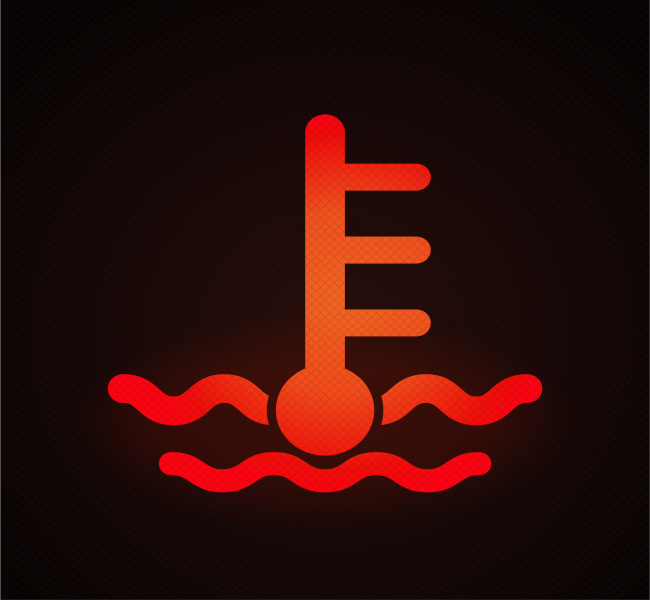
The coolant light on a car dashboard is an important warning sign. It tells you if there is a problem with the car’s cooling system.
Understanding this light can help prevent engine damage and keep your car running well.
What The Coolant Light Indicates
The coolant light comes on when the engine temperature is too high or the coolant level is low. It means the engine may be overheating.
This warning helps you act quickly to avoid serious engine damage.
- Low coolant level
- Coolant leaks
- Faulty thermostat
- Broken water pump
- Radiator problems
Why Coolant Is Vital
Coolant keeps the engine at the right temperature. It stops the engine from overheating in hot weather.
Coolant also prevents freezing in cold weather and protects the engine from rust and corrosion.
- Keeps engine temperature stable
- Prevents engine overheating
- Protects engine parts from rust
- Prevents freezing in cold weather
Credit: www.blackcircles.com
Common Causes For Coolant Light
The coolant light on your car warns you about engine temperature problems. It means the coolant system needs attention.
Knowing common causes helps you fix the problem early. This can prevent engine damage and costly repairs.
Low Coolant Levels
Low coolant levels are the most common cause of the coolant light. Coolant keeps the engine at the right temperature.
If the coolant is low, the engine can overheat quickly. This triggers the coolant warning light to turn on.
Coolant Leaks
Leaks in the coolant system cause the coolant level to drop. These leaks can happen in hoses, the radiator, or the water pump.
Small leaks may not be easy to spot but still cause the light to come on. Check under the car for puddles or wet spots.
- Damaged hoses
- Loose clamps
- Cracked radiator
- Faulty water pump
Faulty Temperature Sensor
The temperature sensor tells the car’s computer the engine temperature. If it fails, the light may come on mistakenly.
A bad sensor can cause wrong signals. The engine might not be hot, but the light stays on until the sensor is fixed.
Radiator Issues
The radiator cools the engine coolant. Problems like clogs or damage stop it from working well.
If the radiator can’t cool the coolant, the engine heats up. This causes the coolant light to warn you of trouble.
Immediate Steps When Light Comes On
The coolant light on your car’s dashboard warns of a problem with the engine’s cooling system. Ignoring this light can cause serious engine damage. You should act quickly and carefully to protect your vehicle.
This guide explains what to do right after the coolant light comes on. Follow these steps to stay safe and avoid costly repairs.
Safely Pulling Over
When the coolant light turns on, do not keep driving. Find a safe place to stop your car as soon as possible. Use your turn signal and pull over to the side of the road or into a parking lot.
- Turn on your hazard lights to alert other drivers.
- Slow down gradually to avoid sudden stops.
- Park your car away from traffic.
- Turn off the engine to prevent overheating.
Checking Coolant Level
After your car is parked and cooled down, check the coolant level. Be careful not to open the radiator cap while the engine is hot. Hot coolant can cause burns.
| Step | Action |
|---|---|
| 1 | Wait at least 30 minutes for the engine to cool. |
| 2 | Open the hood and locate the coolant reservoir. |
| 3 | Check the level against the marks on the side of the tank. |
| 4 | Add coolant if the level is below the minimum line. |
| 5 | Secure the cap tightly after refilling. |
Avoiding Engine Damage
To keep your engine safe, do not drive the car if the coolant light stays on. Continuing to drive can cause the engine to overheat and break down. Call for roadside assistance if needed.
- Turn off the air conditioner to reduce engine load.
- Turn on the heater to help cool the engine.
- Check for leaks or steam under the hood.
- Drive only a short distance to a repair shop if safe to do so.
How To Fix Coolant Light Quickly
The coolant light on your car warns about low coolant or cooling system issues. Fixing it fast can prevent engine damage.
This guide shows simple ways to fix the coolant light. Follow these tips to keep your car running safely.
Refilling Coolant Properly
Refilling the coolant is the first step to fix the warning light. Use the right type of coolant for your car.
- Wait for the engine to cool down before opening the radiator cap.
- Locate the coolant reservoir and check the current level.
- Add coolant slowly until it reaches the full mark.
- Use a mixture of antifreeze and water if needed.
- Secure the cap tightly after refilling.
Finding And Repairing Leaks
Leaks cause coolant loss and trigger the light. Look for wet spots or puddles under the car.
| Leak Location | How to Check | Repair Tip |
| Radiator | Inspect for cracks or holes | Replace or seal damaged parts |
| Hoses | Look for cracks or loose clamps | Tighten clamps or replace hoses |
| Water Pump | Check for drips or noise | Replace faulty pump if leaking |
| Coolant Reservoir | Inspect for cracks or leaks | Replace reservoir if damaged |
Replacing Faulty Sensors
A broken coolant sensor can cause a false warning light. Test the sensor with a multimeter for accuracy.
- Locate the coolant temperature sensor near the thermostat housing.
- Disconnect the sensor and test resistance with a multimeter.
- Compare readings to your car’s manual specifications.
- If readings are off, remove and replace the sensor.
- Clear error codes with an OBD-II scanner after replacement.
Preventive Measures
The coolant light on your car warns about engine temperature issues. Taking preventive steps can keep your car running safely.
Regular checks and proper maintenance help avoid costly repairs and keep your engine cool.
Regular Coolant Checks
Check your coolant level at least once a month. Low coolant can cause the engine to overheat and damage parts.
- Park the car on a flat surface and wait until the engine cools down.
- Open the hood and locate the coolant reservoir.
- Ensure the coolant is between the minimum and maximum marks.
- Top up with the correct coolant if the level is low.
- Look for any leaks or puddles under the car.
Routine Radiator Maintenance
The radiator helps keep your engine cool. Clean and maintain it regularly for best performance.
| Maintenance Task | Frequency | Purpose |
| Radiator cleaning | Every 6 months | Remove dirt and debris to improve airflow |
| Check radiator cap | Monthly | Ensure proper pressure and seal |
| Inspect hoses | Every 3 months | Look for cracks or leaks |
Using The Right Coolant Type
Using the wrong coolant can harm your engine and cooling system. Choose the correct type recommended by your car maker.
Here is a simple guide for common coolant types:
- Ethylene glycol: Common in many cars, good for cold climates.
- Propylene glycol: Less toxic, safer for pets and environment.
- Organic acid technology (OAT): Long-lasting, used in newer models.
- Hybrid organic acid technology (HOAT): Combines benefits of other coolants.

Credit: www.reddit.com
When To See A Mechanic
The coolant light on your car’s dashboard is an important warning. It alerts you to issues with your car’s cooling system. Knowing when to see a mechanic can prevent serious problems.
Here are some signs that it’s time to visit a professional. Ignoring these signs can lead to costly repairs.
Persistent Coolant Light
If the coolant light stays on, there may be a problem. The issue could be with the sensor or the cooling system itself. A mechanic can diagnose and fix the problem.
Ignoring the light might cause the engine to overheat. This can lead to engine damage, which is expensive to repair.
Unexplained Coolant Loss
If your car loses coolant without a clear reason, visit a mechanic. Possible causes include a leak, a faulty radiator, or a broken hose. A mechanic will identify and repair the source of the leak.
Regularly check your coolant levels to avoid engine overheating. Low coolant levels can cause severe damage if left unchecked.
Overheating Engine Signs
An overheating engine is a serious concern. Steam from under the hood or a rising temperature gauge are signs of trouble. A mechanic can prevent further damage by addressing the cause.
Driving with an overheating engine is dangerous. Pull over and let the engine cool before seeking professional help.

Credit: www.reddit.com
Frequently Asked Questions
What Does The Coolant Light On Car Mean?
The coolant light signals low coolant level or overheating. It warns you to check the coolant system immediately. Ignoring it can cause engine damage or failure.
Why Is My Coolant Light Suddenly On?
A sudden coolant light may indicate a leak, low coolant, or faulty sensor. It’s crucial to stop driving and inspect the coolant level and system.
Can I Drive With The Coolant Light On?
Driving with the coolant light on risks engine overheating and severe damage. It’s best to stop and check coolant levels or get professional help immediately.
How Do I Reset The Coolant Light On My Car?
Resetting the coolant light involves fixing the coolant issue first. After repairs, you can reset it using the car’s manual procedure or an OBD-II scanner.
Conclusion
The coolant light on your car warns you of engine trouble. Ignoring it can cause serious damage. Check coolant levels often to keep your engine safe. Fix leaks and top up fluids as soon as possible. Regular car care helps avoid costly repairs.
Stay alert to your car’s signals for smooth driving. Taking quick action keeps your vehicle running well. Don’t wait until the problem gets worse. Keep your car cool and your trips worry-free.







