
Have you ever noticed a strange light glowing on your car’s dashboard and wondered what it means? Those little warning lights are trying to tell you something important about your vehicle’s health.
Ignoring them can lead to bigger problems and costly repairs. You’ll discover the most common car warning lights, what they mean, and what you should do when they appear. Knowing this could save you time, money, and stress on the road.
Keep reading—you don’t want to miss these essential tips for keeping your car in top shape.

Credit: www.youtube.com
Engine Warning Lights
Engine warning lights tell you if something is wrong with your car’s engine. They help you avoid big problems.
Understanding these lights can keep your car safe and running well. Learn what each light means.
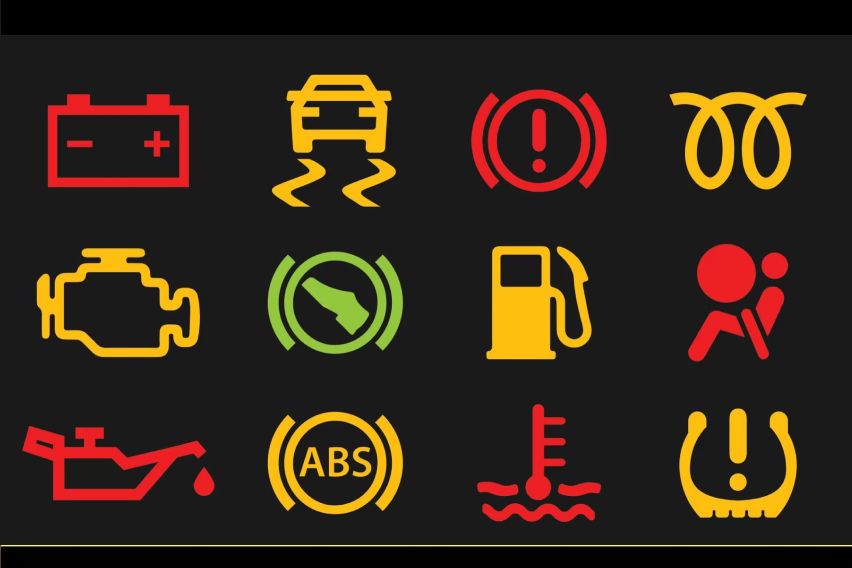
Check Engine Light
The check engine light shows when the car’s computer finds a problem. It can be a small or big issue.
If this light turns on, you should get the car checked soon. Ignoring it can cause more damage.
Oil Pressure Light
The oil pressure light means your engine oil is low or not flowing right. Oil keeps the engine parts moving smoothly.
If this light comes on, stop driving and check the oil level. Low oil can damage the engine fast.
Temperature Warning Light
This light warns you when the engine is too hot. Overheating can cause serious engine problems.
If this light appears, turn off the engine and let it cool down. Check the coolant level or call for help.
Brake System Alerts
Your car has warning lights to tell you about brake problems.
These alerts help keep you safe by showing when brakes need attention.
Brake Warning Light
The brake warning light usually looks like an exclamation mark inside a circle.
It turns on for different reasons. It could mean your parking brake is on or brake fluid is low.
- Parking brake is still engaged
- Brake fluid level is low
- Brake pads may be worn out
- There is a problem with the brake system
Abs Warning Light
The ABS warning light shows issues with the Anti-lock Braking System.
| ABS Warning Light Status | Meaning |
| Light On Steady | ABS system has a fault |
| Light Blinking | System is self-testing |
| Light Off | ABS is working normally |
Battery And Electrical Indicators
Car warning lights help drivers stay safe by showing problems early. Battery and electrical indicators warn about your car’s power system.
Ignoring these lights can lead to a dead battery or electrical failure. Learn what these warning signs mean for your car’s health.
Battery Charge Warning
The battery charge warning light shows if the battery is not charging correctly. It looks like a battery symbol on your dashboard.
This light may turn on if the alternator or battery is failing. If it stays on while driving, your car might lose power soon.
- Check battery connections for looseness or corrosion
- Have your alternator tested by a mechanic
- Replace the battery if it no longer holds a charge
Electrical System Warning
The electrical system warning light signals a problem with your car’s electric parts. It may show as a lightning bolt or a similar icon.
This warning can mean issues with wiring, fuses, or sensors. It affects things like lights, radio, and engine control.
- Inspect fuses and replace any that are blown
- Look for damaged or loose wiring
- Get a professional check if the light stays on
Credit: www.zigwheels.my
Tire And Traction Signals
Tire and traction warning lights alert drivers to important vehicle conditions. They help keep you safe on the road.
Understanding these signals can prevent accidents and costly repairs. Learn what each light means and how to react.
Tire Pressure Monitoring
The tire pressure monitoring light shows when tire pressure is too low. Low pressure can cause poor handling and tire damage.
Check your tires as soon as the light turns on. Inflate them to the recommended pressure listed in your car manual.
- Low tire pressure reduces fuel efficiency
- Underinflated tires wear out faster
- Proper pressure improves vehicle safety
Traction Control Light
The traction control light appears when the system is active. It helps stop wheel spin on slippery roads.
If the light stays on, it may mean a problem with the traction control system. Get your vehicle checked by a mechanic.
- Traction control improves vehicle stability
- It works on wet, icy, or loose surfaces
- Turn off traction control only if stuck in mud or snow
Safety And Airbag Lights
Safety and airbag lights alert you to important issues in your car. They help keep you safe by warning about possible problems.
Knowing what these lights mean can prevent injuries and costly repairs. Always pay attention to them while driving.
Airbag Warning
The airbag warning light shows if there is a problem with your airbags. If this light stays on, the airbags might not work in a crash.
- The light usually looks like a person with a circle in front.
- It turns on briefly when you start the car.
- If it stays on, check the airbag system soon.
- Do not ignore this light as airbags save lives.
Seatbelt Reminder
The seatbelt reminder light warns you to fasten your seatbelt. It may also make a sound until the belt is buckled.
| Warning Light | Meaning | Action |
|---|---|---|
Transmission And Drivetrain Lights
Cars have many warning lights on the dashboard. They tell us if something is wrong. Transmission and drivetrain lights are important. They help keep your car running smoothly.
Understanding these lights can save you time and money. If you know what they mean, you can act quickly. This keeps your car in good shape.
Transmission Temperature Light
The transmission temperature light warns about heat. If the transmission gets too hot, it can be damaged. This light looks like a thermometer.
When this light turns on, stop driving. Let the car cool down. Check the transmission fluid level. Add more if it is low.
- Stop driving if the light is on
- Allow the car to cool down
- Check and refill transmission fluid
Four-wheel Drive Indicator
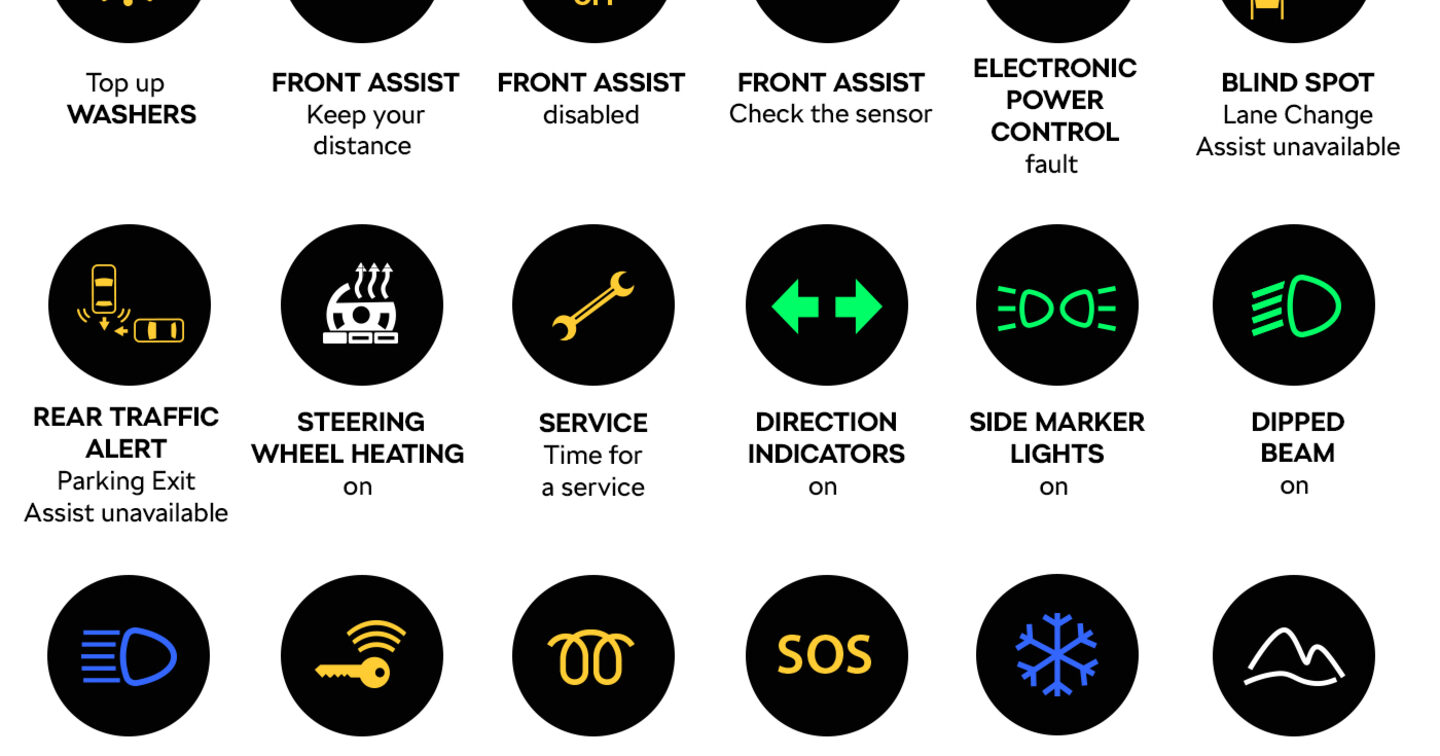
The four-wheel drive indicator shows if this feature is active. It helps in rough or slippery conditions. This light often looks like wheels or a car.
If the light blinks or stays on, there might be a problem. Check the four-wheel drive system. Consult the car manual for details.
- Helps in rough conditions
- Light shows if four-wheel drive is active
- Blinking light might mean a problem
Fuel And Emission Indicators
Cars have many warning lights on the dashboard. These lights help drivers know when there is a problem. Two important lights are the fuel and emission indicators.
Understanding these lights can prevent bigger issues. Knowing what they mean helps you take care of your car.
Low Fuel Warning
The low fuel warning light looks like a gas pump. It turns on when the car is low on fuel. This light helps you know when to fill up your tank.
Driving with low fuel can damage your car. It is best to refuel as soon as this light comes on. This prevents running out of gas on the road.
- Refuel when the light appears
- Avoid driving with less than a quarter tank
- Plan fuel stops on long trips
Emission Control Light
The emission control light looks like an engine. It shows if there’s a problem with the car’s emissions system. This system reduces harmful gases from your car.
If this light is on, your car might pollute more. It is important to fix this issue quickly. A mechanic can help identify the problem.
- Check for loose gas cap
- Visit a mechanic if the light stays on
- Regularly maintain your car to prevent issues
Credit: www.browningsuzuki.co.uk
Steps To Take When A Warning Light Appears
Your car’s dashboard warning lights tell you when something needs attention.
Knowing what to do helps keep you safe and protects your vehicle.
Immediate Actions
When a warning light turns on, stay calm and check the symbol.
- Pull over safely as soon as possible.
- Turn off the engine to prevent damage.
- Look for signs of trouble like smoke or leaks.
- Check your owner’s manual to identify the warning light.
- Decide if it is safe to continue driving or call for help.
When To Seek Professional Help
Some warning lights mean you must get expert help right away.
| Warning Light | Action Needed |
| Engine Temperature | Stop and call a mechanic |
| Oil Pressure | Turn off engine immediately |
| Brake System | Check brakes and seek service |
| Battery Charge | Get battery and alternator tested |
| Check Engine | Have a professional diagnose the issue |
Preventive Maintenance Tips
Regular care helps prevent warning lights from coming on.
- Check oil and fluid levels monthly.
- Replace filters and fluids on schedule.
- Inspect tires and brakes regularly.
- Keep your battery terminals clean.
- Have your car serviced by a trusted mechanic.
Frequently Asked Questions
What Do Common Car Warning Lights Indicate?
Common car warning lights signal issues with vehicle systems. They alert drivers to problems like engine, brakes, or oil. Recognizing these lights helps prevent damage and ensures safety. Each light has a specific meaning and recommended action.
How To Respond To A Red Warning Light In A Car?
A red warning light means immediate attention is needed. Stop the car safely and check the issue. Red lights often indicate serious problems like engine overheating or brake failure. Ignoring them can cause severe damage or accidents.
Why Is The Check Engine Light Important?
The check engine light signals engine or emission system problems. It can indicate minor issues like a loose gas cap or major engine faults. Prompt diagnosis and repair prevent costly damage and maintain vehicle performance.
Can I Drive With A Yellow Warning Light On?
Yellow warning lights suggest caution but usually allow limited driving. They indicate non-critical issues like low fuel or tire pressure. It’s best to address the problem soon to avoid escalation and maintain safety.
Conclusion
Car warning lights help you stay safe on the road. They alert you to problems early. Knowing common lights saves time and money. Act quickly when a warning light appears. Regular checks keep your car in good shape. Stay aware and keep your drive smooth.
Understanding these signs protects you and others. Don’t ignore warning lights—they matter a lot. Keep learning about your car’s signals. It makes driving easier and safer every day.







