
Have you ever looked at your car and felt it needed a fresh, vibrant look? Colour painting your car can completely change its appearance and make it stand out on the road.
Whether you want to restore its original shine or give it a bold new style, the right paint job can make all the difference. You’ll discover everything you need to know about colour painting your car—how to choose the perfect shade, the best techniques to get a smooth finish, and tips to keep your paint looking flawless for years.
Keep reading to unlock the secrets that will transform your car into a true head-turner.
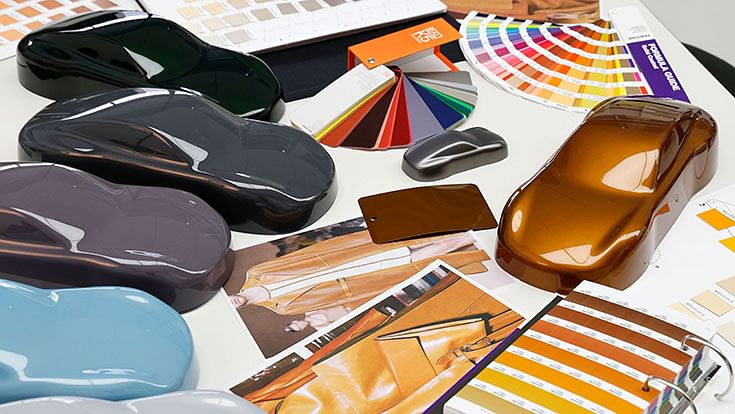
Credit: www.autocarpro.in
Choosing The Right Paint
Painting your car gives it a fresh, new look. Picking the right paint is very important. The paint must last long and look good.
Different paints have different qualities. You should know the types and colors before starting the job.
Types Of Car Paints
There are several types of car paints. Each type has its own benefits and uses.
- Enamel paint: Glossy finish and easy to apply
- Urethane paint: Durable and resistant to chips
- Acrylic paint: Fast drying but less durable
- Basecoat and clearcoat: Two-step system for shine and protection
- Water-based paint: Environmentally friendly and less odor
Popular Color Options
Choosing the right color depends on style and maintenance. Some colors are easier to keep clean.
- White: Classic and hides dirt well
- Black: Sleek but shows scratches easily
- Silver: Modern look and hides dust
- Red: Bright and sporty appearance
- Blue: Calm and attractive color
Matching Existing Colors
Matching your car’s current color is important for touch-ups or repairs. This keeps the car looking uniform.
Use the car’s paint code to find the exact match. Paint codes are usually inside the door frame or under the hood.
- Find the paint code on your car
- Take the code to a paint store or shop
- Use color matching tools or machines
- Test the paint on a small area first
Preparing The Car Surface
Painting a car needs a clean and smooth surface. This helps the paint stick well and look good.
Proper preparation can stop paint from peeling or fading later. It also hides old damage.
Cleaning And Sanding
Start by washing the car to remove dirt and grease. Use soap and water for this task.
After cleaning, sand the surface lightly. Sanding roughens the paint so new paint sticks well.
- Use fine-grit sandpaper for smooth sanding
- Sand evenly to avoid rough spots
- Wipe dust off with a clean cloth after sanding
Repairing Dents And Scratches
Check the car for dents and scratches. Fix them before painting.
Use body filler for dents and sand it smooth after it dries. For scratches, sand the edges carefully.
- Fill dents with putty or body filler
- Let filler dry fully before sanding
- Sand scratches to smooth edges
- Clean the area after repairs
Priming For Paint Adhesion
Apply primer to the repaired and sanded areas. Primer helps paint stick better and last longer.
Use a spray primer for even coverage. Let it dry fully before sanding lightly to smooth the surface.
- Choose primer that matches the paint type
- Apply thin, even coats
- Allow each coat to dry before the next
- Sand lightly after the final coat
Painting Techniques
Painting a car requires skill and the right techniques. Good painting makes the car look smooth and shiny.
Different tools and methods help achieve the best finish. Learning these techniques saves time and improves results.
Spray Painting Basics
Spray painting uses a spray gun to apply paint evenly. It helps cover large areas quickly and smoothly.
Keep the spray gun moving in steady strokes. Hold it about 6 to 8 inches from the car surface.
- Use even, side-to-side passes
- Avoid staying too long in one spot
- Wear protective gear to avoid paint fumes
- Spray in a well-ventilated area
Using Brushes And Rollers
Brushes and rollers work well for small spots or touch-ups. They give control in tight areas.
Use a soft brush to avoid streaks. Rollers can cover flat surfaces but may leave texture.
- Choose the right brush size for the area
- Use smooth strokes with the brush
- Rollers should be used gently to prevent bubbles
- Clean brushes and rollers after use
Applying Multiple Coats
Applying several paint layers improves color depth and durability. Each coat should dry before the next.
Light sanding between coats helps the paint stick better. Avoid thick coats to prevent drips and runs.
- Apply thin, even coats
- Wait for each coat to dry fully
- Sand lightly before next coat
- Finish with a clear coat for shine
Choosing A Paint Shop Or Diy
Painting your car can improve its look and value. You can pick a paint shop or do it yourself.
Each choice has good points. Think about skill, tools, and cost before deciding.
Benefits Of Professional Services
Professional paint shops have trained workers and good tools. They give smooth and even paint jobs.
They use special paint that lasts longer. They also fix dents and scratches before painting.
- High-quality finish
- Long-lasting paint
- Repair services included
- Time-saving process
Diy Painting Tips
Painting your car yourself can save money. It needs patience and the right tools.
Clean the car well and sand old paint before starting. Use thin layers of paint for best results.
- Work in a dust-free place
- Wear safety gear like masks and gloves
- Use primer before painting
- Apply several thin coats
- Let paint dry fully between coats
Cost Considerations
Professional paint jobs cost more but save time and effort. DIY painting is cheaper but needs tools and skill.
Think about your budget and how much work you can do. Costs can include paint, tools, and repairs.
| Expense | Professional | DIY |
|---|---|---|
| Paint | Included in price | Buy separately |
| Tools | Provided | Buy or rent |
| Labor | Paid | Your time |
| Repairs | Done by shop | May need extra work |
Enhancing With Finishes
Painting a car is not just about color. The finish adds style and protection. Different finishes change the look and feel of the paint.
Choosing the right finish can make your car stand out or give it a subtle touch. Let’s explore some popular finishes used in car painting.
Clear Coats And Gloss
Clear coats protect the paint and give a shiny look. They help prevent scratches and fading from sunlight. Glossy finishes reflect light well and make colors look bright.
- Protects paint from damage
- Enhances color brightness
- Easy to clean and maintain
- Creates a smooth surface
Matte And Satin Finishes
Matte finishes show little to no shine, giving a flat look. Satin finishes have a soft glow without the high gloss. Both finishes hide small imperfections well.
| Finish Type | Appearance | Care Tips |
|---|---|---|
| Matte | Flat, no shine | Use special cleaners, avoid wax |
| Satin | Soft shine, smooth | Gentle washing, no polishing |
Special Effects And Custom Designs
Special effects add unique looks to car paint. Custom designs can include patterns, metallic flakes, or color shifts. These finishes make a car truly one of a kind.
- Pearlescent paint for color changes in light
- Metallic flakes for sparkle
- Chameleon paint that shifts colors
- Airbrushed designs for art and logos

Credit: www.eastwood.com
Maintenance After Painting
Maintaining a car’s new paint job is important. Proper care ensures the color stays vibrant.
A few steps can help protect the paint. Regular cleaning and careful handling are key.
Caring For New Paint
Use mild soap and water when washing your car. Avoid harsh chemicals that damage the paint.
Dry the car with a soft cloth to prevent water spots. Wax the car every few months for extra protection.
- Wash in the shade to prevent streaks
- Use a microfiber towel for drying
- Apply wax every 3-4 months
Avoiding Common Mistakes
Do not park under trees to avoid sap and bird droppings. These can harm the paint.
Avoid automatic car washes with brushes. They can scratch the surface of the paint.
- Park in a garage or use a car cover
- Hand wash your car when possible
- Keep away from gravel roads
Touch-up Strategies
If you notice chips, fix them quickly. Use a matching touch-up paint for best results.
Clean the area before applying touch-up paint. This ensures it adheres well.
- Use a small brush for precise application
- Allow paint to dry completely before driving
- Consider professional help for large areas
Trends In Car Colors
The world of car colors is always changing. New shades appear every year. Drivers seek fresh looks for their vehicles.
Car manufacturers study trends to offer popular options. Let’s explore what colors are in style now and what the future holds.
Popular Shades This Year
This year, bold colors are in demand. Bright reds and blues catch the eye. Silver and black remain classic choices.
- Bright Red: Vibrant and energetic
- Deep Blue: Stylish and modern
- Classic Black: Timeless and elegant
- Shimmering Silver: Sleek and sophisticated
Color Psychology In Cars
Car colors influence how we feel. Red can make a car look fast. Blue is calming and trustworthy.
Understanding color psychology helps in choosing the right car. Each color sends a message to others on the road.
- Red: Excitement and speed
- Blue: Calmness and reliability
- Black: Power and authority
- White: Cleanliness and simplicity
Future Color Innovations
Future car colors will be even more exciting. Technology may allow cars to change color. New materials could create unique hues.
Manufacturers explore eco-friendly paints. These will reduce environmental impact while offering stunning shades.
| Year | Innovation |
| 2025 | Color-changing technology |
| 2030 | Eco-friendly paint options |
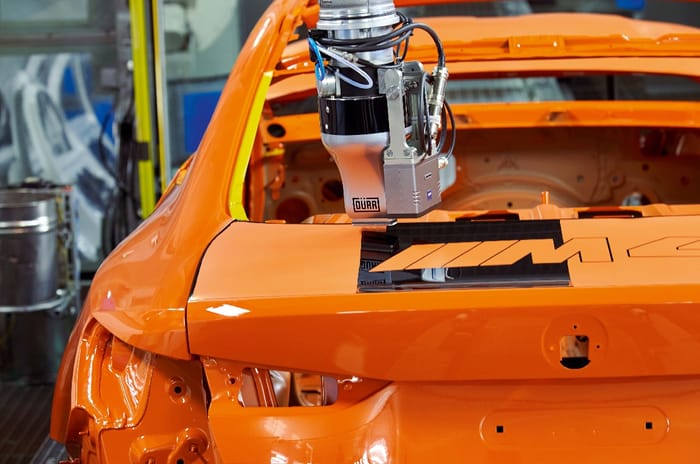
Credit: www.autocarindia.com
Frequently Asked Questions
What Is The Best Paint For Car Colour Painting?
The best paint for car colour painting is automotive-grade urethane. It offers durability, a glossy finish, and resistance to weather and chemicals. Urethane paint ensures long-lasting color vibrancy and protection, making it ideal for both professional and DIY car painting projects.
How Long Does Car Colour Painting Last?
Car colour painting typically lasts 5 to 10 years with proper care. Factors affecting longevity include paint quality, environmental exposure, and maintenance. Regular washing and waxing help protect the paint and extend its lifespan, keeping the car looking fresh and vibrant.
Can I Paint My Car Any Colour I Want?
Yes, you can paint your car any colour you want. Custom colours and finishes are available through professional shops. However, some regions require color registration for legal purposes. Choose a colour that suits your style and meets local regulations for vehicle painting.
How Much Does Professional Car Colour Painting Cost?
Professional car colour painting costs range from $500 to $5,000 or more. The price depends on paint quality, car size, colour complexity, and preparation work. High-end finishes and custom designs increase the cost. Always get quotes from multiple shops before deciding.
Conclusion
Colour painting a car can change its look and feel. It protects the surface from damage and rust. Choosing the right colour adds style and personality. Regular care keeps the paint fresh and bright. A good paint job boosts your car’s value.
Simple steps make the process easier and more effective. Think about your preferences and budget before deciding. A well-painted car stands out on the road. Painting your car is an easy way to refresh it. Give your vehicle a new look with colour painting.







