
Your car’s leather seats look great when they’re clean, but keeping them that way can be tricky. Dirt, spills, and daily wear can quickly dull their shine and damage the material.
You want your car to feel fresh and comfortable every time you get in, right? Imagine sliding into smooth, spotless leather that smells fresh and looks brand new. You’ll discover simple, effective tips to clean your leather seats like a pro.
By the end, you’ll know exactly how to protect your investment and enjoy a cleaner, more inviting car interior every day. Keep reading—you don’t want to miss these easy tricks!
Choosing The Right Cleaner
Keeping leather car seats clean helps them last longer. Using the right cleaner protects the leather from damage.
Some cleaners work better on leather than others. Picking a safe and effective product is important.
Natural Vs. Commercial Products
Natural cleaners use ingredients from plants and minerals. They often have fewer chemicals and are gentle on leather.
Commercial products are made for cleaning leather and may clean faster. Some have strong chemicals that can harm leather over time.
- Natural cleaners: mild, safe, eco-friendly
- Commercial products: strong, fast-acting, may contain harsh chemicals
- Test any cleaner on a small spot before full use
Avoiding Harsh Chemicals
Harsh chemicals can dry out leather and cause cracks. Avoid cleaners with bleach, ammonia, or alcohol.
Choose products that nourish leather and keep it soft. Gentle cleaning helps maintain the seat’s look and feel.
- Do not use bleach or ammonia
- Avoid alcohol-based cleaners
- Pick cleaners with moisturizing ingredients
Ph Balance Importance
Leather needs cleaners with a balanced pH. Too acidic or too alkaline cleaners can damage the leather.
Look for cleaners with a pH close to neutral (around 5 to 7). This helps keep leather strong and healthy.
- Neutral pH cleaners prevent damage
- Acidic or alkaline cleaners cause wear
- Check product labels for pH information
Credit: www.fibrenew.com
Preparing Your Leather Seats
Proper care starts with preparing your leather seats for cleaning. This helps protect the leather and keeps it looking good.
Follow simple steps to remove dirt, clean gently, and test products safely before use.
Removing Loose Dirt And Debris
Start by removing loose dirt and debris from your leather seats. Use a soft brush or cloth to wipe away dust and crumbs. This prevents dirt from scratching the leather during cleaning.
- Use a soft-bristled brush to loosen dirt.
- Wipe gently with a dry microfiber cloth.
- Pay attention to seams and crevices.
- Avoid using harsh tools that can damage leather.
Vacuuming Techniques
Vacuuming removes dirt trapped deep in the leather grain and seams. Use the right tools and methods for best results.
| Vacuum Tool | Purpose | Tip |
|---|---|---|
| Soft brush attachment | Lift dirt without scratching | Use low suction power |
| Crevice tool | Clean tight seams and corners | Move gently to avoid damage |
| Microfiber cloth over nozzle | Extra protection during vacuuming | Prevents marks on leather |
Spot Testing Cleaners
Before applying any cleaner, test it on a hidden area of the seat. This helps check for color changes or damage.
Follow these steps to spot test safely:
- Choose a small, hidden spot on the seat.
- Apply a small amount of cleaner with a cotton swab.
- Wait 10 minutes to see any reaction.
- If color or texture changes, avoid using that cleaner.
- Only proceed if the test area looks normal.
Cleaning Techniques
Keeping leather seats clean helps them last longer and look good. Use safe methods to avoid damage. This guide explains simple ways to clean leather seats in your car.
Learn how to use soft brushes, gentle wiping, and stain removal. Each method protects the leather and keeps it soft.
Using A Soft Brush
A soft brush removes dust and dirt from leather seats. Use a brush with soft bristles to avoid scratches. Brush gently in small circles over the leather surface.
- Choose a brush made for delicate surfaces.
- Brush seats regularly to prevent dirt buildup.
- Work on small areas at a time for better cleaning.
- Brush along the grain of the leather.
Gentle Wiping Methods
Use a soft cloth dampened with water to wipe the seats. Avoid soaking the leather. Wipe gently to remove light dirt and spills. Dry the seats with a clean cloth after wiping.
| Material | Use | Notes |
| Microfiber cloth | Wiping dirt and dust | Soft and non-abrasive |
| Water | Dampening cloth | Use sparingly, no soaking |
| Leather cleaner (optional) | Removing tougher dirt | Test on small area first |
Dealing With Stains
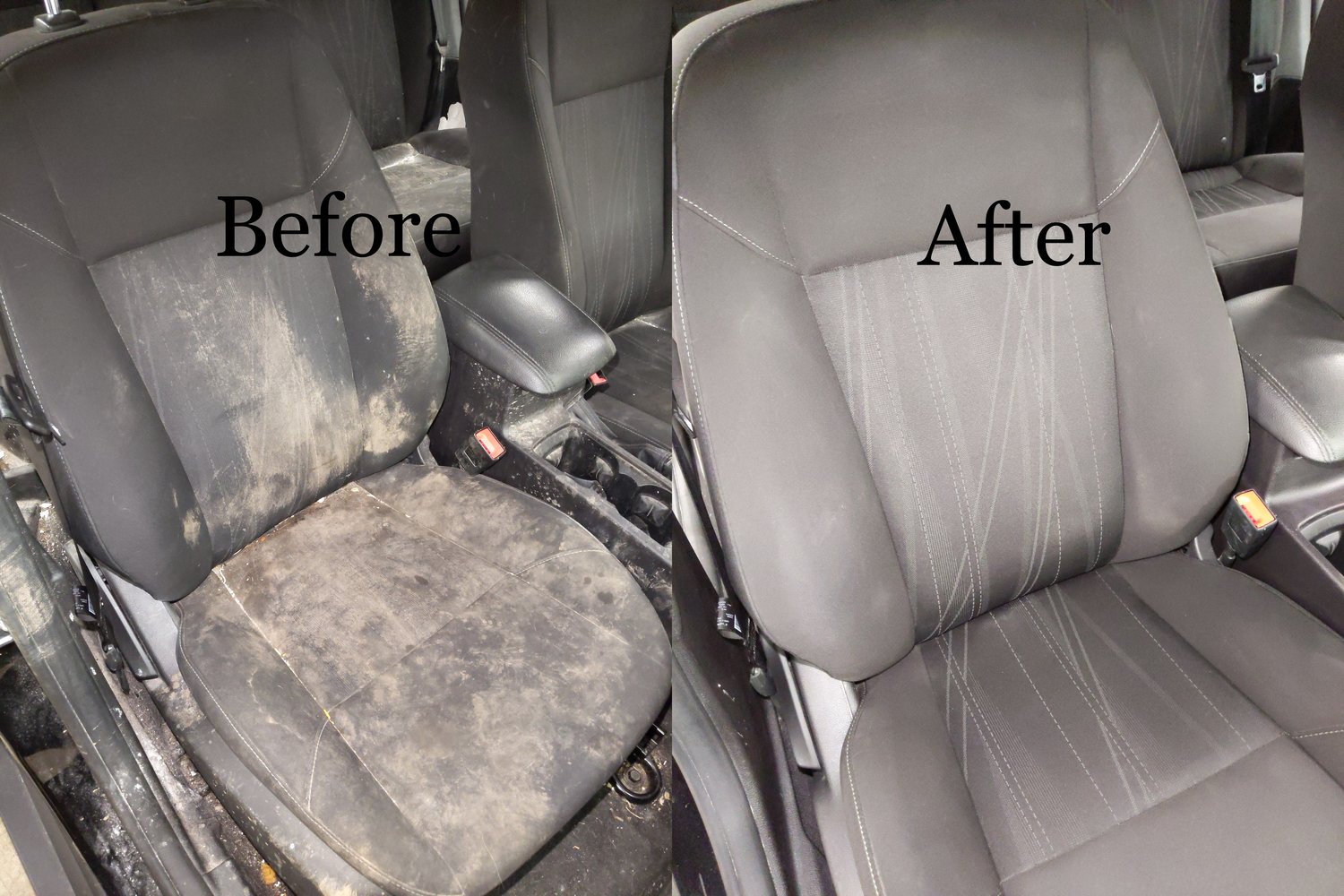
Stains need careful treatment to protect leather. Use a mild cleaner made for leather. Dab the stain gently, do not rub hard. For tough stains, repeat the process or consult a professional.
Tips for stain removal:
- Act quickly before the stain sets.
- Use a clean, soft cloth to apply cleaner.
- Test cleaner on hidden spot first.
- Do not use harsh chemicals or bleach.
- Keep leather moisturized after cleaning.
Credit: www.drivebydetail.net
Conditioning Leather
Leather seats in cars need care to stay soft and strong. Conditioning helps keep leather from drying out.
Proper conditioning extends the life of leather and keeps it looking good.
Choosing A Suitable Conditioner
Pick a conditioner made for car leather. Avoid products with harsh chemicals or waxes.
Test the conditioner on a small hidden spot first. This prevents damage or color change.
- Use pH-balanced conditioners
- Avoid silicone or petroleum-based products
- Choose products that clean and nourish
Application Tips
Clean the seats before applying conditioner. Use a soft cloth or sponge to spread it evenly.
Apply small amounts at a time. Let the leather absorb the conditioner before adding more.
- Work in small sections
- Use circular motions to apply
- Remove extra conditioner to avoid buildup
Frequency Of Conditioning
Condition leather seats every three to six months. This keeps leather soft and prevents cracks.
If the car is in hot or dry areas, condition more often. Regular care protects leather from damage.
- Every 3 months for dry climates
- Every 6 months for mild climates
- More often after deep cleaning
Maintaining Leather Seats
Leather seats add style and comfort to your car. Keeping them clean helps them last longer.
Proper care prevents cracks and fading. It also keeps the leather soft and looking new.
Protecting From Sun Damage
Sunlight can dry out leather and cause it to crack. Protect your seats by blocking direct sun.
Use sunshades or park in shaded areas. This lowers heat and reduces sun damage.
- Use a windshield sunshade when parked
- Park under trees or covered areas
- Apply leather conditioner to add protection
Regular Cleaning Schedule
Clean leather seats often to remove dirt and oils. This keeps the leather healthy and smooth.
Use a soft cloth and gentle cleaner made for leather. Avoid harsh chemicals that can damage it.
- Vacuum seats to remove dust and debris
- Wipe with a damp cloth and mild leather cleaner
- Dry seats thoroughly after cleaning
Avoiding Common Mistakes
Some cleaning habits can hurt leather seats. Avoid using strong soaps or scrubbing hard.
Do not leave spills or stains for a long time. Clean them quickly to prevent damage.
- Do not use bleach or ammonia-based cleaners
- Avoid scrubbing with rough brushes or cloths
- Clean spills immediately to stop stains

Credit: www.youtube.com
Diy Vs. Professional Cleaning
Cleaning leather seats in your car can be done at home or by professionals. Each option has its own benefits and considerations.
DIY cleaning can save money but requires effort and the right tools. Professional services offer expertise and convenience.
When To Seek Professional Help
If your leather seats have deep stains or damage, it’s best to consult professionals. They have the skills to handle tough situations.
- Deep scratches or cuts on leather
- Persistent odors that DIY can’t remove
- Color fading or discoloration
- Specialized care for luxury leather
Cost Considerations
DIY cleaning is generally cheaper. You only pay for supplies. Professional services might cost more but offer quality assurance.
| Service Type | Average Cost |
| DIY Supplies | $30-$50 |
| Professional Cleaning | $100-$200 |
Benefits Of Professional Services
Professional cleaners provide expertise and use high-quality products. They ensure your leather seats look their best.
Frequently Asked Questions
How Do I Clean Leather Seats In My Car Safely?
Use a gentle leather cleaner and a soft cloth. Avoid harsh chemicals to prevent damage. Test the cleaner on a small area first. Clean in circular motions and wipe off excess moisture promptly.
What Household Items Can Clean Leather Car Seats?
Mild soap and water work well for light cleaning. Mix a few drops of dish soap with water. Use a soft cloth to wipe seats gently. Avoid soaking leather to prevent damage.
How Often Should I Clean Leather Car Seats?
Clean your leather seats every 3 to 6 months. Regular cleaning maintains appearance and prevents dirt buildup. Wipe spills immediately to avoid stains. Conditioning should follow cleaning to keep leather soft.
Can I Use Conditioner On Leather Car Seats?
Yes, use a quality leather conditioner after cleaning. It restores moisture and prevents cracking. Apply with a soft cloth and buff gently. Conditioning helps maintain leather’s flexibility and shine.
Conclusion
Keeping leather seats clean protects their look and lasts longer. Use gentle cleaners and soft cloths for best results. Regular care stops dirt and stains from settling in. Avoid harsh chemicals that can damage the leather surface. Conditioning the seats helps keep the leather soft and smooth.
Clean seats also make your car more comfortable and inviting. Small efforts now save you from costly repairs later. A clean car interior feels fresh every time you drive. Take a few minutes often to care for your leather seats.
Your car deserves simple, regular attention to stay its best.







