
Have you ever struggled to start your car, only to find it won’t turn over? One common culprit might be dirty battery contacts.
When your car battery terminals get covered with grime or corrosion, it can stop your car from getting the power it needs. But don’t worry—cleaning your car battery contacts is easier than you think. You’ll discover simple steps to keep your battery connections clean and your car running smoothly every time you turn the key.
Keep reading to learn how a little maintenance can save you time and frustration on the road.
Signs Of Dirty Battery Contacts
Dirty battery contacts can cause problems with your car’s electrical system. It is important to spot the signs early to avoid bigger issues.
Battery contacts often get dirty from corrosion or dirt buildup. This can stop the battery from working well.
Corrosion Indicators
Corrosion on battery contacts looks like a white or blue powdery substance. It forms around the battery terminals and cables.
This corrosion can stop the battery from sending power to the car. You may see rust or a crusty layer on the contacts.
- White, green, or blue powder near battery terminals
- Rusty or crusty buildup on battery posts
- Loose or damaged battery cables
Starting Issues
A dirty battery contact can cause your car to have trouble starting. The engine may crank slowly or not at all.
You might hear clicking sounds when turning the key. This happens because power is not flowing properly to start the engine.
- Slow engine crank
- Clicking noise when starting
- Car fails to start
Electrical Problems
Dirty battery contacts can cause many electrical problems in your car. Lights may flicker or dim unexpectedly.
Other electric components like the radio or power windows may stop working well. This happens because the battery cannot deliver steady power.
- Flickering or dim headlights
- Radio or dashboard lights act strange
- Power windows or locks fail
Tools And Materials Needed
Cleaning car battery contacts requires specific tools and materials. Using the right items makes the job safer and easier.
Below are the essential supplies and gear you need before starting the cleaning process.
Cleaning Supplies
You need several cleaning items to remove corrosion and dirt effectively. These supplies help restore good contact and battery function.
- Baking soda
- Distilled water
- Old toothbrush or wire brush
- Clean cloth or paper towels
- Small container for mixing
- Battery terminal cleaner spray (optional)
Safety Gear
Protect yourself during cleaning. Battery acid and corrosion can harm skin and eyes.
| Item | Purpose |
| Rubber gloves | Protect hands from acid |
| Safety goggles | Shield eyes from splashes |
| Old clothes | Prevent damage from spills |
| Face mask | Reduce inhaling dust and fumes |
Battery Terminal Protectors
After cleaning, use protectors to stop corrosion from returning. These items extend battery life.
- Battery terminal grease or petroleum jelly
- Protective caps for battery terminals
- Anti-corrosion spray
Step-by-step Cleaning Process
Cleaning car battery contacts helps your vehicle start smoothly. Dirty contacts can cause power loss or electrical issues.
Follow these simple steps to clean the battery contacts safely and effectively.
Disconnecting The Battery
First, turn off the vehicle and remove the keys. Always disconnect the negative terminal first to avoid sparks.
- Locate the negative terminal marked with a minus (-) sign.
- Use a wrench to loosen the nut on the negative cable clamp.
- Remove the negative cable and set it aside.
- Repeat the process for the positive terminal marked with a plus (+) sign.
Removing Corrosion
Corrosion looks like white or blue powder around the battery terminals. It blocks electrical flow and needs removal.
Use a mixture of baking soda and water to neutralize the acid and clean the corrosion.
- Wear gloves and eye protection.
- Dip an old toothbrush in the baking soda mix.
- Scrub the battery terminals gently.
- Wipe off the residue with a clean cloth.
Cleaning And Drying Contacts
After removing corrosion, clean the contacts with a cloth dampened in clean water. Avoid using too much liquid.
Dry the contacts thoroughly with a dry cloth or let them air dry before reconnecting the battery.
Reconnecting Safely
Reconnect the battery terminals in reverse order. Attach the positive terminal first, then the negative.
| Terminal | Order to Reconnect |
| Positive (+) | First |
| Negative (-) | Second |
Tighten the clamps securely but do not over-tighten. Check for stable connection to avoid electrical problems.
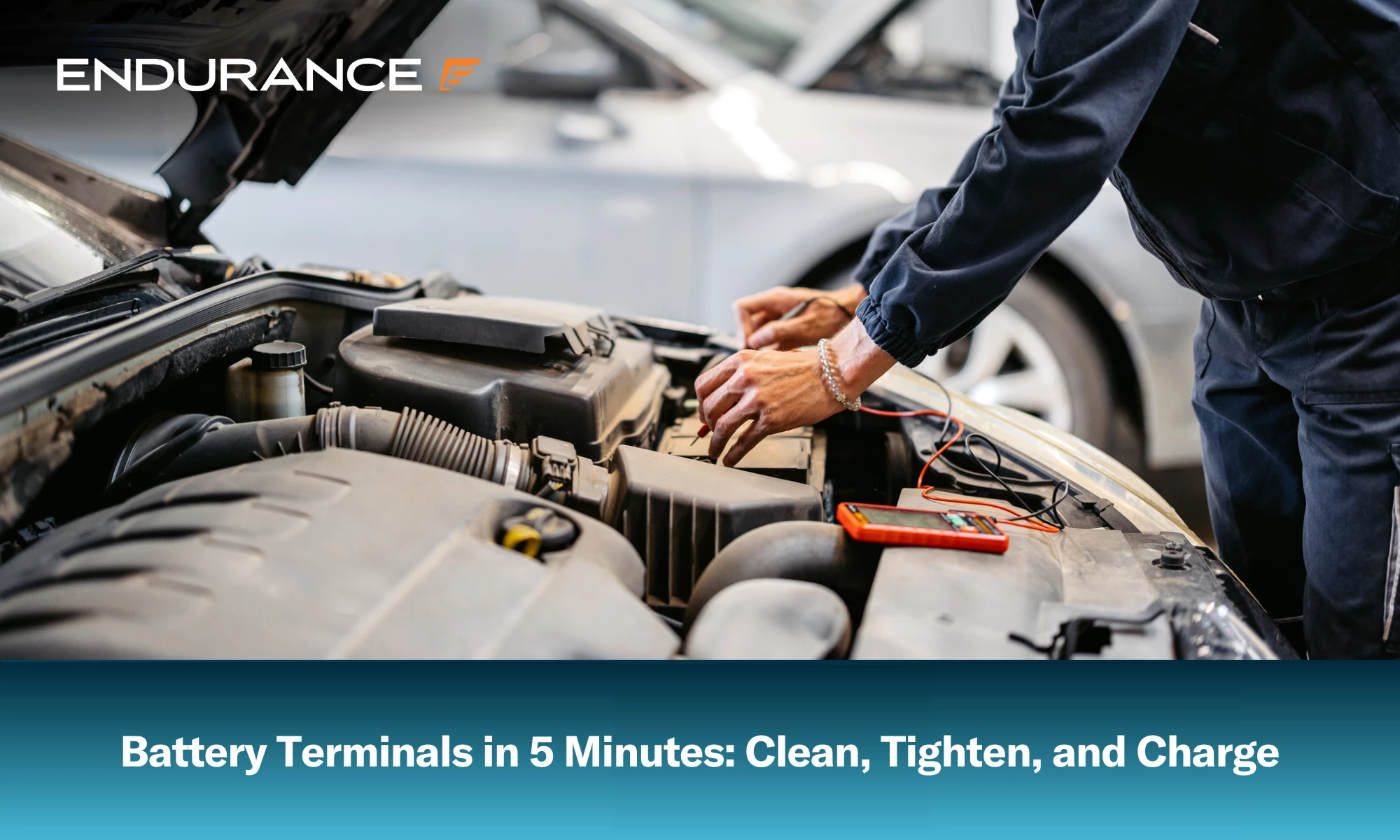
Credit: www.endurancewarranty.com
Preventive Measures For Longevity
Clean car battery contacts help your vehicle start well every time. Dirt and corrosion can cause problems. Taking care of the contacts keeps your battery working longer.
Simple steps can stop damage before it starts. Regular care also saves money on repairs. Learn how to keep battery contacts clean and healthy.
Regular Inspections
Check battery contacts at least once a month. Look for white or green powder, which shows corrosion. Also, make sure cables are tight and secure.
- Turn off the car and open the hood
- Look at both battery terminals
- Note any corrosion or dirt buildup
- Check if cables fit snugly on the terminals
- Clean any dirt or corrosion found
Applying Protective Coatings
Use protective sprays or grease to stop corrosion. These coatings create a barrier against moisture and air.
| Type of Protective Coating | Benefits | Application Tips |
|---|---|---|
| Petroleum Jelly | Easy to apply, prevents moisture | Apply thin layer on terminals after cleaning |
| Silicone Spray | Water-resistant, long-lasting | Spray lightly, avoid battery vents |
| Battery Terminal Protector | Special formula for corrosion | Follow product instructions carefully |
Maintaining Battery Health
Good battery health means longer life. Keep the battery charged and avoid short trips. Cold weather can reduce battery power.
- Drive the car regularly to charge the battery
- Turn off all electrical devices before stopping the engine
- Keep battery terminals clean and dry
- Replace old or weak batteries promptly
When To Replace Battery Contacts
Battery contacts connect your car battery to the electrical system. Clean contacts help your car start well. Knowing when to replace them saves you from unexpected problems.
Dirty or damaged contacts can cause poor performance or failure to start. Check the contacts regularly for signs of wear or damage.
Signs Of Damage
Look for these signs to know if your battery contacts need replacement:
- Corrosion buildup that can’t be cleaned
- Cracks or breaks in the metal contacts
- Loose or bent contacts that do not fit tightly
- Frequent difficulty starting the car
- Visible rust or discoloration on the terminals
Professional Help
Replacing battery contacts may need skill and proper tools. A professional can ensure safe and correct installation. They can also check the battery and cables for hidden problems.
| Reason | Why Professional Help is Needed |
| Safety | Handling battery acid and electrical parts can be dangerous. |
| Proper Tools | Professionals have tools to remove and install contacts without damage. |
| Accurate Diagnosis | Experts find other issues that may affect battery performance. |
| Warranty | Work done by professionals may keep your car warranty valid. |

Credit: urbsgarage.com

Credit: www.familyhandyman.com
Frequently Asked Questions
How Do I Clean Car Battery Contacts Safely?
To clean battery contacts safely, wear gloves and eye protection. Disconnect the battery terminals, use a mixture of baking soda and water, scrub gently with a brush, then rinse and dry before reconnecting the battery.
Why Are Clean Battery Contacts Important?
Clean battery contacts ensure proper electrical connection and prevent corrosion. This improves battery performance, extends lifespan, and helps your car start reliably every time.
How Often Should I Clean Car Battery Contacts?
Clean your car battery contacts at least twice a year. Also, clean them if you notice corrosion, slow starts, or dim lights to maintain optimal battery function.
Can I Use Vinegar To Clean Battery Contacts?
Yes, vinegar can clean battery contacts effectively. Its acidity dissolves corrosion. Apply it carefully, scrub with a brush, then rinse thoroughly with water and dry before reconnecting.
Conclusion
Cleaning car battery contacts keeps your vehicle running smoothly. Dirt and corrosion block electricity flow and cause problems. Regular cleaning helps avoid starting issues and battery damage. Use simple tools and safe methods for best results. Take time to check contacts every few months.
A clean battery contact means better power and longer battery life. Keep your car healthy with this easy maintenance step. Small effort, big difference.







