
Is your car’s paint chipped and looking worn out? Those small chips might seem harmless, but they can quickly turn into bigger problems like rust and damage.
You don’t have to live with those unsightly spots or spend a fortune at the body shop. Imagine fixing those chips yourself, saving money, and making your car look great again. You’ll discover simple, effective ways to repair chipped paint on your car—methods anyone can follow.
Keep reading, and you’ll learn how to protect your car and keep it looking fresh without hassle.
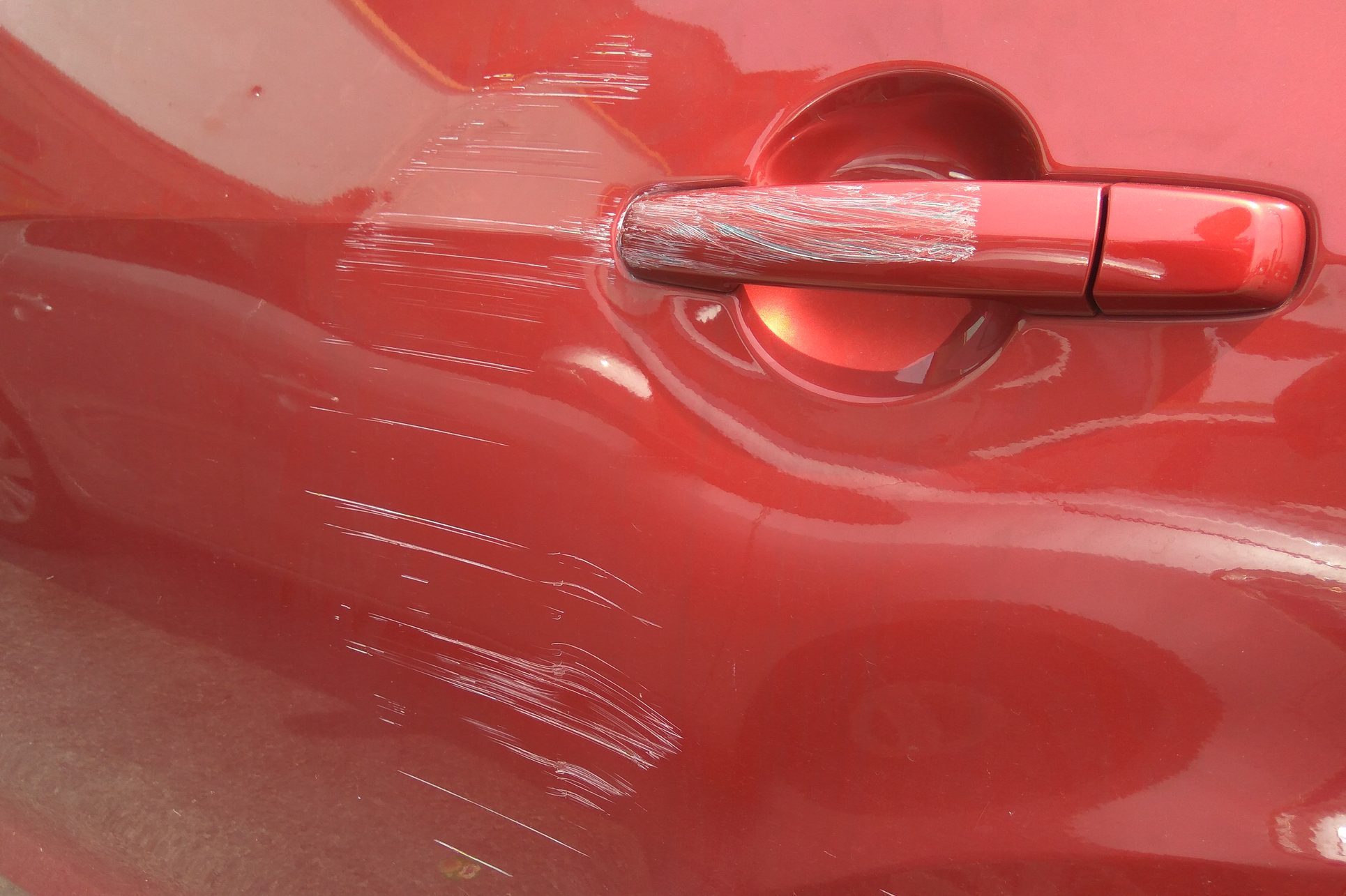
Credit: www.familyhandyman.com
Causes Of Chipped Paint
Chipped paint on cars happens when the surface coating breaks or peels off. This damage makes cars look old and can cause rust over time.
Many factors cause paint to chip. Understanding these helps protect your car’s finish better.
Common Triggers
Everyday actions can chip paint. Small impacts or scratches from careless handling are common triggers.
- Opening doors into hard objects
- Scraping against fences or walls
- Using rough cloths or brushes when cleaning
- Parking too close to other cars or objects
- Minor collisions or bumps
Weather Effects
Weather changes can weaken paint. Sunlight, rain, and cold all affect how paint holds up on a car.
| Weather Condition | Effect on Paint |
| Strong Sunlight | Fades color and makes paint brittle |
| Heavy Rain | Wears down paint and causes peeling |
| Freezing Cold | Causes paint to crack and chip |
| Hail | Leaves dents and chips in paint |
Road Debris Impact
Gravel, stones, and other debris hit cars while driving. These impacts cause paint chips, especially at high speeds.
Common debris types include:
- Small rocks from the road
- Loose gravel on highways
- Sand and dirt particles
- Road salt and chemicals
Tools And Materials Needed
Fixing chipped paint on your car is easier with the right tools and materials. Preparing well helps you get a smooth finish.
This guide explains what supplies you need before starting the repair.
Essential Repair Supplies
You need a few key items to fix chipped paint properly. These help clean, smooth, and cover the damaged area.
- Sandpaper (various grits, like 320 and 600)
- Primer to prepare the surface
- Touch-up paint matching your car’s color
- Clear coat for a shiny finish
- Rubbing alcohol or wax remover
- Microfiber cloths to clean and dry
- Small paintbrush or applicator pen
Choosing The Right Paint
Pick paint that matches your car’s exact color code. This ensures the repair looks natural and blends well.
You can find your car’s paint code inside the driver’s door or in the owner’s manual. Use touch-up paint made for cars.
- Check paint code on car label
- Use manufacturer-approved touch-up paint
- Choose paint type: acrylic or enamel
- Buy clear coat to protect paint
Safety Gear
Wear safety gear to protect yourself while fixing chipped paint. Paint and chemicals can irritate your skin and eyes.
Simple safety items keep you safe and make the job easier.
- Gloves to protect your hands
- Safety glasses to shield your eyes
- Mask to avoid breathing paint fumes
- Old clothes or apron to protect your skin
Preparing The Damaged Area
Fixing chipped paint on your car starts with good preparation. Getting the damaged area ready helps the new paint stick well.
This part covers cleaning, sanding, and protecting the surrounding parts of your car.
Cleaning The Surface
Cleaning removes dirt and grease from the chipped area. Use soap and water first, then dry the spot well.
You can also use rubbing alcohol to make sure the surface is free from oils. This step helps paint stick better.
Sanding Techniques
Sanding smooths the edges of the chipped paint and roughens the surface for better adhesion. Use fine grit sandpaper, around 600 to 800 grit.
- Start sanding gently around the chip edges.
- Smooth the entire damaged area until it feels even.
- Remove sanding dust with a clean cloth.
Masking Surrounding Areas
Protect the parts of the car near the damaged area. Use masking tape and paper or plastic sheets to cover them.
| Material | Use |
|---|---|
| Masking Tape | Cover edges close to the chip to avoid paint spills |
| Plastic Sheet or Paper | Protect larger nearby areas from overspray |
| Cloth | Wipe off dust before painting |
Applying Paint To Chips
Small paint chips on your car can make it look old and worn. Fixing these chips with paint is a simple way to improve your car’s look. You need the right tools and patience to get a good finish.
Using the correct method helps the paint last longer and protects your car from rust. Let’s look at how to apply paint to chips step-by-step.
Using Touch-up Paint
Touch-up paint matches your car’s color and comes in small bottles or pens. Clean the chipped area well before starting. Dirt or grease can stop the paint from sticking.
- Clean the chip with soap and water
- Dry the area completely
- Use a fine brush or applicator for small chips
- Apply paint carefully inside the chip only
- Let the paint dry before adding more layers
Layering For Smooth Finish
Applying paint in thin layers avoids bumps and thick spots. Each layer should be even and cover the chip fully. You can add more layers if needed to match the car’s surface.
| Layer | Purpose | Tip |
| First | Fill the chip base | Use a thin coat |
| Second | Build thickness | Let dry before applying |
| Third | Even out surface | Check smoothness |
Drying Times
Allow paint to dry between layers. Dry times depend on the paint type and weather. Avoid rushing to stop smudging or uneven spots.
- Wait 15-30 minutes for water-based paint
- Allow 30-60 minutes for enamel paint
- Keep the car in a dry, dust-free place
- Do not touch the paint until fully dry
Finishing Touches
Fixing chipped paint on your car is not done until you add the final touches. These steps help the repair blend with the rest of the car. They also protect the fixed spot from damage.
Taking time with finishing touches makes the repair look smooth and lasts longer. Let’s look at the key steps you should follow after fixing chipped paint.
Polishing The Repaired Spot
Polishing smooths the repaired area and removes any rough edges. It helps the new paint blend with the old paint. Use a fine polishing compound and a soft cloth for best results.
Polish gently in small circles. Do not press too hard or polish for too long. This can damage the paint instead of fixing it.
Waxing For Protection
Waxing adds a protective layer to the repaired paint. It keeps water, dirt, and sun damage away. Use a good quality car wax and apply it evenly over the spot.
Wax your car every few months to keep the paint safe. The wax also improves the shine and color of your car.
Regular Maintenance Tips
Check your car’s paint regularly for new chips or damage. Clean the car often to avoid dirt buildup. Use gentle cleaning tools and mild soap to protect the paint.
- Wash your car every two weeks
- Park in shaded areas to avoid sun damage
- Touch up small chips quickly to stop rust
- Use microfiber cloths to dry and clean

Credit: www.youtube.com
When To Seek Professional Help
Chipped paint on a car can be annoying. Small chips might seem easy to fix. But sometimes, expert help is needed. Understanding when to call a professional is important.
Professional help ensures the job is done right. It also prevents further damage. Let’s explore when to seek expert advice for chipped paint.
Severe Damage Indicators
Some signs suggest serious damage. If metal is exposed, it’s time for a pro. Rust is another warning sign. It can spread and ruin the car’s body.
If the chipped area is large, expert help is needed. Professionals have the right tools to handle severe damage.
- Exposed metal
- Visible rust
- Large chipped areas
Cost Vs. Diy
Fixing paint chips yourself can be cheaper. But the results may not last. Professional services cost more, but they offer quality work.
Consider your budget and skills. A professional finish might be worth the extra cost.
| DIY Cost | Lower |
| Professional Cost | Higher |
| Quality | Better with Professionals |
Finding Reliable Services
Finding a trustworthy service is key. Ask friends for recommendations. Read online reviews to learn about others’ experiences.
Visit the shop if possible. Check their past work to ensure quality. A good service will offer a warranty for their work.
- Ask for recommendations
- Read online reviews
- Check past work
- Look for warranties

Credit: www.reddit.com
Frequently Asked Questions
How Can I Fix Chipped Paint On My Car Myself?
You can fix chipped paint by cleaning the area, sanding it lightly, applying primer, and using touch-up paint. Finish with clear coat for protection. DIY kits are affordable and effective for small chips.
What Causes Paint To Chip On Cars?
Paint chips mainly due to road debris, weather exposure, and minor collisions. Poor paint quality or improper application can also cause chipping over time.
Is It Expensive To Repair Chipped Paint On Cars?
Repair costs vary by chip size and location. Small chips can be fixed cheaply with DIY kits, while larger damage may require professional services costing more.
Can Chipped Paint Lead To Rust On My Car?
Yes, chipped paint exposes metal, allowing moisture to cause rust. Prompt repair prevents rust formation and protects your car’s body from further damage.
Conclusion
Fixing chipped paint on your car keeps it looking fresh and new. Small chips can lead to rust if ignored. Quick action saves money and prevents bigger problems. Use the right tools and products for best results. Regular care helps maintain your car’s value and shine.
Don’t let chips ruin your car’s appearance or health. Simple steps make a big difference. Keep your car protected and enjoy a smooth, clean finish.







