
Have you ever thought about giving your car a fresh new look by changing its color? Imagine turning heads wherever you go with a paint job that truly reflects your style.
Changing the color paint on your car isn’t just about appearance—it’s a way to express yourself and boost your confidence every time you hit the road. But before you dive in, there are important things you need to know to make the best choice and avoid costly mistakes.
Keep reading, and you’ll discover everything that can help you transform your car safely and beautifully.
Benefits Of Changing Car Color
Changing the color of your car can bring many benefits. It can make your vehicle look fresh and new.
This change can also add value to your car and show your unique style.
Enhancing Vehicle Appearance
A new paint color can improve how your car looks. It can cover scratches or faded paint.
Choosing the right color can make your car stand out on the road and look well cared for.
Increasing Resale Value
A fresh paint job can boost your car’s resale price. Buyers often prefer cars that look new and clean.
Neutral and popular colors tend to sell faster and at better prices.
- Improves car’s first impression
- Makes the car appear well maintained
- Attracts more potential buyers
Personalizing Your Ride
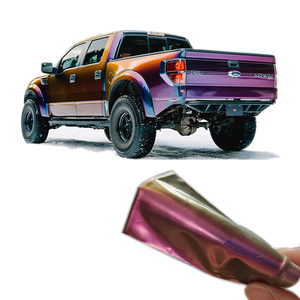
Changing your car’s color lets you express your personality. You can pick a color that fits your style.
This makes your car unique and easy to recognize in parking lots or on the street.
Credit: www.alibaba.com
Popular Paint Types
Changing the color of a car involves choosing the right paint type. Each paint type has unique features and uses. Knowing the popular paint types helps make a better choice for your vehicle.
This guide covers three common paint types: Acrylic Enamel, Urethane Paint, and Base Coat with Clear Coat. Learn the basics of each to understand their benefits and drawbacks.
Acrylic Enamel
Acrylic enamel paint is a traditional choice for cars. It dries to a hard, glossy finish and is easy to apply. This paint type is often used for older car models and restoration projects.
- Dries quickly
- Provides a shiny, durable surface
- Can be applied with a brush or spray
- Less expensive than newer paints
Urethane Paint
Urethane paint is popular for its strength and flexibility. It resists chips and scratches better than acrylic enamel. This paint type lasts longer and keeps its shine for years.
| Feature | Acrylic Enamel | Urethane Paint |
| Durability | Good | Excellent |
| Finish | Glossy | High Gloss |
| Cost | Lower | Higher |
| Application | Brush or spray | Spray only |
Base Coat And Clear Coat
This system uses two layers: a base coat for color and a clear coat for shine and protection. It creates a deep, glossy look that many modern cars have. The clear coat also protects the paint from UV rays and scratches.
- Rich, vibrant colors
- Long-lasting protection
- Easy to repair minor damages
- Provides a smooth, glass-like finish
Choosing The Right Color
Changing the paint color of your car is a big choice. The color you pick shows your style and affects your car’s look.
Think about the color carefully. It should match your personality and the car’s design.
Trendy Shades
Trendy colors are popular and modern. They can make your car stand out on the road.
These shades often change with fashion and seasons. Bright blues, metallic reds, and matte finishes are in style now.
- Bright blue adds energy and fun
- Metallic red looks bold and shiny
- Matte black gives a sleek, modern feel
Classic Colors
Classic colors never go out of style. They give your car a timeless and elegant look.
White, black, and silver are safe choices. These colors keep your car looking clean and neat.
- White reflects heat and looks fresh
- Black adds sophistication and depth
- Silver hides dirt and scratches well
Custom Color Options
Custom colors let you create a unique car look. You can mix shades or add special effects.
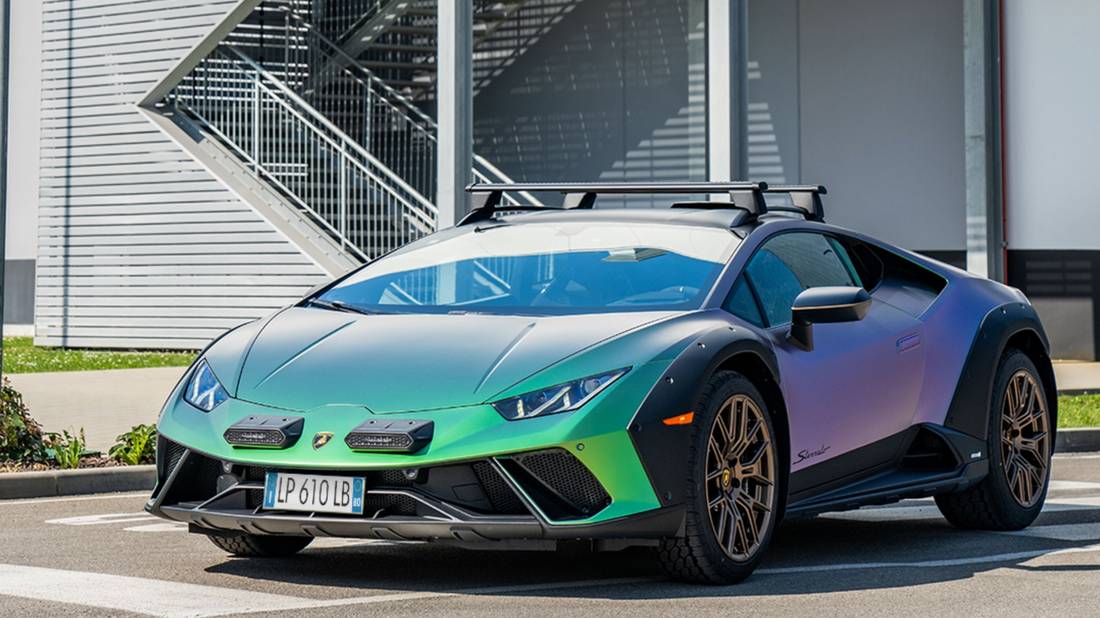
Some options include pearl, chameleon, and glow-in-the-dark paints. These make your car one of a kind.
- Pearl paint shines with a soft glow
- Chameleon colors change with the light
- Glow-in-the-dark paint is fun and rare
Preparation Steps
Changing the color of your car involves several careful steps. Proper preparation is key to achieving a smooth and long-lasting finish.
Let’s explore the essential preparation steps that ensure your car is ready for a fresh coat of paint.
Cleaning And Sanding
Start by thoroughly cleaning the car’s surface. This removes dirt and grease, which can affect paint adhesion. After cleaning, sanding the surface is crucial to create a rough texture for the primer to stick.
- Wash the car with soap and water.
- Use a degreaser to remove oil and grime.
- Sand the surface evenly with sandpaper.
Repairing Imperfections
Inspect the car for any dents or scratches. Fix these imperfections to ensure a smooth finish. Use filler to patch up small dents and sand again to even the surface.
Masking And Taping
Before painting, mask off areas that should not be painted. This includes windows, mirrors, and trim. Use high-quality tape to prevent paint seepage.
| Item | Purpose |
| Masking Tape | Protects edges from paint |
| Plastic Sheets | Covers large areas like windows |
| Newspaper | Covers wheels and tires |
Painting Techniques
Changing the color paint on cars requires careful technique. Using the right methods improves the final look. This guide covers key painting techniques for a smooth finish.
Understanding how to spray paint, use paint guns, and apply clear coats will help you achieve a professional result. These steps are important for durability and shine.
Spray Painting Basics
Spray painting is a common method to cover car surfaces evenly. It uses fine mist to apply paint layers. Proper surface cleaning and preparation are essential before spraying.
- Clean and sand the car surface
- Use a primer to help paint stick
- Keep the spray can or gun moving steadily
- Apply thin, even coats
- Allow each coat to dry before the next
Using Paint Guns
Paint guns give better control than spray cans. They allow adjustment of spray patterns and paint flow. Using a paint gun needs some practice to avoid drips and runs.
| Paint Gun Setting | Purpose |
| Fan Width | Controls spray width |
| Fluid Flow | Adjusts paint amount |
| Air Pressure | Affects paint atomization |
Applying Clear Coat
Clear coat protects the paint and adds shine. It also helps the color last longer and resist scratches. Apply clear coat in thin layers to avoid runs.
- Wait until the paint fully dries
- Spray clear coat evenly over the surface
- Apply two to three thin layers
- Let each layer dry before the next
- Use a fine sanding block if needed between layers
Credit: www.hotcars.com
Diy Vs Professional Paint Jobs
Changing the color of your car can give it a fresh look. You can do it yourself or hire a professional. Each choice has its own pros and cons.
We will look at costs, quality, and time needed for both DIY and professional paint jobs.
Cost Comparison
DIY paint jobs usually cost less upfront. You only buy paint and tools. Professional jobs charge for labor and materials.
| Type | Average Cost | Notes |
| DIY | $100 – $500 | Paint, primer, basic tools |
| Professional | $1,000 – $5,000+ | Includes labor, prep, and materials |
Quality And Durability
Professional paint jobs offer higher quality. They use better materials and have expert preparation. DIY jobs may miss spots or have uneven layers.
- Professionals use spray booths for dust control
- DIY jobs may lack proper sanding and priming
- Professional paints last longer and resist chips
- DIY paint can fade or peel faster
Time Investment
DIY painting takes more time overall. You learn, prep, paint, and clean on your own. Professionals finish faster with teams and tools.
- DIY may take several weekends to complete
- Professionals can finish in a few days
- DIY needs extra time for mistakes and fixes
- Professional work includes drying and curing time
Maintaining Your New Paint
Changing the color of your car’s paint is exciting. Keeping it fresh and bright takes care and attention. Proper maintenance helps your new paint stay shiny and strong.
Simple steps like washing, waxing, and avoiding damage protect your car’s look. Follow these tips to keep your paint in top shape.
Washing Tips
Wash your car often to remove dirt and grime. Use gentle soap made for cars. Avoid harsh chemicals that can harm the paint.
- Use a soft sponge or cloth
- Wash in the shade to prevent water spots
- Rinse thoroughly to remove soap
- Dry with a clean microfiber towel
Waxing And Polishing
Waxing adds a protective layer over your paint. Polishing helps remove small scratches and shine the surface. Both keep your paint looking new longer.
| Task | Frequency | Benefit |
| Waxing | Every 3 months | Protects paint from sun and dirt |
| Polishing | Once or twice a year | Removes minor scratches and restores shine |
Avoiding Damage
Protect your paint from scratches, chips, and stains. Careful driving and parking help keep your paint safe. Watch out for harsh weather and bird droppings.
- Park in shaded or covered areas
- Use a car cover if parked outside for long
- Clean bird droppings and tree sap immediately
- Drive carefully to avoid gravel and road debris
Legal And Insurance Considerations
Changing the color of your car is exciting. But there are legal and insurance factors to consider.
Make sure you update your car’s registration and insurance policies. This helps avoid any legal issues.
Registration Updates
After changing your car’s color, update your vehicle registration. This is important for accurate records.
Visit your local DMV office. Bring the necessary documents to report the color change.
- Fill out the color change form
- Provide proof of ownership
- Show identification
Insurance Policy Changes
Inform your insurance company of the new car color. This can affect your policy terms.
Some insurers may adjust your premium. Ensure your policy reflects the correct car color.
- Contact your insurance agent
- Update your policy information
- Review any changes in coverage
Creative Paint Effects
Changing the color paint on cars opens many creative options. Different finishes and styles can make a car stand out. This guide explores popular creative paint effects.
From shiny metallics to unique wraps, each effect adds character. Choose the right style to match your taste and car personality.
Metallic And Pearl Finishes
Metallic and pearl finishes add a sparkling shine to car paint. Metallic paint contains tiny metal flakes that reflect light. Pearl finishes use ceramic crystals for a soft glow.
- Metallic paint shines brightly in sunlight
- Pearl finishes change color slightly from different angles
- Both finishes hide scratches better than plain paint
- They often cost more but give a premium look
Matte And Satin Looks
Matte and satin paints offer a smooth, non-shiny surface. Matte is flat with no gloss. Satin has a soft sheen, between matte and gloss.
| Finish Type | Appearance | Care Needed |
| Matte | Flat, no shine | Use special cleaners, avoid wax |
| Satin | Soft glow | Easier to clean than matte |
Custom Graphics And Wraps
Custom graphics and wraps add art or patterns to cars. Wraps use vinyl sheets to cover the paint. Graphics can include stripes, logos, or full designs.
Benefits of Car Wraps:
- Protect original paint from scratches
- Easy to change designs without repainting
- Wide range of colors and textures
- Can be removed without damage
Credit: carbuzz.com
Frequently Asked Questions
How Much Does Changing Car Paint Cost?
The cost varies by car size and paint type. On average, expect $1,000 to $5,000. Premium finishes or custom jobs cost more. Labor and materials are key price factors. Always get multiple quotes from professional shops.
How Long Does A Car Paint Change Take?
A complete paint change usually takes 3 to 7 days. Time depends on prep work, paint layers, and drying. Complex colors or designs may extend the process. Proper curing ensures durability and finish quality.
Can I Change My Car’s Color Legally?
Yes, but rules vary by location. Notify your DMV after a color change. Update your registration and insurance details accordingly. Some states require inspection or approval. Check local laws before painting your car.
What Paint Types Are Best For Cars?
Urethane paints are durable and glossy, ideal for cars. Acrylic enamel is affordable but less durable. Basecoat/clearcoat systems offer vibrant colors and protection. Choose based on budget, finish preference, and longevity needs.
Conclusion
Changing your car’s paint color can refresh its look and feel. It lets you express your style or protect the vehicle’s surface. Choose a trusted professional to ensure a smooth and lasting finish. Remember to check local laws about color changes.
Keep your car clean and waxed to maintain the new paint’s shine. Small steps make a big difference. Enjoy the new color and drive safely!







