
Have you ever wondered why so many cars have tinted windows? It’s not just about style—tinted windows can protect your privacy, keep your car cooler, and even boost your safety.
If you want to know which cars come with the best factory-tinted windows or how tinting can change your driving experience, you’re in the right place. Keep reading, and you’ll discover everything you need to make your car look great and feel more comfortable every time you hit the road.
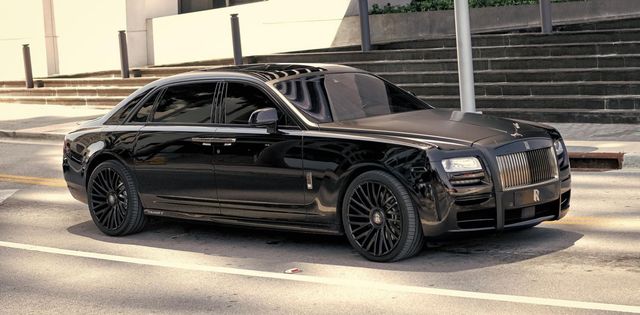
Credit: www.flyingwindowtinters.com
Benefits Of Tinted Windows
Tinted windows on cars offer many useful benefits. They can improve your driving experience and protect you in several ways.
From privacy to comfort, tinted windows add value to your vehicle. Here are the key benefits to know about.
Enhanced Privacy
Tinted windows make it hard for others to see inside your car. This keeps your belongings safe and your conversations private.
Privacy is important in crowded places or busy streets. Tinted windows help you feel secure and less exposed.
Uv Protection
Tinted windows block many harmful UV rays from the sun. These rays can damage your skin and cause your car’s interior to fade.
Protecting yourself and your car from UV rays helps keep you healthy and your vehicle looking new longer.
Heat Reduction
Tinted windows reduce the heat inside your car. This keeps the cabin cooler, especially on hot days.
Lower heat means you can use air conditioning less. This can save fuel and make driving more comfortable.
Glare Minimization
Tinted windows cut down glare from the sun and headlights. This helps you see better while driving.
Reducing glare lowers eye strain and makes night and day driving safer and easier.
Aesthetic Appeal
Tinted windows give your car a sleek and stylish look. Many people like how tinting enhances their vehicle’s appearance.
This simple change can make your car stand out and feel more modern and polished.
Credit: autoexpert.com.au
Types Of Window Tints
Cars with tinted windows look stylish and keep the inside cool. Different types of window tints offer various benefits. Some block heat, others cut glare or add privacy.
Knowing the types helps you pick the best tint for your car. Each type uses different materials and methods for shading.
Dyed Window Tint
Dyed window tint has a layer of dye that absorbs sunlight. It reduces glare and keeps your car cooler. It is one of the cheapest tint options.
This tint can fade over time and may not block heat as well as others. It is good for basic privacy and looks.
Metallic Window Tint
Metallic window tint uses tiny metal particles. These metals reflect heat and sunlight away from the car. It is strong and lasts longer than dyed tint.
It can interfere with electronic signals like GPS or phone reception. This tint is good if you want strong heat protection.
Carbon Window Tint
Carbon window tint contains carbon particles that block heat and UV rays. It does not fade and offers a smooth black finish. This tint also keeps your car cooler.
It does not affect signals like metallic tint. Carbon tint is a popular choice for style and heat control.
Ceramic Window Tint
Ceramic window tint has tiny ceramic particles that block heat and UV rays very well. It does not fade or block signals. It is the most effective type for heat control.
This tint is more expensive but offers strong protection and clear visibility. Ceramic tint is best for comfort and safety.
Hybrid Window Tint
Hybrid window tint mixes dyed and metallic layers. It offers good heat rejection and a natural look. This tint reduces fading and signal problems.
It is a balanced option for those who want style, heat control, and fewer issues with electronics.
Legal Restrictions
Tinted windows on cars can make driving safer by reducing glare. But laws limit how dark the tint can be. These rules protect drivers and pedestrians.
Each place has its own rules. Knowing these rules helps you avoid fines or having to remove your tint.
Tint Darkness Limits
Most laws set a maximum darkness for window tints. This means the tint cannot block too much light. Darker tints reduce visibility for other drivers and police.
Limits usually vary by which window is tinted. Front windows often have lighter tint limits than rear windows.
- Front side windows often must allow 50% or more light through
- Rear side and back windows may have darker tints allowed
- Windshields usually have the strictest limits or no tint allowed
Visible Light Transmission Rules
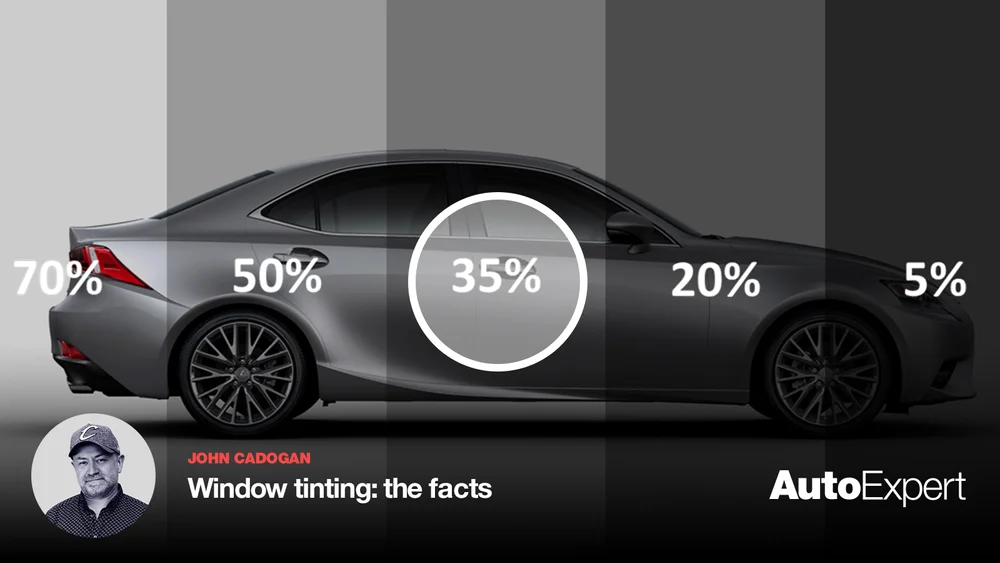
Visible Light Transmission (VLT) is the percentage of light that passes through the tinted window. Higher VLT means lighter tint.
Legal VLT limits vary by window type. Police use VLT to check if your tint is legal during stops.
- Minimum VLT for front side windows is often 70% or 50%
- Rear windows may allow VLT as low as 20% or 35%
- Windshields may only allow tint on the top strip
State And Country Variations
Rules for window tinting differ a lot depending on where you live. Each state or country sets its own laws.
Some places allow very dark tints on rear windows but restrict front windows more strictly. Others have uniform rules for all windows.
| Location | Front Side VLT | Rear Side VLT |
|---|---|---|
| California, USA | 70% | No limit |
| Texas, USA | 25% | 25% |
| Ontario, Canada | 70% | 35% |
| United Kingdom | No tint allowed on front windows | No limit |
Penalties For Non-compliance
Breaking tint laws can cause fines or orders to remove illegal tint. Police may stop drivers with illegal tints.
Repeated offenses can lead to higher fines or vehicle inspection failures. Always check local rules before tinting windows.
- Fines range from $50 to several hundred dollars
- Police may require removal of illegal tint
- Vehicle may fail safety inspections
- Some places allow warnings for first offenses
Choosing The Right Tint
Tinted windows add style and comfort to your car. Picking the right tint helps protect you and your vehicle.
Think about your climate, car style, budget, and how to install the tint before buying.
Considering Climate
Climate affects how well your tint works. Dark tints block sunlight and heat better in hot places.
- In hot climates, choose tints that block UV rays and heat.
- In cooler areas, lighter tints help keep warmth inside.
- Check local laws about how dark your tint can be.
Matching Car Style
Your car’s look matters when picking a tint. Some tints fit better with certain colors and designs.
| Car Color | Recommended Tint Shade |
| Black | Medium to Dark |
| White | Light to Medium |
| Silver | Light |
| Red | Medium |
Budget Factors
Price affects what tint you can choose. Higher quality tints cost more but last longer.
- Set a budget before shopping for tint films.
- Consider long-term savings with durable, high-quality tints.
- Remember to include installation costs if hiring a pro.
Professional Vs Diy Installation
Decide if you want to install the tint yourself or hire a professional.
DIY Installation Pros:Save money, learn a new skill.
DIY Installation Cons:Risk of bubbles or mistakes.
Professional Installation Pros:Clean, smooth finish, saves time.
Professional Installation Cons:Higher cost.
Maintaining Tinted Windows
Tinted windows add style and privacy to your car. Keeping them clean and damage-free helps them last longer.
Follow simple care steps to protect the tint and keep your car looking great.
Cleaning Tips
Use gentle methods to clean tinted windows. Avoid harsh chemicals or tools that may scratch the tint.
- Use a soft cloth or microfiber towel
- Choose a mild soap mixed with water
- Spray the solution on the cloth, not directly on the glass
- Wipe gently to avoid peeling or scratches
- Dry with a clean, dry cloth to prevent streaks
Avoiding Damage
Protect your tinted windows from damage by following simple rules. Avoid pressure and heat that can harm the film.
| Cause | Effect on Tint | Tip |
| High heat from sun | Fading or bubbling | Park in shade or use window covers |
| Sharp objects | Scratches or tears | Keep items away from windows |
| Harsh chemicals | Discoloration | Use only approved cleaners |
| Automatic car washes | Peeling or lifting | Use hand wash or touchless washes |
Repairing Scratches And Peels
Small scratches or peeling can reduce tint quality. Fix issues quickly to prevent more damage.
Here are tips to repair minor tint damage:
- Use a tint repair kit for small scratches
- Clean the area before applying any repair solution
- For peeling edges, carefully press down or use clear adhesive
- Replace large damaged sections with professional help
Popular Cars With Factory Tints
Many car enthusiasts love cars with factory tints. Tinted windows offer privacy and style.
Factory tints are available on many car models. They enhance the vehicle’s appearance.
Luxury Sedans
Luxury sedans often come with factory tints. These cars blend elegance and privacy.
- BMW 7 Series
- Mercedes-Benz S-Class
- Audi A8
Suvs And Crossovers
SUVs and crossovers are popular family cars. Factory tints are common for added comfort.
| Model | Feature |
| Toyota Highlander | Rear privacy glass |
| Ford Explorer | Solar-tinted glass |
| Honda CR-V | Privacy windows |
Sports Cars
Sports cars with factory tints look sleek. They provide a stylish edge for drivers.
Porsche 911 and Corvette are top picks with factory tints.
Electric Vehicles
Electric vehicles are eco-friendly. Many offer tinted windows as a standard feature.
- Tesla Model S
- Nissan Leaf
- Chevrolet Bolt
Common Myths About Tinted Windows
Tinted windows are popular for their stylish look and privacy. However, there are many myths about their safety and legality. Let’s explore these myths and uncover the truth.
Understanding the facts about tinted windows can help you make informed decisions. It’s important to separate myths from reality to ensure both safety and compliance with laws.
Tinted Windows And Safety
Some people think tinted windows are unsafe. They worry that dark windows might shatter easily. In reality, tinting can strengthen the glass and help prevent shattering during accidents.
Tints can also protect you from harmful UV rays. This helps in reducing skin damage and keeping the car interior cooler. Safety improves with proper tint application.
Tinted Windows And Visibility
Many believe that tinted windows reduce visibility. They think it makes driving difficult, especially at night. Quality tints are designed to maintain clear visibility while providing shade.
Good quality tinting does not interfere with your ability to see clearly. It actually reduces glare from the sun and headlights, making driving safer and more comfortable.
Tinted Windows And Police Stops
People often worry about police stops due to tinted windows. Some think that any tint will lead to a ticket. The truth is, legal tint levels vary by state, and following these laws can prevent issues.
It’s important to know the legal tint percentage in your area. Compliance with these regulations will help you avoid unnecessary fines or stops by law enforcement.
- Check local tint laws before installation
- Ensure the tint is within legal limits
- Keep documentation of your tint’s legality

Credit: metrorestyling.com
Frequently Asked Questions
Are Tinted Windows Legal On All Cars?
Tint laws vary by state and country. Check local regulations before tinting your car windows to avoid fines or penalties.
What Are The Benefits Of Tinted Car Windows?
Tinted windows reduce heat, protect from UV rays, enhance privacy, and improve vehicle aesthetics and comfort.
Can Tinted Windows Affect Driving Safety?
Properly installed tints reduce glare and improve visibility. However, excessively dark tints can impair night driving safety.
How Long Does Window Tinting Last?
Quality window tinting typically lasts 5 to 10 years, depending on material, installation, and exposure to sunlight.
Conclusion
Tinted windows offer privacy and protect from sunlight. They help keep the car cooler on hot days. Many people like the sleek look tinted windows give. Be sure to check local laws before tinting your car. Choose the right shade that fits your needs and style.
Tinted windows can add comfort and style to your ride. Consider them as a useful upgrade for your vehicle.







