
Have you ever stopped to think about how important your car windows really are? They do more than just let you see outside.
Your car windows protect you from the weather, keep you safe, and even add to your vehicle’s style. But are you taking good care of them? You’ll discover everything you need to know about car windows—from maintenance tips to the latest upgrades that can make your drive safer and more comfortable.
Keep reading to unlock simple secrets that can save you money and enhance your driving experience.
Types Of Car Windows
Car windows come in different types. Each type has a special use and design. Knowing them helps you understand your vehicle better.
Windows protect you from weather and keep the car safe. They also help with visibility while driving.
Front And Rear Windshields
The front windshield is the large glass at the front of the car. It protects the driver and passengers from wind and debris.
The rear windshield is at the back. It helps the driver see behind the car. Both windshields are made of strong safety glass.
- Usually made of laminated glass
- Designed to stay in place if broken
- Provides clear visibility
- Often has heating to remove frost
Side Windows
Side windows are the ones on the left and right sides of the car. They open and close to let air in or out.
Side windows are usually made of tempered glass. This glass breaks into small pieces to reduce injury in accidents.
- Includes front and rear side windows
- May have manual or electric controls
- Some have tint for sun protection
- Can be fixed or movable
Sunroofs And Moonroofs
Sunroofs and moonroofs are special windows on the roof of the car. They let light and air into the vehicle.
Sunroofs usually open fully. Moonroofs are often made of glass and may tilt or slide open. Both add comfort and style.
- Sunroofs: solid panels that open
- Moonroofs: glass panels that tilt or slide
- Can be manual or powered
- Provide extra ventilation and light

Credit: www.amazon.ca
Common Window Issues
Car windows can have several common problems. These issues can affect safety and comfort while driving.
Understanding these problems helps you know when to get your windows checked or repaired.
Cracks And Chips
Cracks and chips happen from rocks or debris hitting the window. Even small damage can spread and get worse.
It is important to fix cracks quickly to avoid bigger problems or window replacement.
- Small chips can often be repaired
- Cracks longer than a few inches may need full glass replacement
- Extreme temperature changes can make cracks grow
Window Regulator Problems
The window regulator controls the up and down movement of the window glass. It can wear out or break over time.
If the regulator fails, the window may not move or could get stuck halfway.
- Signs include slow window movement or strange noises
- Power windows may stop working completely
- Manual windows can become hard to crank
Stuck Or Jammed Windows
Windows can get stuck due to dirt, debris, or mechanical problems. This prevents smooth opening or closing.
Forcing a stuck window can cause more damage to the glass or motor.
- Check for debris in window tracks
- Lubricate the window tracks and seals
- Inspect for broken parts inside the door panel
Foggy Or Dirty Windows
Foggy windows reduce visibility and can be dangerous. Dirt and moisture build-up cause fogging inside and outside.
Cleaning and maintaining windows regularly keeps them clear and safe.
- Use glass cleaner to remove dirt and grime
- Check door seals to stop moisture entering
- Use defoggers or air conditioning to clear inside fog
Routine Window Maintenance
Keeping car windows in good shape helps them work well and last longer. Routine care stops small problems from turning into big repairs.
This guide shows easy ways to clean, lubricate, and check your car windows for damage.
Cleaning Techniques
Use soft cloths and mild cleaners to clean windows. Avoid harsh chemicals that can damage glass or seals.
- Spray glass cleaner on a cloth, not directly on the window.
- Wipe in circular motions to remove dirt and smudges.
- Clean both inside and outside surfaces.
- Dry windows with a clean microfiber cloth to avoid streaks.
Lubricating Window Tracks
Lubricate window tracks to keep windows moving smoothly. Use the right lubricant to avoid dirt buildup.
| Lubricant Type | Use | Notes |
| Silicone Spray | Window tracks | Water-resistant and clean |
| White Lithium Grease | Metal parts | Thicker, long-lasting |
| Avoid Oil-Based | N/A | Attracts dirt and dust |
Inspecting For Damage
Check windows and seals for cracks, chips, or leaks regularly. Early detection helps prevent costly repairs.
- Look for cracks or chips on glass surfaces.
- Check rubber seals for cracks or wear.
- Make sure windows open and close fully without sticking.
- Listen for unusual noises during window movement.
Diy Repair Tips
Car windows can get damaged or stuck over time. Fixing them yourself saves money and time. This guide offers simple repair tips you can do at home.
These tips cover fixing small cracks, replacing seals, and unjamming stuck windows. You do not need special tools or skills to try these repairs.
Fixing Small Cracks And Chips
Small cracks and chips can grow if not treated. Repair kits are available at most stores. They help stop damage and improve window safety.
Clean the damaged area before applying resin. Follow the kit instructions carefully. Let it dry fully for best results.
- Clean window with glass cleaner
- Remove loose glass pieces gently
- Apply resin from the repair kit
- Use curing strip to dry resin
- Remove excess resin after drying
Replacing Window Seals
Window seals keep water and air from entering your car. Old seals can crack or wear out. Replacing them improves comfort and stops leaks.
Remove the old seal carefully. Clean the window frame before placing the new seal. Press it firmly to fit tightly around the glass.
- Pull out old seal from frame
- Clean frame of dirt and old glue
- Measure and cut new seal to size
- Fit new seal into window channel
- Press firmly to secure seal in place
Unjamming Stuck Windows
Windows can get stuck from dirt or dry parts. Cleaning and lubricating the tracks can help. Check for broken parts if the problem stays.
Use a soft cloth and mild cleaner to remove dirt. Apply silicone spray or grease to tracks. Move the window up and down to spread the lubricant.
- Clean window tracks with a brush
- Remove debris blocking the window
- Spray lubricant inside the tracks
- Operate window to spread lubricant
- Check for damaged parts if stuck remains
When To Seek Professional Help
Car windows can get damaged in many ways. Some problems are easy to fix. Others need a professional’s touch.
Knowing when to call an expert can save you time and money. It also keeps you safe on the road.
Severe Damage
Cracks or shattered glass need quick attention. Large cracks can spread and cause the window to break.
Professionals can replace or repair the glass safely. Trying to fix severe damage yourself can be dangerous.
Electrical Window Issues
Power windows may stop working due to motor or wiring problems. If the window won’t move up or down, it may need repair.
A professional can diagnose electrical faults. They have the tools to fix motors, switches, and wiring safely.
Window Replacement Services
Sometimes, window damage is too bad for repairs. In these cases, full window replacement is necessary.
Experts remove the old glass and install new windows. They ensure a tight fit that protects you from weather and theft.
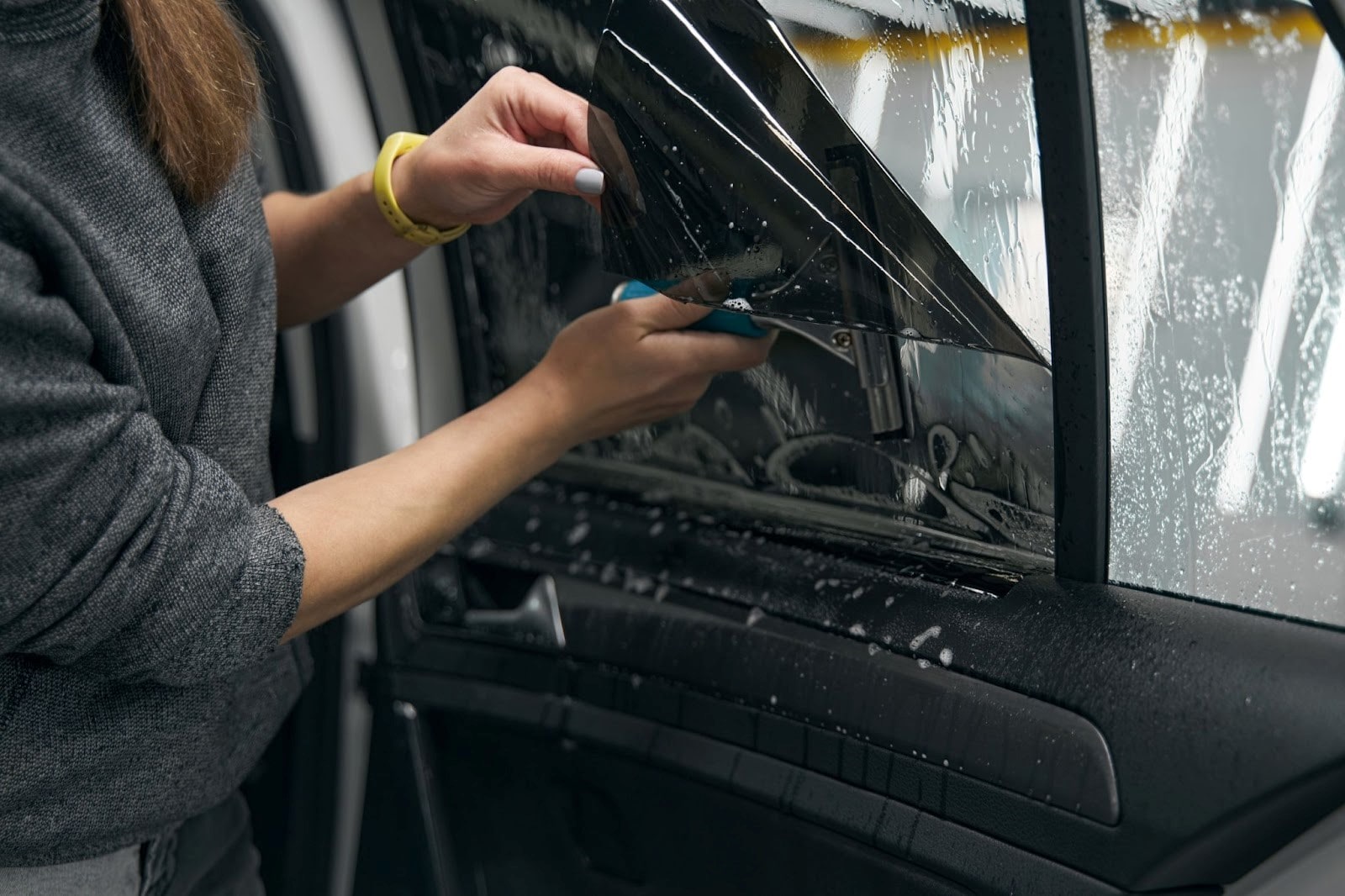
Credit: protexcanada.com
Preventive Measures
Car windows need protection to last longer and remain clear. Taking preventive steps can help maintain their condition.
Learn how to shield your car windows from weather, drive safely, and use window covers effectively.
Protecting Windows From Weather
Weather elements like rain and sun can damage car windows. Use these tips to protect them.
- Apply a weather-resistant sealant to the windows.
- Park your car in a garage or use a car cover.
- Clean windows regularly to remove dirt and debris.
Safe Driving Practices
Safe driving helps keep car windows in good shape. Follow these practices for better window care.
- Maintain a safe distance from other vehicles to avoid debris.
- Use windshield wipers properly to prevent scratches.
- Avoid sudden stops that could stress the glass.
Using Window Covers And Shades
Window covers and shades provide extra protection and comfort. Discover how they can benefit your car.
| Cover Type | Benefit |
| Sunshades | Reduce interior heat |
| Frost covers | Prevent ice build-up |
| Tinted films | Block UV rays |

Credit: flexfilmstore.com
Frequently Asked Questions
What Materials Are Car Windows Made Of?
Car windows are usually made from tempered or laminated glass. Tempered glass shatters safely, while laminated glass prevents shattering. These materials ensure passenger safety and durability against impacts.
How Do Car Windows Protect Against Uv Rays?
Car windows have UV-resistant coatings that block harmful rays. This reduces interior fading and protects passengers from skin damage. UV protection enhances comfort and prolongs the car’s interior life.
Why Do Car Windows Fog Up Inside?
Fog forms when warm, moist air meets cold glass. This causes water vapor to condense on the window surface. Using defoggers or air conditioning helps clear fog quickly.
How Can I Fix A Stuck Car Window?
A stuck window can result from motor or regulator issues. Check the fuse and switch first. If those work, the motor or regulator likely needs repair or replacement.
Conclusion
Car windows protect you from weather and noise every day. They help keep your car cool and safe. Regular care makes windows last longer and work better. Small cracks or chips should get fixed quickly. Clear windows improve your view and driving safety.
Choose the right tint for comfort and privacy. Simple steps keep your car windows in good shape. Drive safely with clean, strong windows all year.







