
Have you ever wondered what car window tint percentages really mean? Choosing the right tint isn’t just about style—it affects your comfort, privacy, and even safety.
But with so many options and confusing numbers, it’s easy to feel lost. You’ll discover how to decode those percentages and find the perfect tint for your needs. Keep reading, because understanding this simple detail can change the way you drive and protect your car every day.

Credit: visionglasstoronto.com
Car Window Tint Basics
Car window tint is a thin film applied to car windows. It reduces sunlight and heat inside the car.
Tint also adds privacy and protects against UV rays. Different tint percentages show how dark the tint is.
What Tint Percentage Means
Tint percentage shows how much light passes through the window. It is called Visible Light Transmission (VLT).
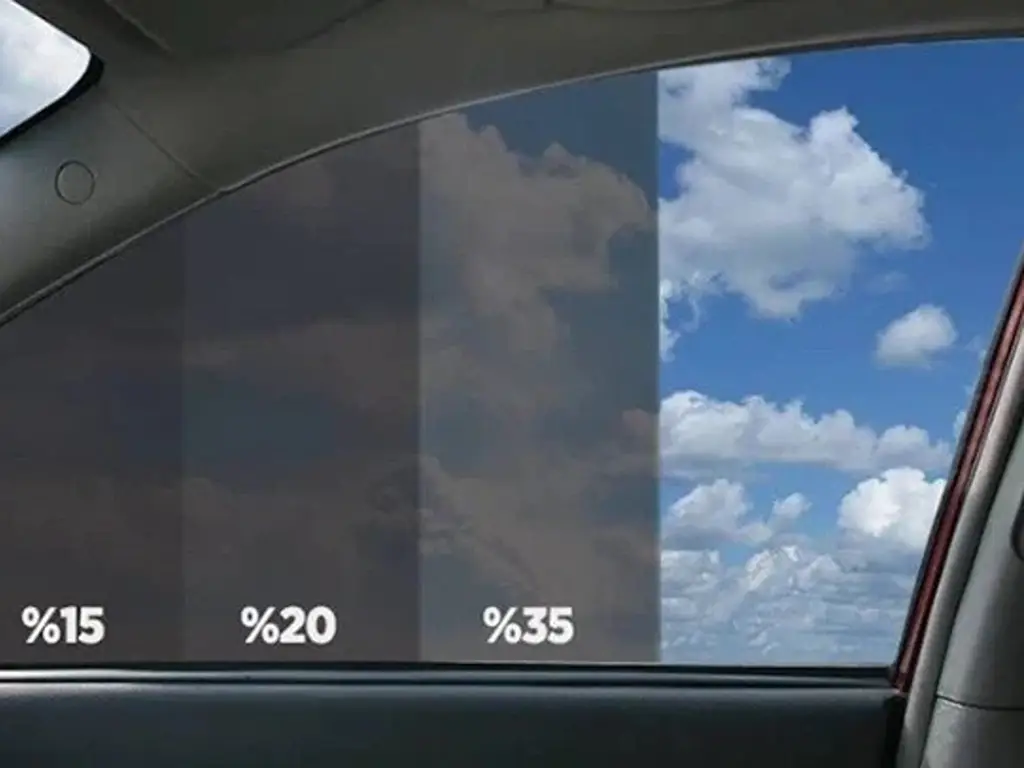
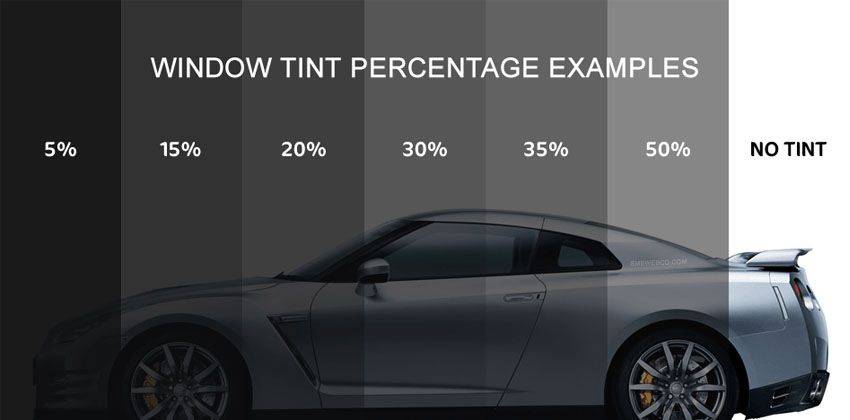
A lower percentage means darker tint. For example, 20% tint lets in 20% of light and blocks 80%.
Common Tint Percentages Explained
People use different tint percentages for various reasons. Some want more privacy, others want less heat.
| Tint Percentage | Light Allowed In | Common Use |
|---|---|---|
| 50% | 50% light | Light tint, basic glare reduction |
| 35% | 35% light | Medium tint, good privacy and heat control |
| 20% | 20% light | Dark tint, high privacy and heat block |
| 5% | 5% light | Very dark tint, used for rear windows |
Legal Limits By Region
Car window tinting can protect you from the sun and improve privacy. Different regions have rules about how dark tints can be.
These rules set limits on the amount of light that must pass through your car windows. Following these laws helps avoid fines and keeps you safe.
Tint Laws In The Us
The US has varying tint laws depending on the state. Each state sets the minimum visible light transmission (VLT) percentage allowed.
Usually, the front side windows must allow more light than rear windows. Some states also regulate the reflectiveness of the tint.
| State | Front Side Windows VLT | Rear Side Windows VLT |
|---|---|---|
| California | 70% | No limit |
| Florida | 28% | 15% |
| New York | 70% | Any darkness |
| Texas | 25% | 25% |
European Tint Regulations
In Europe, window tint rules vary by country but are generally strict. The front windshield must allow most light through.
Many countries require at least 70% VLT on front side windows. Rear windows often have fewer restrictions.
- Germany: Front side windows must have at least 70% VLT
- France: No tint allowed on front windshield; rear windows allowed
- UK: No tint on front side windows below 75% VLT
- Italy: Similar to Germany, 70% VLT minimum on front sides
Rules In Other Countries
Other countries also have tint laws but they differ widely. Some nations allow darker tints for privacy or safety.
It is important to check local laws before tinting your car windows abroad.
- Australia: Front side windows must have at least 35% VLT
- Japan: Front side windows require 70% VLT or more
- Canada: Tint laws vary by province; most require 70% VLT on front sides
- United Arab Emirates: Tints allowed but must not block more than 50% of light
Benefits Of Different Tint Levels
Car window tinting changes how much light and heat enter your vehicle. Different tint percentages offer various benefits. Choosing the right tint can improve comfort and safety.
This guide explains how tint levels affect heat protection, privacy, looks, and glare reduction.
Heat And Uv Protection
Dark tints block more sunlight and reduce heat inside the car. They also protect your skin from harmful UV rays.
- Higher tint percentages (darker) block up to 99% of UV rays.
- They keep the car cooler on hot days.
- Lighter tints reduce glare while still letting some sunlight in.
- Protecting the interior prevents fading and cracking.
Privacy And Security
Darker tints make it harder for others to see inside your car. This adds privacy and can deter theft.
| Tint Percentage | Privacy Level |
| 5% | Very High |
| 20% | High |
| 35% | Moderate |
| 50% | Low |
| 70% | Minimal |
Aesthetic Appeal
Tints change the look of your car. Darker shades give a sleek, modern style. Lighter tints offer a subtle, clean appearance.
Tip:Choose a tint level that matches your car’s color and your personal style.
Glare Reduction
Tinted windows cut down bright light that causes glare. This makes driving safer, especially in sunny or rainy conditions.
- Darker tints reduce glare from headlights and the sun.
- They improve vision and lower eye strain.
- Lighter tints still help but keep more visibility.
Credit: www.clearpro.com
Choosing Tint Percentages For Each Window
Choosing the right tint percentage for your car windows helps control heat and privacy. Each window may need a different tint level.
Understanding the rules and benefits for each window ensures a good balance of comfort and safety.
Front Side Windows
Front side windows usually have stricter tint laws. Light tinting is common to keep visibility clear for safety.
- Most states allow 35% to 50% tint here.
- Lighter tints help avoid glare and keep driving safe.
- Dark tints on front windows may be illegal in some places.
Rear Side Windows
Rear side windows often allow darker tints to increase privacy. You can choose a higher tint percentage here.
| Tint Percentage | Benefit |
| 20% – 35% | Good privacy and heat reduction |
| 5% – 20% | Maximum privacy but less visibility |
| Above 35% | Less privacy but more light inside |
Back Window
The back window tint level can match rear side windows. It helps with heat control and privacy on long drives.
- Common tint levels are 20% to 35%.
- Darker tints improve privacy but reduce rear visibility.
- Check local laws before choosing dark tints here.
Windshield Tinting Options
Windshield tinting usually follows strict rules. Most places only allow tint on the top strip or none at all.
| Type | Description | Common Tint Percentage |
|---|---|---|
| Top Strip | Dark strip at windshield top to block sun glare | 20% – 30% |
| Full Windshield | Usually not allowed except for special films | Clear or very light tint |
Factors Influencing Tint Choice
Choosing the right car window tint percentage depends on many factors. Each factor helps decide how dark or light the tint should be.
Understanding these factors will help you pick the best tint for your needs and comfort.
Climate And Weather
Climate plays a big role in tint choice. In hot places, darker tints can block more sunlight and heat.
In colder areas, lighter tints may help keep the car warmer by letting in sunlight.
- Darker tints reduce glare and heat in sunny climates
- Lighter tints allow more light in cold regions
- Consider local laws about tint darkness
Vehicle Type And Usage
Different vehicles need different tint levels. A family car may need more privacy and sun protection.
Sports cars or daily drivers might prefer tints that improve style and reduce glare.
- Family cars benefit from medium to dark tints for privacy
- Sports cars often use lighter tints for a sleek look
- Commercial vehicles may need legal tint limits for safety
Personal Preferences
Your personal taste affects tint choice. Some like very dark tints for privacy and style.
Others prefer lighter tints for better outside visibility and less darkness inside.
- Privacy: darker tints block view from outside
- Visibility: lighter tints keep inside brighter
- Style: tint color and darkness add to car’s look
Credit: www.zigwheels.my
Common Mistakes To Avoid
Many people want to tint their car windows for privacy and style. But, they often make mistakes that can cause problems. Knowing what to avoid can save you time and money.
Understanding these mistakes helps you choose the right tint percentage. It also ensures your car is safe and looks great.
Choosing Illegal Tints
Some people pick tints that are too dark. This can be illegal in many places. Laws vary by state, so always check the rules before you buy.
Illegal tints can lead to fines or having to remove the tint. It’s best to choose a legal option to avoid these issues.
- Check local tint laws
- Choose a tint within legal limits
- Keep documentation for proof
Ignoring Visibility And Safety
Dark tints can make it hard to see, especially at night. Poor visibility increases the risk of accidents. Always consider safety when selecting tint percentages.
Make sure your tint provides enough visibility. This keeps you safe and helps others see your signals.
- Test visibility in various lighting conditions
- Ensure clear view through rear and side mirrors
- Consider professional advice for best results
Overlooking Maintenance Needs
Tinted windows need regular care to stay in good shape. Some people forget this and their tints get damaged. Proper maintenance extends the life of your tint.
Use gentle cleaners to avoid scratches. Be careful when rolling windows up or down.
- Clean with soft cloths and mild soap
- Avoid using sharp objects near tints
- Check for bubbles or peeling regularly
Installation And Maintenance Tips
Car window tinting enhances privacy and reduces glare. Proper installation and maintenance are key to lasting results.
Explore the differences between professional and DIY tinting. Learn how to care for and know when to replace your tint film.
Professional Vs Diy Installation
Choosing between professional and DIY tinting affects quality and cost. Consider your skills before deciding.
- Professional installation offers expert precision.
- DIY kits can save money but require patience.
- Improper installation may lead to bubbling.
Caring For Tinted Windows
Maintaining tinted windows ensures they remain clear and effective. Care tips can help avoid damage.
- Use gentle, ammonia-free cleaners.
- Avoid scraping or scratching the surface.
- Let windows dry naturally after cleaning.
When To Replace Tint Film
Window tint film doesn’t last forever. Recognize the signs when replacement is needed.
| Signs | Action |
| Fading | Consider replacement |
| Bubbling | Replace immediately |
| Peeling | Seek professional advice |
Frequently Asked Questions
What Do Car Window Tint Percentages Mean?
Car window tint percentages indicate the amount of visible light allowed through. Lower percentages mean darker tint and less light. Higher percentages mean lighter tint and more light. It helps control heat, glare, and privacy in your vehicle.
How Does Tint Percentage Affect Visibility?
Lower tint percentages reduce visibility from outside but may limit your view. Higher percentages offer clearer visibility both ways. Choosing the right tint balances privacy and safety while complying with laws.
What Is The Legal Tint Percentage For Car Windows?
Legal tint percentages vary by state or country. Most places require front side windows to allow 50% or more light. Rear windows often have more leniency. Always check local regulations before tinting.
Does A Lower Tint Percentage Block More Uv Rays?
Yes, lower tint percentages usually block more UV rays. Quality tints can block up to 99% of harmful UV rays. This protects skin and reduces interior fading.
Conclusion
Choosing the right car window tint percentage matters a lot. It affects your comfort, privacy, and safety. Darker tints block more sunlight but may limit visibility. Lighter tints offer some shade while keeping views clear. Check local laws before tinting your windows.
This helps avoid fines and legal trouble. Remember, a good tint balances style and function well. Think about your needs and car type. This way, you get the best look and protection. Tint smartly for a better driving experience every day.







