
Have you ever felt uncomfortable in your car because of harsh sunlight or unwanted heat? Car window tint film could be the simple solution you need.
It not only protects you from glare and UV rays but also adds privacy and style to your vehicle. If you want to improve your driving experience and keep your car cooler, understanding the benefits and options of window tint film is a smart move.
Keep reading to discover how this small upgrade can make a big difference for you and your car.
Benefits Of Car Window Tint
Car window tint film adds a layer of protection to your vehicle’s windows. It offers many advantages that improve your driving experience.
This guide explains key benefits of using car window tint films on your vehicle.
Enhanced Privacy And Security
Window tint makes it harder for people to see inside your car. This protects your belongings from prying eyes. It also adds a layer of security by holding glass pieces together if broken.
Uv Ray Protection
Tint film blocks harmful ultraviolet (UV) rays from the sun. This helps protect your skin and keeps your car’s interior from fading or cracking over time.
- Blocks up to 99% of UV rays
- Prevents skin damage and sunburn
- Protects dashboard and seats from sun damage
Heat Reduction
Tinted windows reduce the heat inside your car by reflecting sunlight. This keeps the interior cooler and can lower the need for air conditioning.
| Benefit | Effect |
| Heat Reduction | Keeps car cooler inside |
| Energy Saving | Reduces air conditioner use |
| Comfort | Improves driving experience |
Glare Minimization
Window tint reduces glare from the sun and headlights. This improves visibility and lowers eye strain while driving.
Improved Aesthetics
Tinted windows give your car a sleek and stylish look. Many drivers choose tint to make their vehicle stand out on the road.
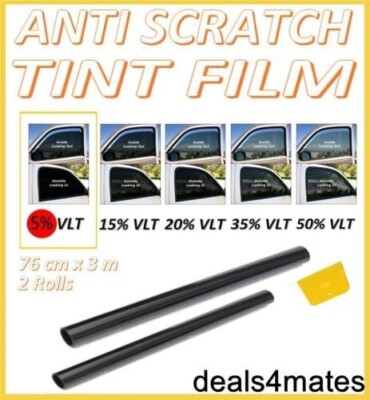
Credit: www.ebay.com
Types Of Tint Films
Car window tint films come in different types. Each type has unique features and benefits.
Choosing the right tint film depends on your needs and budget. Here are the main types of tint films.
Dyed Window Films
Dyed window films use a layer of dye to block sunlight. They reduce glare and heat inside the car.
These films are affordable and provide a dark look. They may fade over time due to sun exposure.
Metalized Window Films
Metalized films have tiny metal particles. These particles reflect heat and UV rays away from the car.
They are strong and help improve window strength. Metalized films can cause signal interference.
Carbon Window Films
Carbon films use carbon particles to block heat and UV light. They do not fade or change color.
These films give a matte finish. They also reduce glare and keep the car cooler.
Ceramic Window Films
Ceramic films contain tiny ceramic particles. They block heat and UV rays without affecting signals.
These films are durable and clear. They provide strong heat rejection and UV protection.
Hybrid Window Films
Hybrid films combine dyed and metalized layers. This mix offers good heat rejection and a clear look.
They reduce fading and signal issues. Hybrid films balance cost and performance well.
Choosing The Right Tint Shade
Car window tint film can improve your ride’s look and comfort. Picking the right shade matters for safety and style.
Some tints are darker, some lighter. The right shade depends on rules, privacy needs, and weather.
Legal Tint Limits
Each state or country sets rules about how dark your tint can be. These laws keep drivers safe by making sure windows are not too dark.
Check local laws before picking a tint shade. Using illegal tint can lead to fines or having to remove the film.
- Front side windows usually have lighter tint limits
- Rear side and back windows often allow darker tint
- Windshield tinting is often only allowed at the top strip
- Tint darkness is measured by Visible Light Transmission (VLT)
Balancing Visibility And Privacy
Dark tint offers more privacy but can reduce visibility, especially at night. Light tint keeps better vision but less privacy.
Choose a shade that lets you see clearly while giving enough privacy. Think about when you drive the most and in what conditions.
- Dark tint reduces glare from sun and headlights
- Light tint helps you see better in low light
- Medium tint offers a balance of privacy and visibility
Climate Considerations
Where you live affects the tint shade you need. Hot climates benefit from darker tints to block heat. Cooler areas might use lighter tints.
Tint film also blocks UV rays and protects your car’s interior. Choose a film that suits your local weather to stay comfortable and safe.
- Darker tints block more heat in sunny climates
- UV protection helps prevent skin damage and fading
- Some films reduce glare for safer driving
- Consider how much sun your car gets daily

Credit: www.ebay.com
Installation Process
Car window tint film adds privacy and blocks sunlight. Installing the film correctly is important for good results. You can choose to do it yourself or hire a professional.
This guide covers the main differences between DIY and professional installation. It also shows the steps to install the film and common mistakes to avoid.
Diy Vs Professional Installation
DIY installation saves money but needs patience and skill. Professionals offer quick and clean work but cost more. Both methods have pros and cons.
- DIY Installation:You control the process and timing.
- Professional Installation:Experts use special tools and techniques.
- DIY Risks:Air bubbles, wrinkles, or poor fit are common.
- Professional Benefits:Guaranteed quality and warranty.
Step-by-step Installation Guide
Follow these steps to install car window tint film yourself. Take your time and work carefully to avoid errors.
- Clean the window surface thoroughly with soap and water.
- Use a razor blade to remove any dirt or stickers.
- Measure and cut the tint film slightly larger than the window.
- Spray the window with a soapy water solution for easy positioning.
- Peel the backing from the tint film carefully.
- Apply the film to the wet window surface starting from one edge.
- Use a squeegee to remove air bubbles and excess water.
- Trim the edges with a sharp blade for a perfect fit.
- Let the film dry completely for several days before rolling down the window.
Common Installation Mistakes
| Mistake | Effect | How to Avoid |
| Dirty Window | Film sticks poorly, bubbles form | Clean window well before applying |
| Wrong Film Size | Edges peel or need trimming | Measure and cut carefully |
| Not Using Solution | Film sticks too soon, wrinkles appear | Spray window with soapy water |
| Rushing Installation | Air bubbles and creases | Work slowly and smooth film properly |
| Rolling Down Too Soon | Film may crack or peel | Wait for full drying before use |
Maintenance And Care Tips
Car window tint film adds privacy and blocks sunlight. Proper care keeps it looking good longer.
Follow simple tips to clean and protect your tint film. This helps avoid damage and extends its life.
Cleaning Techniques
Use soft cloths and gentle cleaners to clean the tint film. Avoid harsh chemicals that can harm the film.
- Use a microfiber cloth or soft sponge
- Mix water with a mild soap or window cleaner
- Spray cleaner on cloth, not directly on film
- Wipe gently in circular motions
- Dry with a clean, soft cloth
Avoiding Damage
Protect your tint film from scratches and heat damage. Avoid using sharp objects near the windows.
- Do not roll down windows for at least a week after installation
- Avoid abrasive brushes or scrapers on tinted windows
- Park in shade or use sunshades to reduce heat exposure
- Keep sharp items away from the film surface
- Do not use ammonia-based cleaners
Longevity Of Tint Film
Good care helps your tint film last many years. Check the film regularly for bubbles or peeling.
| Factor | Effect on Tint Life |
|---|---|
| Proper Cleaning | Prevents scratches and dirt buildup |
| Avoiding Harsh Chemicals | Protects film adhesive and color |
| Heat Exposure | Can cause fading and peeling |
| Physical Damage | Leads to tears and bubbles |
| Sun Protection | Extends color and film durability |
Cost Factors And Budgeting
Car window tint film can change your driving experience. It offers privacy and reduces sun glare. Understanding cost factors is important to budget effectively.
Different types of tint film have different prices. Installation also adds to the cost. Consider long-term savings when planning your budget.
Price Range By Film Type
Car window tint films vary in price. Types include dyed, metalized, carbon, and ceramic films. Each has unique features and costs.
- Dyed film: $50 to $150 per car
- Metalized film: $100 to $300 per car
- Carbon film: $100 to $250 per car
- Ceramic film: $150 to $400 per car
Installation Costs
Installation costs depend on the car model and the professional’s expertise. Quality installation can prevent peeling and bubbling.
Professional installation usually costs between $100 and $400. DIY kits are cheaper but may lack warranty.
Long-term Savings
Investing in quality tint film can save money over time. It reduces the need for air conditioning, lowering fuel costs.
Tint film protects interiors from sun damage. This helps maintain car value and reduces upholstery replacement costs.
Legal Regulations And Compliance
Car window tint film can improve privacy and reduce heat. But, it’s important to follow legal regulations. Laws differ based on location.
Understanding the rules helps you avoid fines. It’s crucial for both safety and compliance with the law.
State And Country Laws
Each state or country has its own rules for window tinting. Some allow darker tints, while others have strict limits.
| Location | Front Window Limit | Rear Window Limit |
| California | 70% | Any |
| New York | 70% | 70% |
| Florida | 28% | 15% |
Penalties For Non-compliance
Not following tint laws can lead to penalties. Fines vary by location and severity of the violation.
- Fines can range from $100 to $500.
- Repeat offenders may face increased fines.
- In some places, you may need to remove the tint.
How To Check Local Tint Laws
Knowing local tint laws is essential. You can often find this information online or by contacting local authorities.

Credit: www.amazon.com
Common Myths And Misconceptions
Car window tint film often causes confusion. Many people believe wrong things about its effects and rules.
This article clears up common myths about tinting. Learn facts about safety, electronics, and insurance.
Tinting And Driving Safety
Some think tinted windows reduce driver vision. Good quality tint lets enough light pass through. It does not block sight.
Tint can actually reduce glare from the sun and headlights. This helps drivers see better and stay safe on the road.
- Tint reduces sunlight glare
- It helps prevent eye strain
- Tint does not block night vision if legal limits are followed
Impact On Electronics
People worry that tint film blocks signals from phones or GPS. Most modern tint films do not affect signals at all.
Some older metal-based tints could cause small interference. New ceramic or dyed films avoid this problem.
- Ceramic tint does not block phone signals
- GPS and radio work fine with modern tint
- Choose high-quality tint to avoid electronics issues
Tinting And Insurance
Many believe tinting raises car insurance costs. Insurance companies usually do not charge more for legal tints.
If tint is too dark or breaks local laws, it might cause problems. Always follow local rules to avoid insurance issues.
- Legal tint does not increase insurance premiums
- Illegal tint may cause fines or policy problems
- Check local tint laws before installation
Upgrading And Removing Tint
Car window tint film can improve comfort and privacy in your vehicle. Over time, tint film may need to be replaced or removed for better performance.
This guide explains when to replace tint film, how to remove it safely, and how to choose new tint for your car windows.
When To Replace Tint Film
Replacing tint film is necessary if it shows signs of damage or no longer meets your needs. Look for fading, bubbling, or peeling as key reasons to upgrade.
- Visible bubbles or cracks on the film surface
- Color fading or discoloration
- Reduced privacy or heat blocking
- Peeling edges or lifting from the glass
- Legal changes requiring different tint levels
Safe Removal Methods
Removing tint film requires care to avoid damage to your car windows. Use gentle methods and proper tools for best results.
Here are safe steps to remove tint film:
- Park the car in a warm area to soften the adhesive.
- Use a razor blade or plastic scraper at the film edge.
- Peel the film slowly to avoid tearing.
- Spray soapy water or a commercial adhesive remover.
- Clean the window with glass cleaner after removal.
Choosing New Tint
Select new tint based on your needs for privacy, heat reduction, and style. Different tint types offer various benefits and costs.
| Tint Type | Benefits | Considerations |
| Dyed Film | Affordable, reduces glare | Fades over time |
| Metalized Film | Blocks heat well, durable | Can interfere with signals |
| Carbon Film | Good heat blocking, no signal issues | Higher cost |
| Ceramic Film | Best heat and UV blocking, clear view | Most expensive |
Frequently Asked Questions
What Is Car Window Tint Film?
Car window tint film is a thin, transparent layer applied to vehicle windows. It reduces glare, blocks UV rays, and improves privacy. Tint films also help keep the car cooler by minimizing heat inside. They come in various shades and materials to suit different needs.
How Does Car Window Tint Film Work?
The film absorbs and reflects sunlight, blocking harmful UV rays. This reduces heat buildup inside the car and protects interior surfaces. Tint film also minimizes glare from headlights and the sun, enhancing driver comfort and safety. It provides privacy by limiting visibility from outside.
Is Car Window Tint Film Legal?
Window tint laws vary by location and vehicle type. Most places have limits on how dark tint can be on front and side windows. It’s important to check local regulations before installing tint to avoid fines. Properly installed legal tints ensure safety and compliance.
What Are The Benefits Of Car Window Tint Film?
Tint film protects against UV rays, reducing skin risk and interior fading. It improves comfort by lowering interior temperatures. Tint adds privacy and security by hiding valuables from view. It also enhances the vehicle’s appearance and can increase resale value.
Conclusion
Car window tint film offers many benefits for drivers. It helps block harmful sun rays and keeps your car cooler. Tint film also adds privacy and protects your car’s interior from fading. Installing it is simple and can improve your driving comfort.
Choose the right tint for your needs and local laws. A good tint film can make your car look better and feel safer. Consider tint film as a smart choice for any vehicle owner. It brings value and comfort every time you drive.







