
Your car’s paint tells a story — but even the smallest chip or scratch can make it look worn and neglected. You might think fixing these blemishes requires expensive trips to the body shop, but that’s not always true.
With the right car touchup paint, you can restore your car’s shine quickly and easily, saving time and money. Ready to learn how to pick the perfect touchup paint and make your car look like new again? Keep reading, because your ride deserves the best care without the hassle.

Credit: www.amazon.ca
Choosing The Right Touchup Paint
Small scratches and chips on your car need the correct touchup paint. Choosing the right paint helps keep your car looking new. It also protects the metal from rust and damage.
This guide explains how to find the perfect paint match. It covers color codes, paint types, and where to buy quality products.
Matching Your Car’s Color Code
Your car’s color code is the key to a perfect paint match. You can find this code inside the driver’s door or under the hood. It is usually a combination of letters and numbers.
Use the color code to get paint that exactly matches your car’s original color. Avoid guessing or using general colors. This keeps your repair invisible and neat.
Types Of Touchup Paints
There are several types of touchup paints for cars. Each type works best for different needs and sizes of damage.
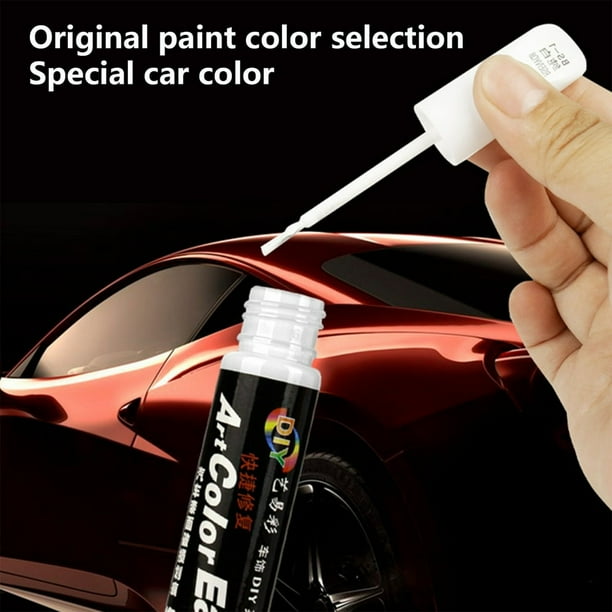
- Brush-in-bottle:Comes in small bottles with a brush. Good for tiny scratches.
- Pens:Easy to use for thin scratches. Dry fast but cover less area.
- Aerosol spray cans:Best for larger areas. Gives smooth, even coats.
- Touchup kits:Include paint, primer, and clear coat. Ideal for bigger repairs.
Where To Buy Quality Paint
| Source | Benefits | Notes |
| Authorized car dealerships | Exact color match | May be more expensive |
| Auto parts stores | Wide selection | Check for correct color code |
| Online retailers | Convenient and fast | Read reviews first |
| Specialty paint shops | Custom mixing available | Good for rare colors |
Preparing The Surface
Preparing the surface is key for a good car touchup paint job. Clean and smooth areas help paint stick better.
Take time to fix the damaged spots before applying paint. This makes the repair last longer.
Cleaning The Damaged Area
Start by washing the damaged area with soap and water. Remove dirt, grease, and old wax.
Dry the area well. Use a clean cloth to avoid adding new dirt or oils.
Sanding For Smoothness
Sanding helps to smooth the surface and remove loose paint. Use fine-grit sandpaper for best results.
Sand gently until the edges of the damaged paint blend with the rest of the car. This avoids bumps under the new paint.
Removing Rust And Debris
Check the damaged area for rust. Use a wire brush or sandpaper to remove all rust spots.
Clear away any debris left after sanding. A clean surface prevents paint problems like bubbling or peeling.
Applying The Touchup Paint
Fixing small scratches or chips on your car needs the right approach. Using touchup paint can help protect your car and keep it looking good.
This guide explains what tools to use, how to layer paint, and how long to wait between coats.
Tools You’ll Need
Having the correct tools makes applying touchup paint easier and neater. Prepare your workspace and gather these items before starting.
- Touchup paint that matches your car’s color
- Fine-tip paintbrush or applicator
- Sandpaper (around 1500 grit)
- Rubbing alcohol or cleaner
- Microfiber cloths
- Masking tape
- Clear coat pen or spray
Layering Paint Correctly
Apply the paint in thin layers to avoid drips and uneven color. Build up the paint slowly until the damaged area matches the surrounding surface.
- Clean the area with rubbing alcohol and dry it well.
- Lightly sand the damaged spot to smooth edges.
- Apply the first thin layer of touchup paint and let it dry.
- Add more layers as needed, waiting between each.
- Finish with a clear coat to protect the paint.
Drying Times Between Coats
| Type of Paint | Dry Time Between Coats |
| Enamel | 30 to 60 minutes |
| Acrylic | 15 to 30 minutes |
| Urethane | 20 to 40 minutes |
| Clear Coat | 1 to 2 hours |
Follow the drying times to avoid smudging or uneven surfaces. If unsure, wait a bit longer before applying the next coat.

Credit: www.amazon.ca
Finishing And Protecting
After fixing scratches with car touchup paint, finishing the surface is key. Protecting your work keeps the paint strong and shiny.
Finishing steps like clear coating, polishing, and waxing add durability and enhance the look of your car’s paint.
Applying Clear Coat
A clear coat adds a protective layer over the touchup paint. It keeps the color safe from sunlight and dirt.
Apply the clear coat in thin, even layers. Let each layer dry before adding the next one for the best finish.
Polishing For Shine
Polishing smooths the clear coat and removes small imperfections. It brings out a bright shine on your car’s surface.
Use a soft cloth or a polishing pad. Move in small circles to make the surface smooth and glossy.
Waxing For Long-lasting Protection
Waxing seals the paint and clear coat from water and dust. It helps your touchup paint last longer.
Apply wax with a soft cloth in light layers. Buff it gently to keep your car looking fresh and clean.
Common Mistakes To Avoid
Car touchup paint can fix small scratches and chips on your vehicle. Doing it right keeps your car looking good. Avoid common errors to get the best results.
Simple mistakes can cause uneven paint, peeling, or poor color match. Learn what to avoid before you start.
Overapplying Paint
Applying too much paint can cause runs and thick spots. Thick paint takes longer to dry and may peel later.
Use thin layers and build up slowly. Let each coat dry before adding the next.
- Apply light coats with a steady hand
- Wait 10-15 minutes between coats
- Stop when the color looks even and smooth
Ignoring Surface Prep
Not cleaning and sanding the area causes poor paint adhesion. Dirt and rust stop paint from sticking well.
Prepare the surface by cleaning, sanding, and drying. This helps the paint last longer.
- Wash the area with soap and water
- Sand lightly to smooth edges
- Remove dust with a tack cloth
- Make sure the surface is dry before painting
Rushing Drying Times
Touchup paint needs time to dry between coats and after finishing. Rushing causes smudges and uneven surfaces.
Follow the drying instructions on the paint. Allow extra time if the weather is cold or humid.
- Wait at least 10-15 minutes between coats
- Let the final coat dry for several hours
- Avoid touching or washing the area too soon
Tips For Different Types Of Damage
Car touchup paint can help fix scratches and chips. It’s important to know how to treat different types of damage.
Learn simple ways to handle small scratches, chips, dents, and large paint imperfections.
Small Scratches
Small scratches are easy to fix with the right touchup paint. Clean the area with soap and water first.
Apply the paint with a thin brush. Let it dry completely before touching it.
- Use a wax polish after the paint dries
- Check for any missed spots and touch up again if needed
Chips And Dents
Chips and dents need a bit more care. Clean the area and sand it slightly for a smooth finish.
Use a primer if needed, then apply touchup paint. Allow it to dry fully.
- Apply multiple layers for a smooth finish
- Use a clear coat for protection
Large Paint Imperfections
Large imperfections might need professional help. If you try it yourself, prep the area well.
Sanding and priming are crucial steps. Apply touchup paint carefully and let it set.
- Consider using a spray can for even coverage
- Finish with a clear coat to seal the paint
When To Seek Professional Help
Touching up car paint can be simple. Yet, some situations need experts. Knowing when to ask for help saves time and money.
DIY is great for small scratches. But, complex issues might require a professional touch.
Complex Damage Scenarios
Large dents or deep scratches need experts. Professionals have the right tools and skills to handle these damages.
Chipped paint on curved surfaces is tricky. Experts ensure a smooth finish that matches the car’s original look.
Matching Metallic Or Pearl Finishes
Metallic and pearl finishes are hard to match. They require special techniques and paints.
Professionals can blend these finishes perfectly. This ensures your car looks as good as new.
- Special tools create an even metallic look
- Expert mixing gives pearls their depth
- Blending avoids visible repair lines
Cost Vs. Diy Benefits
DIY touch-ups save money. But mistakes can be costly. Professionals might charge more, but the results last longer.
Consider the time and skill needed. Sometimes, paying for an expert saves money in the long run.
- DIY is cheaper but riskier
- Professional work lasts longer
- Weigh cost against long-term value
Credit: www.walmart.ca
Frequently Asked Questions
What Is Car Touchup Paint Used For?
Car touchup paint repairs minor scratches and chips on your vehicle. It restores the car’s original color and prevents rust. It’s a cost-effective way to maintain your car’s appearance and value. Touchup paint is ideal for small, localized damage.
How Do I Find The Right Touchup Paint Color?
Find your car’s paint code on the driver’s side door or manual. Use this code to buy an exact color match. Many brands offer online tools to help locate the right shade. Always test the paint on a small area first.
Can I Apply Car Touchup Paint Myself?
Yes, applying touchup paint yourself is possible with the right tools. Clean the area, apply primer if needed, then paint in thin layers. Finish with clear coat for protection. Follow instructions carefully for best results.
How Long Does Touchup Paint Last On A Car?
Touchup paint can last several months to years depending on application quality. Proper surface preparation and sealing improve durability. Exposure to weather and washing frequency also affect longevity. Regular maintenance helps keep the repair intact.
Conclusion
Car touchup paint helps keep your car looking fresh and new. Small scratches and chips do not have to stay forever. A simple touchup can protect your car from rust and damage. It saves money by avoiding costly repairs later.
Choose the right color and apply carefully for best results. Regular care keeps your car’s paint bright and smooth. A little effort goes a long way in car maintenance. Your car will look cared for and last longer too. Easy steps make a big difference in car appearance.







