
Are you tired of struggling to fit all your gear inside your car on trips? A car rack roof could be the simple solution you need.
It gives you extra space to carry bikes, luggage, or sports equipment without crowding your passengers. Imagine hitting the road with everything you want, neatly secured above you, freeing up your car’s interior. You’ll discover how a car roof rack can transform your travel experience, the different types available, and tips to choose the right one for your needs.
Keep reading to unlock the secret to stress-free packing and more comfortable rides.

Credit: surcoinc.com
Choosing The Right Car Roof Rack
Car roof racks help carry extra gear for trips or daily use. Picking the right rack keeps your items safe and your car stable.
Consider the types, materials, and weight limits before buying. This guide will help you make a smart choice.
Types Of Roof Racks
There are several roof rack types. Each fits different cars and needs. Know your options before you buy.
- Raised Rail Racks: Attach to raised side rails on your car roof.
- Flush Rail Racks: Fit flush rails that run along the roof edge.
- Factory Mount Racks: Use built-in mounting points on your car.
- Track Systems: Mount on tracks fixed to the roof for flexibility.
- Clamp-On Racks: Attach to door frames without rails or mounts.
Material And Durability
Roof racks come in different materials. The choice affects how long your rack lasts and how much it weighs.
| Material | Durability | Weight | Cost |
| Aluminum | High resistance to rust | Lightweight | Moderate |
| Steel | Very strong but can rust | Heavy | Low to moderate |
| Plastic/Composite | Resistant to weather | Very light | Low |
Weight Capacity Considerations
Check your car’s roof weight limit before loading. Overloading can cause damage or accidents.
- Find the maximum weight your car roof can hold. Check the owner’s manual.
- Include the rack’s weight in your total load.
- Consider the weight of items and how they are secured.
- Distribute weight evenly on the rack to keep balance.
- Do not exceed the lower limit between the rack and car roof.

Credit: www.ebay.com
Preparing Your Vehicle
Before installing a car roof rack, you must prepare your vehicle. Proper preparation helps ensure safety and a good fit.
Take time to check your roof and gather the right tools. Clean the roof well before starting installation.
Checking Roof Compatibility
Not all roofs can hold every type of rack. Check your car’s roof type first. Look for fixed points or rails.
Read your vehicle manual for roof rack limits. Confirm weight capacity and rack types that fit your car.
- Identify roof type: bare, raised rails, flush rails, or fixed points
- Check maximum weight your roof can hold
- Look for mounting locations or attachment points
Gathering Necessary Tools
Having the right tools makes installation easier. Gather tools before you start putting the rack on.
- Socket wrench set
- Measuring tape
- Screwdrivers
- Rubber mallet (if needed)
- Torque wrench for tightening bolts
Check the rack’s instruction manual for any special tools needed for your model.
Cleaning And Inspection
Clean the roof before installing the rack. Dirt or debris can cause damage or poor fitting.
Inspect the roof for damage. Look for dents, rust, or loose parts. Fix any problems first.
- Wash roof with mild soap and water
- Dry thoroughly to avoid slipping
- Check for cracks or rust spots
- Make sure all mounting points are secure
Step-by-step Installation Process
Installing a car roof rack correctly is important for safety and stability. Follow the steps carefully to fit the rack on your car.
This guide covers how to position the rack, secure the mounts, and make final adjustments.
Positioning The Rack
Place the rack on the roof in the right spot. Make sure it fits your car’s roof size and shape. Usually, the rack goes above the door frames.
- Clean the roof area before placing the rack.
- Align the rack bars so they are parallel to the car’s length.
- Check that the rack is centered side to side.
- Leave enough space between the rack and the windshield.
Securing The Mounts
Attach the mounts firmly to the roof rails or door frames. The mounts hold the rack in place and must be tight.
| Mount Type | Attachment Point | Check |
| Clamp Mount | Door Frame | Clamp is tight and secure |
| Rail Mount | Roof Rails | Bolts tightened properly |
| Track Mount | Fixed Tracks | Mount locks in track |
Tightening And Adjustments
Check all bolts and screws for tightness. Adjust the rack if it moves or tilts.
- Use a wrench to tighten all bolts evenly.
- Check that the rack sits flat and level on the roof.
- Test the rack by gently shaking it to ensure no movement.
- Make small adjustments if the rack shifts or feels loose.
Safety Tips For Secure Installation
Installing a car roof rack safely is very important. It helps keep your items secure and prevents accidents.
Follow these safety tips to make sure your roof rack is installed the right way and stays strong on the road.
Ensuring Proper Load Distribution
Place your items evenly on the roof rack. This keeps the weight balanced and prevents damage to your car.
Too much weight on one side can cause the car to lean or the rack to break. Spread the load carefully.
- Put heavy items in the center of the rack
- Keep lighter items on the edges
- Check the roof rack’s weight limit before loading
Double-checking Fasteners
Always check that all bolts and screws are tight before driving. Loose fasteners can cause the rack to come off.
Use the right tools to secure fasteners and avoid over-tightening. This keeps the rack stable and safe.
- Inspect fasteners after installation
- Retighten fasteners after driving a short distance
- Replace damaged or worn fasteners immediately
Regular Maintenance Checks
Check your roof rack regularly for any signs of wear or damage. This helps catch problems early.
Clean the rack and remove dirt or rust. Proper care extends the life of your car roof rack.
- Look for cracks or bends in the rack frame
- Check that fasteners stay tight over time
- Lubricate moving parts if needed
Common Installation Challenges
Installing a car roof rack can be tricky for many drivers. The process requires care to avoid problems.
Many common issues come from roof types, vehicle damage risks, and loose racks. Knowing these helps install racks better.
Dealing With Different Roof Types
Car roofs come in many shapes and sizes. Some have rails, others do not.
Choosing the right rack for your roof type is important. Some racks fit only certain roofs.
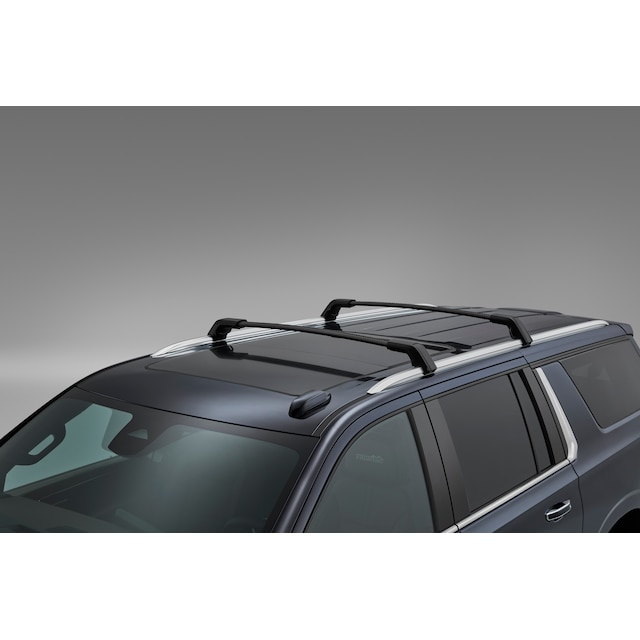
- Raised rails need clamps made for rails
- Flush rails require special adapters
- Bare roofs need racks with door frame clamps
- Sunroofs require careful placement to avoid leaks
Avoiding Damage To Vehicle
Installing racks can scratch or dent your car. Protect your vehicle by using soft pads.
Check tightness often. Over-tightening can bend roof parts. Under-tightening can let the rack move.
- Use protective covers on clamps
- Follow manufacturer torque instructions
- Inspect roof paint before and after installation
- Keep clamps clean to avoid scratching
Troubleshooting Loose Racks
Loose racks can be dangerous. They may fall off or cause noise while driving.
Check clamps and bolts regularly. Tighten them if you feel any movement.
- Inspect clamps after long drives
- Retighten bolts with correct tools
- Replace worn or damaged parts
- Use thread-locking compound if needed
Credit: accessories.chevrolet.com
Enhancing Rack Functionality
Car roof racks are useful for carrying extra gear. Enhancing their functionality can make trips easier.
Adding the right accessories can increase the rack’s utility. Security and weather protection are also important.
Adding Accessories
Accessories can help customize your car rack. They make it suitable for different needs.
Consider adding bike mounts, kayak carriers, or cargo boxes. These items make transporting specific gear easier.
- Bike mounts for cycling trips
- Kayak carriers for water adventures
- Cargo boxes for extra storage
Locking Mechanisms For Security
Secure your gear with locking mechanisms. They prevent theft and keep items safe.
Choose locks that are easy to use and strong. Ensure they fit your specific rack model.
- U-locks for bicycles
- Cable locks for general security
- Key or combination locks for convenience
Weather Protection Tips
Weather can affect your rack and gear. Protect them to ensure longevity and safety.
Use waterproof covers and sealants. Keep rust and damage at bay during harsh weather conditions.
- Waterproof covers for rain protection
- Sealants to prevent rust
- Regular maintenance checks
Frequently Asked Questions
What Is A Car Roof Rack Used For?
A car roof rack helps carry extra luggage or gear on top of your vehicle. It increases storage space for trips or outdoor activities. Roof racks are ideal for bikes, kayaks, skis, and bulky items that don’t fit inside the car.
How Do I Install A Car Rack Roof?
Installation depends on your car model and rack type. Generally, roof racks attach to factory-installed rails or door frames. Use provided clamps or bolts, following manufacturer instructions. Proper installation ensures safety and prevents damage to your vehicle.
Are Car Roof Racks Safe For Long Trips?
Yes, car roof racks are safe if properly installed and secured. Always check weight limits and use appropriate straps. Regularly inspect the rack and cargo during travel to avoid accidents or damage.
Can A Car Roof Rack Affect Fuel Efficiency?
Yes, roof racks can reduce fuel efficiency by increasing wind resistance. This causes your vehicle to use more fuel, especially at high speeds. Removing the rack when not in use helps improve mileage.
Conclusion
A car rack roof adds space and convenience to your trips. It helps carry bikes, luggage, or sports gear easily. Choosing the right rack keeps your items safe and your drive smooth. Simple to install and use, it fits most vehicles well.
Consider your needs and roof type before buying. A good car rack roof makes travel more fun and stress-free. Save space inside your car and enjoy more comfort. A smart choice for anyone who loves adventure and travel.







