
Are you looking to give your car a fresh, flawless finish? A car paint pistol might be exactly what you need.
It’s a powerful tool that can make painting quicker, smoother, and more professional. But with so many options and tips out there, how do you choose the right one and use it effectively? Keep reading, and you’ll discover everything you need to know to transform your car’s look with confidence and ease.
Types Of Car Paint Pistols
Car paint pistols come in different types. Each type works best for certain jobs. Choosing the right pistol helps get a smooth finish.
This guide explains the main types of car paint pistols. Learn their features and uses to pick the best one.
Conventional Spray Guns
Conventional spray guns use high air pressure to spray paint. They create a strong spray pattern. These guns work well for large areas.
They tend to waste more paint because of overspray. But the finish is smooth and even if used correctly.
Hvlp Spray Guns
HVLP means High Volume Low Pressure. These guns use less air pressure but more volume. This lowers paint waste and overspray.
- Good for detailed work
- Less paint lost to air
- Better for the environment
- Slower spray speed than conventional guns
Lvlp Spray Guns
LVLP stands for Low Volume Low Pressure. These guns use even less air than HVLP guns. They give good control and less overspray.
| Feature | LVLP Spray Guns | HVLP Spray Guns |
|---|---|---|
| Air Pressure | Low | Medium |
| Paint Waste | Very Low | Low |
| Spray Speed | Slower | Moderate |
| Best Use | Small areas, detailed work | Medium areas, fine finishes |
Airless Spray Guns
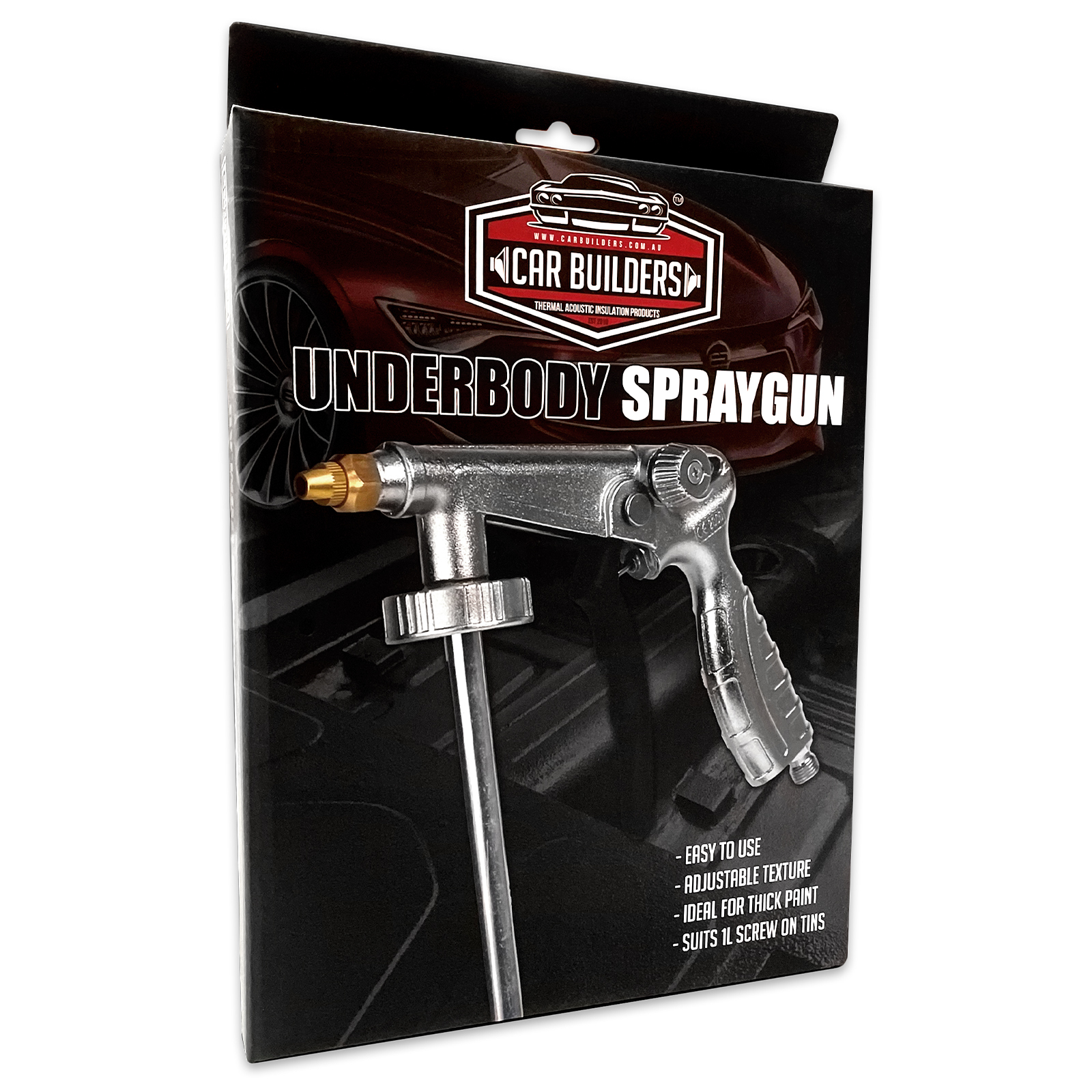
Airless spray guns use high pressure to push paint out without air. They spray thick coatings quickly. Ideal for large jobs and rough surfaces.
They reduce overspray but need powerful pumps. The finish may be less smooth than air spray guns.
Credit: www.carbuilders.com.au
Choosing The Right Paint Pistol
Choosing the right paint pistol is key for a smooth paint job. The right tool helps you save time and get better results.
Many factors influence which paint pistol fits your project best. Understanding these helps you avoid common mistakes.
Factors To Consider
Think about spray pattern size, air pressure needs, and ease of cleaning. These affect how well you paint and maintain the tool.
- Spray pattern size suits the surface area.
- Air pressure must match your compressor’s capacity.
- Cleaning should be easy to keep the pistol working well.
- Weight matters for longer jobs to reduce fatigue.
Matching Paint Type And Gun
Different paint pistols work best with specific paint types. Check the gun’s specs to ensure compatibility.
| Paint Type | Recommended Gun Type |
| Latex Paint | High Volume Low Pressure (HVLP) |
| Oil-Based Paint | Conventional Spray Gun |
| Automotive Paint | Gravity Feed Spray Gun |
| Enamels | Siphon Feed Spray Gun |
Budget Vs Performance
Think about how often you paint and your quality needs. Budget limits and performance goals will guide your choice.
Here is a simple comparison to help you decide:
- Low Budget:Basic models, less precise spray, good for small jobs.
- Mid Range:Better control, suitable for most DIY projects.
- High-End:Professional quality, best finish, higher cost.
Essential Equipment And Accessories
Using the right tools ensures smooth and even car paint jobs. Essential equipment and accessories help you achieve professional results. This guide covers key items for your paint pistol setup.
Each part plays a role in the painting process. Choosing the correct equipment makes your work easier and safer.
Air Compressors
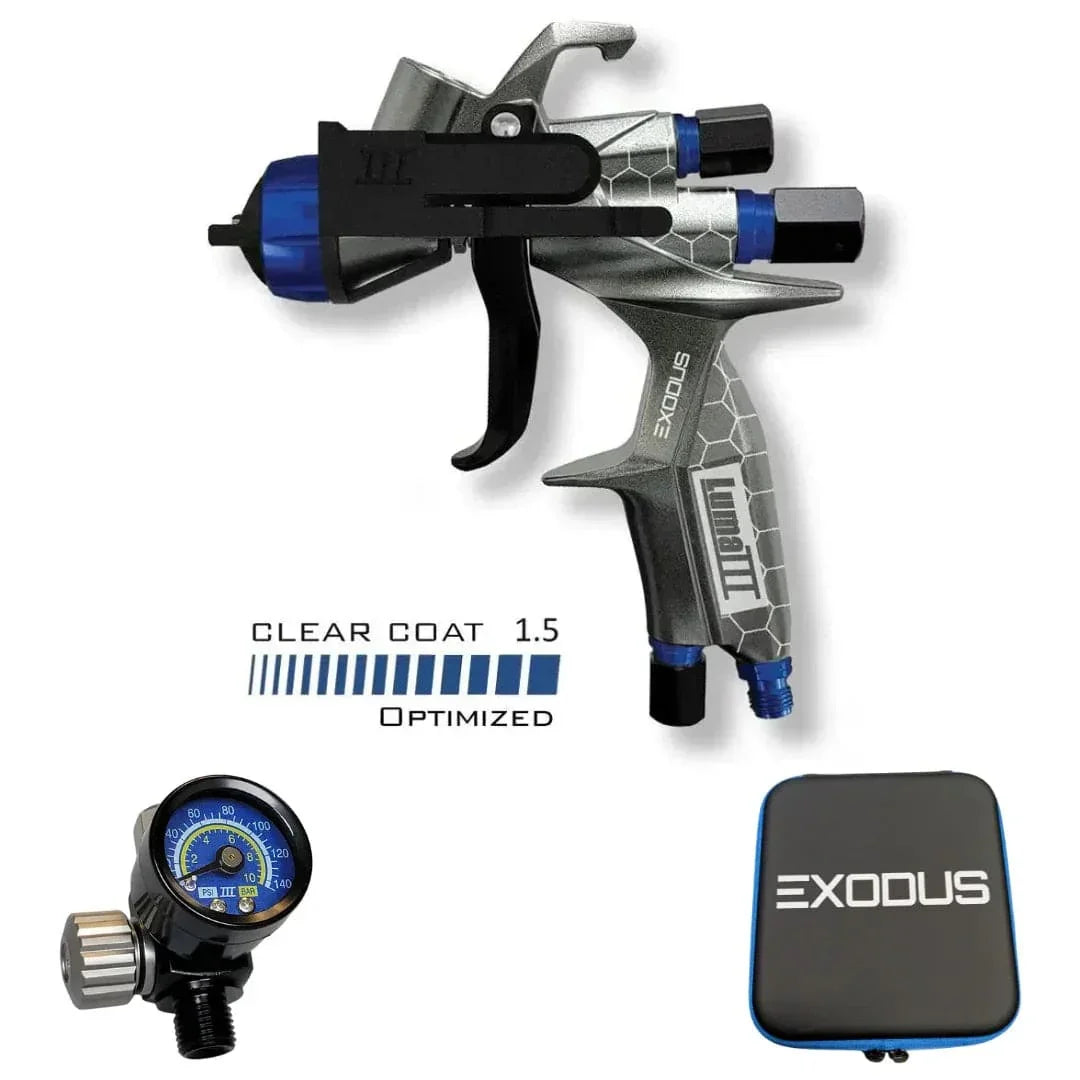
An air compressor powers your paint pistol by supplying consistent air pressure. It affects the spray quality and paint finish.
- Choose a compressor with enough power for your pistol’s air consumption.
- Check the tank size; larger tanks reduce pressure drops.
- Use filters to remove moisture and oil from the air.
- Regular maintenance keeps the compressor running smoothly.
Nozzles And Needles
Nozzles and needles control the paint flow and spray pattern. Different sizes suit different paint types and jobs.
| Nozzle Size | Use Case |
| 1.2 mm | Thin coatings and primers |
| 1.4 mm | Standard base coats and clear coats |
| 1.8 mm | Thicker paints and primers |
Protective Gear
Protective gear keeps you safe from harmful paint fumes and chemicals. Always wear proper equipment during painting.
- Respirator mask with chemical filters
- Safety goggles or face shield
- Gloves resistant to paint solvents
- Coveralls or long sleeves to protect skin
Credit: thespraysource.com
Setting Up Your Paint Pistol
Setting up your paint pistol correctly ensures smooth and even paint application. It helps avoid mistakes and saves time. Follow simple steps to prepare your equipment and paint.
This guide covers preparing the paint, adjusting spray patterns, and maintaining proper pressure. Each part is important for a quality finish.
Preparing The Paint
Mix the paint well before use. Strain it to remove lumps or debris. Thin the paint if needed to match your pistol’s requirements.
- Shake or stir the paint thoroughly.
- Use a paint strainer to filter out particles.
- Check the paint viscosity with a cup or tool.
- Add thinner slowly and mix evenly.
- Test the paint on a scrap surface first.
Adjusting Spray Patterns
Set the spray pattern to control the paint flow and coverage. Different patterns suit different jobs and surfaces.
| Pattern Type | Description | Use |
| Round | Compact and circular spray area. | Small or detailed areas. |
| Vertical Fan | Wide vertical spray spread. | Spraying narrow, tall surfaces. |
| Horizontal Fan | Wide horizontal spray spread. | Flat, wide surfaces like car doors. |
Maintaining Proper Pressure
Pressure affects paint flow and finish quality. Keep it steady and within the recommended range for your pistol and paint.
Tips for maintaining pressure:
- Check the air compressor gauge before starting.
- Adjust the regulator to match the paint pistol specs.
- Keep the hose free from kinks or leaks.
- Monitor pressure during spraying and adjust if needed.
- Clean the pistol to avoid pressure drops.
Techniques For Flawless Finishes
Achieving a smooth car paint finish takes skill and care. Proper techniques help avoid marks and uneven coats.
Using the right method ensures your paint job looks professional and lasts long.
Spray Gun Handling Tips
Hold the spray gun steadily and keep it at a consistent distance from the surface. Move the gun in even strokes to avoid runs and drips.
- Keep the spray gun 6 to 8 inches from the surface
- Use smooth, overlapping passes for full coverage
- Maintain a steady speed to prevent thick or thin spots
- Clean the spray gun after each use to avoid clogging
Layering And Drying Times
Apply paint in thin layers and allow each layer to dry fully. This prevents bubbles and uneven texture.
| Layer | Recommended Drying Time | Purpose |
|---|---|---|
| Base Coat | 15 to 30 minutes | Color and coverage |
| Mid Coat | 20 to 40 minutes | Smooth transition |
| Clear Coat | 30 to 60 minutes | Gloss and protection |
Avoiding Common Mistakes
Many problems come from rushing or poor preparation. Take time to prepare and work carefully.
- Do not spray too close or too far from the surface
- Avoid painting in dusty or humid conditions
- Wear protective gear to avoid inhaling fumes
- Test spray on a small area before full application
- Do not skip sanding between layers for better adhesion
Cleaning And Maintenance
Maintaining a car paint pistol ensures its longevity and performance. Regular cleaning prevents clogs and maintains a smooth spray.
Follow these steps to keep your paint gun in top condition. Proper maintenance saves time and money in the long run.
Disassembling The Gun
Disassembling the paint gun is the first step in cleaning. Follow the manual to avoid damaging parts.
- Remove the paint cup and empty any remaining paint.
- Detach the nozzle and needle carefully.
- Unscrew air cap for thorough cleaning.
Cleaning Solutions And Tools
Using the right cleaning solutions keeps your paint gun in good shape. It’s important to choose non-corrosive cleaners.
| Tool | Purpose |
| Brush | Scrubbing off paint residue |
| Cleaning solution | Dissolving paint particles |
| Microfiber cloth | Wiping and drying |
Regular Maintenance Routine
A regular maintenance routine keeps your paint pistol in top condition. Follow these steps after each use.
- Clean all disassembled parts with a cleaning solution.
- Dry each piece completely to prevent rust.
- Reassemble the gun and store it in a dry place.
Troubleshooting Common Issues
Using a car paint pistol can be tricky. Sometimes problems happen when painting. Here are some common issues and how to fix them.
These tips will help you paint smoothly. Learn how to solve these issues easily.
Paint Spitting And Sputtering
Spitting and sputtering can ruin the paint job. It happens when air mixes with paint wrongly.
Check the nozzle for clogs. Clean it with a soft brush. Adjust the air pressure to fix the issue.
- Use the right air pressure
- Clean the nozzle regularly
- Check for loose parts
Uneven Coverage
Uneven coverage makes the paint look bad. It can happen if you move the pistol too fast.
Keep a steady hand while painting. Make sure the paint is mixed well before you start.
- Maintain a steady speed
- Mix paint thoroughly
- Hold the pistol at a consistent distance
Overspray Problems
Overspray can waste paint and cause mess. It happens when paint goes beyond the target area.
Use masking tape to cover areas you don’t want to paint. Adjust the spray pattern for better control.
- Use masking tape
- Adjust the spray pattern
- Practice on scrap material
Advanced Tips For Professionals
Using a car paint pistol can improve your work quality. Professionals need precise control and skills.
These tips focus on better spray patterns, specialty paints, and working faster without losing quality.
Customizing Spray Patterns
Adjust the spray pattern to match your project’s needs. Wide patterns cover large areas fast.
Narrow patterns help with detail work and edges. Change the air pressure to fine-tune the spray.
- Use fan pattern for broad coverage
- Switch to round pattern for tight spots
- Adjust air pressure between 20-30 PSI
- Keep the nozzle clean to avoid splatter
Working With Specialty Paints
Specialty paints like metallic or pearl need careful handling. Stir paint well before use.
Thin the paint as recommended. Use slow, even strokes to avoid runs and uneven layers.
- Mix metallic paints gently to keep shine
- Use a compatible thinner for best results
- Test spray on a sample before the car
- Apply multiple thin coats instead of one thick coat
Speed And Efficiency Techniques
Work efficiently to save time without losing quality. Prepare your workspace before starting.
Use consistent movements and maintain the right distance from the surface. Clean your gun regularly.
- Keep paint pistol 6-10 inches from surface
- Move your hand steadily for even coverage
- Clean nozzle after each paint session
- Organize tools to reduce downtime

Credit: www.baralchemical.com
Frequently Asked Questions
What Is A Car Paint Pistol Used For?
A car paint pistol sprays paint evenly on vehicles. It ensures a smooth, professional finish. It is ideal for auto body repairs and repainting.
How To Choose The Best Car Paint Pistol?
Choose a pistol based on paint type, nozzle size, and spray pattern. Consider air pressure compatibility and ease of cleaning for best results.
Can Beginners Use A Car Paint Pistol Effectively?
Yes, beginners can use it with practice. Start with simple projects, maintain steady hands, and follow safety guidelines for better results.
What Maintenance Does A Car Paint Pistol Require?
Regular cleaning after each use prevents clogging. Check seals and nozzles for wear. Proper maintenance extends pistol lifespan and ensures consistent performance.
Conclusion
Choosing the right car paint pistol makes a big difference. It helps you apply paint smoothly and evenly. You save time and get better results. Using a good pistol also reduces paint waste. Cleaning and maintaining the tool keeps it working well.
Practice spraying on a test surface first. This builds confidence and avoids mistakes on your car. A quality car paint pistol is a smart investment for any DIY painter. It makes the job easier and improves the final look. Simple steps lead to a great paint finish every time.







