
Are you tired of looking at those scratches and dull spots on your car’s paint? You don’t have to live with a faded or chipped finish any longer.
Imagine your car shining like new, turning heads wherever you go. In this guide, you’ll learn exactly how to paint your car with simple steps anyone can follow. Whether you want to fix small blemishes or give your car a fresh new look, this article will give you the confidence and know-how to get it done right.
Keep reading, and let’s bring your car’s paint back to life!
Choosing The Right Paint
Choosing the right paint for your car is important. It affects how your car looks and how long the paint lasts.
You need to know about different paint types, matching colors, and quality materials before you start painting.
Types Of Car Paint
There are several types of car paint to choose from. Each type has different features and uses.
Some paints dry faster, while others give a glossy or matte finish. Choose paint that suits your needs.
- Enamel paint: durable and shiny
- Urethane paint: tough and flexible
- Acrylic paint: easy to apply, less durable
- Base coat/clear coat: color plus protective layer
Matching Paint Colors
Matching the paint color is key to a good finish. Use the exact shade of your car’s original paint.
Check your car’s paint code. You can find it on a label inside the door or under the hood.
- Use paint code for accurate color matching
- Test paint on a small area first
- Consider lighting when checking color match
Buying Quality Materials
Good materials help your paint job last longer and look better. Buy paint and tools from trusted sources.
Choose high-quality brushes, spray guns, and primers. Avoid cheap products that can ruin your work.
- High-quality paint for durability
- Proper primer to prepare the surface
- Clean tools for smooth application
- Protective gear for safety
Preparing The Surface
Preparing the surface is key to a smooth and lasting car paint job. You must clean, repair, and prime the area before painting. Each step helps the paint stick and look good.
Take your time to do these steps well. This guide covers cleaning and sanding, fixing dents and scratches, and priming the surface.
Cleaning And Sanding
Start by washing the car surface with soap and water. Remove all dirt, grease, and wax. Dry the area completely before sanding.
- Use fine-grit sandpaper to smooth the surface.
- Sand the edges around scratches to blend them in.
- Wipe away dust with a clean cloth.
- Repeat sanding if the surface still feels rough.
Repairing Dents And Scratches
Fix dents and scratches to make the surface even. Use a body filler to fill dents. Apply it with a plastic spreader.
| Tool | Purpose |
| Body filler | Fill dents and holes |
| Plastic spreader | Apply and smooth filler |
| Sandpaper | Shape and smooth filler |
| Clean cloth | Remove dust and debris |
After the filler dries, sand it smooth. Check that the surface is flat and ready for primer.
Priming The Surface
Apply primer to protect the metal and help paint stick. Use a spray primer for an even coat. Hold the spray 6 to 8 inches away.
Follow these tips for priming:
- Shake the primer can well before use.
- Spray in thin, even layers.
- Let each layer dry before adding the next.
- Sand lightly after the final coat dries.
Painting Techniques
Painting a car requires careful techniques to get a smooth and even finish. Using the right tools and methods helps the paint last longer.
This guide explains key painting techniques for a good car paint job. Follow these tips to improve your results.
Using Spray Guns
Spray guns spread paint evenly over the car surface. They work best for large areas and give a smooth coat.
Hold the spray gun about 6 to 10 inches from the surface. Move the gun in steady, even strokes to avoid drips.
- Keep the gun perpendicular to the surface
- Overlap each pass by 50% for full coverage
- Adjust the spray pattern to match the area size
- Practice on scrap material before painting
Applying Even Coats
Apply thin, even coats of paint to avoid runs and drips. Thick coats take longer to dry and can crack.
Use smooth, steady motions and keep the spray gun moving. Let each coat dry slightly before adding the next one.
- Start with a light base coat
- Wait 10 to 15 minutes before next coat
- Apply 2 to 3 coats for best coverage
- Check the surface for missed spots
Managing Drying Times
Let each coat dry properly to avoid smudging and uneven texture. Drying time depends on paint type and weather.
Work in a dry, dust-free area. Use fans or heat lamps to speed up drying if needed, but avoid direct heat.
- Check manufacturer’s instructions for drying times
- Allow at least 20 minutes between coats
- Wait 24 hours before handling the painted surface
- Avoid painting in high humidity or cold temperatures

Credit: www.eastwood.com
Finishing Touches
The final steps of car painting bring out the shine and smoothness. These touches protect the paint and make the car look new. Careful work here improves the paint job’s life and appearance.
We will cover three key areas: applying clear coat, wet sanding and polishing, and removing paint imperfections. Each step needs patience and the right tools.
Applying Clear Coat
Clear coat adds shine and protects the paint from scratches and weather. Spray the clear coat evenly over the painted surface. Use smooth, steady strokes to avoid drips or runs.
- Shake the clear coat can well before use
- Hold the spray gun about 6-8 inches from the surface
- Apply 2 to 3 thin layers, letting each dry for 10 minutes
- Avoid spraying too much at once to prevent bubbles
- Work in a dust-free environment for best results
Wet Sanding And Polishing
Wet sanding smooths the clear coat and removes minor flaws. Use fine-grit sandpaper with water to gently sand the surface. After sanding, polish to restore shine.
| Grit of Sandpaper | Purpose | Notes |
|---|---|---|
| 1500 | Remove orange peel texture | Use plenty of water to avoid scratches |
| 2000 | Smooth minor scratches | Sand lightly and evenly |
| 3000 | Final smoothing before polishing | Very gentle pressure needed |
Use a polishing compound and a soft cloth or buffer. Work in small sections and clean the surface often. This brings a deep gloss to the paint.
Removing Paint Imperfections
Imperfections like dust spots, runs, or small scratches can appear after painting. Fix these by sanding and polishing or using spot repair methods.
- Identify the type and size of imperfection
- Lightly sand the area with fine-grit paper
- Clean the surface to remove dust
- Apply polishing compound to blend the spot
- Repeat if needed for a smooth finish
Maintenance Tips
Keeping your car paint in good shape takes regular care. Simple habits can protect the paint and keep your car looking new.
Learn how to clean your car right and fix small paint problems fast. This helps avoid bigger damage over time.
Protecting The Paint
Use wax or sealant to shield your car’s paint from sun and dirt. These products create a protective layer that lasts for weeks.
- Apply wax every 3 months
- Park in shaded areas to reduce sun damage
- Use a car cover if you park outside often
- Avoid parking under trees to prevent sap and bird droppings
Regular Cleaning Routines
Washing your car often removes dirt that can scratch the paint. Use soft cloths and special car soap to keep the surface safe.
| Cleaning Tip | Reason |
| Use mild car shampoo | Protects paint finish |
| Rinse with water before washing | Removes loose dirt |
| Dry with microfiber towel | Prevents water spots |
| Wash in shade | Stops soap from drying too fast |
Dealing With Chips And Scratches
Small chips and scratches can lead to rust if not fixed. Repair them quickly with touch-up paint or kits made for cars.
- Clean the area before repair
- Use touch-up paint that matches your car color
- Apply thin layers and let dry between coats
- Consider professional help for deep scratches

Credit: www.youtube.com
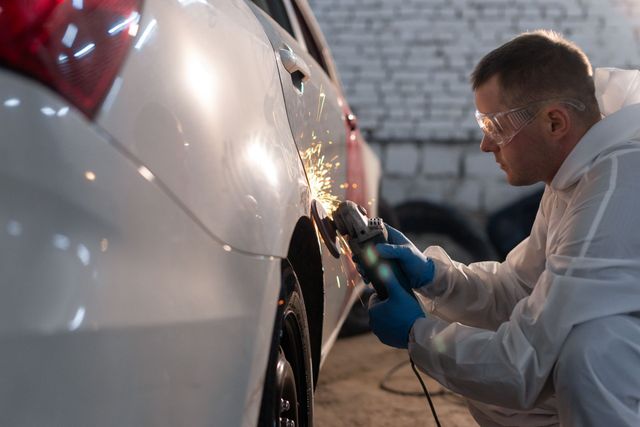
Credit: www.kingstoncollision.ca
Frequently Asked Questions
How To Prepare A Car Surface Before Painting?
Clean the car thoroughly and remove dirt, grease, and wax. Sand the surface smoothly to ensure paint adhesion. Repair dents and rust spots. Mask off areas not to be painted. Proper preparation guarantees a smooth, long-lasting finish for your car paint job.
What Are The Best Tools For Car Painting?
Essential tools include spray guns, air compressors, sandpaper, masking tape, and protective gear. A quality spray gun ensures even paint application. Sandpaper smooths the surface, while masking tape protects non-painted areas. Using the right tools improves paint quality and durability.
How To Choose The Right Car Paint Type?
Select paint based on your car’s material and desired finish. Common types are acrylic, enamel, and urethane. Urethane offers durability and gloss. Consider ease of application and environmental factors. Choosing the proper paint ensures better appearance and long-lasting results.
How Long Does Car Paint Take To Dry?
Drying time varies by paint type and environmental conditions. Typically, base coats dry in 20-30 minutes. Clear coats may take 1-2 hours to dry. Full curing can take several days. Proper drying is essential to avoid imperfections and ensure durability.
Conclusion
Car paint requires care and patience for best results. Clean the surface well before starting. Use the right tools and quality paint. Apply thin, even coats to avoid drips. Let each layer dry fully before the next. Protect the paint with a clear coat.
Practice makes the process easier and smoother. Enjoy the fresh, shiny look of your car. Keep your vehicle looking great by regular maintenance. Simple steps lead to lasting and beautiful paint.







