
Have you ever noticed those little lights glowing on your car’s dashboard and wondered what they mean? Those symbols are more than just colorful icons—they are your car’s way of talking to you.
Understanding what each light signals can save you from unexpected breakdowns and costly repairs. You’ll discover what those car lights on your dash really mean and how to respond the right way. By the end, you’ll feel confident and in control every time you see a warning light pop up.
Keep reading to unlock the secrets behind your dashboard’s glowing messages.

Credit: americanimportsautorepair.com
Common Dash Lights
Car dash lights show important information about your vehicle. They tell you if something needs attention.
Knowing these lights helps you stay safe and avoid damage to your car.
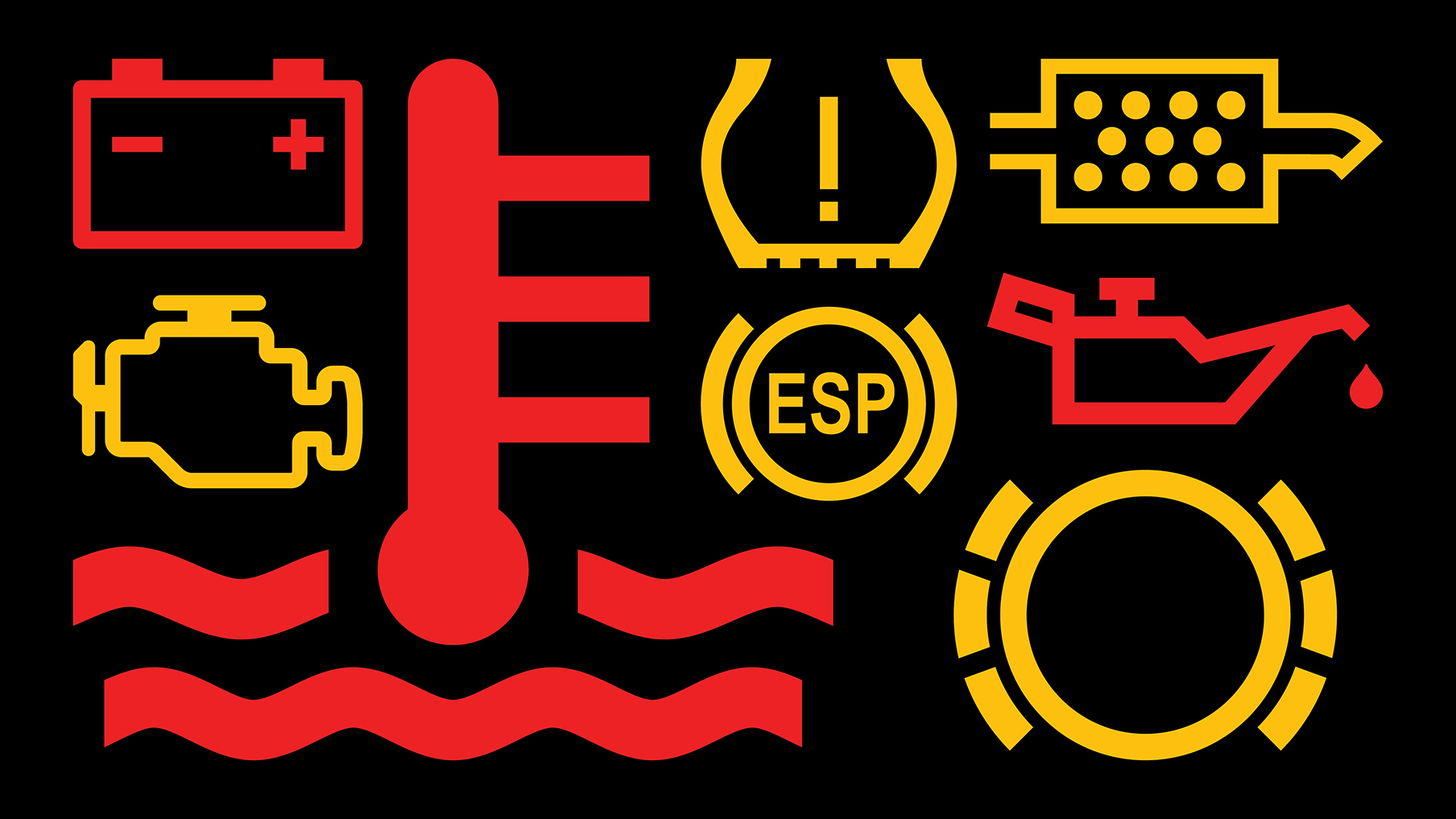
Engine Warning Light
The engine warning light means there is a problem with your engine. It can be small or serious.
If this light comes on, check your engine soon. Driving with this light on can cause damage.
Battery Alert
The battery alert shows if your car’s battery is low or not charging. It affects your car’s electrical system.
If this light stays on, your car might stop working. Get your battery checked quickly.
Oil Pressure Indicator
This light warns when your oil pressure is low. Oil keeps your engine parts moving smoothly.
Low oil pressure can damage the engine fast. Stop the car and check the oil level if this light comes on.
Brake System Light
The brake system light shows problems with your brakes. It can mean the brake fluid is low or the brakes need fixing.
Driving with brake issues is dangerous. Check your brakes immediately if this light is on.
Tire Pressure Warning
This light alerts you when tire pressure is too low. Proper pressure keeps your car safe and fuel efficient.
Check your tires and inflate them if this light turns on. Low pressure can cause tire damage or accidents.
Color Codes And Their Meanings
Car dashboard lights use colors to show different types of alerts. These colors help drivers know how urgent the problem is.
Understanding what these colors mean keeps you safe and helps protect your car from damage.
Red Lights: Immediate Action
Red dashboard lights warn of serious problems. You must stop the car soon and fix the issue.
Ignoring red lights can cause damage or danger. These lights mean something needs urgent attention.
- Engine temperature warning
- Oil pressure warning
- Brake system alert
- Battery charge warning
- Seat belt reminder
Yellow Lights: Caution
Yellow or amber lights mean a problem needs attention soon. The car can still run but check it quickly.
These lights alert you to issues that may get worse if ignored. Plan to fix them soon.
- Check engine light
- Low fuel warning
- Tire pressure alert
- Traction control warning
- Service reminder light
Green And Blue Lights: Informational
Green and blue lights give information about your car’s systems. They do not mean a problem.
These colors tell you when a feature is active or working correctly. No action is needed.
- Turn signal indicators (green)
- High beam headlights (blue)
- Cruise control on (green)
- Fog lights active (green)
Quick Steps For Each Warning
Dashboard warning lights tell you when your car needs attention. Each light has a different meaning. Knowing quick steps helps you act fast and keep safe.
This guide explains what to do when common warning lights appear on your dash. Follow these simple steps for each warning.
Engine Light Response
The engine light means the car’s computer found a problem. It could be serious or minor. Check if the light is steady or flashing.
- Pull over safely if the light is flashing.
- Turn off the engine and wait a few minutes.
- Restart the car and see if the light stays on.
- If on, schedule a service check soon.
Battery Light Response
The battery light shows a problem with charging. Your battery might be low or the alternator may fail.
- Turn off extra electrical items like radio and AC.
- Drive to the nearest repair shop quickly.
- Do not switch off the engine until you reach help.
Oil Pressure Light Response
This light warns about low oil pressure. It can cause engine damage fast.
Follow these steps immediately:
- Stop the car safely and turn off the engine.
- Check the oil level with the dipstick.
- Add oil if it is low, but only the right type.
- If the light stays on, call for roadside help.
Brake Light Response
The brake light means a problem with the brake system. It can be low brake fluid or worn brake pads.
| Warning Sign | Action to Take |
| Light stays on | Check brake fluid and top up if low |
| Light flashes | Stop driving and get brakes inspected |
| Light with ABS symbol | Check ABS system at a mechanic |
Tire Pressure Light Response
This light means one or more tires have low pressure. Driving with low tire pressure is unsafe.
- Find a safe place to stop.
- Use a tire pressure gauge to check each tire.
- Inflate tires to the recommended pressure.
- If the light stays on, inspect tires for damage.
Diy Checks Before Mechanic Visit
Car lights on dash can signal many issues. Before visiting a mechanic, do simple checks yourself.
These checks help you understand your car’s condition. They may also save time and money.
Checking Fluid Levels
Low fluid levels can cause warning lights on the dashboard. Check engine oil, coolant, and brake fluid.
- Open the hood and find each fluid reservoir.
- Use the dipstick for engine oil level.
- Look at the marks on coolant and brake fluid containers.
- Top up fluids if they are below the minimum mark.
Inspecting Battery Condition
A weak battery can cause warning lights and starting problems. Look for corrosion and tight connections.
- Check battery terminals for white or greenish powder.
- Clean terminals with a brush if needed.
- Make sure cables are tight and secure.
Monitoring Tire Pressure
Incorrect tire pressure triggers dashboard alerts. Check tires with a pressure gauge.
| Tire | Recommended Pressure (psi) |
| Front Tires | 32 |
| Rear Tires | 30 |
Check pressure when tires are cold for best results. Inflate or deflate as needed.
Examining Brake Components
Brake issues often cause warning lights. Look for worn pads and brake fluid leaks.
Brake check tips:
- Look through the wheel spokes to see brake pads.
- Pads should be at least 3mm thick.
- Check under the car for any fluid leaks.
- Listen for squealing sounds when braking.
Technology Behind Dash Lights
Car dash lights are essential for safe driving. They alert drivers about important vehicle conditions. Understanding the technology behind these lights can help drivers respond quickly.
Dash lights use advanced systems to provide accurate information. These systems have evolved over the years to ensure better safety and performance.
Sensors And Sensors Signals
Sensors in cars monitor various parts. They send signals to the car’s computer. This helps the dash lights show accurate alerts.
Common sensors include those for engine temperature, oil pressure, and tire pressure. These sensors provide real-time data to keep drivers informed.
- Temperature sensors check engine heat
- Pressure sensors monitor oil levels
- Tire sensors detect air pressure
Onboard Diagnostics (obd) System
The OBD system is a crucial part of modern cars. It helps in diagnosing and reporting vehicle issues. This system communicates with dash lights to inform drivers.
OBD systems provide data about engine performance and emissions. This ensures that cars remain safe and efficient on the road.
| Function | Purpose |
| Diagnostic codes | Identify issues |
| Performance data | Monitor engine efficiency |
How Alerts Are Triggered
Alerts on the dash are triggered by specific events. When sensors detect an issue, they send signals to the dash. This lights up the corresponding warning light.
Understanding these alerts helps drivers take quick action. For example, a low oil pressure light means the engine needs immediate attention.
- Low fuel light signals refueling
- Brake light indicates brake issues
- Engine light suggests a check-up
Credit: www.motabilitylifestyle.com
Preventing Warning Lights
Car warning lights on the dashboard signal potential issues. Ignoring them can lead to costly repairs or breakdowns.
Taking simple steps helps keep these warning lights off and your car running smoothly.
Regular Maintenance Tips
Regular checks and care prevent many dashboard warning lights. Simple tasks keep your car’s systems healthy.
- Check engine oil and top up if low
- Inspect brake fluid levels regularly
- Replace air filters as recommended
- Keep tires inflated to the correct pressure
- Test battery health and clean terminals
Importance Of Timely Repairs
Fixing problems early stops small issues from getting worse. It can prevent warning lights from turning on.
| Issue | Possible Warning Light | Effect of Delay |
| Low oil level | Oil pressure light | Engine damage |
| Brake wear | Brake warning light | Reduced stopping power |
| Battery problems | Battery or charging light | Car won’t start |
Using Quality Parts And Fluids
Good parts and fluids keep your car’s systems working well. Low-quality items may cause sensors to fail.
Choose parts and fluids that meet your car maker’s standards. This helps avoid false warning lights and protects your engine.
Credit: www.zigwheels.my
Frequently Asked Questions
What Do Car Dashboard Lights Mean?
Car dashboard lights indicate your vehicle’s status and potential issues. Each light has a specific meaning, like engine problems or low fuel. Knowing these helps you maintain your car and avoid breakdowns.
Why Is My Car Light Flashing On The Dash?
A flashing dash light usually signals a serious issue needing immediate attention. It could indicate engine misfires or critical system failures. Stop driving and check the problem to prevent damage.
How Can I Reset Car Lights On The Dashboard?
To reset dashboard lights, turn off the engine and disconnect the battery for a few minutes. Some cars require a diagnostic tool to clear error codes. Always consult your vehicle manual or a mechanic.
Are All Dashboard Lights Urgent Warnings?
Not all dashboard lights are urgent. Some indicate routine information like seatbelt reminders or headlights on. However, red or flashing lights often require quick action to avoid damage or safety risks.
Conclusion
Car lights on the dash help keep you safe. They show important information about your car. Knowing what these lights mean saves time and money. Never ignore a warning light. Always check your car or see a mechanic soon. Understanding these signals helps you drive with confidence.
Stay alert and keep your vehicle in good shape. Your safety depends on it.







