
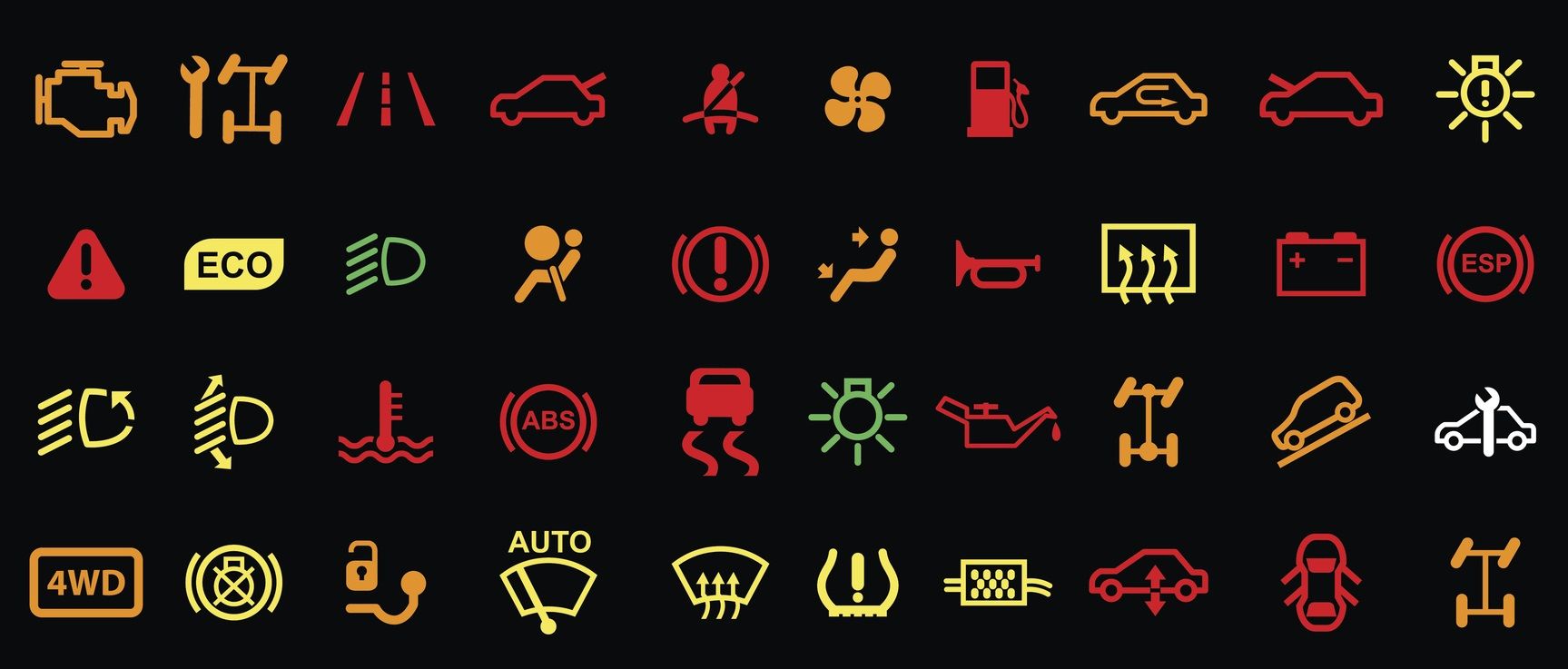
Have you ever noticed those little lights glowing on your car’s dashboard and wondered what they really mean? Understanding car lights is more than just a handy skill—it can keep you safe and save you money.
When a warning light pops up, it’s your car’s way of talking to you, telling you something important about how it’s feeling. Ignoring these signals can lead to bigger problems down the road. You’ll learn exactly what each car light means, so you can take control and keep your vehicle running smoothly.
Ready to become your car’s best friend? Let’s dive in.
Common Dashboard Lights
Your car dashboard shows lights to warn you about problems. These lights help keep you safe.
Knowing what each light means can stop damage to your car. It can also save you money and time.
Engine Warning Light
This light looks like an engine symbol. It means there is a problem with the engine.
The issue may be small or serious. You should check the engine soon to avoid bigger trouble.
Battery Alert
The battery alert light looks like a battery. It means your car’s charging system is not working well.
If this light stays on, your car may lose power. Get your battery and alternator checked quickly.
Oil Pressure Indicator
This light looks like an oil can. It shows that the oil pressure is too low.
Low oil pressure can damage your engine fast. Stop the car and check the oil level right away.
Brake System Warning
The brake warning light looks like a circle with an exclamation mark or the word “BRAKE.”
This light means there is a problem with the brakes or the brake fluid is low. Check the brakes quickly.
.png?t=1510869631279&width=684&height=1711&name=Vehicle%20Warning%20Lights%20(1).png)
Credit: noelins.com
Headlight Signals
Car lights help drivers see and communicate on the road. Headlight signals are important for safety.
Different headlights serve different purposes. Knowing what each light means can prevent accidents.
Low Beam Vs High Beam
Low beams are used for normal night driving. They light up the road without blinding other drivers.
High beams shine brighter and further. Use them on dark roads without oncoming traffic.
- Low beams: short-range, angled down
- High beams: long-range, bright and straight
- Switch to low beams when you see other cars
Fog Lights Purpose
Fog lights are low and aimed at the road. They help you see in fog, rain, or snow.
These lights reduce glare and improve visibility near the ground. Use them only in poor weather.
- Located below headlights
- Emit a wide, low beam
- Reduce reflection in foggy conditions
Daytime Running Lights
Daytime running lights turn on automatically. They make your car visible during the day.
These lights are less bright than headlights. They help other drivers see you in daylight.
- Turn on when the car starts
- Improve daytime visibility
- Do not replace headlights at night
Turn Signal Functions
Turn signals help drivers show their intended direction. They improve road safety by alerting others.
Understanding how turn signals work is important for safe driving. This guide explains the main functions.
Left And Right Indicators
Left and right indicators show which way you want to turn. They flash to catch other drivers’ attention.
Use the left indicator to signal a left turn or lane change. The right indicator shows the same for right turns.
- Activate the indicator before starting your turn.
- Keep it on until you finish the maneuver.
- Turn off the signal if you cancel the turn.
Hazard Lights Usage
Hazard lights warn others of danger or a problem. Both left and right indicators flash together.
Use hazard lights if your car is stopped on the road. They also help if you drive slowly in bad weather.
- Turn them on during breakdowns or accidents.
- Use them in heavy fog or rain to increase visibility.
- Turn them off when the hazard ends to avoid confusion.
Brake Light Signals
Brake lights tell other drivers when you slow down or stop. They are a key safety feature on every car.
Different types of brake lights send different signals. Knowing their meanings helps you drive safely.
Standard Brake Lights
Standard brake lights glow red when you press the brake pedal. They warn drivers behind you to slow down.
- Turn on immediately when brakes apply
- Stay lit as long as the brake is pressed
- Are usually located at the rear corners of the car
Emergency Brake Lights
Emergency brake lights flash quickly to alert others of sudden stops or danger. They help prevent collisions.
| Feature | Description |
| Activation | When emergency or hazard brakes are used |
| Flashing Pattern | Rapid blinking to catch attention |
| Purpose | Warn drivers of sudden stops or emergency |
Adaptive Brake Lights
Adaptive brake lights change their signal based on braking strength. They show how hard you press the brake.
Adaptive brake lights work like this:
- Light up softly for gentle braking
- Glow brighter when braking harder
- Flash rapidly if braking very hard
This helps drivers behind react correctly to your braking.
Interior Light Indicators
Interior light indicators help drivers stay aware of important safety features. They show alerts for seatbelts, doors, and airbags. Understanding these signals keeps you safe on the road.
Each light has a unique symbol and color. Knowing what they mean helps you react quickly. Below are explanations for common interior light indicators.
Seatbelt Warning
The seatbelt warning light reminds you to fasten your seatbelt. It usually glows red and may flash or sound a chime. This alert stays on until all seatbelts are buckled.
- Light turns on when ignition is on and seatbelt is unfastened
- Flashes and sounds a beep in some cars
- Stops once the seatbelt is securely fastened
- Helps reduce injuries in accidents
Door Ajar Signal
This indicator lights up if any door is not fully closed. It usually shows an icon of a car with open doors. The light can be red or yellow and often stays on until the door is shut properly.
| Indicator | Meaning |
| Red Door Icon | One or more doors are open |
| Yellow Door Icon | Door may not be fully closed |
| Sound Alert | Warning beep if driving with door open |
Airbag Indicator
The airbag indicator light shows the status of your vehicle’s airbag system. It is usually yellow or red. If the light stays on, it means there is a problem with the airbags.
Common airbag indicator meanings:
- Light on briefly when you start the car: system is checking
- Light stays on: airbag may not deploy in a crash
- Light off: airbags are working properly
Have a mechanic check your airbag system if the light stays on.

Credit: www.youtube.com
Specialized Signal Lights
Car signal lights show important information. They help drivers know about the car’s condition. Knowing what each light means is key for safety.
This guide explains the meanings of specialized signal lights in your car. It covers the tire pressure warning, ABS warning light, and traction control indicator.
Tire Pressure Warning
The tire pressure warning light alerts you when tire pressure is low. Low tire pressure can lead to poor handling and fuel efficiency.
- Check tire pressure monthly
- Use a tire gauge for accuracy
- Adjust pressure to recommended levels
Abs Warning Light
The ABS warning light shows a problem with the anti-lock braking system. ABS helps prevent wheels from locking during a stop.
| Action | Description |
| Check brakes | Inspect brake fluid and pads |
| Visit mechanic | Get professional diagnosis |
Traction Control Indicator
The traction control indicator activates when the system is in use. It helps maintain grip on slippery roads.
Drive carefully in wet or icy conditions. Traction control helps, but keep a safe speed.
Maintaining Your Car Lights
Car lights are crucial for safe driving, especially at night. Keeping them in good condition helps you see better and ensures that others can see you.
Regular maintenance of your car lights can prevent accidents. It also saves you from fines and keeps you safe on the road.
Regular Inspection Tips
Checking your car lights regularly is important. Make sure they are clean and free from damage.
- Look for cracks or moisture inside the lights
- Ensure all lights are working: headlights, brake lights, and indicators
- Check the brightness of the lights
Replacing Bulbs Safely
Bulbs can burn out, so knowing how to replace them safely is key. Always turn off your car before changing a bulb.
Wear gloves to avoid touching the glass. Oils from your skin can cause the bulb to overheat.
When To Seek Professional Help
Sometimes, fixing car lights requires an expert. If you notice persistent issues, it might be time to consult a professional.
- Wiring problems might need a mechanic
- Complex installations should be handled by professionals
- Seek help if lights flicker or don’t turn on
Credit: www.sunridgemazda.com
Improving Road Safety With Lights
Car lights help drivers see and be seen on the road. Using them correctly can prevent accidents and save lives.
Knowing the meaning of different lights and signals improves communication among drivers. This leads to safer driving for everyone.
Proper Use Of Signals
Turn signals let other drivers know your next move. Use them early and clearly before turning or changing lanes.
- Activate signals at least 100 feet before a turn.
- Use headlights in low visibility conditions.
- Check that all lights work before driving.
- Use hazard lights only in emergencies.
Avoiding Common Mistakes
Many accidents happen due to wrong or missing light signals. Avoid these mistakes to stay safe.
| Common Mistake | Effect on Safety |
| Not signaling lane changes | Confuses other drivers |
| Using high beams in traffic | Blinds oncoming drivers |
| Ignoring brake lights | Delays reaction time |
| Leaving lights off at night | Reduces visibility |
Understanding Other Drivers’ Signals
Watching and understanding signals from other drivers helps you react safely on the road.
Here are key signals to watch for:
- Turn signals show intended direction changes.
- Brake lights mean the car is slowing or stopping.
- Hazard lights warn of a stopped or slow vehicle.
- Headlight flashes can signal you to go or warn of danger.
Frequently Asked Questions
What Do Different Car Light Colors Mean?
Car light colors indicate specific functions. Red lights mean stopping or braking. Amber lights show warnings or turn signals. White lights are for headlights or reversing. Blue lights usually signal high beams. Understanding colors helps improve road safety and communication.
Why Is My Car’s Check Engine Light On?
The check engine light signals an engine issue. It could mean a loose gas cap, faulty sensor, or engine malfunction. It’s important to diagnose the problem promptly. Ignoring it may cause severe damage or costly repairs.
How To Interpret Flashing Car Dashboard Lights?
Flashing dashboard lights indicate urgent problems. They usually warn of overheating, low oil pressure, or brake failure. Immediate attention is required to avoid damage. Stop the vehicle safely and seek professional help.
What Does A Blinking Turn Signal Indicate?
A blinking turn signal shows your intention to turn or change lanes. If it blinks faster than usual, it may mean a bulb is burnt out. Regularly check and replace faulty bulbs for safe driving.
Conclusion
Car lights tell drivers important things on the road. Knowing their meanings helps you stay safe. Different colors and patterns have clear messages. Pay attention to your car’s lights and others’. This knowledge makes driving easier and more confident. Stay alert and use your lights correctly.
Safe driving starts with understanding simple signals. Keep this guide in mind every time you drive.







