
Have you ever noticed those little lights glowing on your car’s dashboard and wondered what they really mean? Understanding car lights can save you time, money, and even keep you safe on the road.
These signals are your car’s way of talking to you, warning you about issues before they become serious problems. If you want to feel confident behind the wheel and avoid unexpected breakdowns, keep reading. This guide will help you decode the most common car lights and what actions you should take when they appear.
Your car is trying to tell you something—are you ready to listen?
Headlight Types And Functions
Car lights help drivers see and be seen on the road. Different headlights have specific roles.
Understanding headlight types improves safety during day and night driving.
Low Beams Vs High Beams
Low beams provide light close to your car. They help you see the road without blinding others.
High beams shine light far ahead. Use them on empty roads for better visibility.
- Low beams: Used in traffic and city driving
- High beams: Used on dark, open roads
- Switch to low beams when other cars approach
Daytime Running Lights
Daytime running lights turn on automatically during the day. They make your car easier to see.
These lights are not very bright but improve safety in daylight.
- Increase your car’s visibility to others
- Turn on without driver action
- Save energy compared to full headlights
Fog Lights
Fog lights are low and wide on the car front. They shine light close to the ground.
These lights help you see better in fog, rain, or snow.
- Reduce glare in foggy conditions
- Used with low beams, not high beams
- Improve road edge visibility
Credit: www.zigwheels.my
Turn Signals And Indicators
Car lights help drivers communicate on the road. Turn signals and indicators show your driving intentions.
Using them correctly keeps everyone safe and avoids accidents.
Standard Turn Signals
Standard turn signals flash on the front and rear sides of a car. They show when you want to turn left or right.
Use them before making a turn to alert other drivers and pedestrians.
- Turn signal on left side means a left turn
- Turn signal on right side means a right turn
- Signals usually flash at about 60 to 120 flashes per minute
Hazard Lights
Hazard lights flash all turn signals at once. They warn others that your car is stopped or in trouble.
Use hazard lights when your car breaks down or you stop in a dangerous spot.
- Both left and right signals flash together
- Shows an emergency or hazard on the road
- Helps prevent accidents by alerting drivers
Lane Change Signals
Lane change signals use your turn signals briefly to show you want to move to another lane.
They are shorter than normal turn signals but alert nearby drivers of your move.
- Signal left or right before switching lanes
- Keep the signal on until the lane change is complete
- Helps drivers avoid side collisions
Brake Lights And Warning Signals
Understanding car lights is important for every driver. They help you stay safe on the road. Brake lights and warning signals are key components.
These lights alert you to issues with your vehicle. Knowing what they mean can prevent accidents and costly repairs.
Brake Lights
Brake lights signal when you slow down or stop. They warn drivers behind you to maintain a safe distance.
- Ensure your brake lights are visible.
- Check them regularly for proper function.
- Replace bulbs as needed to maintain safety.
Abs Warning Light
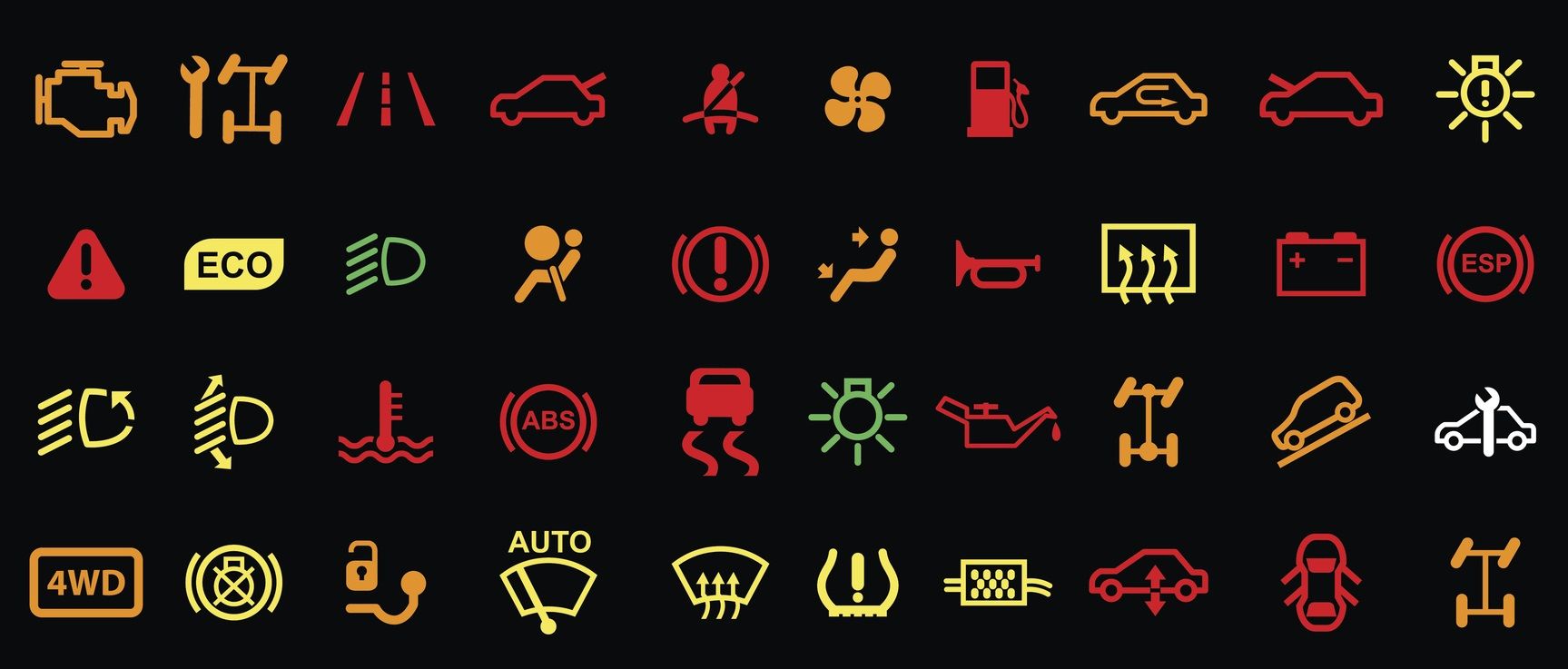
The ABS warning light relates to the anti-lock braking system. It helps prevent wheel lock during sudden braking.
| Light Color | Meaning |
| Yellow | Check ABS soon |
| Red | Immediate attention needed |
Brake System Warning
The brake system warning light indicates a problem. It can be low brake fluid or worn-out pads.
Credit: www.sunridgemazda.com
Dashboard Warning Lights
Your car dashboard shows warning lights to keep you safe. These lights tell you when something needs attention.
Understanding these symbols helps you act quickly and avoid damage to your vehicle.
Engine Warning Light
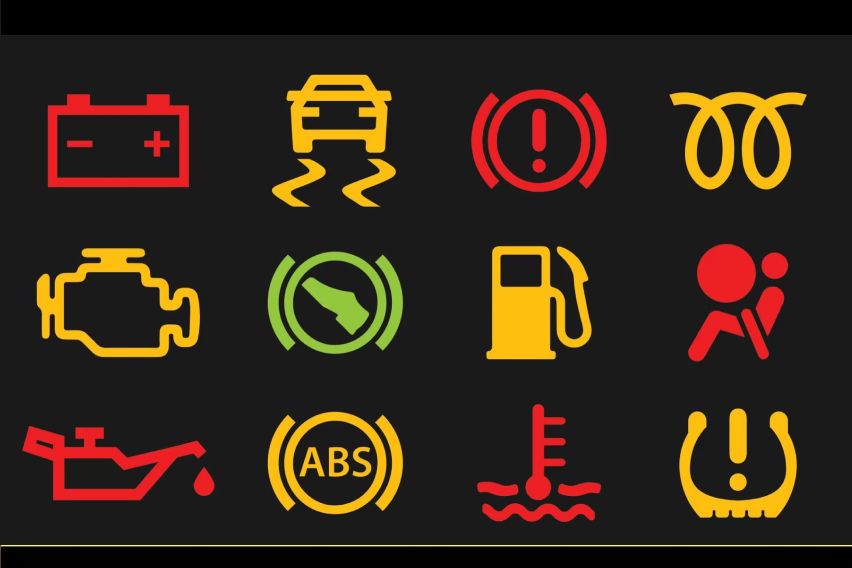
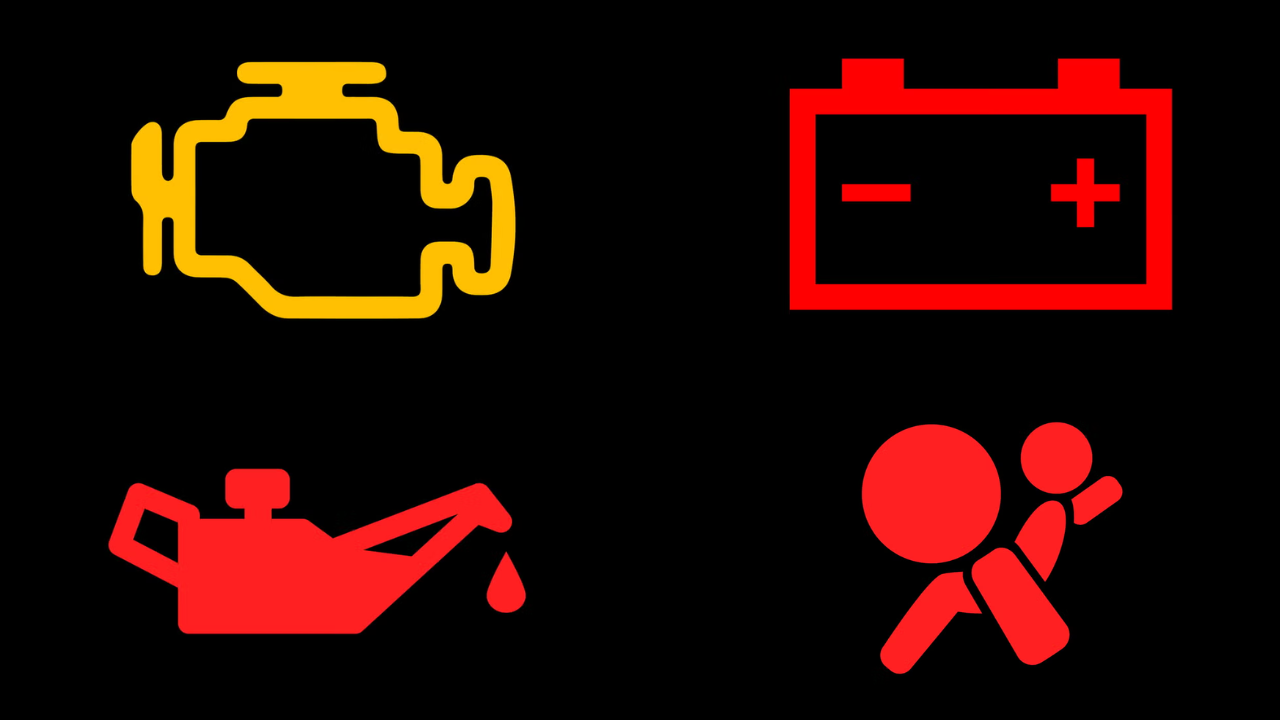
The engine warning light looks like an engine icon. It signals a problem in the engine system.
If this light turns on, your car may have issues like fuel system trouble or emission problems.
Oil Pressure Light
The oil pressure light warns about low oil pressure. It looks like an oil can dripping oil.
- Stop your car safely as soon as possible.
- Check the oil level with the dipstick.
- Add oil if the level is low.
- Visit a mechanic if the light stays on.
Battery Alert
The battery alert shows a battery symbol. It means the car’s charging system has a problem.
This light may come on if the alternator or battery is failing. You might experience dim lights or difficulty starting.
Tire Pressure Indicator
The tire pressure indicator looks like an exclamation mark inside a flat tire shape. It signals low tire pressure.
| Tire | Recommended Pressure (PSI) | Warning Signs |
| Front Left | 32 | Light on dashboard, soft feel |
| Front Right | 32 | Light on dashboard, poor handling |
| Rear Left | 30 | Light on dashboard, uneven wear |
| Rear Right | 30 | Light on dashboard, vibration |
Emergency And Safety Signals
Car lights show important messages about your vehicle’s safety. They alert you in emergencies or when a problem occurs.
Understanding these signals helps you stay safe on the road and avoid accidents.
Emergency Flashers
Emergency flashers make all turn signals blink at once. They warn other drivers of danger or a stopped vehicle.
- Use emergency flashers if your car breaks down
- Turn them on if you stop suddenly on the road
- They help prevent collisions by making your car more visible
Seatbelt Reminder
This light reminds you to fasten your seatbelt before driving. It usually shows a red icon of a person with a seatbelt.
| Light Color | Meaning |
| Red | Seatbelt not fastened |
| Off | Seatbelt fastened properly |
Airbag Warning
This warning light shows if there is a problem with the airbag system. It looks like a person with a circle in front.
If this light stays on, your airbags may not work in a crash. Check the airbag system as soon as possible. Do not ignore this warning.
Maintenance And Inspection Lights
Maintenance and inspection lights alert you to problems in your car. They help keep your vehicle safe and running well.
These lights show when you need to check parts or fix issues. Paying attention to them can stop bigger problems.
Check Engine Light
The check engine light comes on when the car detects a problem. It can mean something simple or more serious.
Do not ignore this light. It is best to have a mechanic check it soon to avoid damage.
Service Reminder
The service reminder light tells you when your car needs regular maintenance. This can include oil changes or inspections.
Following the service schedule helps your car run smoothly and lasts longer.
- Oil and filter change
- Brake check
- Tire rotation
- Fluid level check
Coolant Temperature Light
The coolant temperature light warns when the engine is too hot. Overheating can cause serious engine damage.
If this light comes on, stop the car safely. Let the engine cool before checking the coolant level or calling for help.
Tips For Responding To Car Lights
Car lights are important signals from your vehicle. They alert you to issues that need attention. Understanding these lights can help you respond safely and effectively.
Knowing how to react to car lights can prevent accidents and costly repairs. It’s important to learn what each light means and what actions to take.
Safe Reaction To Warning Lights
Warning lights indicate problems or maintenance needs. It is crucial to react promptly and safely to these signals.
If a warning light appears while driving, find a safe place to stop. Check your car manual to understand the light’s meaning.
- Stop driving if the light is red or flashing.
- Reduce speed and drive carefully for yellow lights.
- Check your manual for specific instructions.
When To Seek Professional Help
Some car lights require a professional’s attention. Ignoring these can lead to bigger problems.
Visit a mechanic if you see the check engine light. Other lights, like brake or airbag, also need expert help.
- Check engine light means engine issues.
- Brake light signals possible brake failure.
- Airbag light suggests a safety concern.
Preventive Measures
Preventive care reduces the chance of warning lights appearing. Regular maintenance keeps your car running smoothly.
Schedule routine check-ups for your vehicle. Replace parts as needed to avoid malfunctions.
| Action | Frequency |
| Oil change | Every 3,000-5,000 miles |
| Tire check | Monthly |
| Brake inspection | Every 6 months |
Credit: www.timesdrive.in
Frequently Asked Questions
What Do Different Car Light Colors Mean?
Car light colors indicate various signals. Red lights usually mean stop or braking. Amber lights warn or signal turns. White lights are for headlights and reverse. Blue lights often show high beams. Understanding these colors improves road safety and communication.
Why Is My Car’s Check Engine Light On?
The check engine light signals engine or emission issues. It can mean anything from a loose gas cap to serious engine trouble. It’s important to diagnose it quickly using an OBD-II scanner or professional help to avoid costly repairs.
When Should I Use High Beam Headlights?
Use high beams on dark, empty roads with no oncoming traffic. They improve visibility but can blind other drivers. Switch to low beams when you see another vehicle or in foggy conditions to ensure safety.
What Does A Blinking Car Light Indicate?
A blinking car light often means a warning or alert. For example, a blinking turn signal shows an active indicator. A blinking check engine or battery light signals potential malfunctions requiring immediate attention.
Conclusion
Understanding car light meanings helps you drive safer every day. These lights warn, guide, and protect all road users. Knowing each signal keeps you alert and ready on the road. Pay attention to your car’s lights and act quickly if needed.
Clear knowledge makes driving easier and prevents accidents. Stay safe by learning these simple but important signals. Your awareness can save lives and avoid trouble. Keep these meanings in mind every time you drive.







