
Are your car lights not shining as bright as they should? Installing new car lights can make a huge difference in how safe and stylish your vehicle looks and drives.
Whether you want better visibility at night or a fresh look that turns heads, knowing the right way to install your car lights is key. You’ll discover simple steps and expert tips to get the job done right, saving you time and money.
Ready to light up the road ahead? Let’s dive in!
Choosing The Right Car Lights
Car lights are important for safety and style. Picking the right lights helps you see well and be seen by others.
There are many types of car lights. Each type has a special use. It is key to match lights to your car and follow the law.
Types Of Car Lights
Different lights serve different purposes on a car. Knowing each type helps you choose the best one.
- Headlights: Light the road ahead at night or in bad weather.
- Fog Lights: Help see in fog, rain, or snow close to the ground.
- Daytime Running Lights: Keep your car visible during the day.
- Turn Signals: Show other drivers when you plan to turn or change lanes.
- Brake Lights: Alert drivers behind you when you slow down or stop.
- Reverse Lights: Shine when you back up to warn others.
Matching Lights To Your Vehicle
Choose lights that fit your car’s style and needs. Check your car manual for compatible types and sizes.
| Light Type | Best For | Notes |
| Halogen | Standard use | Affordable and easy to replace |
| LED | Energy saving | Longer life and bright light |
| HID (Xenon) | High brightness | Use with proper housing only |
Legal Considerations
Car lights must follow local laws for safety. The wrong lights can cause fines or accidents.
- Use only approved light colors and brightness levels.
- Do not tint lights or use covers that reduce visibility.
- Check if your state requires daytime running lights.
- Replace broken or dim lights right away.
- Make sure turn signals and brake lights work properly.

Credit: seriousinnovations.com
Tools And Materials Needed
Installing car lights requires the right tools and materials. Preparing these before you start will save time. It also helps you avoid mistakes during installation.
This guide covers essential tools, safety gear, and additional supplies needed for car light installation. Each section provides clear details to help you gather everything needed.
Essential Tools
You need some basic tools for installing car lights. These tools help you remove old lights and fix new ones properly. Keep them handy for a smooth process.
- Screwdrivers (flathead and Phillips)
- Socket wrench set
- Wire strippers and cutters
- Electrical tape
- Multimeter for checking connections
- Pliers
- Trim removal tools
Safety Gear
Safety gear protects you while working on your car. Wear these items to avoid injuries from sharp parts or electric shocks.
| Safety Gear | Purpose |
| Gloves | Protect hands from cuts and dirt |
| Safety Glasses | Protect eyes from debris and sparks |
| Closed-toe Shoes | Prevent foot injuries |
| Long-sleeve Shirt | Protect arms from scratches |
Additional Supplies
Besides tools and safety gear, some supplies make the installation easier. These items help with wiring and securing the lights.
Here are some extra supplies you should have:
- Replacement bulbs or LED units
- Zip ties for securing wires
- Silicone grease to protect connectors
- Cleaning cloths to wipe surfaces
- Heat shrink tubing for insulating wires
Preparing For Installation
Installing new car lights requires careful preparation. This ensures a safe and smooth process.
Before starting, check your vehicle and tools. Proper steps help avoid damage and errors.
Inspecting Existing Wiring
Look closely at the current wiring system. Check for any damage or loose connections.
- Find worn or cracked wires
- Look for corrosion or rust on connectors
- Ensure wires are not tangled or pinched
- Verify wiring matches the new light specifications
Disconnecting The Battery
Always disconnect the car battery before starting. This prevents electric shocks and short circuits.
| Step | Action |
| 1 | Turn off the ignition and all lights |
| 2 | Locate the battery under the hood |
| 3 | Use a wrench to loosen the negative terminal |
| 4 | Remove the negative cable carefully |
Cleaning The Installation Area
Clear the area where you will install the lights. Dirt and dust can cause poor connections.
Use these tips to clean the area:
- Wipe surfaces with a clean cloth
- Remove any grease or oil
- Check for moisture and dry the area
- Ensure no debris blocks wiring paths
Step-by-step Installation Guide
Installing car lights on your own can be a rewarding task. This guide will help you through the process with clear steps.
Follow the instructions to ensure your car lights are installed correctly and safely.
Removing Old Lights
Start by disconnecting the battery to avoid any electrical issues. This is crucial for your safety.
- Locate the screws holding the light fixture.
- Use a screwdriver to remove the screws carefully.
- Gently pull out the old light fixture.
Mounting New Fixtures
After removing the old lights, it is time to mount the new fixtures. Make sure they fit correctly.
| Step | Description |
| 1 | Align the new fixture with the mounting holes. |
| 2 | Insert and tighten the screws securely. |
| 3 | Check the fixture’s stability. |
Connecting Wiring Properly
The final step is to connect the wiring. Ensure all connections are secure to prevent any malfunctions.
Make sure to connect the positive and negative wires to the correct terminals. Proper alignment is key to avoid short circuits.
Testing And Adjustments
Proper car lights installation requires careful testing and adjustments. This ensures safe driving at night and in bad weather.
Check all lights after installation. Adjust settings to meet legal and safety standards.
Checking Light Functionality
Start by turning on each light to see if it works. Test headlights, brake lights, turn signals, and reverse lights.
- Switch on the headlights and check brightness
- Press the brake pedal to test brake lights
- Activate turn signals on both sides
- Put the car in reverse to test backup lights
- Look for any flickering or dim lights
Aligning Headlights
Proper alignment helps you see the road clearly without blinding other drivers. Use a flat surface and a wall for checking alignment.
| Step | Action | Result |
| 1 | Park car 25 feet from wall | Good distance for aiming |
| 2 | Turn on low beam headlights | Lights should form two bright spots |
| 3 | Adjust vertical screws | Bright spots should be level with car height |
| 4 | Adjust horizontal screws | Lights should point straight ahead |
Troubleshooting Common Issues
Lights may not work well after installation due to wiring or bulb problems. Check these common causes.
- Check for loose or damaged wires
- Replace blown bulbs immediately
- Inspect fuses related to lighting circuits
- Clean dirty or foggy light covers
- Test switch functions for proper operation
Maintaining Your Car Lights
Car lights are essential for safe driving. They help you see and be seen on the road.
Regular maintenance ensures your lights function properly. This guide will help you with simple tips.
Regular Cleaning Tips
Keeping your car lights clean is vital. Dirt and grime can dim your lights.
- Use a soft cloth and mild soap for cleaning.
- Avoid harsh chemicals to prevent damage.
- Ensure lights are dry after cleaning to avoid moisture buildup.
Replacing Bulbs
Bulbs can burn out over time. Replacing them is necessary for optimal performance.
Follow these steps to replace your bulbs safely:
- Turn off your car and lights.
- Access the bulb by opening the car’s hood or rear panel.
- Carefully remove the old bulb and insert the new one.
- Test the new bulb before closing the hood or panel.
Preventing Electrical Problems
Electrical issues can affect your car lights. Prevention is key to avoiding these problems.
| Issue | Prevention |
| Loose connections | Regularly check and tighten connections |
| Corrosion | Clean battery terminals and apply protective spray |
| Faulty wiring | Inspect wiring and replace damaged wires |
Regular checks can save you from unexpected issues. Keep your car lights working well for safe driving.
Upgrading To Advanced Lighting
Car lighting has improved a lot in recent years. Upgrading your car lights can increase safety and style. New lighting technology offers better visibility on the road.
This guide looks at three key areas: LED vs. Halogen, installing fog lights, and smart lighting systems. Each section explains the benefits and options for upgrading your car lights.
Led Vs. Halogen
LED and halogen lights are the most common car light types. LEDs use less power and last longer. Halogen bulbs are cheaper but need more energy.
| Feature | LED | Halogen |
| Energy Use | Low | High |
| Lifespan | Long (up to 25,000 hours) | Short (about 1,000 hours) |
| Cost | Higher | Lower |
| Brightness | Bright, clear light | Less bright |
Installing Fog Lights
Fog lights help drivers see better in fog, rain, and snow. They shine low and wide to reduce glare. Many cars do not come with fog lights from the factory.
- Choose fog lights that fit your car model.
- Place lights low on the front bumper.
- Use yellow or white bulbs for best results.
- Check local laws for fog light use.
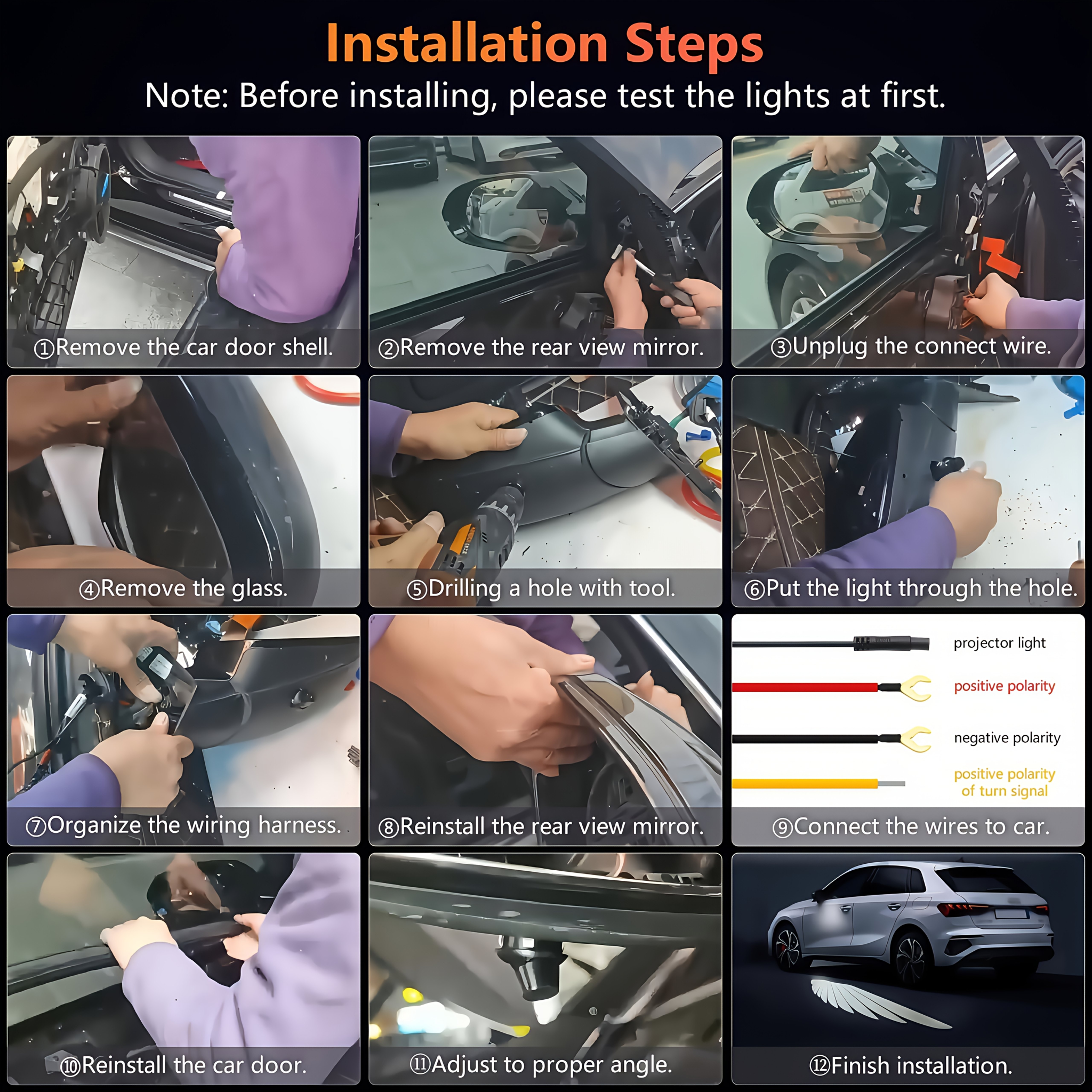
Smart Lighting Systems
Smart lighting systems adjust light automatically. They can change brightness or direction to suit the road. These systems improve safety and reduce glare for other drivers.
Common features of smart lighting systems:
- Automatic high beam control
- Adaptive headlights that turn with the steering
- Daytime running lights for better daytime visibility
- Integration with sensors and cameras

Credit: www.amazon.com
Credit: www.temu.com
Frequently Asked Questions
What Are The Types Of Car Lights Installation?
Car lights installation includes headlights, taillights, fog lights, and daytime running lights. Each type serves specific visibility and safety purposes. Proper installation ensures optimal performance and compliance with traffic laws. Choose the right light type based on your car model and driving needs.
How Long Does Car Lights Installation Take?
Car lights installation typically takes 30 to 60 minutes. Time varies depending on the light type and vehicle complexity. Professional installation is faster and ensures correct wiring. DIY installation may require more time but can save costs if done carefully.
Can I Install Car Lights Myself?
Yes, you can install car lights yourself if you have basic tools and knowledge. Follow the vehicle manual and safety guidelines closely. Incorrect installation can cause electrical issues or poor lighting. If unsure, seek professional help to avoid damage or accidents.
Are Led Lights Better For Car Installation?
LED lights are energy-efficient, brighter, and longer-lasting than traditional bulbs. They improve visibility and reduce power consumption. LED installation may cost more initially but offers better performance and durability. Always choose compatible LED lights for your car model.
Conclusion
Installing car lights improves safety and visibility on the road. Choose the right lights for your vehicle and needs. Follow the instructions carefully for a proper fit. Test the lights before driving to ensure they work well. Regular checks keep your lights bright and reliable.
Bright lights help you see better at night or in bad weather. Good lighting also lets others see you clearly. A simple upgrade can make a big difference in driving safety. Take your time and enjoy the improved driving experience.







