
Have you ever tried to use your car lighter only to find it’s not working? That small fuse inside your car lighter might be the reason.
Understanding the car lighter fuse is key to keeping your vehicle’s accessories running smoothly. You’ll discover why this tiny part matters, how to spot when it’s blown, and simple steps to fix it yourself. Keep reading to avoid getting stuck without power when you need it most.

Credit: www.reddit.com
Car Lighter Fuse Basics
The car lighter fuse protects your vehicle’s electrical system. It stops damage from power surges or short circuits.
Knowing about the fuse helps you fix problems and keep your car safe.
Purpose Of The Fuse
The fuse acts as a safety device in the car lighter socket. It breaks the circuit if too much current flows. This stops wires from overheating or catching fire.
- Protects the car’s electrical parts
- Prevents damage to devices plugged into the lighter
- Stops electrical fires caused by short circuits
- Makes sure the car’s system works properly
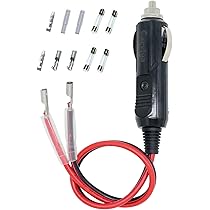
Common Fuse Types
Car lighter fuses come in different types and sizes. Each type fits a certain car model and electrical need.
| Fuse Type | Description | Typical Use |
| Blade Fuse | Flat, plastic body with metal prongs | Most common in modern cars |
| Glass Tube Fuse | Small glass body with metal ends | Older cars and some accessories |
| Mini Fuse | Smaller blade type for tight spaces | Compact cars and motorcycles |
| Resettable Fuse | Polymer fuse that resets after overload | Special circuits, reusable protection |
Signs Of A Blown Fuse
A blown fuse in your car lighter can cause frustration. It stops the lighter from working and may affect other electrical parts. Knowing the signs helps you fix the problem faster.
Fuses protect your car’s electrical system. They stop damage when there is too much current. When a fuse blows, it breaks the circuit and stops power flow.
No Power To Car Lighter
The most clear sign of a blown fuse is no power to the car lighter. You might plug in a charger or lighter, but nothing works. The socket may feel loose or have no heat.
- The lighter does not heat up or spark.
- Charging devices do not get power from the socket.
- The lighter socket feels cold or dead.
- No light or indicator near the socket when in use.
Other Electrical Issues
A blown fuse for the car lighter can affect other electrical parts. Some cars link the lighter fuse to other devices. These issues may appear along with the lighter problem.
| Electrical Issue | Possible Sign |
| Power outlets | Other sockets stop working |
| Dashboard lights | Some lights dim or fail |
| Radio or audio | Sound stops or cuts out |
| Interior lights | Lights flicker or do not turn on |
Tools Needed For Replacement
Replacing a car lighter fuse is simple if you have the right tools. These tools help you find and safely remove the fuse.
Using the correct tools prevents damage to the fuse box and ensures the new fuse works well.
Fuse Puller
A fuse puller is a small tool designed to remove fuses easily. It grips the fuse so you do not hurt your fingers or damage the fuse.
Most fuse pullers are made of plastic and have a tweezer-like shape. They fit into tight spaces inside the fuse box.
- Helps remove fuses without breaking them
- Prevents electric shocks by insulating your hands
- Fits into small fuse slots easily
Multimeter
A multimeter checks if the fuse is working correctly. It measures electric current, voltage, and resistance.
Using a multimeter helps you find a blown fuse before replacing it. This saves time and avoids unnecessary replacements.
- Set to measure continuity or resistance
- Touch the fuse ends with the probes
- Beep or zero reading means the fuse is good
- No beep or high reading means the fuse is blown
Locating The Car Lighter Fuse
The car lighter fuse is essential for powering your car’s accessories. Knowing its location can save you time.
Fuses protect electrical circuits in your car. If your car lighter isn’t working, checking the fuse is a good start.
Fuse Box Locations
Fuse boxes are usually found in a few common areas inside your vehicle. Knowing these locations can help you find the car lighter fuse.
- Under the dashboard on the driver’s side
- Inside the glove compartment
- In the engine bay near the battery
Using The Owner’s Manual
The owner’s manual is a helpful tool for locating the car lighter fuse. It provides detailed diagrams and instructions.
Step-by-step Fuse Replacement
Replacing a car lighter fuse is simple and safe. It helps restore power to the lighter socket. Follow the steps carefully to avoid damage.
Make sure your car is off before starting. Gather the tools and a replacement fuse that fits your car model.
Removing The Old Fuse
Locate the fuse box in your car. It is often under the dashboard or near the engine. Use the fuse puller or pliers to remove the old fuse gently.
- Turn off the car ignition and remove the key.
- Open the fuse box cover carefully.
- Find the car lighter fuse using the diagram on the cover.
- Use a fuse puller or pliers to pull out the fuse.
- Check if the fuse wire inside is broken or burnt.
Choosing The Right Fuse
Choosing the right fuse is important. The fuse must match the amperage and type needed for your car lighter socket.
| Fuse Type | Amperage | Use |
| Mini Blade | 10A | Common in modern cars |
| Standard Blade | 15A | Older vehicles |
| Micro Blade | 7.5A | Some compact cars |
| Ceramic | 10A-20A | High heat resistance |
Installing The New Fuse
Install the new fuse by following these simple steps. Make sure the new fuse fits tightly in the slot.
- Check the fuse box diagram to confirm the fuse position.
- Insert the new fuse into the correct slot firmly.
- Close the fuse box cover securely.
- Turn on the car and test the lighter socket.
- If it does not work, recheck the fuse and connection.
Preventing Future Fuse Issues
Car lighter fuses can be tricky. They protect your car’s electrical system. Knowing how to prevent fuse issues is key to keeping your car running smoothly.
Fuses blow when they handle too much power. This is common with car lighter fuses. Taking steps to avoid problems can save you time and money.
Avoiding Overloads
Overloading your car’s electrical system is a common mistake. Too many devices can cause a fuse to blow. This is because the power demand becomes too high.
Use only one device at a time in your car’s lighter socket. Avoid devices that need high power. This keeps your fuse from blowing.
- Limit device use in the car
- Check device power needs before use
- Use car-approved chargers only
Regular Maintenance Tips
Regular checks can help you spot issues early. Check your car’s fuses often. This helps you see if they show any wear or damage.
Replace old fuses before they blow. Keep spare fuses in your car. This way, you’re ready if one fails unexpectedly.
- Inspect fuses every few months
- Replace damaged fuses immediately
- Keep spare fuses in your glove box
When To Seek Professional Help
Car lighter fuses protect your vehicle’s electrical system. Sometimes, problems with these fuses need expert care.
Knowing when to get professional help saves time and prevents damage to your car.
Persistent Electrical Problems
If your car lighter fuse blows often, it signals a deeper issue. Replacing the fuse repeatedly will not fix the root cause.
Electric systems are complex. A professional can find hidden faults that cause repeated fuse failures.
- Fuse blows soon after replacement
- Other electrical parts stop working
- Car battery drains quickly
Complex Wiring Issues
Wiring problems can cause shorts or overloads that blow the car lighter fuse. These issues are hard to spot and fix.
Professionals use tools to test and repair wiring safely. DIY fixes can cause more harm or be unsafe.
- Damaged or frayed wires near the fuse box
- Signs of melted insulation or burn marks
- Unexplained electrical shorts or sparks

Credit: www.reddit.com
Credit: www.amazon.ca
Frequently Asked Questions
What Is A Car Lighter Fuse?
A car lighter fuse protects the cigarette lighter circuit from electrical damage. It prevents overheating and potential fires by breaking the circuit if current is too high.
How To Check If A Car Lighter Fuse Is Blown?
Inspect the fuse visually or use a multimeter. A blown fuse appears broken or burnt. Replace immediately to restore functionality.
Where Is The Car Lighter Fuse Located?
The car lighter fuse is usually found in the fuse box. Check your vehicle’s manual for the exact location and fuse specifications.
Can A Blown Car Lighter Fuse Affect Other Devices?
Yes, a blown fuse can disable devices connected to the cigarette lighter socket, such as chargers and GPS units.
Conclusion
A car lighter fuse protects your vehicle’s electrical system. It stops damage by breaking the circuit when needed. Checking the fuse regularly keeps your car safe. Replacing a blown fuse is quick and easy. Use the right fuse type and rating for your car.
Understanding this small part helps avoid bigger problems. Keep your car running smoothly by caring for the fuse. Simple steps make a big difference in car safety and function.







