
Have you ever noticed a car light with an exclamation point appear on your dashboard and felt a sudden rush of worry? That little symbol might seem confusing or scary, but understanding what it means can save you from unexpected troubles.
This light is your car’s way of alerting you to something important. You’ll learn exactly why this warning shows up, what you should do next, and how to keep your vehicle running smoothly. Keep reading to take control of your car’s health and avoid costly repairs down the road.
Credit: www.toyotaofeasley.com
Exclamation Point Light Basics
The car light with an exclamation point is a warning signal. It alerts you to check your vehicle soon.
This light can mean different problems. It is important to know what it tells you.
Common Warning Indicators
The exclamation point light often appears with other symbols. These symbols show specific issues.
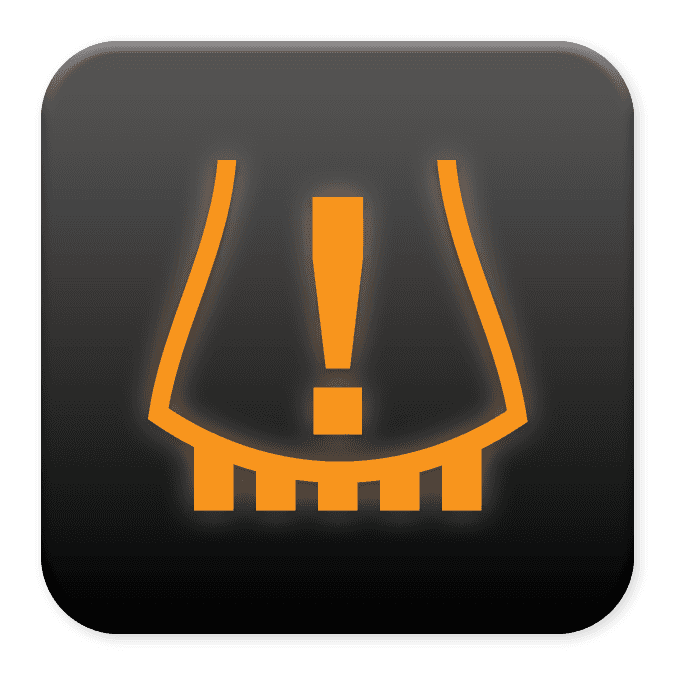
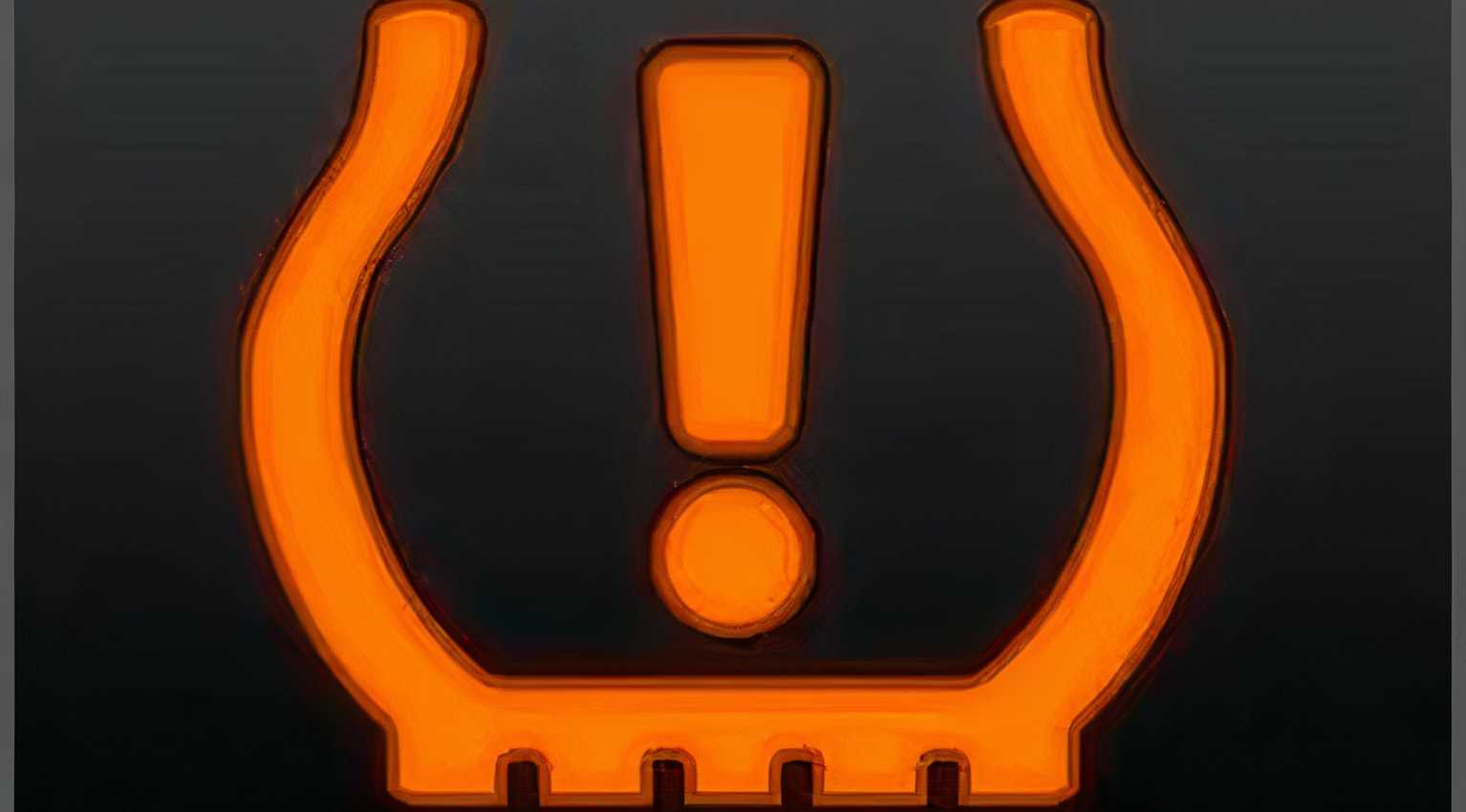
- Tire Pressure Warning: Shows low tire pressure in one or more tires.
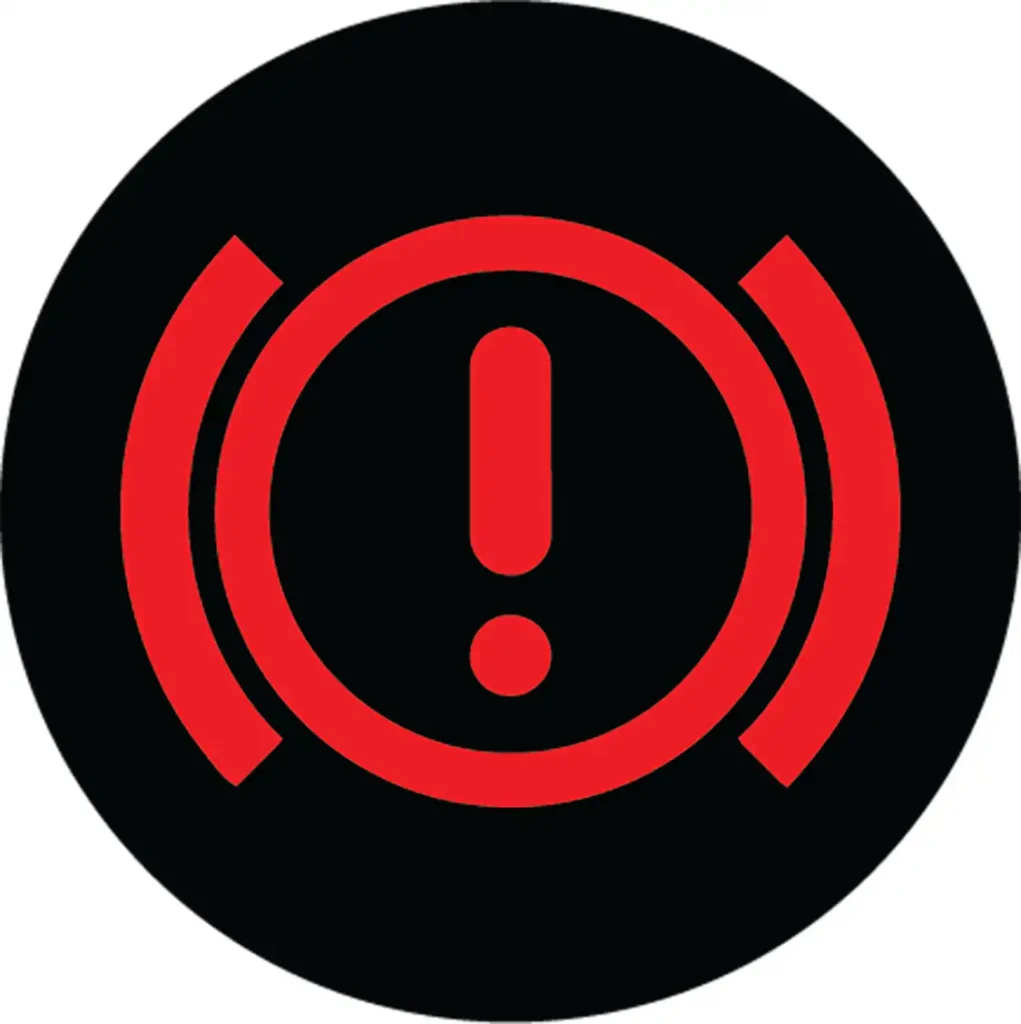
- Brake System Alert: Signals a problem with brakes or brake fluid.
- Traction Control Warning: Indicates the traction control system is active or has a fault.
- General Warning Light: A broad alert for various minor faults or maintenance needs.
Why It Appears On Your Dashboard
This light appears to keep you safe. It tells you when something needs attention.
Ignoring the light can cause bigger problems. Check the issue quickly to avoid damage.
- Low tire pressure can cause poor handling and wear.
- Brake issues affect your ability to stop safely.
- Traction control problems reduce vehicle stability.
- Other warnings can mean engine or system faults.
Types Of Exclamation Point Lights
The exclamation point light on your car’s dashboard warns you about important issues. It shows when a system needs your attention.
These lights come in different types. Each type points to a specific problem in your vehicle.
Brake System Warning
The brake system warning light with an exclamation point signals a brake issue. It could mean low brake fluid or worn brake pads.
- Check brake fluid level immediately.
- Inspect brake pads for wear.
- Do not drive if brakes feel weak.
- Seek professional help if the light stays on.
Tire Pressure Alert
This exclamation point light shows a problem with tire pressure. It means one or more tires have low air.
| Tire | Recommended Pressure (psi) | Warning Level |
| Front Left | 32 | Below 28 |
| Front Right | 32 | Below 28 |
| Rear Left | 30 | Below 26 |
| Rear Right | 30 | Below 26 |
Check tire pressure with a gauge and fill air as needed. Proper pressure keeps you safe and saves fuel.
General Warning Signals
Some exclamation point lights warn about general car problems. They may appear in a triangle or circle shape.
Common general warnings include:
- Check engine light issues
- Battery charging problems
- Door or trunk open alerts
- Traction control system alerts
If you see a general warning light, check your car’s manual. It will tell you what action to take.
Diagnosing The Issue
The car light with an exclamation point signals a problem. It often relates to brakes or tires. You should check it quickly to avoid danger.
This guide helps you diagnose the issue using simple checks. You can inspect brake fluid, tire pressure, and scan for error codes.
Checking Brake Fluid Levels
Low brake fluid can trigger the warning light. Open the hood and find the brake fluid reservoir. Check the fluid level against the marked lines.
- If the fluid is below the minimum line, add the recommended brake fluid.
- Do not overfill the reservoir.
- Look for leaks around brake lines and connections.
- Wear gloves and avoid spilling brake fluid on paint.
Inspecting Tire Pressure
Incorrect tire pressure causes the warning light to come on. Use a tire pressure gauge to check each tire. Compare readings to the recommended pressure.
| Tire Position | Recommended Pressure (PSI) | Check Tips |
| Front Left | 32 | Check when tires are cold |
| Front Right | 32 | Use a reliable gauge |
| Rear Left | 30 | Look for visible damage |
| Rear Right | 30 | Inflate if below minimum |
Using An Obd-ii Scanner
An OBD-II scanner helps find the exact cause of the warning light. Plug it into your car’s port under the dashboard. The device reads error codes stored in the computer.
Common OBD-II scanner steps:
- Turn off the engine before connecting the scanner.
- Plug the scanner into the OBD-II port.
- Turn on the ignition without starting the engine.
- Follow the scanner’s instructions to read codes.
- Look up the codes in the scanner manual or online.
Credit: www.streettrucksmag.com
Fixing Brake System Warnings
The car light with an exclamation point is a brake system warning. Ignoring this light can lead to unsafe driving conditions. This guide will help you address common brake system issues.
Understanding and fixing these warnings can prevent accidents. Let’s explore some basic solutions you can try before visiting a mechanic.
Refilling Brake Fluid
Low brake fluid can trigger the warning light. Check your car’s manual for the brake fluid reservoir location. Make sure the fluid level is between the minimum and maximum marks.
If the fluid is low, refill it with the correct type. Always use the recommended brake fluid type for your car model.
Brake Pad Inspection And Replacement
Worn brake pads can also cause the warning light. Inspect the brake pads for wear. If they are thin or damaged, they need replacement.
Replacing brake pads is essential for safe braking. Consult your car’s manual or get help from a professional if needed.
When To See A Mechanic
If the warning light stays on after checking fluid and pads, see a mechanic. Persistent warnings might indicate more serious issues.
A professional can diagnose problems like brake line leaks or ABS issues. It is safer to let experts handle complex brake problems.
Resolving Tire Pressure Alerts
The car light with an exclamation point often signals a tire pressure problem. This alert helps keep you safe on the road. Low tire pressure can cause poor handling and wear on tires.
Fixing this issue is simple. You need to check your tire pressure, inflate tires properly, and reset the warning light.
How To Check Tire Pressure
Check your tire pressure when the tires are cold. Use a reliable tire pressure gauge for accuracy. Find the recommended pressure in your car manual or on the door frame.
Remove the valve cap and press the gauge onto the valve stem. Read the number on the gauge to see the current pressure.
- Check all four tires plus the spare, if you have one
- Compare the reading with the recommended pressure
- Note any tires that are underinflated
Inflating Tires Correctly
Use an air compressor to add air to low tires. Inflate tires to the recommended pressure only. Overinflation can be dangerous.
After inflating, check the pressure again with your gauge. Adjust the air if needed. Replace the valve caps securely.
- Do not inflate tires while they are hot
- Fill tires slowly to avoid overpressure
- Check tire pressure monthly for safety
Resetting The Tpms Light
The Tire Pressure Monitoring System (TPMS) light stays on until you reset it. Some cars reset automatically after driving. Others need a manual reset.
To reset manually, find the TPMS reset button. It is often under the steering wheel or in the glove box. Press and hold it until the light blinks off.
- Turn the car on but do not start the engine
- Press and hold the reset button for 3 seconds
- Drive the car for 10-15 minutes to complete the reset
Other Warning Light Causes
The car light with an exclamation point can mean many problems. It is not always about tires.
This light warns you to check the car soon. It could be electrical, sensor, or software issues.
Electrical System Issues
Electrical problems often cause the warning light to come on. Loose wires or bad batteries can be the cause.
A weak alternator may not charge the battery well. This can trigger warning lights on the dashboard.
- Loose or corroded battery cables
- Faulty alternator or charging system
- Blown fuses or damaged wiring
- Bad ground connections
Sensor Malfunctions
The warning light may come from sensor problems. Sensors tell the car computer about parts working.
If a sensor is broken or dirty, it sends wrong signals. This can turn on the warning light.
- Faulty wheel speed sensors
- Dirty or damaged tire pressure sensors
- Malfunctioning brake system sensors
- Problems with engine or transmission sensors
Software And Ecu Updates
The car’s software controls many systems. Sometimes it needs updates to fix errors.
If the ECU (engine control unit) has old software, warning lights may appear wrongly. Updates can fix this.
- ECU software bugs causing false warnings
- Required updates from the car maker
- Resetting the system after repairs
Preventive Maintenance Tips
Seeing a car light with an exclamation point can be alarming. It’s usually a warning sign for important issues. Regular maintenance helps prevent these warnings.
Understanding the light’s meaning and taking preventive measures is essential. It ensures your car runs safely and efficiently.
Regular Brake Checks
Brakes are vital for your safety. Check them regularly to avoid problems. This keeps your braking system in top condition.
Listen for unusual noises when braking. Squeaking or grinding indicates a need for inspection.
- Schedule brake checks twice a year
- Replace brake pads when worn
- Check brake fluid levels monthly
Routine Tire Inspections
Good tire condition ensures a smooth ride. Inspect your tires regularly for wear and proper inflation.
Proper tire maintenance improves fuel efficiency. It also enhances safety by providing better traction.
- Check tire pressure monthly
- Rotate tires every 6,000 miles
- Inspect treads for uneven wear
Dashboard Light Awareness
Dashboard lights communicate important information. Understanding these signals helps in addressing issues promptly.
A light with an exclamation point often relates to tire pressure or brake issues. Consult your manual for specific meanings.
- Learn the meaning of each dashboard light
- Respond to warning lights immediately
- Keep the manual in your glove box
Credit: www.topspeed.com
Frequently Asked Questions
What Does A Car Light With Exclamation Point Mean?
This warning light indicates a potential issue with your vehicle’s brake system or tire pressure. It signals the need for immediate inspection to ensure safety and prevent damage.
Is The Exclamation Point Light A Serious Warning?
Yes, it is serious. It often relates to brake problems or low tire pressure, which can affect driving safety. Address it promptly to avoid accidents or costly repairs.
How To Fix A Car Light With Exclamation Point?
First, check your tire pressure and inflate tires if needed. If the light stays on, inspect brake fluid levels or visit a mechanic for professional diagnosis.
Can I Drive With The Exclamation Point Warning Light On?
It’s not recommended to drive long distances with this warning. Driving may be unsafe if the issue involves brakes or tire pressure. Get your car checked as soon as possible.
Conclusion
The car light with an exclamation point signals a warning. It tells you to check your vehicle soon. Ignoring it can cause bigger problems. Pay attention to your car’s alerts. Staying safe means acting on these signs. Regular car care helps avoid surprises.
Remember, the light wants to protect you. Don’t delay when it appears on your dashboard. Taking quick action keeps your car running well. Stay alert, and drive safely every time.







