
Have you ever noticed the different lights glowing on your car’s dashboard and wondered what they really mean? Those little symbols might seem confusing, but they are there to keep you safe and informed.
Understanding what each car light means can save you time, money, and even prevent serious problems on the road. You’ll learn exactly what those warning signs are telling you and how to respond quickly. Keep reading—you’ll feel more confident and in control every time you get behind the wheel.
Common Dashboard Lights
Dashboard lights tell you important information about your car. They warn you if something needs attention.
Knowing these lights helps you keep your car safe and working well.
Engine Warning Light
This light looks like an engine and means there is a problem. It may be a small or big issue.
Check your engine soon. If it blinks, stop driving and get help immediately.
Battery Alert
The battery light shows if the battery or charging system has a problem. It looks like a battery symbol.
If this light stays on, your car might lose power. Turn off extra electronics and see a mechanic.
Oil Pressure Indicator
This light looks like an oil can. It means your engine oil pressure is low.
Low oil pressure can damage your engine. Stop your car and check the oil level right away.
Brake System Warning
This light shows if there is a problem with the brakes. It often looks like an exclamation mark in a circle.
Check the parking brake is off. If the light stays on, do not drive far and get your brakes checked.
Tire Pressure Monitor
This light looks like an exclamation mark inside a tire shape. It means tire pressure is low or uneven.
Low tire pressure can cause poor driving and damage tires. Check all tires and fill them to the right pressure.
- Find correct tire pressure in your car manual or door sticker
- Use a tire pressure gauge to check pressure
- Inflate tires if pressure is below recommended level
- Check for tire damage if pressure is often low
Color Codes And Their Significance
Car dashboard lights use different colors to show their meaning. Colors help drivers quickly understand the car’s condition.
Each color signals how urgent the issue is. Knowing these colors can keep you safe on the road.
Red Lights
Red lights mean danger or a serious problem. You should stop the car and check the issue right away.
Common red lights include the brake system warning and engine overheating signs. Ignoring these can cause damage or accidents.
- Brake system warning
- Engine temperature warning
- Oil pressure warning
- Battery charge warning
Yellow Or Amber Lights
Yellow or amber lights mean caution or a minor problem. You can keep driving but should check the issue soon.
These lights often warn about low fuel, check engine, or tire pressure. They alert you to fix problems before they get worse.
- Check engine light
- Low fuel warning
- Tire pressure warning
- Traction control alert
Green And Blue Lights
Green and blue lights show that a system is working properly. They are not warnings but helpful signals.
Examples include turn signals, high beam indicators, and cruise control. These lights tell you what features are active.
- Turn signal indicators (green)
- High beam indicator (blue)
- Cruise control active (green)
Safety-related Alerts
Car lights and indicators help keep drivers safe by showing important alerts. These alerts warn you about issues that need attention.
Understanding these lights helps you act quickly and avoid accidents or damage to your car.
Airbag Warning
The airbag warning light shows a problem with the airbag system. If this light stays on, airbags may not work in a crash.
Do not ignore this light. Have your car checked by a mechanic to fix the issue.
Seatbelt Reminder
The seatbelt reminder light turns on when you or passengers do not fasten seatbelts. It is a safety alert to buckle up before driving.
Always wear your seatbelt to protect yourself in case of an accident.
Abs Indicator
The ABS indicator light shows a problem with the Anti-lock Braking System. This system stops your wheels from locking during hard braking.
If the ABS light stays on, your brakes will still work but without ABS help. Get the system checked soon.
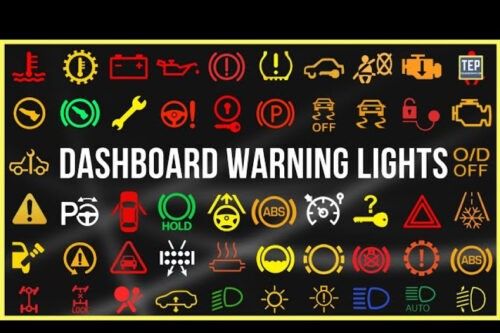
Credit: www.zigwheels.my
Maintenance And Service Lights
Cars have many lights on the dashboard. These lights tell you about your car’s health. Maintenance and service lights warn you about problems or needed care.
Understanding these lights helps keep your car safe. It also saves money by fixing issues early.
Check Engine Light
The check engine light shows when the car’s computer finds a problem. It can be small or serious. The light may blink or stay on.
Common causes include engine issues, sensors, or emissions problems. You should get your car checked as soon as possible.
- Loose gas cap can trigger the light
- Faulty oxygen sensors cause poor fuel use
- Engine misfires may damage the car
Service Required Indicator
This light reminds you to do regular maintenance. It turns on after a set number of miles or time. It helps keep your car running well.
Service may include oil changes, filter replacement, or other checks. Ignoring this light can cause bigger problems later.
- Change engine oil and oil filter
- Check brake pads and fluids
- Inspect tires and tire pressure
Coolant Temperature Warning
This light warns when the engine gets too hot. Overheating can cause serious damage. It may show as a thermometer or temperature gauge.
If this light comes on, stop the car soon. Let the engine cool before checking coolant levels. Call for help if needed.
- Check coolant level in the reservoir
- Look for leaks under the car
- Do not open the radiator cap when hot
How To Respond To Dashboard Alerts
Your car’s dashboard shows alerts to keep you safe. Each light means something different. Knowing what to do can prevent bigger problems.
This guide explains how to act when you see warning lights. Follow these steps to respond properly and keep your car running well.
Immediate Actions
Some dashboard lights need quick action. If a red or flashing light appears, stop driving soon. Pull over safely and check the issue.
- Stop the car in a safe place if the engine or oil light turns on.
- Check for smoke, strange smells, or noises.
- Turn off the engine and wait a few minutes before restarting.
- Look under the car for leaks or damage.
- Do not ignore brake or airbag warnings; they affect your safety.
When To Visit A Mechanic
Some lights mean you should see a mechanic soon. These are usually yellow or orange and signal a problem that needs fixing.
- Check engine light: Schedule a checkup to find engine issues.
- Tire pressure light: Inflate tires or fix leaks at a service center.
- Battery warning: Have the battery and charging system tested.
- Coolant temperature light: Get a mechanic to inspect the cooling system.
- ABS light: Have the brakes checked to avoid safety risks.
Using An Obd-ii Scanner
An OBD-II scanner helps you read the error codes from your car. This tool shows the exact problem behind a warning light.
| Code Type | Description | Action |
|---|---|---|
| P0xxx | Generic engine codes | Check engine components |
| P1xxx | Manufacturer-specific codes | Refer to dealer or mechanic |
| Bxxx | Body codes (airbags, lights) | Inspect affected systems |
| Cxxx | Chassis codes (brakes, suspension) | Check brake or suspension parts |
| Uxxx | Network communication codes | Diagnose electronic systems |

Credit: www.youtube.com
Preventing Dashboard Warnings
Understanding car light meanings is key to preventing dashboard warnings. Regular checks keep your vehicle running smoothly.
Simple maintenance can prevent many warning lights. Let’s explore some essential car care tips.
Regular Vehicle Checks
Regular vehicle checks are vital for a healthy car. Inspect your vehicle monthly for any signs of wear.
Look under the hood and around the car. Check for loose or damaged parts.
- Inspect belts and hoses
- Check for oil leaks
- Test battery connections
Proper Fluid Levels
Fluids are essential for your car’s operation. Check fluid levels to prevent dashboard warnings.
Keep an eye on oil, coolant, and brake fluid levels. Top them up as needed.
- Engine oil
- Brake fluid
- Coolant
- Transmission fluid
Tire Maintenance Tips
Tires affect your vehicle’s safety and efficiency. Proper tire maintenance is crucial for preventing warning lights.
Check tire pressure monthly. Look for any cuts or damage on the tire surface.
- Maintain correct tire pressure
- Rotate tires every 6,000 miles
- Check tread depth
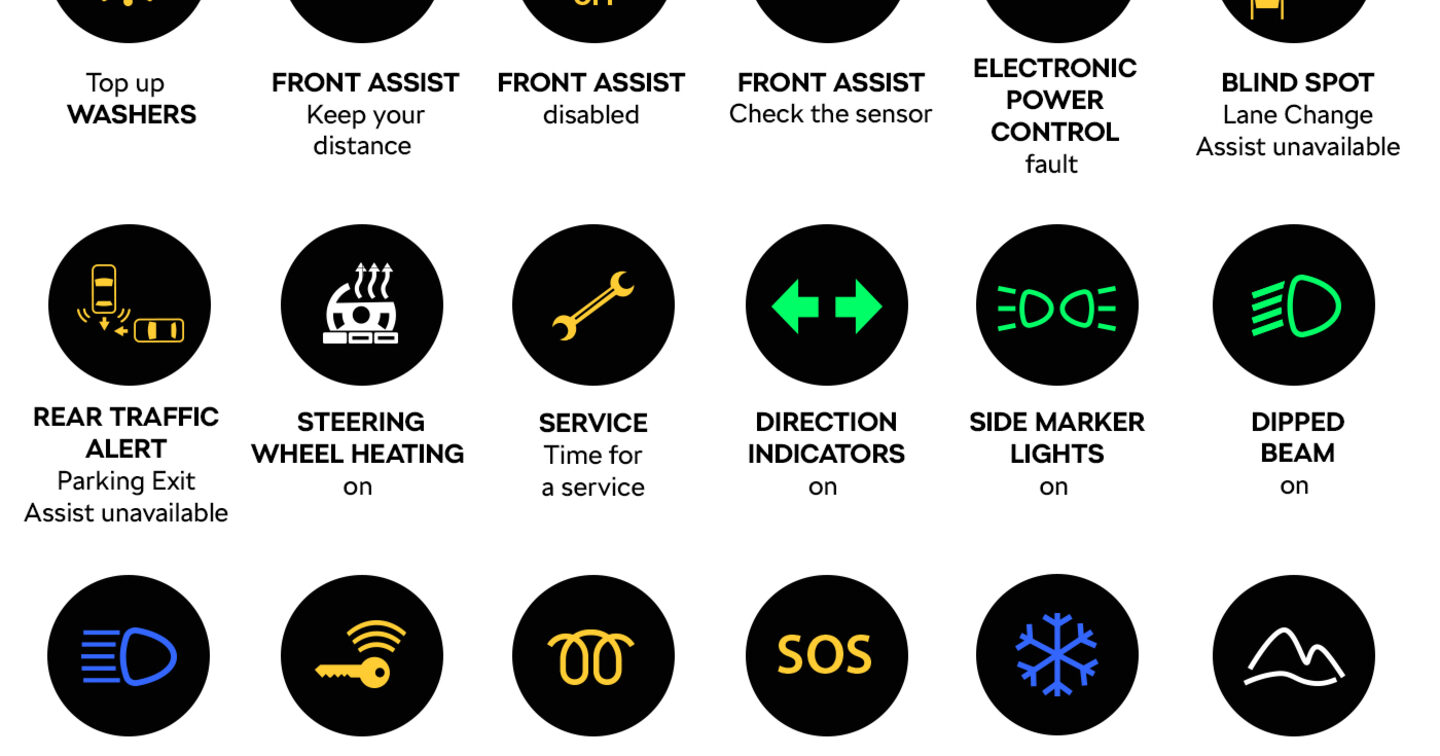
Credit: www.browningsuzuki.co.uk
Frequently Asked Questions
What Does A Red Car Light Indicate?
A red car light signals a serious issue or warning. It often means a critical system needs immediate attention to avoid damage or danger. For example, a red oil pressure or brake warning light requires prompt action for safety and vehicle health.
Why Is My Check Engine Light On?
The check engine light turns on when the car’s computer detects an engine problem. It can indicate issues like a faulty sensor, emissions problem, or engine misfire. It’s important to diagnose the exact cause with a scanner to prevent further damage and maintain performance.
What Does A Yellow Warning Light Mean?
A yellow warning light is a caution signal. It indicates a problem that should be checked soon but is not urgent. For example, it could relate to low fuel, tire pressure, or maintenance reminders. Address these warnings promptly to avoid bigger issues.
How To Interpret Blinking Car Lights?
Blinking car lights usually indicate a fault or alert. For instance, a blinking check engine light suggests a severe engine problem. Blinkers or hazard lights flashing show signaling or emergency warnings. Always consult the owner’s manual to understand specific blinking signals.
Conclusion
Car lights tell you important information while driving. Knowing their meanings helps keep you safe. Pay attention to each light’s color and shape. They warn you about problems or guide your actions. Always check your car manual for specific details.
Understanding these signals makes driving easier and safer. Stay alert and respond quickly to lights on your dashboard. Your car’s lights are there to help you. Trust them to avoid trouble on the road.







