
Looking to upgrade your car’s look and safety with bright, stylish lighting? Installing LED lights in your car is one of the smartest moves you can make.
Not only do these lights improve visibility, but they also give your vehicle a modern edge that turns heads on the road. If you’ve ever wondered how to install car LED lights yourself, you’re in the right place. By the end of this article, you’ll have clear, simple steps to transform your ride quickly and easily.
Ready to make your car stand out and drive safer? Let’s dive in!
Benefits Of Led Lights
LED lights are a popular choice for car lighting. They offer many advantages over traditional bulbs.
Using LED lights can improve your driving experience and save money over time.
Enhanced Visibility
LED lights provide bright and clear illumination. This helps drivers see the road better at night.
- Brighter light improves reaction time
- Sharper beam reduces glare for other drivers
- Better color rendering shows road signs clearly
Energy Efficiency
LED lights use less power than traditional bulbs. This lowers the load on your car’s battery.
| Light Type | Power Use (Watts) | Energy Savings |
| Halogen | 55 | 0% |
| LED | 15 | 73% |
Longer Lifespan
LED lights last much longer than regular bulbs. This means fewer replacements and less hassle.
Benefits of LED lifespan:
- Average LED life: 30,000 to 50,000 hours
- Halogen bulbs last about 1,000 hours
- Less frequent bulb changes save time and money
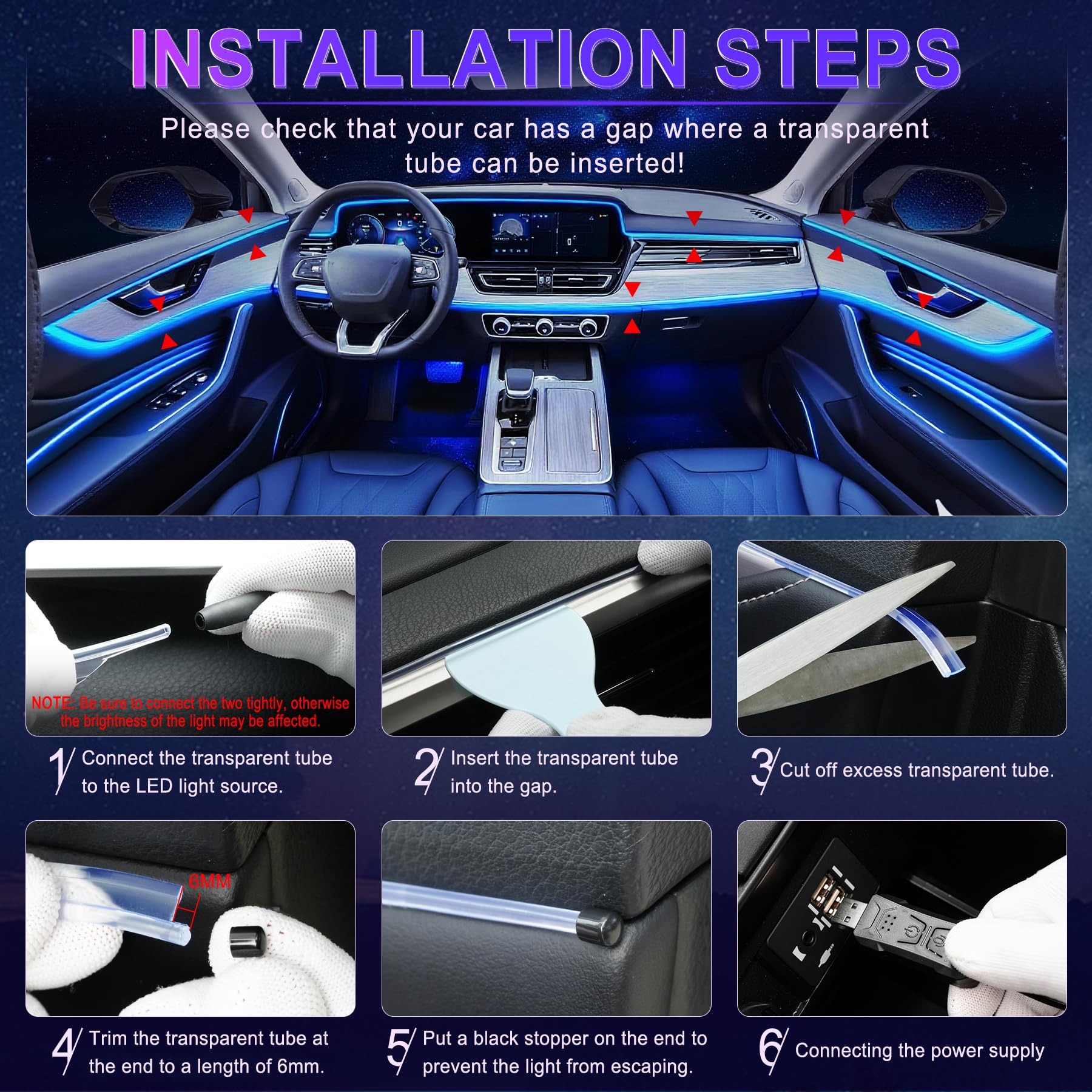
Credit: www.amazon.in
Choosing The Right Led Lights
Installing LED lights in your car can improve visibility and style. Picking the right LED lights is important for safety and appearance.
This guide helps you understand the types, colors, and brightness levels of LED lights for your car.
Types Of Led Lights
There are many types of LED lights for cars. Each type fits different parts of your vehicle.
Choose the type that matches your car’s model and lighting needs.
- Headlights: Provide main road illumination
- Fog lights: Help in foggy or rainy weather
- Interior lights: Brighten inside the car
- Brake lights: Signal when you stop
- Turn signals: Show your driving direction
Color Options
LED lights come in different colors. Color affects how your car looks and how well you see at night.
Choose colors that are safe and legal for road use.
- White: Bright and clear for headlights
- Yellow: Good for fog lights and bad weather
- Red: Used for brake lights and rear signals
- Blue: Sometimes used for interior or decorative lights
- Amber: Common for turn signals
Brightness Levels
Brightness is measured in lumens. Higher lumens mean brighter light.
Pick brightness that improves visibility but does not blind other drivers.
| Light Type | Recommended Brightness (Lumens) |
|---|---|
| Headlights | 1500 – 3000 lumens |
| Fog Lights | 800 – 1200 lumens |
| Interior Lights | 200 – 500 lumens |
| Brake Lights | 600 – 1000 lumens |
| Turn Signals | 400 – 700 lumens |
Tools And Materials Needed
Installing LED lights in your car needs some basic tools and materials. Using the right items makes the job easier and safer.
Preparing all tools and materials before starting saves time and avoids problems during installation.
Essential Tools
You need certain tools to install LED lights correctly. These tools help you connect wires and fix the lights in place.
- Screwdrivers (flathead and Phillips)
- Wire strippers and cutters
- Electrical tape
- Crimp connectors or soldering kit
- Multimeter for testing voltage
- Heat shrink tubing
- Plastic trim removal tools
Safety Gear
Safety gear protects you while working on your car’s electrical system. Always wear the right gear to avoid injuries.
- Insulated gloves to prevent electric shocks
- Safety goggles to protect your eyes
- Long sleeves and pants to avoid cuts
- Work light to see clearly in dark areas
Additional Accessories
Some extra items help make the LED light installation smoother. These accessories improve the setup and final look.
- Zip ties to secure wires neatly
- Fuse tap kit for safe power connection
- Double-sided tape or mounting brackets
- Wire loom for protecting cables
Step-by-step Installation Guide
Installing car LED lights can enhance visibility and style. This guide helps you install them yourself.
Follow these steps to ensure a safe and effective LED light installation on your vehicle.
Preparing The Vehicle
Ensure your vehicle is turned off and parked on a flat surface. Gather all necessary tools and materials before starting.
- Screwdriver set
- LED light kit
- Wire strippers
- Electrical tape
- Owner’s manual for reference
Wiring The Led Lights
Locate the wiring harness under the dashboard or near the headlights. Connect the LED light wires to the correct terminals.
Ensure the positivewire connects to the positiveterminal and the negativewire connects to the negativeterminal.
Securing The Lights
Once the wiring is complete, secure the LED lights in place. Use brackets or adhesive strips as needed.
| Light Position | Mounting Method |
| Front Grille | Brackets |
| Underbody | Adhesive Strips |
| Interior | Clips |
Testing The Setup
Turn on your vehicle and test the LED lights. Check for proper illumination and adjust if necessary.
- Turn on the ignition.
- Switch on the LED lights.
- Inspect for even lighting and secure connections.
- Make adjustments as needed.
Common Installation Mistakes
Installing car LED lights can be tricky for beginners. Mistakes can lead to poor performance or safety issues.
Understanding common errors helps ensure a smooth and successful installation process.
Incorrect Wiring
Improper wiring is a common mistake during installation. It can cause the lights to malfunction.
- Always follow the wiring diagram.
- Use the correct connectors to avoid loose connections.
- Double-check polarity before finalizing the setup.
Poor Placement
Placement of LED lights affects visibility and aesthetics. Incorrect positioning can reduce their effectiveness.
Consider these factors for optimal placement:
- Avoid placing lights too close to the engine.
- Ensure they do not obstruct other vehicle functions.
- Position for maximum road visibility.
Ignoring Safety Precautions
Neglecting safety measures can lead to accidents or damage to the vehicle. Always prioritize safety during installation.
| Safety Tip | Reason |
| Disconnect battery | Prevents electrical shocks |
| Use gloves | Avoids cuts and abrasions |
| Read the manual | Ensures correct installation |
Maintenance Tips For Led Lights
Car LED lights are energy-saving and last longer than traditional bulbs. Proper maintenance helps keep them bright and safe.
Simple care steps can stop problems early. This guide shows easy ways to maintain your LED lights well.
Cleaning Techniques
Dirt and dust can reduce LED light brightness. Clean your lights often to keep them clear and shining.
Use a soft cloth and mild soap with water. Avoid harsh chemicals that can harm the light cover.
- Turn off lights before cleaning
- Use a damp cloth, not soaking wet
- Gently wipe the light surface
- Dry with a clean, dry cloth
Regular Inspections
Check your LED lights regularly to find issues early. Look for dim spots or flickering lights.
Inspect the wiring and connections for damage or loose parts. Fix small problems before they get worse.
- Test lights each week
- Look for cracks or water inside lights
- Check wiring for wear or breaks
- Replace or tighten loose parts
Replacing Faulty Components
If an LED light stops working, replace its parts quickly. Faulty parts can cause bigger damage.
Use parts made for your car model. Follow instructions to remove and install new components safely.
- Turn off power before replacing
- Use correct replacement bulbs or drivers
- Handle LEDs carefully to avoid damage
- Test new parts after installation
Legal Considerations
Installing LED lights on your car can improve visibility and style. It is important to know the legal rules before adding these lights. This helps you avoid problems with the law.
Each area has its own laws about car lighting. Follow these rules to keep your car safe and legal on the road.
Local Regulations
Local laws control what types of LED lights you can use on your car. Some places restrict certain colors or brightness levels. It is best to check with your local traffic authority before installing lights.
- Check if LED lights are allowed on vehicles in your area
- Find out if you need a permit for special lighting
- Learn the rules for front and rear lights
- Know the times when lights can be used
Allowed Colors And Brightness
Colors and brightness levels must meet legal standards. Some colors can confuse other drivers or be mistaken for emergency vehicles. Bright lights can blind others and cause accidents.
| Color | Allowed Use | Notes |
| White | Headlights, front lights | Common and safe |
| Red | Tail lights, brake lights | Must not be used in front |
| Blue | Emergency vehicles only | Illegal for regular cars |
| Amber | Turn signals, hazard lights | Allowed on front and side |
Avoiding Fines
Fines can happen if your LED lights break the law. Avoid fines by following rules carefully. Always use approved lighting products and install them correctly.
- Check local vehicle lighting laws before buying lights
- Use lights that meet safety and legal standards
- Install lights according to manufacturer and legal guidelines
- Regularly inspect your lights for damage or illegal modifications
- Remove or replace any lights that cause safety issues

Credit: www.youtube.com

Credit: www.youtube.com
Frequently Asked Questions
How Do I Install Led Lights In My Car?
To install LED lights, first disconnect the car battery. Remove existing bulbs, then insert the LED replacements carefully. Connect wiring as per instructions. Test the lights before reassembling the housing. Always follow safety guidelines and use compatible LED models for your vehicle.
What Tools Are Needed For Car Led Light Installation?
Basic tools include a screwdriver, wire stripper, electrical tape, and a multimeter. You may also need pliers and connectors. These help safely remove old bulbs, connect LED wires, and ensure correct electrical flow. Using the right tools prevents damage and ensures a smooth installation.
Can Led Lights Improve Car Visibility At Night?
Yes, LED lights offer brighter and clearer illumination than traditional bulbs. They improve road visibility, enhancing safety during night driving. LEDs consume less power and last longer, making them a practical upgrade for better nighttime driving experience.
Are Car Led Lights Compatible With All Vehicles?
Most car LED lights fit standard bulb sockets, but compatibility varies. Check your vehicle’s manual for bulb types and sizes. Some cars may require additional adapters or resistors. Always verify LED compatibility to avoid electrical issues or poor performance.
Conclusion
Installing car LED lights can improve your vehicle’s look and safety. They use less power and last longer than regular bulbs. The process is simple with the right tools and instructions. Take time to connect wires properly to avoid issues.
Bright, clear lights help you see better at night. Choose the right LED type for your car model. Enjoy the benefits of brighter, energy-efficient lighting on every drive.







