
Are you looking to upgrade your car’s lighting for better visibility and a modern look? Installing LED lights in your car can make a huge difference.
Not only do they brighten the road ahead, but they also give your vehicle a sleek, stylish edge that turns heads. Imagine driving at night with clearer vision and a stunning glow that sets your car apart. You’ll discover simple steps to install LED lights yourself, saving time and money.
Ready to transform your ride? Keep reading to learn everything you need to know about car LED light installation.

Credit: www.amazon.com
Benefits Of Led Lights
Installing LED lights in your car can bring many advantages. These lights use less power and last a long time. They also improve safety and look great on any vehicle.
Understanding the benefits of LED lights helps you make a smart choice. Here are some key reasons to consider LED lights for your car.
Energy Efficiency
LED lights use less electricity than traditional bulbs. This helps save energy and reduces the load on your car’s battery. Using LED lights means your car runs more efficiently.
Longevity
LED lights last much longer than regular bulbs. They can work for thousands of hours without needing replacement. This means fewer trips to the store and less waste.
- LEDs last up to 25,000 hours
- Traditional bulbs last about 1,000 hours
- Long life reduces maintenance costs
- Less frequent replacements mean less hassle
Enhanced Visibility
LED lights offer brighter and clearer light than many other bulbs. This improves your ability to see the road and be seen by others. Better visibility helps prevent accidents.
| Feature | LED Lights | Traditional Bulbs |
| Brightness | High | Medium |
| Light Color | Cool White | Yellowish |
| Response Time | Fast | Slow |
Aesthetic Appeal
LED lights give your car a modern and sleek look. They come in different shapes and colors to match your style. Changing to LED lights can improve your car’s appearance instantly.
Here are some popular LED light styles for cars:
- Strip lights for undercarriage glow
- Headlight bulbs with cool white color
- Tail lights with sharp, clear lines
- Interior LED strips for cabin lighting
Types Of Car Led Lights
Car LED lights improve visibility and safety. They use less power and last longer than traditional bulbs.
Different types of LED lights fit various parts of your vehicle. Each type serves a unique purpose.
Headlights
LED headlights offer bright, clear light for night driving. They turn on quickly and use less energy.
- Low beam LEDs provide focused light for regular driving.
- High beam LEDs deliver stronger light for dark roads.
- Daytime running LEDs increase visibility during the day.
Fog Lights
LED fog lights help you see in rain or fog. They have a wide beam that reduces glare and improves road visibility.
| Feature | Benefit |
| Wide beam angle | Lights up the road edges |
| Low glare | Prevents blinding other drivers |
| Energy efficient | Less battery drain |
Interior Lighting
LED interior lights brighten the cabin with soft light. They come in different colors and styles to match your car’s mood.
Common interior LED types include:
- Dome lights
- Map lights
- Footwell lighting
- Dashboard illumination
Accent And Strip Lights
Accent LEDs add style and visibility. Strip lights can be placed under the car or inside for a colorful effect.
- Underbody glow strips
- Door edge lights
- Trunk and cargo area lights
- Customizable color options
Tools And Materials Needed
Installing LED lights in your car can improve visibility and style. You need the right tools and materials to do it safely and well.
This guide covers the basic tools, safety gear, and LED light kits you will need for installation.
Basic Tools
Having the correct tools makes the installation process easier. You will use these tools to remove panels, connect wires, and secure lights.
- Screwdrivers (flathead and Phillips)
- Wire strippers and cutters
- Electrical tape
- Socket wrench set
- Multimeter for checking voltage
- Panel removal tool
- Heat shrink tubing
Safety Gear
Protect yourself during installation. Use the right safety gear to avoid injury and damage to your car.
- Gloves to protect your hands
- Safety goggles to shield your eyes
- Long sleeves to avoid cuts and scrapes
- Mask if working with dust or fumes
Led Light Kits
Choose an LED light kit that fits your car and needs. Kits usually include lights and wiring but check what comes in the package.
| Component | Description | Purpose |
| LED bulbs | Various colors and sizes | Main light source |
| Wiring harness | Pre-wired cables | Connects lights to power |
| Controller | Optional remote or switch | Controls light modes |
| Mounting brackets | Clips or holders | Secures lights in place |
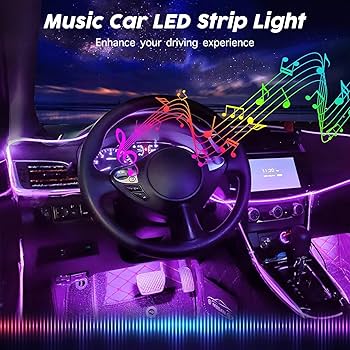
Credit: www.amazon.com
Preparing Your Car For Installation
Installing LED lights in your car needs careful preparation. It helps the lights work well and last longer.
Follow simple steps to get your car ready before the installation starts. This guide will show you what to do.
Cleaning The Surface
Clean the area where you will place the LED lights. Dirt and dust can stop the lights from sticking well.
Use a soft cloth and some mild soap to wipe the surface. Make sure it is dry before you continue.
Checking Electrical System
Look at your car’s electrical system to check if it can handle new LED lights. Old wiring may cause problems.
Check the fuses and wiring for any damage. Make sure all connections are tight and clean.
- Inspect fuses related to lighting
- Look for worn or loose wires
- Ensure battery and alternator are working well
Disconnecting The Battery
Always disconnect the car battery before starting the LED light installation. This stops electric shocks and short circuits.
Remove the negative cable first, then the positive one. Keep the cables away from the battery terminals while you work.
Step-by-step Installation Process
Installing LED lights on your car can improve visibility and style. Follow these clear steps to do it safely and correctly.
This guide covers removing old lights, wiring, securing the new LEDs, and testing the setup.
Removing Old Lights
First, disconnect your car’s battery to avoid electric shock. Use a screwdriver to remove screws holding the old light. Carefully pull out the old light assembly.
Wiring And Connections
Match the wires of your new LED lights to the car’s wiring harness. Usually, red is positive and black is negative. Use wire connectors or electrical tape to secure the joints.
- Strip the wire ends about 1 cm.
- Connect matching wires from the LED to the car.
- Twist wires firmly together.
- Cover the connections with electrical tape.
- Ensure no bare wires are exposed.
Securing The Led Lights
Place the LED lights into the mounting spot. Use screws or clips to hold the lights firmly. Make sure they fit snugly and do not move.
| Tool | Purpose |
| Screwdriver | Tighten screws holding lights |
| Clips | Secure light assembly |
| Rubber gasket | Seal edges and prevent moisture |
| Cleaning cloth | Remove dust before fitting |
Testing The Installation
Reconnect your car battery. Turn on the LED lights to check if they work. Look for steady light and no flickering. Test all functions like high beam and turn signals.
- All LED lights turn on
- No flickering or dim spots
- Lights respond to controls
- No warning signals on dashboard

Credit: www.amazon.com
Common Installation Challenges
Installing LED lights in your car can improve visibility and style. Still, some common challenges can make the process tricky.
Knowing these issues helps you prepare and avoid mistakes during installation.
Wiring Issues
Wiring is a key part of LED light installation. Incorrect wiring can cause lights not to work or short circuits.
Loose connections or wrong wire colors make troubleshooting hard. Use proper tools and double-check connections.
- Identify positive and negative wires correctly
- Secure all connections tightly
- Use wire connectors or solder for strong joints
- Check for damaged wires before starting
Fitting Problems
LED lights come in different shapes and sizes. Sometimes, they do not fit well into existing light holders.
Forcing a light into a tight space can break the bulb or damage the car’s parts.
- Measure the light housing before buying LEDs
- Use adapters if the new lights don’t fit
- Avoid applying too much pressure during installation
- Follow manufacturer guidelines for mounting
Compatibility Concerns
Not all LED lights work with every car model. Some cars have special systems that detect bulb types.
Using incompatible LEDs can cause flickering or error messages on the dashboard.
- Check if your car supports LED bulbs
- Look for CAN bus compatible LED lights
- Confirm voltage and wattage match your car’s system
- Consult your vehicle manual or a professional if unsure
Maintenance Tips For Led Lights
LED lights are a great choice for cars. They are energy-efficient and long-lasting. Proper maintenance keeps them shining bright.
Regular checks ensure your LED lights work well. Follow these tips to maintain them effectively.
Regular Cleaning
Dirt and grime can reduce LED light brightness. Clean your lights regularly to maintain their clarity.
- Use a soft cloth to wipe the surface.
- Avoid harsh chemicals that can damage the lights.
- Ensure lights are cool before cleaning.
Inspecting Connections
Loose or damaged connections can cause flickering. Regular inspection helps prevent issues.
Replacing Faulty Components
Sometimes, parts may fail over time. Replacing faulty components is crucial for optimal performance.
| Component | Replacement Frequency |
| LED Bulbs | Every 3-5 years |
| Wiring | As needed |
| Connectors | Check annually |
Legal And Safety Considerations
Installing LED lights on your car can improve visibility and style. Safety and laws should guide your installation choices.
Knowing the rules and using lights correctly helps prevent accidents and fines.
Local Regulations
Rules for car LED lights differ by location. Check local laws before installing any lights on your vehicle.
Some places restrict light colors, positions, or brightness levels. Following these rules avoids legal problems.
- Use only approved colors like white or amber for front lights
- Avoid blue or red lights that look like emergency vehicles
- Place lights where they are allowed and visible
- Meet brightness limits set by local authorities
Avoiding Glare
Glare from LED lights can blind other drivers. Proper installation reduces glare risks and improves safety.
Adjust light angles carefully. Do not point LEDs too high or directly into other cars’ eyes.
- Install lights at the right height on your vehicle
- Use beam patterns designed to focus light on the road
- Test lights at night to check for glare on other drivers
- Replace bulbs or lenses if glare becomes an issue
Ensuring Proper Brightness
LED lights must be bright enough to see well but not too bright. Balance brightness for safety and legal compliance.
Too dim lights reduce your visibility. Too bright lights distract or blind others on the road.
- Choose LED bulbs that meet brightness standards
- Check manufacturer specs for lumen output
- Use dimmers or regulators if allowed
- Replace bulbs that fade or flicker
Upgrading Beyond Leds
Car LED lights are popular for their brightness and efficiency. But there are new technologies that can make your car lighting even better. Explore options that enhance safety and style.
Discover advanced lighting systems that go beyond traditional LEDs. They offer more control and customization for your vehicle.
Smart Lighting Systems
Smart lighting systems allow you to control your car lights with your phone. These systems can adjust brightness and timing automatically.
- Remote control via smartphone app
- Automatic adjustment based on time of day
- Energy-saving features
Color Customization
Color customization lets you change light colors to match your mood or occasion. It adds a personal touch to your car’s appearance.
With a simple app, you can switch between various colors or set a custom color blend. Make your car unique with these features.
Integration With Car Electronics
Integrating lighting with car electronics can improve functionality. Lights can sync with your car’s systems for better performance.
| Feature | Benefit |
| Sync with music | Lights flash to the beat |
| Connect with GPS | Adaptive lighting for turns |
| Link to car alarms | Flashing lights for alerts |
Frequently Asked Questions
What Tools Are Needed For Car Led Light Installation?
You need basic tools like screwdrivers, wire strippers, electrical tape, and a multimeter. A drill may be required. Proper tools ensure safe and efficient installation. Always disconnect the battery before starting to avoid electrical hazards.
How Long Does Car Led Light Installation Take?
Installation typically takes between 30 minutes to 2 hours. The time varies based on your car model and LED type. Professional installation may be faster. Planning and following instructions can speed up the process.
Can I Install Led Lights On Any Car Model?
Most car models support LED light installation with compatible kits. Check your vehicle’s manual for wiring specifics. Some models may need adapters or additional components. Always verify compatibility before purchasing LED lights.
Are Car Led Lights Energy Efficient?
Yes, LED lights consume less power than traditional bulbs. They provide brighter light using lower energy. This efficiency reduces battery drain and extends bulb lifespan. LEDs also produce less heat, improving overall vehicle safety.
Conclusion
Installing LED lights in your car boosts visibility and style. It saves energy and lasts longer than regular bulbs. Choose the right type for your vehicle and follow safety steps. Simple tools and careful work make the process easy. Enjoy brighter roads and a fresh look every time you drive.
Take your time and check connections well. A well-done LED installation improves both function and appearance. Bright lights, safer drives.







