
Is your car’s interior looking worn out, faded, or damaged? You spend a lot of time inside your vehicle, so it should feel comfortable and look great.
Car interior restoration can bring back that fresh, like-new feeling without the cost of a full replacement. Imagine sliding into a clean, smooth seat and enjoying a spotless dashboard every time you drive. This isn’t just about appearance—it’s about your comfort, pride, and even your car’s value.
Keep reading to discover how simple steps can transform your car’s interior and make every ride more enjoyable.
Assessing Interior Damage
Checking the inside of your car helps keep it comfortable and safe. You need to look closely for any damage or wear.
This guide shows how to spot problems early. Fixing small issues saves money and keeps your car looking good.
Common Signs Of Wear
Car interiors show wear in many ways. These signs tell you where to focus your repairs and cleaning.
- Faded or cracked dashboard and panels
- Torn or stained seats and upholstery
- Worn floor mats and carpets
- Sticky or broken buttons and switches
- Unpleasant odors inside the cabin
- Loose or damaged trim pieces
Identifying Areas Needing Repair
Look carefully at each section inside your car. Use this table to check common problem spots and what to look for.
| Area | Signs of Damage | Repair Needed |
| Seats | Tears, stains, sagging foam | Reupholster, clean, replace foam |
| Dashboard | Cracks, fading, loose vents | Refinish, replace parts |
| Carpets | Stains, holes, worn fibers | Deep clean, patch, replace |
| Door Panels | Scratches, loose trim, stains | Fix trim, clean, repaint |
| Controls | Sticky buttons, non-working switches | Repair or replace controls |

Credit: www.classiccarsofsarasota.com
Choosing The Right Materials
Restoring a car interior needs careful choice of materials. The right materials can improve comfort and style.
Durability and appearance are key factors. Pick materials that fit your lifestyle and car use.
Leather Vs Fabric Seats
Leather seats look sleek and feel smooth. They are easy to clean but may get hot in summer.
Fabric seats offer more breathability. They come in many colors but can stain easily.
- Leather is best for style and easy wiping.
- Fabric is better for comfort and cooler seats.
- Consider allergies; leather is less likely to cause reactions.
- Leather seats usually cost more than fabric.
Selecting Durable Flooring
Flooring must resist dirt, water, and wear. Choose materials that last long and are easy to clean.
| Material | Durability | Maintenance |
| Rubber Mats | High | Easy to clean |
| Carpet | Medium | Requires vacuuming |
| Vinyl | High | Wipe clean |
| Foam Mats | Low | Hard to clean |
Matching Colors And Textures
Choose colors that fit your car’s style. Match textures for a smooth, unified look.
Consider these tips:
- Use neutral colors for a classic look.
- Bold colors add personality but may fade.
- Mix soft and rough textures for balance.
- Test samples in daylight before buying.
Cleaning And Preparation
Restoring a car interior starts with thorough cleaning and preparation. This stage removes dirt, stains, and odors. It also ensures surfaces are ready for repair or treatment.
Proper cleaning helps materials last longer and look better after restoration. Using the right methods makes the process easier and more effective.
Deep Cleaning Techniques
Deep cleaning removes grime from seats, carpets, and panels. Use vacuuming to clear dust and loose dirt. Shampoo fabrics to lift embedded stains and odors.
- Vacuum all surfaces thoroughly
- Use a fabric-safe cleaner on seats and carpets
- Scrub hard surfaces with mild soap and water
- Clean air vents and crevices with small brushes
- Wipe down leather with a suitable leather cleaner
Removing Stains And Odors
Stains and odors need special attention before restoration. Using the right products helps avoid damage and ensures full removal of smells and marks.
| Type of Stain | Recommended Cleaner | Application Method |
| Food and Drink | Enzyme-based cleaner | Spray and blot with cloth |
| Ink | Isopropyl alcohol | Apply with cotton swab carefully |
| Oil and Grease | Degreaser or dish soap | Rub gently and rinse |
| Pet Odors | Baking soda and vinegar solution | Sprinkle, let sit, then vacuum |
Preparing Surfaces For Restoration
Surfaces must be dry and clean before applying any restoration products. Dust or moisture can cause poor adhesion and reduce the quality of the work.
- Check all surfaces for moisture and dry completely
- Sand or smooth rough areas gently if needed
- Mask off parts that should not be treated
- Use tack cloth to remove fine dust before restoration
Repairing Seats And Upholstery
Car seats and upholstery get worn over time. Repairing them keeps your car looking good. It also protects the interior from more damage.
This guide covers how to fix tears, tips for reupholstering, and using seat covers the right way.
Fixing Tears And Cracks
Small tears and cracks in seats can be fixed at home. Use a repair kit made for your seat material. Clean the area first. Then apply the patch or filler carefully. Let it dry before use.
- Clean the damaged area with mild soap and water.
- Trim loose threads or edges around the tear.
- Apply fabric glue or leather filler as per instructions.
- Press the patch firmly to avoid bubbles.
- Allow the repair to dry completely before sitting.
Reupholstering Tips
Reupholstering is good for badly worn seats. It needs some tools and patience. Measure your seats before buying fabric. Remove old fabric carefully to reuse foam if possible.
| Tool | Use |
| Staple remover | Take off old fabric |
| Scissors | Cut new fabric to size |
| Staple gun | Attach new fabric tightly |
| Foam padding | Replace if old padding is worn out |
Using Seat Covers Effectively
Seat covers protect your seats and hide damage. Choose covers that fit your seat shape. Wash covers regularly to keep them clean. Use covers made of durable material for long use.
Tips for using seat covers:
- Measure seats before buying covers.
- Secure covers to avoid slipping.
- Remove and clean covers often.
- Pick breathable fabric to avoid sweat.
Restoring Dashboard And Panels
Car interiors wear out over time. The dashboard and panels often show scratches, fading, or damage. Restoring these parts brings back a fresh look and feel.
Proper care and upgrades can improve comfort and style. Here are key ways to restore your car’s dashboard and panels.
Repairing Scratches And Fading
Scratches and fading happen from sun and use. You can fix small scratches with special kits and polish. For fading, color restoration products work well.
- Clean the surface before repair
- Use a scratch remover or filler
- Apply color restorer or dye
- Finish with a protective sealant
Replacing Broken Components
Broken parts like vents, knobs, or panels reduce comfort. Replacing them can be done with original or aftermarket parts. Choose parts that fit well to keep the interior neat.
| Component | Common Issue | Replacement Tip |
| Air Vents | Broken fins | Match color and size |
| Control Knobs | Worn or missing | Buy OEM parts |
| Panel Trim | Cracks or chips | Use durable materials |
Upgrading With Modern Features
Modern features add value and ease of use. You can add USB ports, LED lighting, or touch controls. Upgrades often need wiring and fitting changes.
- Touchscreen displays
- Ambient LED lighting
- Wireless charging pads
- Bluetooth audio controls

Credit: angelusdirect.com
Floor And Carpet Restoration
Restoring your car’s interior can make a big difference. It starts with caring for the floors and carpets. A clean and fresh interior enhances your driving experience.
Focus on these key areas to ensure your car looks and feels new. Let’s explore the steps involved in this restoration process.
Cleaning Techniques For Carpets
Carpets can trap dirt and odors over time. Proper cleaning techniques can revive them. Use mild soap and water for regular cleaning.
- Vacuum thoroughly to remove loose dirt
- Use a carpet cleaner for deep stains
- Allow carpets to dry completely before use
Replacing Worn Floor Mats
Floor mats protect your car’s interior. Over time, they wear out and need replacement. Choose mats that fit your car’s model for the best protection.
Installing Sound Deadening Materials
Sound deadening materials reduce road noise inside the car. They make your drive more comfortable. Install these materials under the carpet for the best effect.
| Material | Benefits |
| Butyl Sheets | Effective noise reduction |
| Foam Insulation | Lightweight and easy to install |
| Spray-on Solutions | Quick application |
Enhancing Interior Lighting
Restoring your car’s interior involves more than cleaning and repairs. Lighting plays a big role in how your car looks and feels. Upgrading the lighting can make a huge difference.
Good lighting improves visibility and adds style to your car. Here, we will explore some options to enhance your car’s interior lighting.
Upgrading To Led Lights
LED lights are brighter and last longer than traditional bulbs. They use less energy and are easy to install.
Switching to LED lights is a smart way to improve your car’s interior. They provide clear, bright light that enhances visibility.
- LEDs are energy-efficient
- They have a longer lifespan
- Provide brighter illumination
Customizing Ambient Lighting
Ambient lighting sets the mood in your car. You can choose colors that suit your style. It adds a personal touch to your vehicle.
Custom lighting can be installed under seats or in footwells. This creates a warm and inviting atmosphere inside your car.
- Choose from various colors
- Install in different areas
- Create a cozy environment
Safety And Visibility Improvements
Proper lighting is crucial for safety. It helps you see clearly inside your car, especially at night.
Improving interior lighting means you can find things easily. It also ensures that controls and buttons are visible.
- Enhances night-time visibility
- Makes controls easy to find
- Improves overall safety
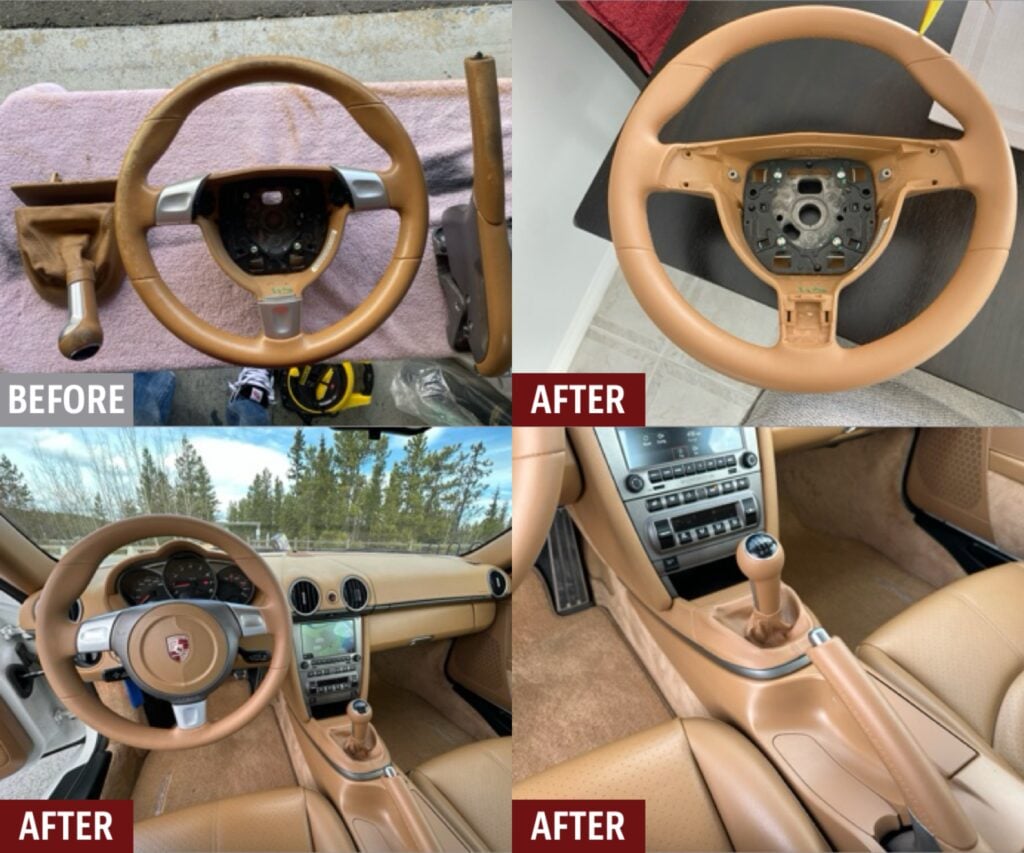
Credit: www.fibrenew.com
Maintaining Your Restored Interior
Restoring your car’s interior takes effort and care. Keeping it clean and protected helps it last longer.
Regular maintenance keeps the interior looking fresh and prevents costly repairs later.
Regular Cleaning Routines
Clean your car interior often to stop dirt buildup. Use soft cloths and gentle cleaners for best results.
Focus on dusting, vacuuming, and wiping down surfaces to keep them looking new.
- Vacuum seats and floor mats weekly
- Wipe dashboard and panels with a damp cloth
- Use mild soap for fabric or leather cleaning
- Remove stains promptly to avoid permanent marks
Protective Treatments
Apply protective sprays or conditioners to your interior materials. This helps keep them soft and strong.
Leather, vinyl, and fabric all need different treatments to stay in good shape.
- Use leather conditioner every few months
- Apply UV protectant to prevent fading
- Use fabric protectors to repel stains
- Check product labels for material safety
Preventing Future Damage
Protect your restored interior from damage by avoiding harsh conditions and bad habits.
Simple actions can stop cracks, stains, and wear over time.
- Park in shaded areas to avoid sun damage
- Use seat covers to protect against spills
- Avoid eating or drinking inside the car
- Fix small tears or scratches early
Frequently Asked Questions
What Is Car Interior Restoration?
Car interior restoration involves repairing and renewing worn or damaged interior parts. It improves aesthetics and comfort. Common tasks include cleaning, reupholstering seats, fixing dashboards, and restoring trim. This process extends the vehicle’s life and enhances resale value.
How Long Does Interior Restoration Take?
The duration varies by damage extent and restoration type. Minor cleaning may take a few hours. Full interior restoration typically requires several days. Professional services provide accurate time estimates based on your car’s condition.
Can I Restore Car Interiors Myself?
Yes, minor tasks like cleaning and conditioning are DIY-friendly. However, complex repairs like reupholstering require professional skills. DIY restoration saves money but may lack professional finish quality. Assess your skills before starting any restoration project.
What Materials Are Used In Interior Restoration?
Common materials include leather, vinyl, fabric, foam padding, and plastic trims. Professionals use specialized cleaners, dyes, and adhesives. High-quality materials ensure durability and a refreshed appearance. Material choice depends on your car’s make and model.
Conclusion
Restoring your car’s interior brings back comfort and style. Clean seats and fresh materials make driving more pleasant. Small repairs can stop damage from growing worse. Regular care keeps your car looking new longer. Choose simple steps for the best results.
Your car feels like new again, inside and out. Take pride in a neat, fresh interior every day.







