
Have you ever wondered why your car has those flashing lights on the dashboard or outside? Car hazard lights might seem simple, but they play a crucial role in keeping you and others safe on the road.
Knowing when and how to use them can make a big difference in emergencies or tricky driving situations. You’ll discover everything you need to know about car hazard lights—how they work, when to turn them on, and why they are essential for your safety.
Keep reading, because understanding this small feature could save you from big trouble.
Purpose Of Hazard Lights
Hazard lights are important car signals. They warn other drivers about dangers ahead. Using them correctly keeps everyone safe on the road.
These lights flash on all corners of a vehicle. They show that the car is stopped or moving slowly due to a problem.
When To Use Hazard Lights
Drivers should turn on hazard lights in certain situations. These include emergencies or when the car may block traffic.
- Your vehicle breaks down on the road or shoulder.
- You stop suddenly to warn others of a hazard ahead.
- You drive very slowly due to a mechanical issue.
- You are involved in an accident and need to alert others.
- You are pulling a trailer or heavy load in bad weather.
Legal Guidelines For Hazard Light Usage
Each region has rules about hazard light use. These rules keep roads safe and avoid confusion among drivers.
| Region | When to Use | Restrictions |
| United States | Emergency stops, warnings | Do not use while driving unless in emergency |
| United Kingdom | Hazard warning, slow traffic | Allowed at standstill or slow traffic |
| European Union | Breakdowns, accidents | Use only in emergencies |
| Australia | Stationary on road, warnings | Not for normal driving |
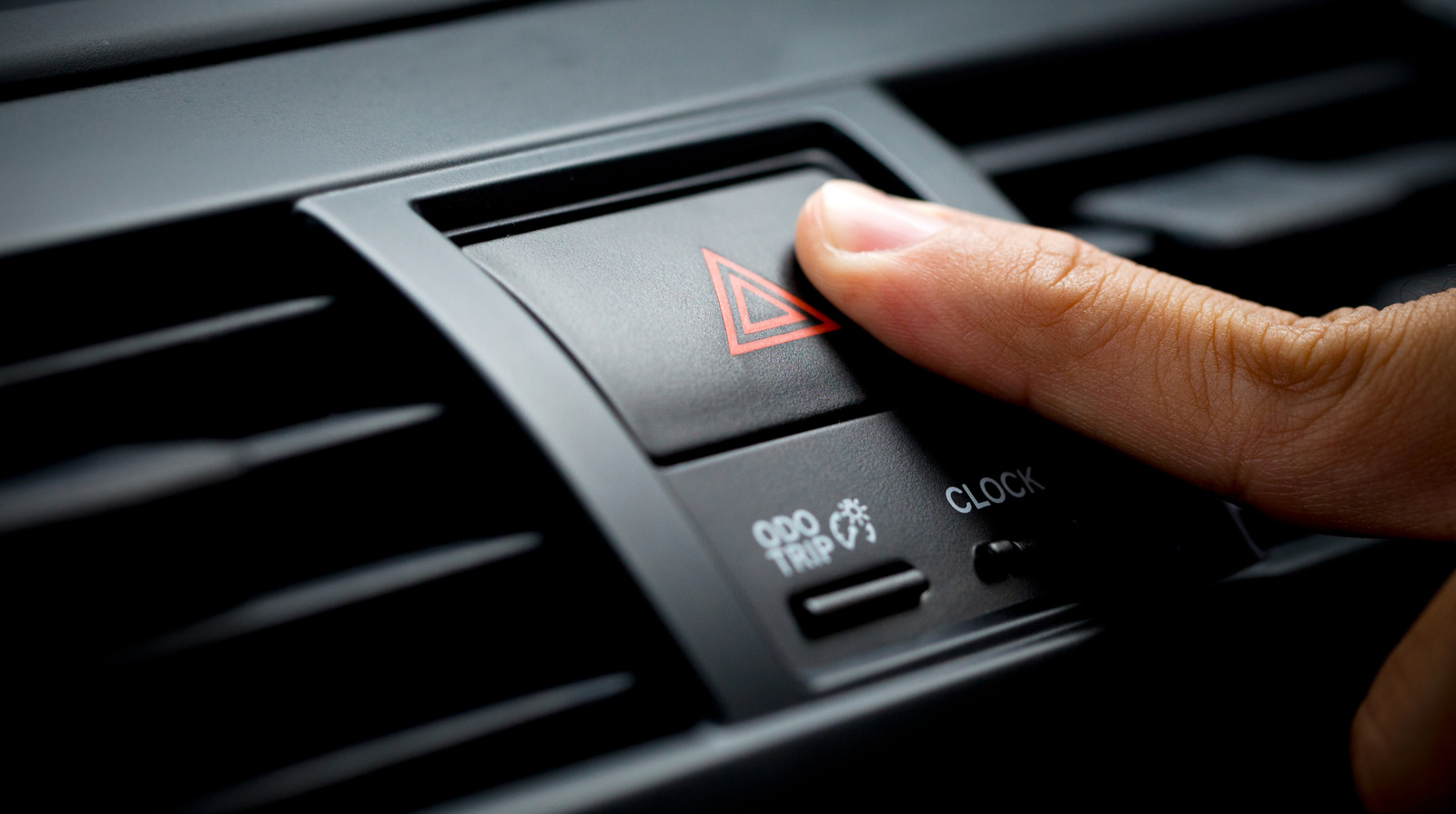
Credit: www.slashgear.com
Hazard Lights And Road Safety
Hazard lights are important for safe driving. They help drivers warn others about problems on the road.
Using hazard lights correctly can prevent accidents and keep everyone safe. It is a simple tool for communication on the road.
Alerting Other Drivers
Hazard lights alert other drivers to slow down or be careful. They show that your car may be stopped or moving slowly.
Drivers can see the flashing lights from a distance. This helps them react early and avoid crashes.
- Warns about stopped vehicles
- Signals slow traffic ahead
- Alerts to road hazards or obstacles
- Improves visibility in bad weather
Preventing Accidents In Emergencies
Turn on hazard lights during emergencies to keep you and others safe. This shows your car has a problem.
Hazard lights make your vehicle stand out. Other drivers can give space and avoid collisions.
- Use when your car breaks down
- Turn on during sudden stops
- Signal danger in bad weather
- Help emergency vehicles find your location
Common Mistakes With Hazard Lights
Hazard lights help alert other drivers to danger. Using them wrong can cause confusion and accidents. Many drivers do not know when or how to use hazard lights correctly.
This guide explains common mistakes with hazard lights. It covers using them while driving and overusing them in traffic.
Using Hazard Lights While Driving
Some drivers turn on hazard lights while moving to signal trouble. This can confuse other drivers about your intentions. Hazard lights are meant for stopped vehicles or emergencies only.
- Turning on hazard lights in normal driving reduces signal clarity.
- Other drivers may not understand if you plan to stop or turn.
- It can cause accidents if drivers react incorrectly.
- Use hazard lights only when stopped due to an emergency or breakdown.
Overusing Hazard Lights In Traffic
Many drivers keep hazard lights on in heavy traffic to warn others. Overusing hazard lights can reduce their effectiveness. It makes it harder for drivers to spot real hazards.
| Mistake | Effect |
| Using hazard lights in slow traffic | Confuses drivers about your speed and direction |
| Leaving hazard lights on for long periods | Reduces attention to real emergency signals |
| Using hazard lights instead of turn signals | Causes misunderstandings about turning or lane changes |
| Turning hazard lights on in bad weather only | May help, but should not replace headlights or fog lights |

Credit: ca.news.yahoo.com
Using Hazard Lights In Different Conditions
Hazard lights are important for safety on the road. They warn other drivers about potential dangers.
You should know when and how to use hazard lights in various situations. This helps avoid accidents.
Hazard Lights In Poor Visibility
Use hazard lights if you drive through fog, heavy rain, or snow. They make your vehicle more visible.
- Turn on hazard lights to alert other drivers.
- Drive slowly and keep a safe distance.
- Do not use hazard lights while moving fast.
- Switch off hazard lights once visibility improves.
Hazard Lights During Breakdowns
If your vehicle breaks down, turn on hazard lights immediately. This warns others that your car is stopped.
| Situation | Action |
| Car stopped on road | Turn on hazard lights and use warning triangle |
| Low visibility breakdown | Keep hazard lights on until help arrives |
| Battery or electrical failure | Use hazard lights if still working or hand signals |
Tips For Proper Hazard Light Use
Hazard lights are vital for safety on the road. They signal other drivers of your vehicle’s presence during emergencies.
Using them correctly can prevent accidents and ensure smooth traffic flow. Here are some tips on how to use hazard lights properly.
Combining Hazard Lights With Other Signals
Using hazard lights alone might not always convey your intentions clearly. Combine them with other signals when necessary.
- Use turn signals with hazard lights in breakdown lanes.
- In foggy conditions, keep headlights on along with hazard lights.
- In heavy traffic, use hazard lights when stopping suddenly.
Turning Off Hazard Lights At The Right Time
It’s important to turn off hazard lights when they are no longer needed. This helps avoid confusion for other drivers.
Proper usage ensures that you communicate effectively with other drivers and maintain road safety.
Technology And Hazard Lights
Hazard lights alert other drivers during emergencies. Modern technology improves their use and effectiveness.
New systems help cars activate hazard lights automatically. This adds safety and convenience on the road.
Modern Vehicles And Automatic Hazard Systems
Many new cars have automatic hazard light features. These systems turn on hazard lights in certain situations.
- Automatic activation during hard braking
- Hazard lights turn on if the vehicle stops suddenly
- Integration with collision warning systems
- Helps alert drivers behind to reduce accidents
Future Innovations In Vehicle Safety Lights
Future hazard lights will use smarter technology. They will communicate better with other vehicles and the road.
| Innovation | Description |
| Vehicle-to-Vehicle Communication | Hazard lights send signals to nearby cars |
| Adaptive Light Patterns | Lights change flash speed based on danger level |
| Energy-Efficient LEDs | Use less power and last longer |
| Integration with Smart Traffic Systems | Lights link with traffic signals for warnings |

Credit: www.carparts.com
Frequently Asked Questions
What Are Car Hazard Lights Used For?
Car hazard lights alert other drivers to potential danger or emergencies. They help warn when your vehicle is stopped, broken down, or moving slowly. Using hazard lights improves safety by increasing your car’s visibility in risky situations.
When Should You Turn On Hazard Lights?
Turn on hazard lights during emergencies, breakdowns, or when your vehicle obstructs traffic. Use them in poor visibility conditions like heavy fog. Avoid using hazard lights while driving normally, as this can confuse other drivers.
Are Hazard Lights Legal To Use While Driving?
Hazard light laws vary by location. Generally, using hazard lights while driving is illegal except in emergencies. Always check local traffic regulations to ensure proper and legal usage of hazard lights on the road.
How Do Hazard Lights Improve Road Safety?
Hazard lights increase vehicle visibility, alerting others to hazards or stopped cars. They reduce collision risks by signaling unexpected stops or slowdowns. This communication helps maintain safe distances and prevents accidents in dangerous conditions.
Conclusion
Car hazard lights help keep you safe on the road. They warn other drivers about problems or dangers ahead. Use them wisely during emergencies or bad weather. Knowing when and how to use hazard lights can prevent accidents. Always turn them off when the danger passes.
Stay alert and drive carefully to protect yourself and others. Safety on the road matters most.







