
When was the last time you really thought about your car’s front lights? These simple features do a lot more than just help you see at night.
They keep you safe, make your car look sharp, and even communicate with other drivers. If you want to understand how to make the most of your front lights, improve your driving experience, and avoid costly mistakes, this article is made for you.
Keep reading to discover everything you need to know about car front lights and why they matter more than you might think.
Types Of Car Front Lights
Car front lights help drivers see the road at night and in bad weather. They also make cars visible to others. Different types of lights offer different brightness and energy use.
Understanding the types of car front lights can help you choose the right one for your vehicle. Here are the main kinds of front lights used today.
Halogen Headlights
Halogen headlights are the most common and affordable. They use a tungsten filament inside a glass bulb filled with halogen gas. These lights produce a warm yellowish glow.
Halogen bulbs are easy to replace but use more energy than newer lights. They also have a shorter lifespan compared to LED and HID lights.
Led Headlights
LED headlights are energy efficient and last longer than halogen bulbs. They produce a bright white light that improves night vision. LED lights turn on instantly and can be designed in many shapes.
- Lower power consumption
- Long lifespan
- Bright, clear light
- Compact design options
Hid Xenon Lights
HID Xenon lights use gas discharge to create a very bright light. They are brighter than halogen and LED lights. These lights can improve visibility on dark roads.
| Feature | HID Xenon Lights |
| Light Color | Bright white to bluish |
| Energy Use | Moderate |
| Lifespan | Longer than halogen, shorter than LED |
| Warm-up Time | Few seconds |
Laser Headlights
Laser headlights are the newest type of car front lights. They use lasers to create a very strong and focused beam. These lights can shine further than other types.
Laser lights are very energy efficient but cost more. They are mostly found in high-end cars for better road illumination.

Credit: www.amazon.ca
Measuring Light Brightness
Car front lights help drivers see the road clearly at night. Measuring how bright these lights are is important for safety.
Brightness depends on several factors like light output, beam shape, and color. These affect how well you can see and how others see you.
Lumens Vs. Lux
Lumens measure the total light a bulb emits. Lux measures the light that falls on a surface. Both help understand brightness but in different ways.
| Measurement | What It Means | Use |
| Lumens | Total light output from the bulb | Compare bulbs by power |
| Lux | Light intensity on a surface area | Check how well the road is lit |
Beam Patterns
Beam patterns show how light spreads from the front lights. Different patterns help with different driving needs.
- Spot beams focus light far ahead for long distances.
- Flood beams spread light wide for close area visibility.
- Combination beams mix spot and flood for balanced lighting.
Color Temperature Effects
Color temperature changes how light looks and feels. It is measured in Kelvins (K) and affects visibility and eye comfort.
| Color Temperature (K) | Light Color | Effect |
|---|---|---|
| 3000K | Warm Yellow | Good in fog and rain |
| 4300K | Neutral White | Natural and bright |
| 6000K | Cool Blue White | Sharp look but can glare |
Impact On Road Safety
Car front lights play a vital role in road safety. They help drivers see the road clearly, especially in low-light conditions.
Proper lighting can prevent accidents by improving visibility and reducing glare for other drivers.
Visibility In Different Weather
Weather conditions change the way drivers see the road. Fog, rain, and snow can all impact visibility.
- Fog lights are essential in dense fog.
- Rain reduces the effectiveness of regular headlights.
- Snow can reflect light, making visibility difficult.
Reducing Glare For Other Drivers
Glare from car lights can blind other drivers. It is important to adjust the angle and brightness of headlights.
To minimize glare:
- Use low-beam lights in traffic.
- Avoid high-beam lights in well-lit areas.
- Regularly check and adjust headlight alignment.
Night Driving Performance
Driving at night requires more attention. Good car lights are crucial for spotting hazards early.
| Light Type | Performance |
| LED | Bright and efficient |
| Halogen | Standard but less bright |
| Xenon | Very bright, good for night |
Legal Requirements For Front Lights
Front lights on cars must follow rules to keep roads safe. These rules help drivers see clearly and avoid accidents.
Different countries have laws about how bright lights can be and where they point. This guide explains key legal points.
Brightness Regulations
Car front lights must have a brightness level that is safe for all drivers. Lights that are too bright can blind others.
The law sets maximum brightness measured in lumens or candela. Lights must be bright enough to see but not too strong.
- Headlights have a maximum brightness limit
- Daytime running lights are less bright than headlights
- Brightness varies by light type and use
Beam Alignment Rules
Front light beams must point in the right direction. Misaligned beams can cause glare or reduce visibility.
Rules require beams to be aimed at a specific height and angle. This keeps light on the road and off other drivers’ eyes.
- Headlight beams must not point too high
- Beam aim must be checked regularly
- Proper alignment improves night driving safety
Mandatory Light Types
The law requires certain types of front lights on cars. These lights help other drivers know your car’s position and actions.
Common mandatory lights include low beam, high beam, and turn signals. Each type serves a different safety purpose.
- Low beam headlights for regular night driving
- High beam headlights for open road use
- Turn signals to show direction changes
- Daytime running lights for daytime visibility
Upgrading Your Car Lights
Upgrading your car’s front lights can improve visibility at night. It also makes your vehicle safer on the road.
Choosing the right bulbs and installing them properly helps you get the best results. Let’s explore the key points to consider.
Choosing The Right Bulb
Select bulbs that match your car’s specifications. Different bulbs offer varying brightness and color temperatures.
- Halogen bulbs: Common and affordable
- LED bulbs: Brighter and energy efficient
- HID bulbs: Very bright but may require special equipment
Installation Tips
Install bulbs carefully to avoid damage and ensure proper function. Always handle bulbs with clean hands or gloves.
- Turn off the engine and lights before starting
- Remove the old bulb by twisting or unclipping it
- Insert the new bulb without touching the glass part
- Secure the bulb firmly in place
- Test the lights before closing the hood
Cost Vs. Benefit
| Type | Cost | Brightness | Energy Use |
| Halogen | Low | Medium | High |
| LED | Medium | High | Low |
| HID | High | Very High | Medium |
Consider how much you want to spend and what benefits matter most. Sometimes spending more upfront saves money over time.
Maintenance For Optimal Brightness
Car front lights need regular care to stay bright. Proper maintenance helps you see better at night.
Follow these simple steps to keep your front lights clear and bright. Regular attention prevents dim lights and keeps you safe.
Cleaning And Polishing
Dirt and grime make your lights dim. Clean them often to keep them clear.
Use a gentle cleaner and a soft cloth. Polish the lenses for extra shine.
- Spray cleaner on the lens
- Wipe with a soft cloth
- Polish with a clean, dry cloth
Replacing Damaged Lenses
Cracks or scratches reduce light output. Replace damaged lenses quickly.
Check for damage after driving on rough roads. New lenses improve brightness and safety.
- Inspect lenses for cracks
- Buy the correct replacement
- Follow instructions to install
Regular Inspection
Regular checks keep your lights working well. Inspect them monthly for any issues.
Look for dimness, flickering, or misalignment. Fix problems to ensure clear visibility at night.
- Check for even brightness
- Make sure lights are aligned
- Replace bulbs if needed
Future Trends In Car Lighting
Car front lights are changing fast. New technology makes driving safer and easier.
This article covers smart headlights, adaptive lights, and energy-saving advances.
Smart Headlight Systems
Smart headlights can detect road conditions and adjust light beams automatically.
- They reduce glare for other drivers.
- They improve visibility in bad weather.
- They can highlight road signs and pedestrians.
Adaptive Lighting Technologies
Adaptive lighting changes direction and brightness with the car’s speed and steering.
| Feature | Benefit |
| Cornering Lights | Lights turn with steering to brighten curves |
| Automatic High Beams | Switch between high and low beams for safety |
| Dynamic Range Adjustment | Adjusts light spread for different speeds |
Energy Efficiency Advances
New lighting uses less power and lasts longer. This helps save energy and costs.
Key energy-saving technologies include:
- LED lights that use less electricity
- Laser lights with higher brightness and lower power
- Smart controls that turn lights off when not needed
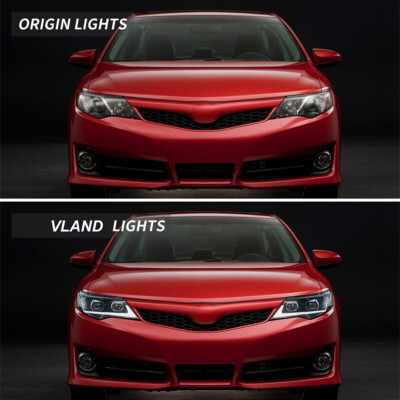
Credit: www.ebay.ca

Credit: www.amazon.ca
Frequently Asked Questions
What Are The Main Types Of Car Front Lights?
Car front lights include halogen, LED, and xenon (HID) types. Each offers different brightness and energy efficiency levels. Halogen is common and affordable, while LEDs are brighter and long-lasting. Xenon lights produce intense white light and consume more power.
How Often Should Car Front Lights Be Checked?
Car front lights should be checked monthly for brightness and alignment. Regular checks ensure safety and legal compliance. Replace bulbs immediately if they appear dim, flicker, or burn out. Properly functioning lights improve visibility and prevent accidents during night driving.
Can Led Front Lights Improve Night Driving?
Yes, LED front lights significantly improve night driving visibility. They emit bright, white light that closely mimics daylight. LEDs consume less power and last longer than halogen bulbs. Enhanced illumination helps drivers see obstacles and road signs more clearly in the dark.
What Causes Car Front Lights To Dim Over Time?
Car front lights dim due to bulb aging, dirt, or oxidation on the lens. Electrical issues or voltage drops may also reduce brightness. Cleaning the lens and replacing old bulbs can restore optimal light output. Regular maintenance ensures safe nighttime driving conditions.
Conclusion
Car front lights are essential for safe driving. They help you see the road clearly at night. They also make your car visible to others. Choosing the right front lights improves safety. Regular checks keep them working well. Bright, well-maintained lights reduce accident risks.
Remember to clean and replace bulbs on time. Good front lights make driving easier and safer. Always pay attention to their condition. Safe driving starts with proper car lights.







