
Have you ever struggled to see the road clearly on a foggy morning or during heavy rain? Your car fog lights could be the simple solution you’re missing.
These special lights are designed to cut through the haze and improve your visibility when regular headlights just don’t do the job. If you want to drive safer and feel more confident in tough weather, understanding how fog lights work and why they matter is key.
Keep reading to discover everything you need to know about car fog lights and how they can protect you on the road.
Benefits Of Fog Lights
Fog lights help drivers see better in bad weather. They shine light low and wide to cut through fog.
These lights improve safety by making your car more visible and reducing glare on the road.
Improved Visibility In Fog
Fog lights shine closer to the ground. This helps drivers see the road edges and markings clearly.
Using fog lights reduces the reflection that regular headlights cause in thick fog.
Enhanced Safety In Rain And Snow
Fog lights improve the view in heavy rain and snow. They make it easier to spot obstacles.
These lights also help other drivers see your vehicle in bad weather conditions.
Reduced Glare For Oncoming Traffic
Fog lights are aimed low to prevent blinding other drivers. This lowers glare on wet roads.
Reduced glare helps all drivers keep better control and avoid accidents at night.

Credit: www.amazon.ca
Types Of Fog Lights
Fog lights help drivers see better in fog, rain, and snow. They shine light close to the road surface.
There are three main types of fog lights. Each type uses different technology for lighting.
Halogen Fog Lights
Halogen fog lights use a tungsten filament inside a glass bulb. They are the most common and least expensive type.
They produce a warm yellow light that cuts through fog and rain. Halogen bulbs are easy to replace but use more power.
Led Fog Lights
LED fog lights use light-emitting diodes to produce bright white light. They last longer and use less energy than halogen bulbs.
- Bright and clear light
- Lower power consumption
- Durable and long-lasting
- Can be more expensive upfront
Hid Fog Lights
HID fog lights use gas discharge technology. They produce very bright light that can improve visibility a lot.
| Feature | Details |
| Light Type | Xenon gas discharge |
| Brightness | Very high |
| Energy Use | Moderate |
| Cost | Higher than halogen and LED |
How Fog Lights Work
Fog lights help drivers see better in fog, rain, or snow. They shine light close to the ground to reduce glare.
These lights improve visibility by lighting up the road surface and edges. They work differently than regular headlights.
Beam Pattern And Angle
Fog lights have a wide, flat beam pattern. This spreads light horizontally to cover more road area.
The angle of the beam points downwards. This helps avoid reflecting light back into the driver’s eyes from fog or mist.
- Wide beam covers the road edges
- Flat beam reduces glare
- Downward angle focuses light on road surface
Positioning On The Vehicle
Fog lights are placed low on the vehicle, usually below the headlights. This position helps light reach under the fog.
Low placement stops the light from reflecting off fog or rain directly into the driver’s eyes. It also lights road edges better.
- Mounted low on front bumper
- Centered or near each side of the vehicle
- Focuses light close to the ground
Light Color And Intensity
Fog lights usually use yellow or white light. Yellow light reduces glare and improves contrast in foggy conditions.
The intensity of fog lights is lower than headlights. This helps avoid blinding other drivers and reduces light reflection.
- Yellow or white light preferred
- Lower brightness than headlights
- Designed to cut through fog without glare
Installing Fog Lights
Fog lights help you see better in poor weather. Installing them can improve your safety on the road.
This guide explains how to choose and install fog lights for your car.
Choosing The Right Fog Lights
Pick fog lights that match your car model. Check the size and shape before buying.
Consider the light color and brightness. Yellow lights work well in foggy conditions.
- Check your car’s manual for fog light specs
- Choose LED or halogen based on preference
- Pick lights with proper brightness and color
Diy Installation Steps
First, gather all tools: screwdrivers, wire strippers, and connectors. Turn off your car before starting.
Remove the old fog light covers or empty slots if needed. Connect the new fog lights to the car’s wiring.
- Disconnect the car battery
- Remove the bumper or access panel
- Mount the fog lights securely
- Connect wires to the power source and switch
- Test the lights before reassembling
Professional Installation Tips
Professionals check the wiring carefully to avoid shorts. They align the lights for the best beam angle.
Make sure the fog lights meet local road laws. Professionals use special tools for a clean installation.
- Use proper wiring connectors and fuses
- Set light angle to avoid blinding other drivers
- Test lights in different weather conditions
- Follow vehicle and legal standards
Using Fog Lights Correctly
Fog lights help you see better in bad weather. Use them the right way to stay safe on the road.
Knowing when to turn on fog lights and how to use them with other lights is important. Avoid mistakes that can blind other drivers.
When To Turn Them On
Turn on fog lights only in low visibility conditions. These include fog, heavy rain, snow, or dust. They help you see the road edges clearly.
- Use fog lights when visibility is less than 200 meters.
- Turn them off when visibility improves.
- Do not use fog lights in clear weather.
Avoiding Misuse
Using fog lights wrongly can cause glare and distract other drivers. Only use them when needed and turn them off after.
| Common Mistakes | Why to Avoid |
| Using fog lights in clear weather | Blinds other drivers |
| Leaving fog lights on too long | Wastes battery and causes glare |
| Using fog lights with high beams | Reduces effectiveness of both lights |
Combining With Headlights
Fog lights work best with low beam headlights. High beams can reflect off fog and reduce visibility.
- Turn on low beam headlights before fog lights.
- Do not use high beams with fog lights.
- Switch off fog lights when visibility is good.
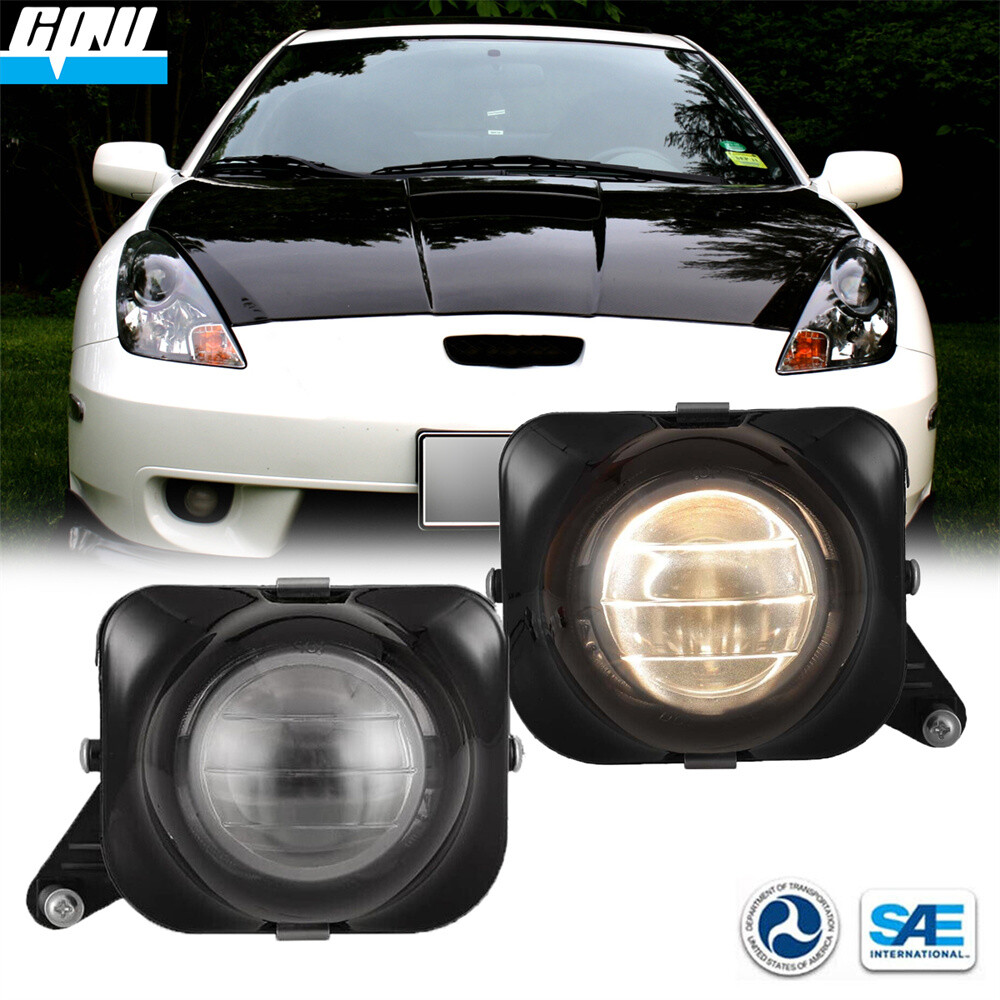
Credit: www.ebay.ca
Legal Regulations
Car fog lights are essential for safety in poor visibility. Different regions have specific laws about their use.
Understanding these regulations helps drivers avoid penalties and ensures proper use.
Fog Light Usage Laws By Region
Fog light laws vary based on location. In some areas, use is restricted to certain weather conditions.
- Only during fog, rain, or snow
- Prohibited in clear weather
- Some regions require rear fog lights
Brightness And Color Restrictions
Fog lights must meet brightness and color standards. These ensure they don’t blind other drivers.
| Region | Allowed Color | Maximum Brightness |
| North America | White or Amber | 3000 Lumens |
| Europe | Yellow | 2500 Lumens |
| Asia | White | 2800 Lumens |
Penalties For Improper Use
Using fog lights improperly can lead to fines. Drivers should know the penalties in their area.
Maintaining Fog Lights
Fog lights are essential for safe driving in foggy conditions. Proper maintenance ensures they work effectively when needed.
Regular care and checks help extend the life of your fog lights. Here are some tips to keep them in top condition.
Cleaning And Care Tips
Keeping fog lights clean helps maintain their brightness. Dirt and grime can block the light and reduce visibility.
- Wash the fog lights with a mild detergent and water.
- Use a soft cloth to avoid scratching the lens.
- Inspect for cracks or damage regularly.
Replacing Bulbs
Fog light bulbs may need replacing over time. Dim lights are a sign that bulbs are wearing out.
Check your vehicle’s manual for the correct bulb type. Always switch off the vehicle before changing bulbs.
Troubleshooting Common Issues
Sometimes fog lights may not work as expected. Identifying common issues can help you fix them quickly.
| Issue | Possible Cause | Solution |
| Fog light not turning on | Blown fuse | Replace the fuse |
| Light flickering | Loose connection | Tighten the connections |
| Dim light output | Dirty lens | Clean the lens |
Upgrading To Advanced Fog Lights
Fog lights help drivers see better in poor weather. Upgrading to advanced fog lights improves safety and visibility.
New fog lights use smart technology to adjust light output. They work well with other car systems for better driving.
Smart Fog Light Technologies
Smart fog lights use sensors to detect weather and road conditions. They change brightness and angle to give clear light.
These lights reduce glare for other drivers. They also help you see edges of the road in fog or rain.
- Light sensors adjust brightness automatically
- Wide beam patterns improve side visibility
- Anti-glare technology protects other drivers
Adaptive And Automatic Systems
Adaptive fog lights change direction with your steering. This helps you see around curves and corners clearly.
Automatic fog lights turn on and off based on weather and light levels. This makes driving safer without manual control.
- Lights follow steering wheel turns
- Automatic sensors detect fog or rain
- Lights switch on in low visibility
Integration With Vehicle Safety Features
Advanced fog lights connect with vehicle safety systems. This improves overall driving safety in bad weather.
They work with braking and traction control to alert drivers. This helps avoid accidents in foggy or slippery conditions.
- Sync with automatic braking systems
- Work with traction control and stability systems
- Enhance warnings for low visibility

Credit: www.amazon.ca
Frequently Asked Questions
What Are Car Fog Lights Used For?
Car fog lights improve visibility in fog, rain, snow, and dust. They emit a wide, low beam to reduce glare. Fog lights help drivers see road edges and lane markings clearly in poor weather conditions.
How Do Fog Lights Differ From Headlights?
Fog lights are positioned lower and produce a wide, flat beam. Headlights are higher and emit a longer, focused beam. Fog lights reduce glare and improve visibility close to the ground in foggy or rainy conditions.
Can Fog Lights Be Used In Clear Weather?
Fog lights are designed for low visibility conditions only. Using them in clear weather can cause glare and distract other drivers. It’s best to use regular headlights when visibility is good.
Are Fog Lights Mandatory On Cars?
Fog lights are not mandatory in all regions but are recommended for safety. Some countries require rear fog lights by law. Check local regulations to know if your car must have fog lights.
Conclusion
Car fog lights improve visibility in bad weather conditions. They help drivers see the road clearly in fog, rain, or snow. Using fog lights can reduce accidents and increase safety. Always check local laws before using them. Choose the right fog lights for your car model.
Proper installation and maintenance keep them working well. Bright, clear lights make driving safer for everyone. Remember, fog lights are a useful tool, not a replacement for regular headlights. Drive carefully and stay alert on the road.







