
Have you ever noticed a bright exclamation point light glowing on your car’s dashboard and wondered what it means? That little warning symbol is trying to tell you something important about your vehicle’s health.
Ignoring it could lead to bigger problems, costly repairs, or even unsafe driving conditions. You’ll discover exactly what the car exclamation point light means, why it appears, and what steps you should take the moment it lights up. Knowing this could save you time, money, and stress—so keep reading to stay in control of your car’s safety and performance.

Credit: www.timesdrive.in
Car Exclamation Point Light Basics
The car exclamation point light is a warning sign on your dashboard. It alerts you about possible issues with your vehicle.
This light means you should check your car soon. Ignoring it can cause bigger problems or unsafe driving.
Common Locations On Dashboard
The exclamation point light can show up in different places on the dashboard. It depends on your car’s make and model.
Look near the brake warning lights or tire pressure indicators. It often appears inside a triangle or circle symbol.
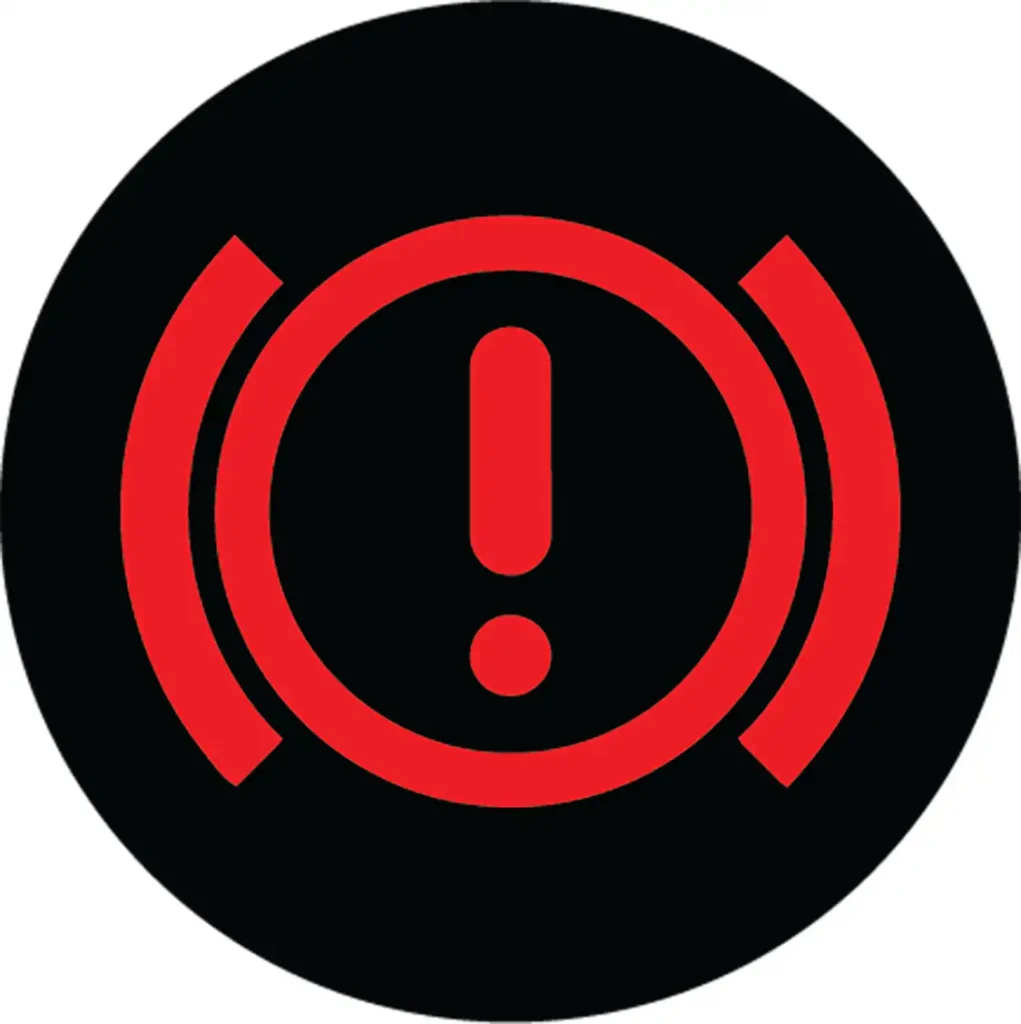
- Inside a circle with parentheses (brake system warning)
- Inside a triangle (general warning light)
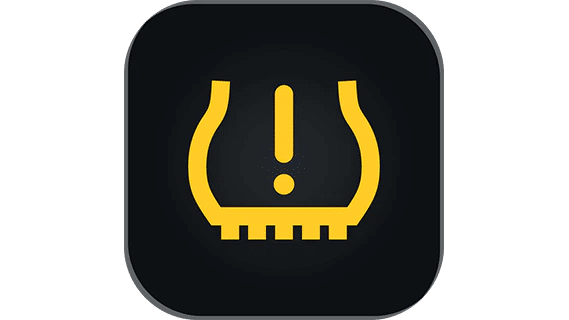
- Near the tire pressure monitoring system light
Different Colors And Their Meanings
The color of the exclamation point light shows how serious the issue is. Each color tells you what to do next.
Red means stop or check right away. Yellow or orange means get it checked soon but not urgent.
| Color | Meaning | Action |
|---|---|---|
| Red | Serious problem | Stop and check immediately |
| Yellow / Orange | Warning or caution | Schedule service soon |
| Green / Blue | Information or system active | No urgent action needed |
Credit: www.bfgoodrich.ca
Reasons For The Warning Light
The car exclamation point light warns drivers about possible problems. It can show up for different reasons.
This light means the car needs attention. Ignoring it may cause bigger issues.
Brake System Issues
The warning light may mean a brake problem. It could be low brake fluid or worn brake pads.
Sometimes the brake system sensor detects a fault. This needs quick fixing for safety.
- Low brake fluid level
- Worn brake pads or shoes
- Faulty brake system sensor
- Parking brake left on
Tire Pressure Problems
The exclamation light can point to tire pressure issues. Low or uneven pressure triggers the warning.
Maintaining correct tire pressure is important for safe driving and fuel efficiency.
- Low tire pressure in one or more tires
- Uneven tire pressure affecting stability
- Faulty tire pressure monitoring sensor
Battery Or Electrical Faults
This warning light may signal a battery or electrical issue. Problems with charging or power supply cause it.
Check the battery and alternator if this light appears. Electrical faults can stop the car from running.
- Weak or dead battery
- Faulty alternator or charging system
- Loose or corroded battery connections
- Electrical system faults or sensor errors
Engine And Transmission Alerts
The warning light can also mean engine or transmission trouble. Sensors detect problems in these systems.
Prompt attention can prevent damage and costly repairs to the engine or transmission.
- Engine overheating or low oil pressure
- Transmission fluid issues or faults
- Sensor errors in engine control systems
- Malfunction in emission or fuel systems
Quick Checks To Perform
The car exclamation point light signals an issue you should not ignore. It often means a problem with brake fluid, tires, or battery. Checking these parts can keep you safe on the road.
Simple checks take little time and can prevent bigger problems. Look under the hood and around your car to find the cause of the warning light.
Inspecting Brake Fluid Level
Brake fluid keeps your brakes working well. Low fluid can cause the exclamation light to turn on. Check the fluid level in the reservoir under the hood.
- Find the brake fluid reservoir near the back of the engine bay.
- Look at the side for “Min” and “Max” marks.
- If the level is below “Min,” add the correct brake fluid type.
- Do not mix different brake fluid types.
- Close the reservoir tightly after filling.
Checking Tire Pressure
Low tire pressure can trigger the warning light. Tires need the right air pressure for safe driving. Use a tire pressure gauge to check all tires.
| Tire Location | Recommended Pressure (psi) |
| Front Tires | 32 – 35 |
| Rear Tires | 30 – 33 |
| Spare Tire | 60 (if full size) |
Check the tire pressure when tires are cold for best results. Add air if pressure is below the recommended range.
Examining Battery Connections
Loose or corroded battery connections can cause warning lights. Inspect the battery terminals under the hood.
- Turn off the engine before inspecting.
- Look for dirt, corrosion, or loose cables on battery terminals.
- Clean terminals with a wire brush if needed.
- Tighten any loose connections carefully.
- Check battery age; replace if older than 3-5 years.
Credit: www.streettrucksmag.com
Fixing The Issue Fast
The car exclamation point light often signals a problem you should fix quickly. It can mean low tire pressure, low brake fluid, or another issue.
Check the cause right away to avoid bigger problems. Here are simple ways to fix common issues linked to this warning light.
Using A Tire Pressure Gauge
Low tire pressure is a frequent cause of the exclamation point light. Use a tire pressure gauge to check all tires. Compare the readings to the recommended pressure in your car manual.
- Remove the valve cap from the tire.
- Press the gauge firmly onto the valve stem.
- Read the pressure on the gauge display.
- Add air if the pressure is below recommended levels.
- Replace the valve cap securely.
Refilling Brake Fluid
Brake fluid levels can drop and cause the warning light to turn on. Check the brake fluid reservoir under the hood. It is usually a clear container with minimum and maximum marks.
| Step | Action |
| 1 | Open the brake fluid reservoir cap. |
| 2 | Check the fluid level against the marks. |
| 3 | Add the correct brake fluid type if below minimum. |
| 4 | Close the cap tightly after refilling. |
Resetting The Warning Light
After fixing the issue, the light may stay on. Resetting it can clear the warning. Some cars reset automatically after driving. Others need a manual reset.
Follow these steps to reset the light manually:
- Turn the ignition to the “on” position without starting the engine.
- Locate the reset button near the dashboard or use the car’s menu system.
- Press and hold the reset button for 10-15 seconds.
- Release the button when the light blinks or turns off.
- Turn off the ignition and start the car to check if the light stays off.
When To Seek Professional Help
The car’s exclamation point light warns you about potential problems. Sometimes, you can fix simple issues yourself. Other times, the light stays on and needs expert attention.
Knowing when to call a mechanic can save you time and money. It also helps keep your car safe to drive.
Persistent Light After Basic Fixes
If the exclamation point light stays on after you check tire pressure or top off fluids, it signals a deeper problem. Ignoring this can cause damage to your car.
- Check tire pressure with a gauge and inflate if needed.
- Refill brake or transmission fluids if low.
- Inspect for visible leaks or damage under the car.
- If the light remains on, get a professional diagnosis.
Strange Noises Or Performance Changes
Unusual sounds or changes in how your car drives often come with the warning light. These signs mean a professional should inspect the vehicle soon.
| Symptom | Possible Cause |
| Grinding or squealing noises | Brake or wheel issues |
| Car pulling to one side | Tire or suspension problem |
| Sluggish acceleration | Engine or transmission trouble |
| Warning light blinking | Electrical or sensor malfunction |
Safety Precautions
Driving with an active warning light can be risky. Follow safety steps to protect yourself and others on the road.
- Do not ignore the warning light if it stays on.
- Pull over safely if you hear unusual noises or feel performance loss.
- Use hazard lights if you must stop on the road.
- Call for roadside assistance if you cannot drive safely.
- Have your car checked by a qualified mechanic as soon as possible.
Preventing Future Warnings
The car exclamation point light is a common dashboard warning. It tells you something needs attention. Preventing future warnings can save you from bigger problems.
Regular checks and careful monitoring are key. This helps keep your car in good shape and avoids sudden issues.
Regular Maintenance Tips
Regular maintenance is important for your car’s health. It helps in catching problems early.
Follow the maintenance schedule in the car manual. This includes oil changes, tire checks, and brake inspections.
- Change oil every 5,000 miles
- Check tires monthly
- Inspect brakes twice a year
Monitoring Dashboard Alerts
Pay attention to dashboard alerts. These lights inform you of potential issues.
When the exclamation point light comes on, check it immediately. Ignoring it might lead to bigger problems.
- Learn the meaning of dashboard lights
- Respond quickly to alerts
- Use the manual for guidance
Keeping Essential Tools Handy
Keep essential tools in your car. This helps you handle minor issues quickly.
Having the right tools can save you time and stress. They help in emergencies until you get professional help.
- Keep a tire pressure gauge
- Have a basic tool kit
- Carry spare fuses and bulbs
Frequently Asked Questions
What Does The Car Exclamation Point Light Mean?
The car exclamation point light signals a warning or alert. It often indicates tire pressure issues or brake system problems. Always check your vehicle’s manual to understand the specific cause and address it promptly for safe driving.
Why Is My Car’s Exclamation Point Light Flashing?
A flashing exclamation point light usually points to a critical issue. It might indicate brake system failure or tire pressure loss. Stop driving immediately and inspect your vehicle to prevent damage or accidents.
How To Reset The Exclamation Point Warning Light?
Resetting the exclamation point light varies by vehicle. Usually, fixing the issue and turning the ignition off and on resets it. Consult your owner’s manual for exact steps or visit a mechanic if unsure.
Can Low Tire Pressure Trigger The Exclamation Point Light?
Yes, low tire pressure commonly triggers the exclamation point light. Modern cars have sensors that monitor tire pressure and alert you when it’s unsafe. Check and inflate your tires to the recommended PSI immediately.
Conclusion
The car exclamation point light signals an important issue. It warns you to check your vehicle soon. Ignoring this light can cause bigger problems. Stay calm, but take action quickly. Check your tire pressure or brake system first. If unsure, visit a mechanic to inspect it.
Understanding this warning helps keep you safe on the road. Always pay attention to your car’s signals. Small steps now can prevent costly repairs later. Your safety depends on how you respond to this light.







