
If you want your car to look brand new for years, protecting its paint is key. Imagine driving with confidence, knowing your car’s finish stays shiny and free from scratches, chips, and fading.
Car dealer paint protection offers a smart way to keep your vehicle’s value high and its appearance flawless. You’ll discover how this simple step can save you money, time, and stress. Ready to learn how to shield your car’s beauty effortlessly?
Keep reading to find out everything you need to know.
Benefits Of Paint Protection
Paint protection helps keep your car looking new for a long time. It shields the surface from damage and dirt.
Using paint protection can save money on repairs and keep your vehicle attractive over the years.
Preserving Vehicle Appearance
Paint protection creates a strong barrier against scratches, stains, and fading. It keeps the car shiny and clean.
- Protects paint from UV rays that cause fading
- Guards against bird droppings and tree sap
- Reduces swirl marks from washing
- Makes dirt and water slide off easily
Enhancing Resale Value
A well-protected paint job looks newer and fresher. This can raise the price when you sell your car.
| Condition | Resale Value Impact |
| Protected Paint | Higher resale price |
| Unprotected Paint | Lower resale price |
| Damaged Paint | Significant value loss |
Reducing Maintenance Efforts
Paint protection makes cleaning easier and less frequent. It helps keep the car spotless with little work.
Benefits include:
- Less time spent washing
- Less need for waxing
- Reduced chance of paint repairs
Credit: madico.com
Types Of Paint Protection
Paint protection helps keep your car’s surface safe from damage. It preserves the look and value of your vehicle. There are different types of paint protection to choose from.
This guide explains the main types of paint protection. You can learn about ceramic coatings, paint protection films, wax, and sealants.
Ceramic Coatings
Ceramic coatings create a hard, clear layer on your car’s paint. They protect against dirt, water, and light scratches. This coating lasts longer than wax or sealants.
- Provides strong protection
- Repels water and dirt
- Resists minor scratches
- Lasts for years with proper care
Paint Protection Films
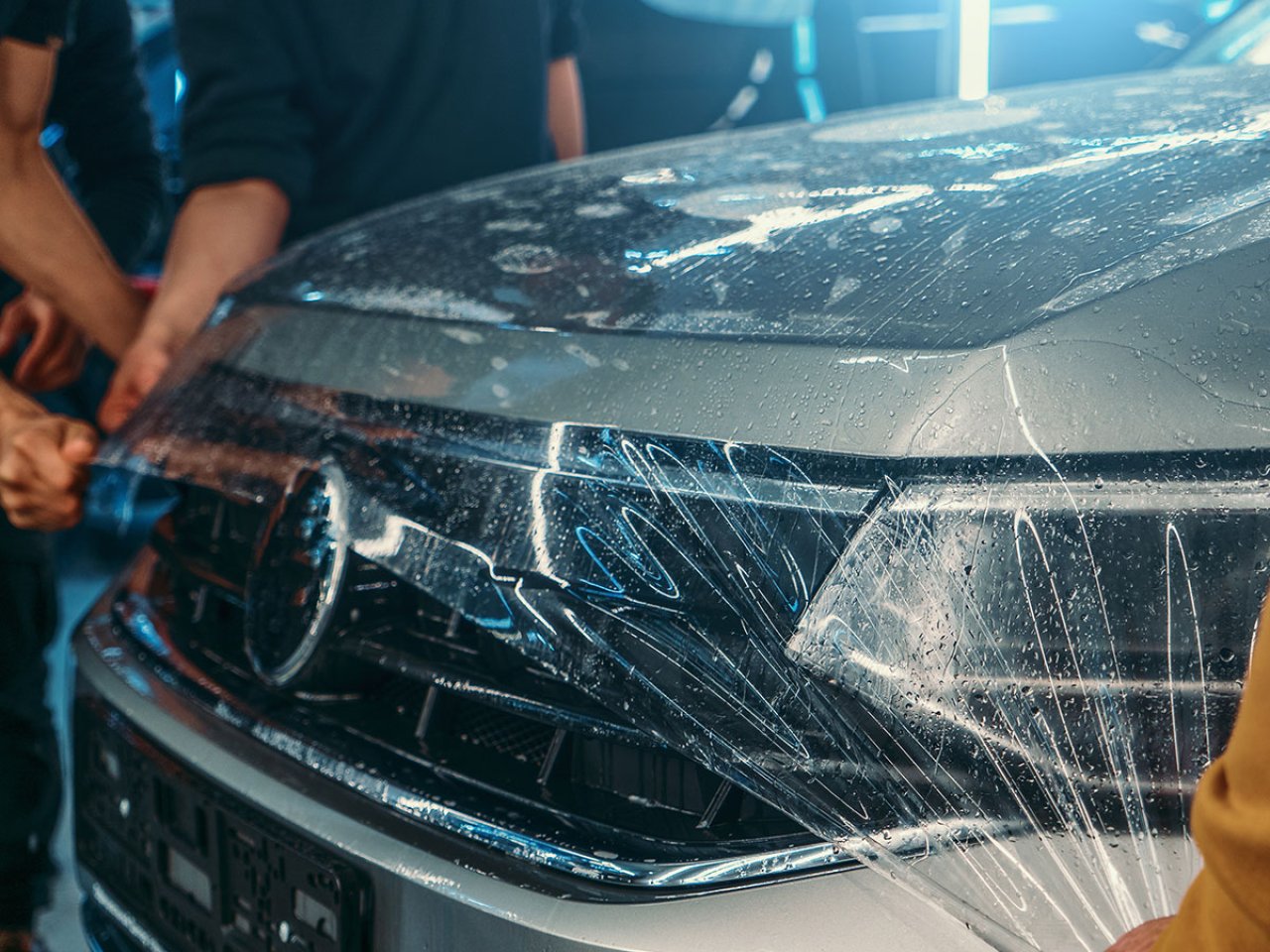
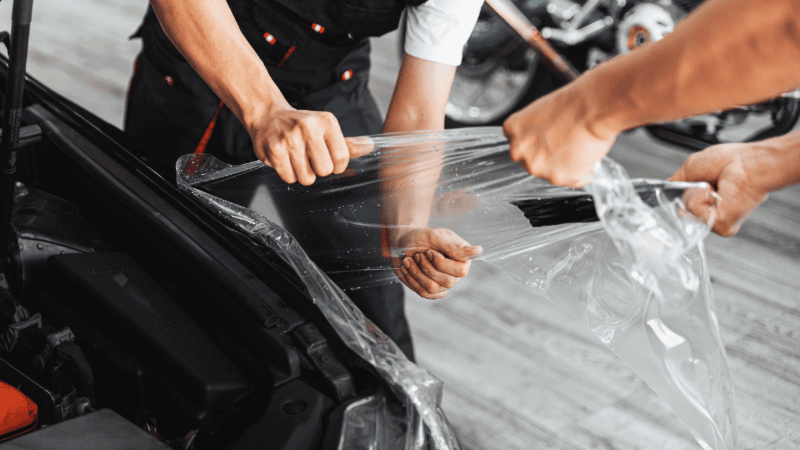
Paint protection films are clear plastic layers applied to the car’s surface. They protect from chips, scratches, and road debris. Films are thicker than coatings and offer physical barrier.
| Feature | Ceramic Coating | Paint Protection Film |
| Thickness | Thin | Thick |
| Scratch Protection | Minor scratches | Strong protection |
| Water Repellency | Yes | No |
| Durability | Years | Several years |
Wax And Sealants
Wax and sealants are traditional paint protection options. They add shine and protect the paint from UV rays and dirt. These products need to be applied regularly to keep working well.
- Wax is natural and easy to apply
- Sealants are synthetic and last longer
- Both improve shine
- Require frequent reapplication
Choosing The Right Protection
Protecting your car’s paint keeps it looking new and shiny. Choosing the right paint protection helps avoid scratches and fading. It is important to understand your options before making a decision.
This guide covers key factors to consider and compares professional and DIY applications. Knowing these points will help you pick the best protection for your car.
Factors To Consider
Different paint protection types offer various levels of durability and cost. Your climate, car usage, and budget play a role in deciding the right protection. Some options last longer but cost more.
- Durability: How long the protection lasts
- Cost: Price of the product and application
- Maintenance: How often you must reapply or clean
- Appearance: Glossy or matte finish preference
- Climate: Exposure to sun, rain, or snow
- Car usage: Daily driving or occasional use
Professional Vs Diy Application
Professional application offers expert results and longer-lasting protection. DIY kits are cheaper but need careful work and may not last as long. Consider your skills and time before choosing.
| Aspect | Professional | DIY |
| Cost | Higher | Lower |
| Time | Shorter | Longer |
| Skill Level | Not needed | Required |
| Durability | Longer-lasting | Less durable |
| Finish Quality | Better | Variable |
Credit: carlikefilm.com
Application Process At Dealerships
Dealerships apply paint protection to keep cars looking new. This process helps protect the vehicle’s surface from damage. It involves careful steps to ensure a smooth and durable finish.
The application is done by trained staff using special tools and materials. Each step is important for the protection to last long and work well.
Surface Preparation
Before applying paint protection, the car surface must be clean and smooth. This step removes dirt, oils, and old wax. It helps the protection bond correctly to the paint.
- Wash the car thoroughly with soap and water
- Use a clay bar to remove embedded contaminants
- Dry the surface with clean microfiber towels
- Polish the paint to remove minor scratches and swirl marks
- Clean with isopropyl alcohol to remove any leftover oils
Coating Or Film Installation
There are two common types of paint protection: coatings and films. Coatings are liquid layers that harden on the paint. Films are thin, clear sheets applied to the surface.
| Type | Material | Key Benefit |
| Coating | Ceramic liquid | Strong chemical resistance |
| Film | Polyurethane sheet | Protects from scratches and chips |
Curing And Aftercare
After the protection is applied, it needs time to cure. Curing makes the coating or film stick well and become durable. Dealerships give special care instructions to customers for the best results.
- Keep the car indoors or covered for at least 24 hours
- Avoid washing the car for the first week
- Use gentle cleaning products to protect the coating or film
- Inspect the surface regularly for any damage
- Schedule professional check-ups as recommended by the dealer
Common Myths About Paint Protection
Many people have misconceptions about car paint protection. Let’s clear up some of the common myths.
Understanding what paint protection can and cannot do is important. It helps you make informed decisions.
Longevity Expectations
People often think paint protection lasts forever. This is not true. Paint protection needs maintenance like any other car part.
- Check for wear and tear regularly
- Reapply protection every few years
- Follow care instructions provided by the manufacturer
Scratch And Chip Resistance
Paint protection does not make your car invincible. It reduces the chances of scratches and chips, but it doesn’t eliminate them.
- Protection layer can absorb minor impacts
- Large impacts can still damage the paint
- Regular washing helps maintain the protection layer
Maintaining Your Protected Paint
Paint protection helps keep your car’s surface safe from scratches and dirt. Proper care keeps this protection strong and lasting.
Learn simple steps to clean and protect your paint every day. This guide helps you keep your car looking new.
Cleaning Tips
Wash your car often to remove dirt and dust. Use mild soap made for cars and clean water.
Use a soft cloth or sponge to avoid scratching the paint. Dry the car with a clean towel after washing.
- Rinse car before washing to remove loose dirt
- Use two buckets: one for soap, one for rinsing
- Wash in shade to prevent soap spots
- Dry with microfiber towel to avoid streaks
Avoiding Damage
Keep your car away from harsh chemicals and rough surfaces. These can harm the paint protection layer.
Avoid parking under trees to prevent sap and bird droppings. These substances can damage the paint if left too long.
- Do not use abrasive brushes or sponges
- Remove bird droppings quickly with water
- Park in covered or shaded areas when possible
- Do not use harsh detergents or solvents
When To Reapply
Paint protection wears down over time. Check your car’s surface every few months for signs of wear.
Reapply protection if water stops beading on the surface or if the paint looks dull. This keeps your car safe and shiny.
- Inspect paint every 3 to 6 months
- Look for water spots that don’t roll off
- Notice dull or faded areas on the paint
- Follow product instructions for reapplication
Cost Factors And Value
Car dealer paint protection is important for keeping your car looking new. Understanding cost factors and value helps you make smart choices.
Different factors affect the price of paint protection. Knowing these helps you decide what fits your budget and needs.
Price Range Overview
Paint protection costs vary based on materials and service quality. You can choose between basic wax and advanced ceramic coatings.
Prices can range from $100 for basic services to $2,000 for premium options. It’s important to consider what fits your car’s needs.
- Basic wax: $100 to $300
- Mid-range sealant: $300 to $600
- High-end ceramic coating: $1,000 to $2,000
Long-term Savings
Investing in paint protection can save money over time. It reduces the need for frequent detailing and repairs.
Proper protection helps avoid scratches and fading. This keeps your car’s value higher when you decide to sell it.
- Less frequent detailing
- Reduced repair costs
- Higher resale value

Credit: goldwingautocare.com
Frequently Asked Questions
What Is Car Dealer Paint Protection?
Car dealer paint protection is a service that applies a protective layer on your vehicle’s paint. It shields against scratches, dirt, and UV damage, keeping your car looking new longer. This service is often offered at dealerships during purchase or servicing.
How Long Does Paint Protection Last?
Paint protection typically lasts between 2 to 5 years, depending on the product and care. Ceramic coatings last longer than traditional waxes. Regular maintenance and avoiding harsh chemicals help extend the protection’s lifespan.
Is Paint Protection Worth The Cost?
Yes, paint protection is worth the cost for preserving your car’s appearance. It reduces damage from environmental factors and minor abrasions. This protection can maintain resale value and reduce the need for costly paint repairs.
Can Paint Protection Be Applied After Purchase?
Yes, paint protection can be applied after buying your car. Many detailers and dealerships offer this service post-purchase. Early application ensures better adhesion and longer-lasting protection for your vehicle’s paint.
Conclusion
Protecting your car’s paint keeps it looking new longer. It prevents scratches, dirt, and damage from weather. A clear coat shield helps maintain your car’s value. Choosing paint protection from a trusted dealer saves time and effort. Regular care combined with protection offers the best results.
Your car stays shiny and fresh with little work. A small step that makes a big difference. Trust the experts to help your car shine.







