
Have you ever noticed those little lights flicker on your car’s dashboard and wondered what they mean? Your car dashboard warning lights are more than just symbols—they are your vehicle’s way of talking to you.
Ignoring them can lead to costly repairs or even dangerous situations. But don’t worry, understanding these lights is easier than you think. You’ll discover what each warning light means and what action you should take when they appear. Stay with me, and you’ll never feel lost or confused the next time a warning light pops up on your dashboard.
Common Warning Lights
Your car dashboard shows many warning lights. These lights tell you about problems or important checks.
Knowing what these lights mean helps you keep your car safe and avoid big repairs.
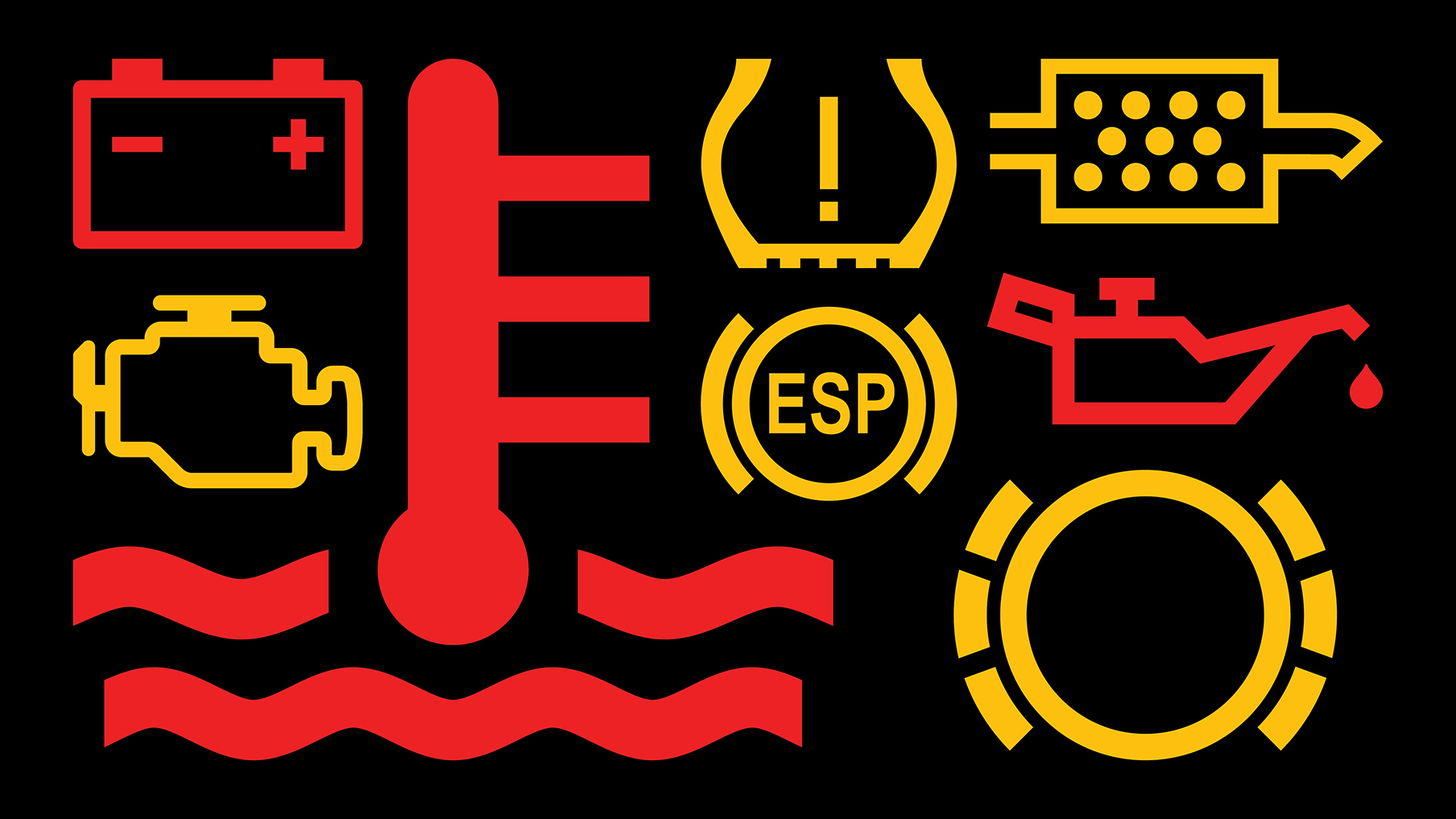
Engine Warning Light
The engine warning light looks like an engine icon. It means the car’s computer found a problem.
This light can come on for many reasons. Check your engine soon to avoid damage.
Battery Alert
The battery alert light looks like a battery symbol. It warns the battery is not charging well.
If this light stays on, the car might lose power or not start. Check the battery or alternator.
Oil Pressure Indicator
The oil pressure light shows an oil can. It means oil is low or oil pump fails.
- Stop the car immediately if the light comes on.
- Check the oil level using the dipstick.
- Add oil if needed or call for help.
- Do not drive with low oil pressure.
Brake System Warning
The brake warning light looks like a circle with an exclamation mark or “BRAKE”.
| Cause | Meaning |
| Parking brake on | Brake light stays on while driving |
| Low brake fluid | Brake system may fail |
| Brake system fault | Brake performance is reduced |
Check your brakes and fluid right away. Driving with brake problems is unsafe.
Tire Pressure Monitor
The tire pressure monitor light looks like an exclamation point inside a flat tire shape.
This light means one or more tires have low pressure. It can cause bad handling or tire damage.
Check your tire pressure with a gauge. Inflate tires to the recommended level found in your car manual or door sticker.
Critical Warning Lights
Critical warning lights on your car dashboard need your quick attention. They alert you to serious problems that could affect safety or damage your vehicle.
Knowing what these lights mean helps you take the right action fast. This guide explains some of the most important warning lights.
Engine Temperature Alert
This light shows when your engine is too hot. Driving with a hot engine can cause serious damage.
If this light comes on, stop your car safely and turn off the engine. Let it cool before checking the coolant level.
Airbag Warning Light
The airbag light means there is a problem with the airbag system. The airbags may not work in a crash.
Do not ignore this light. Have a mechanic check your airbags as soon as possible to ensure your safety.
Abs Warning
The ABS light shows a problem with the Anti-lock Braking System. This system helps keep control during hard braking.
- If the ABS light stays on, your normal brakes still work but without ABS help.
- Drive carefully and get the ABS system checked by a professional.
- Do not ignore this warning to maintain safe braking performance.
Transmission Warning
This light means your car’s transmission may be failing. It can cause shifting problems or even stop the car from moving.
| Warning Sign | Possible Cause | Action |
| Transmission light on | Fluid low or faulty sensor | Check fluid and visit mechanic |
| Delayed shifting | Worn parts or overheating | Stop driving and get repair |
| Strange noises | Internal damage | Have mechanic inspect transmission |
Safety And Maintenance Lights
Your car dashboard has many warning lights. They keep you safe and help maintain your vehicle.
Understanding these lights can prevent accidents and costly repairs. Learn what each light means and what to do.
Seat Belt Reminder
The seat belt reminder light warns if your seat belt is not fastened. It usually flashes and may make a sound.
Always buckle your seat belt before driving. It protects you in case of an accident.
Door Ajar Indicator
This light turns on when any door is not fully closed. It helps prevent accidents from doors opening while driving.
- Check all doors and close them firmly.
- Look for any objects blocking the door.
- Do not drive until the light goes off.
Service Vehicle Soon Light
This light signals that your car needs maintenance soon. It can relate to oil, brakes, or other systems.
| Possible Issues | What to Do |
|---|---|
| Oil change needed | Visit a mechanic to change oil |
| Brake system check | Have brakes inspected |
| Other system alerts | Get full vehicle diagnosis |
Check Engine Light
The check engine light warns of engine problems. It can be caused by many issues, from loose gas caps to serious engine trouble.
Follow these steps if the check engine light comes on:
- Secure the gas cap tightly.
- Check for unusual noises or smells.
- Reduce speed and avoid heavy loads.
- Visit a mechanic promptly for inspection.

Credit: parkmagazineny.com
How To Respond To Warning Lights
Car dashboard warning lights alert you to potential problems. Knowing how to respond keeps you safe.
Each light means something different. React quickly and wisely to avoid damage.
Immediate Actions
If a warning light comes on, do not ignore it. First, check the car’s current condition.
- If the light is red, stop the car safely as soon as possible.
- Turn off the engine to prevent further damage.
- Check for obvious problems like low oil or overheating.
- If it is safe, open the hood to look for leaks or smoke.
- Do not drive if you see signs of serious trouble.
When To Visit A Mechanic
Some warning lights mean you need expert help right away. Others can wait a day or two.
| Warning Light | Action Needed |
| Engine Temperature | Stop driving and call mechanic |
| Oil Pressure | Do not drive; get immediate service |
| Brake System | Stop safely; check brake fluid; visit mechanic soon |
| Check Engine | Schedule a mechanic visit within a few days |
| Tire Pressure | Inflate tires; visit mechanic if light stays on |
Using Your Owner’s Manual
Your owner’s manual explains all dashboard lights. It shows what each light means.
Follow these tips from the manual:
- Identify the warning light symbol.
- Read the suggested actions.
- Check the manual before calling a mechanic.
- Keep the manual in your car for quick access.
Preventing Dashboard Warnings
Dashboard warning lights alert you to issues with your car. Ignoring them can cause serious damage. You can prevent many warnings with simple care.
Following easy tips helps keep your vehicle in good shape. This reduces the chance of dashboard warnings showing up.
Regular Maintenance Tips
Keep a regular service schedule for your car. Change the oil and filters as recommended. Check belts and brakes often. Clean or replace air filters to keep the engine healthy.
- Change engine oil every 5,000 to 7,500 miles
- Inspect brake pads and rotors every 10,000 miles
- Replace air filter every 15,000 miles
- Check battery and clean terminals regularly
Monitoring Fluid Levels
Fluids help your car parts work smoothly. Low fluid levels trigger dashboard warnings. Check fluids often to avoid problems.
| Fluid Type | Check Frequency | Why It Matters |
| Engine Oil | Monthly | Keeps engine parts lubricated |
| Coolant | Monthly | Prevents engine overheating |
| Brake Fluid | Every 6 months | Ensures proper brake function |
| Transmission Fluid | Every 30,000 miles | Keeps gears shifting smoothly |
Tire Care Best Practices
Bad tires can cause warning lights and unsafe driving. Check tire pressure and tread often. Rotate tires to wear them evenly.
- Check tire pressure monthly with a gauge
- Keep pressure at the level shown in your owner’s manual
- Inspect tread depth using the penny test
- Rotate tires every 5,000 to 7,000 miles
- Replace tires if tread is below 2/32 inch

Credit: www.atlantictireonline.com
Credit: www.motabilitylifestyle.com
Frequently Asked Questions
What Do Different Car Dashboard Warning Lights Mean?
Car dashboard warning lights indicate vehicle issues or maintenance needs. Each light has a specific color and icon, signaling urgency or system status. Understanding these helps prevent damage and ensures safety. Consult your owner’s manual for exact meanings and actions to take.
Why Is My Engine Warning Light On?
The engine warning light signals engine or emission system problems. It can indicate minor issues like a loose gas cap or serious faults needing immediate attention. Have your vehicle diagnosed promptly to avoid further damage and ensure optimal performance.
How To Reset Car Dashboard Warning Lights?
Resetting dashboard warning lights usually requires fixing the underlying issue first. After repair, lights may reset automatically or need manual reset via an OBD-II scanner or disconnecting the battery briefly. Always consult your vehicle’s manual or a professional mechanic.
Are All Dashboard Warning Lights Urgent?
Not all dashboard lights indicate emergencies. Red lights usually mean immediate attention is needed, while yellow or orange lights suggest caution or scheduled maintenance. Understanding the color codes helps prioritize your response and maintain vehicle safety.
Conclusion
Car dashboard warning lights help keep you safe on the road. They tell you when something needs attention. Ignoring these lights can cause bigger problems. Learn the meaning of common symbols in your car. Check your manual or ask a mechanic if unsure.
Acting quickly can save money and avoid breakdowns. Stay aware and drive with confidence every time. Understanding your dashboard is smart car care.







