
Have you ever glanced at your car’s dashboard and felt a sudden rush of confusion? Those little lights can seem like a secret code meant to warn or inform you.
But what do they really mean? Understanding your car dashboard lights is not just about avoiding costly repairs—it’s about keeping you safe on the road. You’ll discover exactly what each light signals, why it matters, and what you should do the moment one lights up.
Don’t let uncertainty slow you down—read on to take control of your car’s health and your peace of mind.
Common Dashboard Lights
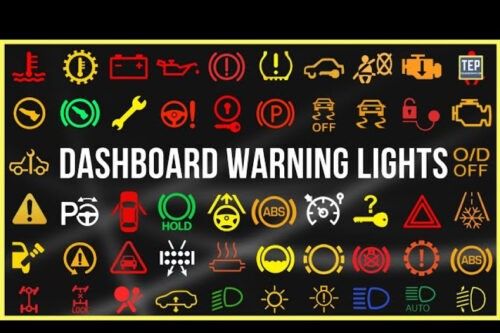
Your car’s dashboard has many lights that show its condition. These lights help you know if something needs attention.
Understanding common dashboard lights can keep your car safe and running well.
Engine Warning Light
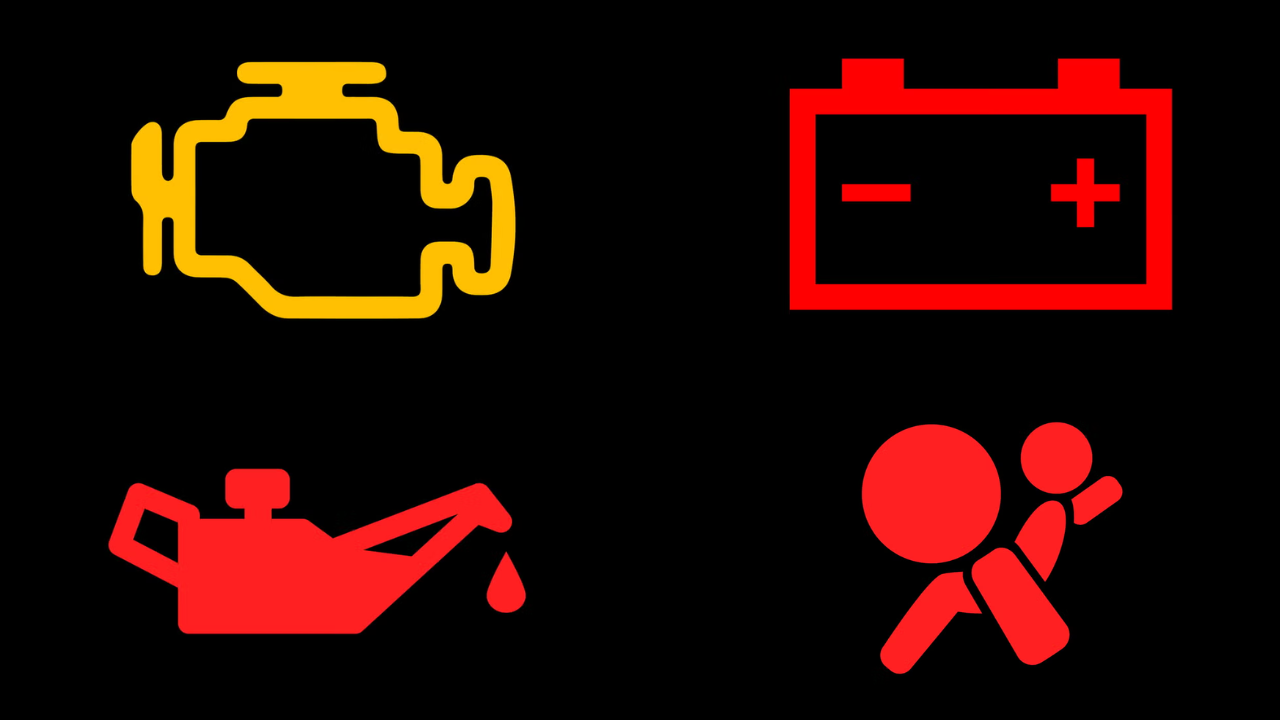
The engine warning light shows problems with the engine or emissions system. It looks like an engine shape or says “Check Engine.”
If this light turns on, your car needs a check soon. Driving with it on can cause more damage.
Battery Alert
The battery alert light looks like a battery symbol. It means the car’s charging system has a problem.
If this light stays on, the battery may not charge. Your car could stop running soon.
Oil Pressure Indicator
This light looks like an old oil can. It shows that oil pressure is low in the engine.
Low oil pressure can damage the engine. Stop the car and check oil levels if this light appears.
Brake System Warning
The brake warning light shows a circle with an exclamation mark or says “BRAKE.” It means a problem with the brake system.
This light can mean low brake fluid or a brake failure. Check your brakes immediately when you see this light.
Temperature Gauge Alert
The temperature gauge alert looks like a thermometer or waves. It warns that the engine is too hot.
High engine temperature can cause serious damage. Stop driving and let the engine cool down if this light turns on.
Credit: www.zigwheels.my
Safety And Maintenance Alerts
Car dashboard lights help drivers stay safe and keep their cars in good shape. These lights warn you about important safety and maintenance issues.
Knowing what each light means helps you act quickly. This can prevent accidents and costly repairs.
Tire Pressure Monitoring
The tire pressure monitoring light shows when tire pressure is too low or too high. Proper tire pressure keeps your car stable and saves fuel.
Check your tires and inflate them to the recommended pressure when this light comes on. Driving with wrong tire pressure is unsafe.
Airbag Warning Light
The airbag warning light means there is a problem with your car’s airbag system. If it stays on, the airbags might not work in a crash.
Have a mechanic check your airbags as soon as you see this light. Airbags protect you during accidents.
Seatbelt Reminder
The seatbelt reminder light alerts you to fasten your seatbelt. It usually flashes and makes a sound if seatbelts are not buckled.
Always wear your seatbelt while driving. It is one of the best ways to stay safe in a crash.
Abs Warning Light
The ABS warning light shows when there is a problem with the Anti-lock Braking System. ABS helps prevent wheel lock during hard stops.
If this light comes on, your brakes may still work but ABS might not. Get your brakes checked to stay safe.
Performance And Efficiency Indicators
Your car dashboard lights tell you important information about performance and efficiency.
Knowing what these lights mean helps you keep your vehicle running smoothly.
Check Engine Light
The check engine light signals problems with your engine or emissions system.
It can turn on for many reasons, from a loose gas cap to serious engine issues.
Fuel Level Warning
This light warns when your fuel is low and you should refuel soon.
- Shows the fuel tank level
- Helps avoid running out of gas
- Often appears at about 10-15% fuel left
Transmission Alert
The transmission alert light indicates issues with the transmission system.
| Light Status | Meaning |
| Steady Light | Check transmission soon |
| Blinking Light | Transmission overheating |
| Light Off | Normal operation |
Traction Control Light
This light shows the traction control system is active or has a problem.
When active, the light means the system helps keep your car stable on slippery roads.
If the light stays on, it may need a system check by a mechanic.
Credit: www.timesdrive.in
What To Do When A Light Appears
Car dashboard lights alert you to important issues. Knowing what to do helps keep you safe.
Some lights need quick action, while others can wait for a mechanic. Learn how to respond.
Immediate Actions
When a light appears, first check what it means. Some warnings need you to stop driving.
- Pull over safely if the light is red or flashing.
- Turn off the engine and check for problems.
- Look under the hood for leaks or smoke.
- Use your car manual to identify the light.
- Do not ignore engine or oil pressure warnings.
When To Seek Professional Help
If the light stays on after basic checks, call a professional mechanic. Some issues need expert care.
| Light Color | Action Needed |
| Red | Stop driving, call for help |
| Yellow/Orange | Schedule service soon |
| Green/Blue | Informational, no urgent action |
Resetting Dashboard Lights
Some lights reset after fixing the issue. Others need a manual reset or scan tool.
To reset lights:
- Turn off the engine.
- Disconnect the car battery for 15 minutes.
- Reconnect the battery and start the car.
- If the light remains, use an OBD-II scanner.
- Visit a mechanic if you cannot reset the light.
Tips To Prevent Dashboard Alerts
Dashboard lights warn you about your car’s condition. Preventing alerts helps avoid costly repairs.
Simple care keeps your vehicle running safely and smoothly. Follow these tips to stop dashboard warnings.
Regular Vehicle Maintenance
Check your car often to keep all parts working well. Change oil and filters on time.
Regular service helps find problems before lights turn on. Use a trusted mechanic for inspections.
Monitoring Fluid Levels
Fluids keep your car cool and running smoothly. Check oil, coolant, brake, and transmission fluids regularly.
Low or dirty fluids can cause engine or brake warnings. Top off or replace fluids as needed.
- Check engine oil monthly
- Inspect coolant before hot weather
- Test brake fluid every few months
- Monitor transmission fluid during oil changes
Tire Care And Inspection
Proper tire care improves safety and fuel efficiency. Check tire pressure at least once a month.
Look for uneven wear or damage. Replace worn tires to avoid alerts and accidents.
- Use a tire gauge to check pressure
- Rotate tires every 6,000 miles
- Replace tires with deep cracks or bald spots
- Keep tires inflated to manufacturer specs

Credit: www.actonservicecentre.co.uk
Frequently Asked Questions
What Do Red Dashboard Lights Indicate?
Red dashboard lights signal urgent issues that need immediate attention. They often warn of safety or engine problems. Ignoring them can cause serious damage or accidents. Always check your vehicle manual or contact a mechanic right away.
Why Is My Check Engine Light On?
The check engine light indicates a problem with your engine or emissions system. It can range from minor issues like a loose gas cap to serious engine faults. A diagnostic scan can pinpoint the exact cause for timely repair.
How To Identify Dashboard Warning Light Colors?
Dashboard lights come in red, yellow, or green colors. Red means urgent issues, yellow signals caution or maintenance, and green indicates normal system operation. Understanding these colors helps prioritize your vehicle’s care and safety.
Can Dashboard Lights Affect Car Performance?
Yes, dashboard lights often signal issues that can impact car performance. Ignoring warnings may lead to reduced fuel efficiency, engine damage, or safety risks. Addressing the alerts promptly ensures your car runs smoothly and safely.
Conclusion
Car dashboard lights show important information about your vehicle. Knowing their meaning helps keep you safe on the road. Some lights warn of small issues, while others signal serious problems. Always pay attention and act quickly if a light stays on.
Regular checks can prevent costly repairs. Stay calm, read your car’s manual, and get help if needed. Understanding these signals makes driving easier and safer for everyone.







