
Have you ever noticed those small lights glowing on your car’s dashboard and wondered what they mean? Car dash lights are more than just colorful symbols—they are your vehicle’s way of talking to you.
Understanding these lights can save you from unexpected breakdowns and costly repairs. You’ll learn how to quickly recognize what each light means and what actions you should take. Keep reading to stay safe, save money, and keep your car running smoothly.
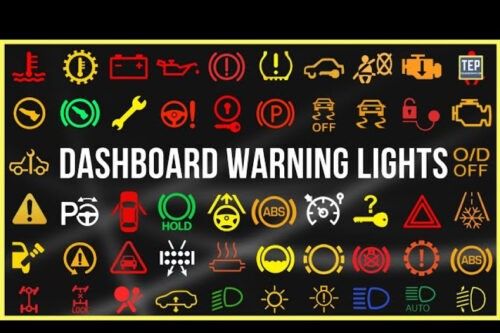
Credit: www.zigwheels.my
Common Dash Lights
Car dash lights help you understand your vehicle’s condition. They warn you about problems or show you important information. Knowing these lights can keep you safe and avoid damage.
This guide covers common dash lights. You will learn about warning lights, indicator lights, and informational lights.
Warning Lights
Warning lights alert you to serious issues. They need immediate attention. Ignoring them can cause damage or danger.
- Engine Warning Light:Shows a problem with the engine or emissions system.
- Oil Pressure Light:Warns that oil pressure is low. Stop the car and check oil.
- Battery Light:Means the charging system is not working right.
- Brake Warning Light:Indicates a brake system issue or low brake fluid.
- Temperature Warning Light:Signals the engine is too hot.
Indicator Lights
Indicator lights show your car’s active functions. They tell you if something is turned on or working.
| Indicator Light | Meaning |
| Turn Signal | Shows left or right turn signal is active |
| High Beam | Shows high beam headlights are on |
| Fog Lights | Fog lights are turned on |
| Parking Brake | Parking brake is engaged |
| Seat Belt | Seat belt is not fastened |
Informational Lights
Informational lights give you useful data about the car. They do not warn of problems.
Common informational lights include:
- Fuel Gauge Light: Shows fuel level is low.
- Check Engine Light (mild): Sometimes shows routine checks or updates.
- Maintenance Reminder: Tells when it is time for service.
Meaning Of Warning Lights
Car dash lights help drivers know if something needs attention. These warning lights show issues in different parts of your vehicle.
Understanding what each light means can help you act quickly and keep your car safe.
Check Engine Light
The check engine light signals a problem with the engine or emission system. It can mean something small or serious.
Common causes include loose gas caps, faulty sensors, or engine misfires. It is best to get a diagnosis soon.
Oil Pressure Light
This light warns that oil pressure is low. Oil keeps the engine parts moving smoothly.
If this light comes on, stop driving quickly. Check the oil level and add oil if needed. Low oil pressure can cause engine damage.
Battery Alert
The battery alert means the car’s electrical system is not charging properly. This can lead to a dead battery.
- Loose or corroded battery cables
- Faulty alternator
- Broken drive belt
- Bad battery
If you see this light, have your battery and charging system checked soon.
Brake System Warning
This light shows a problem with the brakes. It may mean low brake fluid or worn brake pads.
| Warning Light | Possible Cause | Action |
| Brake System Warning | Low brake fluid | Check and refill fluid |
| Brake System Warning | Worn brake pads | Replace brake pads |
| Brake System Warning | Brake system failure | Get professional help immediately |
Temperature Warning
The temperature warning light means the engine is too hot. This can cause serious damage.
Common reasons include low coolant, a broken radiator fan, or a faulty thermostat. Stop driving and let the engine cool down.
Indicator Lights Explained
Car dash lights help drivers understand the vehicle’s status. These lights show important information about your car.
Knowing what each light means can keep you safe and save money on repairs. Let’s look at some common indicator lights.
Turn Signal Indicators
Turn signal indicators show when you activate your car’s turn signals. They blink on the dashboard to match the outside lights.
If the indicator blinks faster than usual, a bulb might be out. Use these signals to tell other drivers where you want to go.
High Beam Indicator
The high beam indicator lights up when you turn on your car’s high beam headlights. This helps you see farther in the dark.
Use high beams only when there is no oncoming traffic. Bright lights can blind other drivers and cause accidents.
Cruise Control Light
The cruise control light appears when you activate the cruise control system. This system keeps your car at a steady speed.
Cruise control helps reduce driver fatigue on long trips. Turn it off in heavy traffic or bad weather to stay safe.
Tire Pressure Monitoring
The tire pressure monitoring light warns when one or more tires have low air pressure. Proper tire pressure is important for safety.
Low tire pressure can cause poor handling and increase fuel use. Check your tires and inflate them to the recommended level.
- Check tire pressure monthly
- Use a tire gauge for accurate reading
- Inflate tires to the car maker’s recommended pressure
Informational Lights To Know
Car dash lights tell you important information about your vehicle. These lights help you stay safe and avoid problems.
Some lights warn you about fuel, doors, or seatbelts. It is good to recognize these signs quickly.
Fuel Level Warning
The fuel level warning light shows when your gas tank is low. It looks like a small gas pump icon.
When this light comes on, you should fill your tank soon. Running out of fuel can leave you stranded.
Door Ajar Alert
The door ajar alert tells you if a door is not fully closed. It often shows a car with open doors.
Drive only when all doors are shut. An open door is dangerous and can cause accidents.
Seatbelt Reminder
The seatbelt reminder light signals if someone in the car is not buckled up. It usually shows a person with a belt.
Always fasten your seatbelt before driving. This light helps protect you in case of a crash.
Troubleshooting Dash Lights
Dash lights in your car give you important information. They warn you about problems or remind you about maintenance.
Knowing how to troubleshoot these lights helps keep your car safe and running well. This guide explains what to do when dash lights come on.
When To Stop Driving
Some dash lights mean you should stop driving right away. Ignoring these warnings can cause serious damage or danger.
Red lights usually show a serious issue. Yellow or orange lights mean you should check soon but can keep driving carefully.
- Stop immediately if the oil pressure or engine temperature light turns on.
- Check your brakes if the brake warning light appears.
- Drive carefully to a safe place if the check engine light is steady.
- Do not ignore flashing dash lights; they signal urgent problems.
Resetting Dash Lights
Some dash lights turn off after fixing the problem. Others may need to be reset manually or with a tool.
Resetting can clear the warning if the issue is solved. If the light returns, the problem may still exist.
- Turn the ignition off and on to see if the light resets.
- Use the car’s menu system to find reset options for maintenance lights.
- Disconnect the car battery for a few minutes to reset some lights (use caution).
Using An Obd-ii Scanner
An OBD-II scanner reads error codes from your car’s computer. It helps identify why a dash light is on.
These scanners are easy to use and give clear codes that explain the problem. Some scanners also reset dash lights.
- Locate the OBD-II port under the dashboard.
- Plug in the scanner and turn the ignition on.
- Read the error codes shown on the scanner screen.
- Look up the code meanings in the scanner manual or online.
- Clear the codes if the problem is fixed and see if the light goes off.
Professional Help Tips
Sometimes dash lights show problems that need a mechanic’s attention. Do not delay professional help if unsure.
Mechanics have tools and knowledge to find and fix hidden issues behind dash lights. They keep your car safe.
- Take your car to a trusted repair shop for a full diagnosis.
- Show the mechanic the dash light and any scanner codes you found.
- Ask for an estimate before any repairs start.
- Follow the mechanic’s advice on maintenance and repairs.

Credit: americanimportsautorepair.com
Preventive Measures
Car dash lights can signal potential issues in your vehicle. Understanding preventive measures helps avoid problems and maintain safety.
Regular checks and maintenance can ensure your car runs smoothly and efficiently. Here are some steps to keep your vehicle in good condition.
Regular Maintenance
Routine maintenance is crucial for the longevity of your vehicle. It helps in early detection of potential issues.
- Schedule oil changes every 5,000 miles.
- Replace air filters every 15,000 miles.
- Inspect brakes every 10,000 miles.
- Check spark plugs every 30,000 miles.
Monitoring Fluid Levels
Fluids are vital for your car’s operation. Regular monitoring prevents overheating and engine damage.
| Fluid Type | Check Frequency |
| Engine Oil | Monthly |
| Brake Fluid | Every 3 months |
| Coolant | Every 6 months |
| Transmission Fluid | Annually |
Battery Care
A healthy battery is essential for car performance. Proper care can extend its lifespan and reliability.
Tire Maintenance
Tires affect your car’s handling and safety. Regular maintenance helps in achieving a smooth ride.
- Check tire pressure monthly.
- Rotate tires every 6,000 miles.
- Inspect tread depth to ensure safety.
- Align wheels annually for even wear.
Credit: www.vertumotors.com
Frequently Asked Questions
What Do Car Dash Lights Indicate?
Car dash lights indicate your vehicle’s status and alert you to issues. They signal warnings, system malfunctions, or maintenance needs.
Why Is My Check Engine Light On?
The check engine light can mean engine problems, sensor issues, or emission system faults. It requires prompt diagnosis to avoid damage.
How To Reset Car Dash Lights?
Resetting dash lights usually involves turning the ignition off and on or using an OBD-II scanner tool. Follow your car manual for specifics.
Are All Dash Lights Urgent?
Not all dash lights are urgent. Red lights signal immediate issues, yellow means caution, and green or blue are informational.
Conclusion
Car dash lights show important information about your vehicle. They help you stay safe on the road. Pay attention to any warning light that appears. Fix problems early to avoid bigger issues later. Understanding these lights saves time and money.
Keep your car in good condition by checking them often. Stay alert and drive with confidence every day.







