
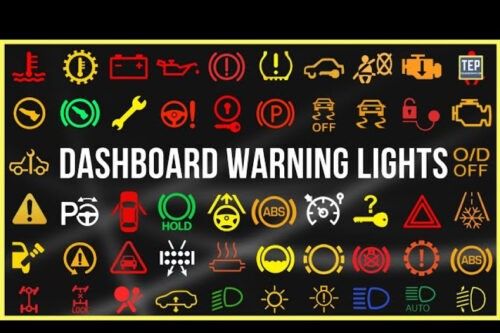
Have you ever noticed a strange light glowing on your car’s dashboard and wondered what it means? Those little warning lights are your car’s way of talking to you.
Ignoring them could lead to bigger problems, costing you time and money. But don’t worry—understanding what each dash light means is easier than you think. You’ll discover the most common car dash lights and what you should do when they appear.
Keep reading to take control of your car’s health and avoid unexpected breakdowns.
Credit: www.zigwheels.my
Common Dashboard Lights
Dashboard lights tell you important information about your car. They help keep you safe and your car in good shape.
Knowing what these lights mean can help you avoid damage and costly repairs. Here are some common dashboard lights you should know.
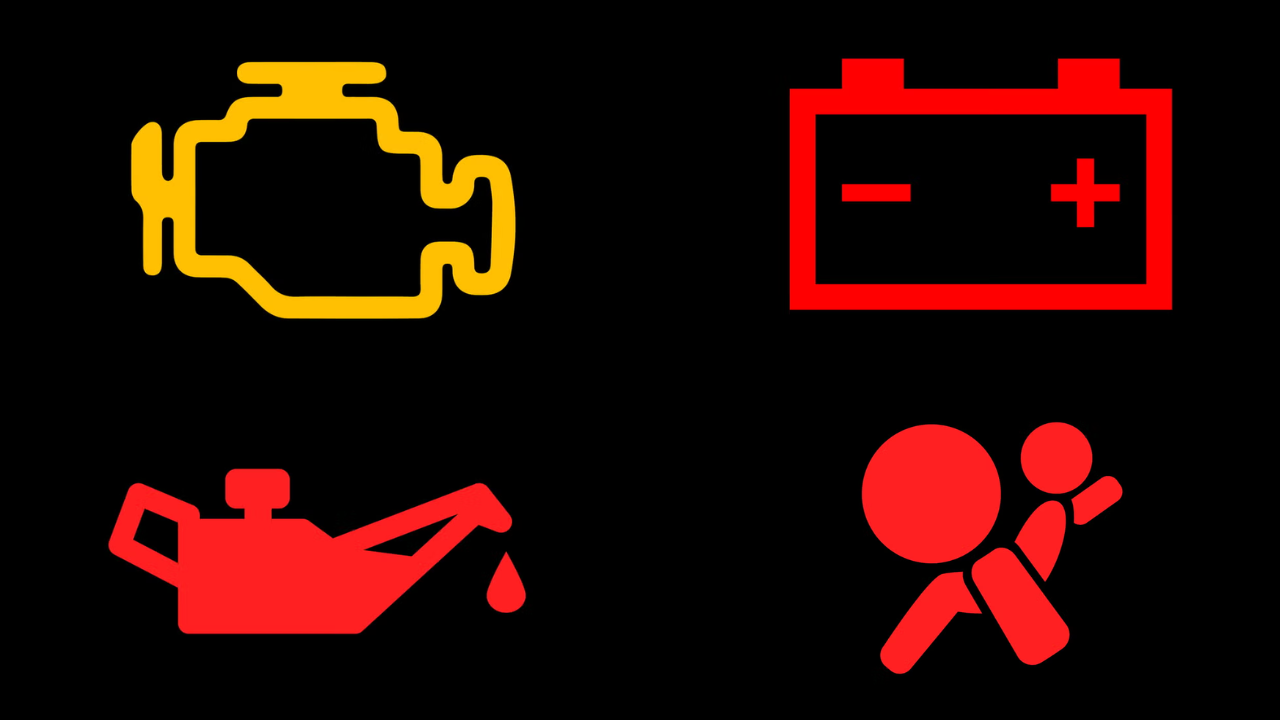
Engine Warning Light
The engine warning light looks like an engine symbol. It turns on when the car’s computer detects a problem.
This light can mean many things, such as a loose gas cap or engine trouble. You should get it checked soon.
Battery Alert
The battery alert light shows a battery icon. It means your car’s charging system is not working right.
This can cause the battery to drain. You should check the battery and alternator quickly to avoid getting stuck.
Oil Pressure Indicator
The oil pressure indicator looks like an old oil can. It warns you when the engine oil pressure is low.
Low oil pressure can damage the engine. Stop driving and check the oil level or call for help.
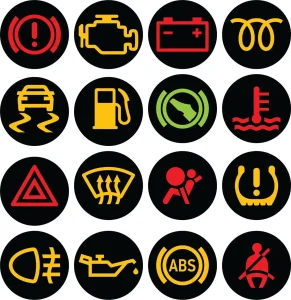
Brake System Warning
The brake system warning light looks like a circle with an exclamation mark or “BRAKE” text. It signals a brake problem.
This could mean the parking brake is on, brake fluid is low, or there is a brake system failure. Check brakes immediately.
Tire Pressure Monitoring
The tire pressure monitoring light looks like an exclamation mark inside a flat tire shape. It alerts you to low tire pressure.
Low tire pressure affects safety and fuel economy. Check all tires and inflate them to the recommended pressure.
Credit: www.timesdrive.in
Color Codes And Their Significance
Car dash lights use colors to show the level of urgency. These colors help drivers know what to do quickly.
Understanding the color codes can keep you safe and protect your car from damage.
Red Lights And Immediate Actions
Red dash lights mean a serious problem. You must stop driving as soon as it is safe.
Ignoring red lights can cause damage or danger. Check the issue right away or call for help.
- Engine overheating
- Oil pressure low
- Brake system failure
- Battery charging problem
Yellow Lights And Caution
Yellow dash lights warn you to be careful. They show problems that need attention soon.
You can usually keep driving, but plan to fix the issue quickly to avoid bigger trouble.
- Check engine
- Low fuel
- Tire pressure warning
- Traction control alert
Green And Blue Lights
Green and blue lights give information or show that something is on. These are not warnings.
They help you know the status of systems like headlights or cruise control.
- Green: Turn signals, headlights on
- Blue: High beams active
- Green: Cruise control engaged
How To Respond To Dashboard Alerts
Dashboard lights tell you when your car needs attention. Some alerts are urgent. Others mean a simple fix.
Knowing how to respond keeps you safe and protects your vehicle. Learn when to stop, check, or see a mechanic.
When To Stop Driving
Some dashboard lights mean you must stop your car right away. Ignoring these can cause damage or danger.
- Red oil pressure light: Stop immediately to avoid engine damage.
- Engine temperature warning: Pull over if the engine overheats.
- Brake system alert: Stop if brakes feel weak or light is on.
- Battery warning light: Stop if the car shows electrical failure signs.
Checking Simple Issues Yourself
Some alerts are easy to check without help. Basic checks save time and money.
- Check oil level with the dipstick if the oil light comes on.
- Look at the coolant level if the temperature light glows.
- Inspect tire pressure when the tire alert appears.
- Make sure gas cap is tight if the check engine light blinks.
When To Visit A Mechanic
Some lights mean the problem needs a professional. Delaying repair can cause bigger issues.
| Dashboard Alert | Reason to See Mechanic |
| Check engine light (steady) | Possible engine or emissions problem |
| ABS light | Brake system needs inspection |
| Airbag warning | Safety system may not work |
| Transmission warning | Gear shifting problems |
Credit: www.streettrucksmag.com
Special Dashboard Symbols
Your car’s dashboard has many symbols. These symbols warn you about problems or important information.
Understanding these special dashboard lights helps keep your car safe and working well.
Check Engine Light Variations
The check engine light can look different. It may be a small engine icon or say “Check Engine.” This light means the car’s computer found a problem.
- A steady light means a minor issue. You should check it soon.
- A flashing light means a serious problem. Stop driving and get help.
- Sometimes the light comes on for a loose gas cap. Tighten it and see if the light goes off.
Abs Warning Light
The ABS warning light looks like the letters “ABS” inside a circle. It shows a problem with the anti-lock brake system.
| ABS Light Status | Meaning | Action |
| On at start, then off | System is working | No action needed |
| Stays on while driving | ABS malfunction | Check brakes soon |
| Flashing | Serious ABS fault | Stop safely and inspect |
Airbag Indicator
The airbag indicator looks like a person with a circle in front. It warns about airbag system problems.
If this light stays on, airbags may not work in a crash.
Have a mechanic check the system to fix the issue.
Preventive Measures For Dashboard Warnings
Dashboard lights show important information about your car. They warn you if something needs attention. Acting early can stop small problems from growing.
Knowing how to handle these warnings keeps your car safe. It also saves money on repairs later. Use these tips to stay ahead of car troubles.
Regular Maintenance Tips
Keep your car in good shape by checking it often. Regular maintenance helps prevent dashboard warnings. Change oil, check brakes, and inspect tires on time.
Follow the service schedule in your car manual. Clean or replace filters and fluids regularly. This stops warning lights from coming on unexpectedly.
- Change engine oil every 5,000 to 7,500 miles
- Check brake pads and fluid regularly
- Inspect tire pressure monthly
- Replace air filters every 12,000 miles
Using Diagnostic Tools
Diagnostic tools read your car’s computer codes. They help find the cause of dashboard warnings fast. You can buy simple scanners or visit a mechanic.
Use these tools to check engine or brake problems early. Plug the scanner into the car’s port and read the codes. This saves time and cost on repairs.
- Buy an OBD-II scanner for easy use
- Plug it into the car’s diagnostic port
- Read the error codes shown
- Look up code meanings online or in manuals
- Fix small issues before they grow
Keeping Your Car Manual Handy
Your car manual explains what each dashboard light means. It tells you how to react to warnings safely. Keep the manual in your glove box or phone.
Reading the manual helps you avoid panic. It guides you to fix simple issues or know when to seek help. Always check the manual first when a light comes on.
- Locate the dashboard warning section
- Understand light colors and symbols
- Follow recommended actions
- Use manual tips to prevent damage
Frequently Asked Questions
What Does A Red Car Dash Light Mean?
A red dash light signals a serious issue requiring immediate attention. It often indicates engine, brake, or airbag problems. Ignoring it can cause damage or safety risks. Always check the owner’s manual and consult a mechanic promptly.
Why Is My Check Engine Light Blinking?
A blinking check engine light means a severe engine misfire. It can damage the catalytic converter and reduce fuel efficiency. Stop driving if safe and have your vehicle inspected immediately to prevent costly repairs and ensure safety.
How To Identify Car Dash Warning Lights?
Car dash lights use colors and symbols to communicate status. Green means normal operation, yellow signals caution, and red indicates urgent issues. Refer to your vehicle’s manual for specific icon meanings to understand and respond correctly.
Can I Drive With A Yellow Dash Light On?
A yellow dash light warns of a potential issue. It usually means maintenance is needed soon but isn’t an emergency. Monitor the vehicle and schedule a service check to prevent further damage or breakdowns.
Conclusion
Car dash lights warn you about your vehicle’s condition. Knowing their meanings helps keep your car safe. Pay attention to these lights every time you drive. Quick action can prevent big problems later. Keep your car manual handy for reference.
Stay calm, read the light, and act smart. Safe driving starts with understanding your dashboard signals.







