
Have you noticed dull spots, scratches, or peeling on your car’s shiny surface? That’s often damage to your car’s clear coat—the invisible layer that protects your paint and keeps your vehicle looking new.
If you want to restore that smooth, glossy finish and protect your car from further harm, understanding clear coat repair is key. You’ll learn simple, effective ways to fix those imperfections and bring back your car’s original shine. Keep reading to discover how you can protect your investment and make your car look great again.

Credit: www.youtube.com
Causes Of Clear Coat Damage
The clear coat on a car protects the paint and keeps it shiny. Over time, this layer can get damaged. Many things cause this damage to happen.
Understanding what harms the clear coat helps car owners take better care of their vehicles. Below are common causes of clear coat damage.
Environmental Factors
Weather and natural elements often wear down the clear coat. Sunlight, rain, and dirt all affect the car’s surface.
- Ultraviolet (UV) rays from the sun fade and crack the clear coat.
- Acid rain leaves spots and weakens the protective layer.
- Bird droppings and tree sap are acidic and can eat through the clear coat.
- Dust and dirt grind the surface when rubbed or wiped.
Physical Wear And Tear
Daily use causes scratches and chips on the clear coat. Small impacts and friction add up over time.
| Type of Damage | Cause |
| Scratches | Keys, stones, or branches scraping the surface |
| Chips | Small rocks hitting the car while driving |
| Swirl Marks | Improper washing or drying techniques |
| Fading | Continuous rubbing and exposure to wind |
Chemical Exposure
Certain chemicals can harm the clear coat quickly. Some are common around cars and garages.
Common harmful chemicals include:
- Gasoline and oil spills that dissolve the clear coat.
- Harsh cleaning products that strip protective layers.
- De-icing salts used on roads in winter that cause corrosion.
- Bug splatter that contains acids damaging the finish.

Credit: www.youtube.com
Signs Of Clear Coat Failure
Clear coat protects your car’s paint and keeps it shiny. Over time, this layer can wear out. Knowing the signs helps you fix problems early.
Look for changes in color, texture, and surface condition. These signs point to clear coat damage that needs attention.
Fading And Discoloration
Fading happens when the clear coat loses its gloss. The car’s paint may look dull or washed out. Discoloration can cause patches of uneven color.
- Shiny areas turn matte or chalky
- Paint colors look lighter than usual
- Spots with different shades appear
- Sunlight makes the surface look uneven
Peeling And Flaking
When the clear coat peels, it lifts from the paint. Flaking causes small pieces to break off. This exposes the paint to damage from weather and dirt.
| Symptom | Description |
| Peeling | Large sections of clear coat lift or curl up |
| Flaking | Small chips or flakes fall off the surface |
| Exposed Paint | Paint underneath looks unprotected and dull |
Surface Roughness
Clear coat failure can make the car’s surface feel rough. This happens when the smooth finish wears away. Dirt and grime stick more easily to rough spots.
Signs of rough surface include:
- Texture feels sandpaper-like to touch
- Light reflects unevenly on the surface
- Water forms spots instead of beads
Tools And Materials Needed
Repairing a car’s clear coat requires the right tools and materials. Using proper supplies helps you get smooth and lasting results.
This guide covers essential items needed for cleaning, sanding, polishing, and safety during the repair process.
Cleaning Supplies
Before any repair, the surface must be clean. Dirt and grease can stop the repair from sticking well.
- Car wash soap
- Microfiber towels
- Wax and grease remover
- Isopropyl alcohol
- Spray bottle with water
Sanding Equipment
Sanding smooths out scratches and rough spots on the clear coat. Choose the right grit and tools for your job.
| Tool | Use | Grit Range |
| Sandpaper sheets | Hand sanding small areas | 800 to 2000 |
| Orbital sander | Large flat surfaces | 1000 to 1500 |
| Sanding block | Even pressure on flat areas | 800 to 2000 |
Polishing Compounds
Polishing removes sanding marks and restores shine. Use compounds that match the damage level.
- Cutting compound for deep scratches
- Polishing compound for light scratches
- Finishing polish for high gloss
- Soft foam or microfiber pads
Protective Gear
Wear safety gear to protect your eyes, skin, and lungs from dust and chemicals.
- Safety goggles or glasses
- Nitrile gloves
- Dust mask or respirator
- Long sleeves and pants
Step-by-step Repair Process
Repairing a car’s clear coat helps restore its shine and protect the paint. This process requires careful work and attention to detail.
Follow these steps to ensure a smooth and durable clear coat repair on your vehicle.
Surface Preparation
Start by cleaning the damaged area thoroughly. Remove all dirt, grease, and wax to make sure the surface is ready for repair.
- Wash the area with car soap and water
- Dry the surface completely
- Use a wax and grease remover
- Mask off surrounding areas to avoid overspray
Sanding Damaged Areas
Sand the damaged clear coat to create a smooth base for new layers. Use the right sandpaper grit to avoid further damage.
| Grit Type | Purpose |
| 800-1000 | Remove damaged clear coat |
| 1500-2000 | Smooth the surface before clear coat |
Applying New Clear Coat
Spray the new clear coat evenly over the repaired area. Use several light coats instead of one thick coat.
- Shake the clear coat can well
- Apply the first light coat from 6-8 inches away
- Wait 10 minutes between coats
- Apply 2-3 coats for full coverage
Buffing And Polishing
Once the clear coat dries, buff and polish the surface to restore gloss and remove imperfections.
Use this polishing sequence for best results:
- Start with a rubbing compound to smooth rough spots
- Use a polishing compound to add shine
- Finish with a wax for protection
Tips For Long-lasting Shine
Keeping your car’s clear coat shiny takes care and attention. Regular maintenance helps protect the paint and keeps your car looking new.
Simple habits can make a big difference in preserving the shine on your car’s clear coat for a long time.
Regular Washing Techniques
Wash your car often to remove dirt and grime that can damage the clear coat. Use gentle soap made for cars and clean water.
Use a soft sponge or microfiber cloth. Avoid rough materials that can scratch the surface.
- Wash in the shade to prevent soap drying too fast
- Rinse well to remove all soap
- Dry with a clean microfiber towel
Waxing And Sealing
Apply wax or sealant regularly to protect the clear coat and keep it shiny. These products add a protective layer on top of the paint.
Waxing also helps repel water and dirt, making future washes easier and safer for your paint.
- Use car wax or paint sealant every 3-4 months
- Follow product instructions for best results
- Apply in small, even sections
Avoiding Harsh Conditions
Protect your car from harsh weather and environmental damage. Sun, rain, and road salt can wear down the clear coat over time.
Park in shaded or covered areas and avoid driving on salty or dirty roads when possible.
- Use a car cover if parking outside for long periods
- Wash off salt and dirt quickly after exposure
- Avoid parking under trees that drop sap or bird droppings
When To Seek Professional Help
Repairing a car’s clear coat can be tricky. Sometimes, professional help is the best choice. Here are situations when you might need it.
Consider these factors before deciding to repair the clear coat yourself. These situations often require expert attention.
Extensive Damage
Clear coat damage can be extensive. Scratches, peeling, and large patches are common issues. These are often too complex for a DIY fix.
- Scratches that reach the base coat
- Peeling over large areas
- Multiple layers of damage
Lack Of Proper Tools
Fixing clear coat damage needs specific tools. Without them, repairs can be ineffective or cause more harm.
| Tool | Purpose |
| Buffer | Smooths the surface |
| Spray gun | Applies the clear coat evenly |
| Sandpaper | Removes old clear coat |
Time Constraints
Repairing a clear coat takes time. If you are busy, a professional can save you from stress and delays.
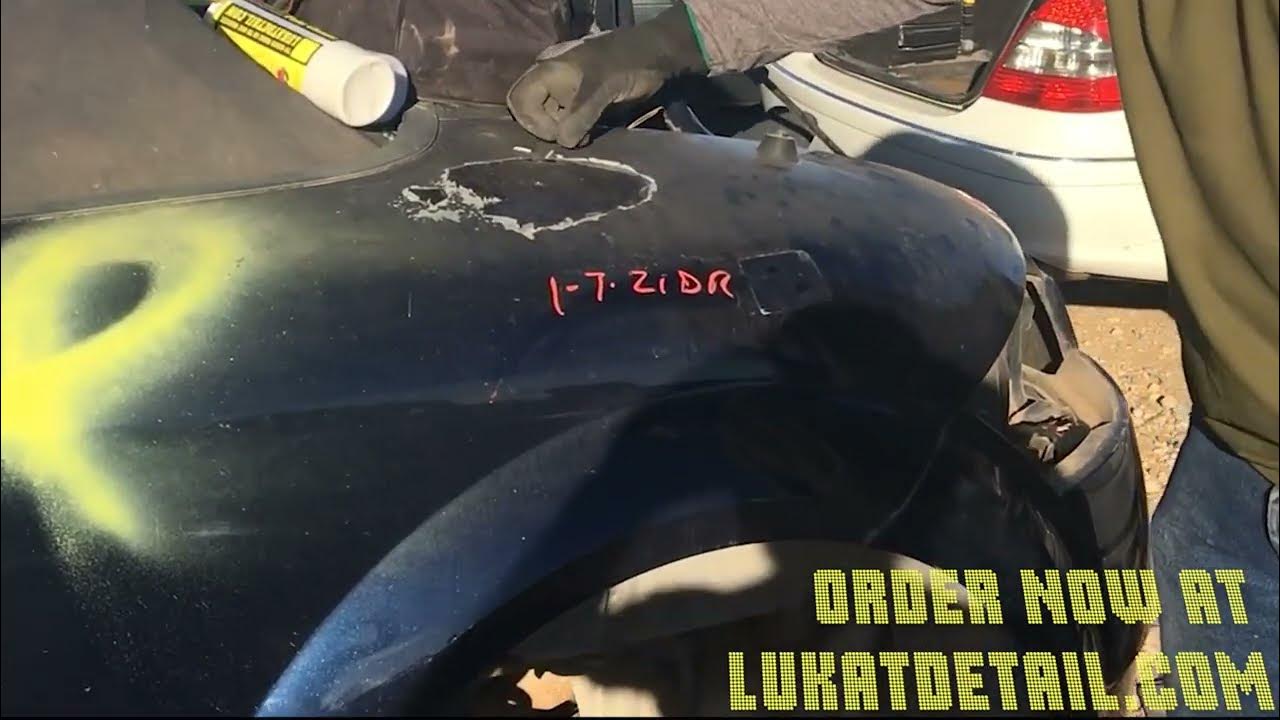
Credit: www.youtube.com
Frequently Asked Questions
What Is Car Clear Coat Repair?
Car clear coat repair restores the transparent layer protecting your vehicle’s paint. It fixes scratches, dullness, and peeling, enhancing shine and durability. This repair helps maintain the car’s appearance and prevents further paint damage.
How Long Does Clear Coat Repair Take?
Clear coat repair usually takes a few hours to a day. The exact time depends on damage severity and repair method. Quick fixes like spot repairs are faster, while full panel repairs require more time.
Can Clear Coat Repair Prevent Rust?
Yes, clear coat repair prevents rust by sealing paint and metal surfaces. It stops moisture and oxygen from reaching the metal, reducing corrosion risk. Timely repair protects your vehicle’s body from rust damage.
Is Clear Coat Repair Diy Or Professional?
Minor clear coat repairs can be DIY with proper kits and tools. However, professional repair ensures better finish and durability, especially for extensive damage. Choose based on your skill level and damage severity.
Conclusion
Repairing your car’s clear coat helps keep its shine and value. Small scratches and chips can worsen if left alone. Taking care of the clear coat protects the paint underneath. Simple repairs save money and prevent bigger problems later. You can maintain your car’s look with regular care.
Clear coat repair is a smart step for any car owner. Keep your vehicle looking fresh and well-kept every day.







