
Your car’s windows are more than just glass—they shape your view, keep you safe, and even affect how your car feels inside. But when dirt, smudges, or streaks build up, they can block your vision and make driving stressful.
Imagine hitting the road with crystal-clear windows that brighten your drive and boost your confidence behind the wheel. You’ll discover simple, effective tips to clean your car windows like a pro. Ready to see the difference? Let’s dive in!

Credit: www.amazon.ca
Choosing The Right Cleaner
Cleaning car windows well improves driving safety and looks better. Picking the right cleaner helps remove dirt and streaks quickly.
Some cleaners work better on tough grime. Others are safer for your car and the environment. Learn which ones fit your needs.
Types Of Window Cleaners
There are many cleaners for car windows. Some are sprays, others come as wipes or liquids. Each type cleans in a different way.
- Glass sprays: Easy to use, good for daily cleaning.
- Foam cleaners: Work well on thick dirt and bugs.
- Wipes: Convenient for quick touch-ups.
- Liquid concentrates: Mix with water for larger jobs.
Homemade Solutions
Homemade cleaners can save money and use natural ingredients. They often avoid harsh chemicals found in store products.
| Ingredient | Use |
| White vinegar | Removes grime and hard water spots |
| Baking soda | Acts as a mild abrasive to lift dirt |
| Water | Dilutes ingredients and rinses windows |
| Dish soap | Breaks down grease and bugs |
Avoiding Harmful Chemicals
Some window cleaners have chemicals that can damage glass or paint. These chemicals may also harm your skin or the air.
- Avoid ammonia—it can cause clouding and irritate eyes.
- Skip cleaners with bleach or strong acids.
- Choose biodegradable options to protect nature.
- Wear gloves if the cleaner feels harsh on your skin.
Tools You’ll Need
Cleaning car windows needs the right tools for good results. Using proper items saves time and avoids streaks.
This guide lists key tools to keep your windows clear and shiny. Each tool has a special role in the cleaning process.
Microfiber Cloths
Microfiber cloths are soft and absorbent. They pick up dirt and moisture without scratching glass surfaces.
- Use clean, dry cloths for wiping windows.
- Avoid using fabric softener on cloths to keep them effective.
- Wash cloths separately to remove dirt and grease.
Squeegees And Scrubbers
Squeegees remove water and cleaner from windows quickly. Scrubbers help loosen tough grime before rinsing.
| Tool | Use | Tip |
| Squeegee | Remove water and streaks | Use smooth, even strokes |
| Scrubber | Loosen dirt and debris | Choose soft scrubber to avoid scratches |
Detailing Brushes
Detailing brushes clean corners and edges of windows. They reach spots cloths and squeegees miss.
- Use soft-bristled brushes for gentle cleaning.
- Brush around window seals and trims carefully.
- Keep brushes clean to avoid spreading dirt.
Preparing Your Car Windows
Clean car windows improve your view and safety while driving. Preparing them well makes cleaning easier and better.
Start by removing dust and dirt, then handle stains, and finally protect the seals around the windows.
Removing Dust And Debris
Dust and debris can scratch your windows if not removed carefully. Use a soft brush or microfiber cloth to clear loose dirt before washing.
- Use a dry microfiber cloth to wipe off dust.
- Brush away leaves and larger debris gently.
- Blow air into corners to remove hidden dirt.
- Clean window edges with a soft brush.
Dealing With Stubborn Stains
Some stains need extra care. Use mild cleaners and avoid harsh chemicals that can damage the glass or tint.
| Type of Stain | Recommended Cleaner | Method |
| Water Spots | Vinegar and water mix | Spray and wipe with microfiber cloth |
| Bug Residue | Soap and warm water | Soak then gently scrub |
| Tree Sap | Rubbing alcohol | Apply with cloth and rub softly |
Protecting Window Seals
Window seals keep water out and prevent damage. Clean and protect them to keep them soft and flexible.
To care for window seals:
- Wipe seals with a damp cloth to remove dirt.
- Apply rubber protectant to keep seals soft.
- Check seals for cracks or damage regularly.
- Replace worn seals to avoid leaks.
Step-by-step Cleaning Process
Cleaning car windows is important for clear vision and safety. Dirt, dust, and spots can block your view while driving.
This guide shows how to clean your car windows inside and outside. Follow these steps for clear, streak-free windows.
Cleaning Exterior Windows
Start with the outside windows because they collect more dirt and dust. Use a soft cloth and a good window cleaner.
Spray the cleaner evenly on the window. Wipe in circular motions to remove dirt and bugs.
- Rinse off any heavy dirt with water first
- Use a microfiber cloth to avoid scratches
- Clean window edges and corners carefully
- Work from top to bottom for best results
Cleaning Interior Windows
Interior windows often have smudges from hands and breath. Use a cleaner safe for inside surfaces.
Spray the cleaner on a cloth, not directly on the glass. Wipe the window gently to avoid drips.
- Use a clean, dry cloth to finish wiping
- Pay attention to corners and edges
- Avoid spraying cleaner on dashboard or upholstery
- Open windows slightly for air circulation
Drying Techniques For A Streak-free Finish
Drying windows correctly prevents streaks and spots. Use a clean, dry microfiber cloth or a squeegee.
Dry the window by wiping in straight lines or using a squeegee top to bottom. Change cloth sides often.
- Use a fresh cloth for each window
- Do not let cleaner dry on the glass
- Buff with a dry cloth after drying
- Check windows in different light to find streaks
Tips For Hard-to-reach Areas
Cleaning car windows can be tricky, especially in tight spots. Some areas are hard to reach but need care. Proper cleaning keeps your windows clear and safe.
Use the right tools and techniques for these spots. This guide helps you clean window edges, tinted windows, and rearview mirrors well.
Cleaning Window Edges
Window edges collect dirt and dust easily. Clean them regularly to avoid buildup. Use a soft brush or microfiber cloth to reach these spots.
Spray some glass cleaner on the edges. Wipe gently to remove grime. Avoid harsh scrubbing to protect the seals and paint.
- Use a small brush to loosen dirt
- Apply cleaner sparingly to avoid drips
- Wipe with a clean microfiber cloth
- Check seals for damage during cleaning
Handling Tinted Windows
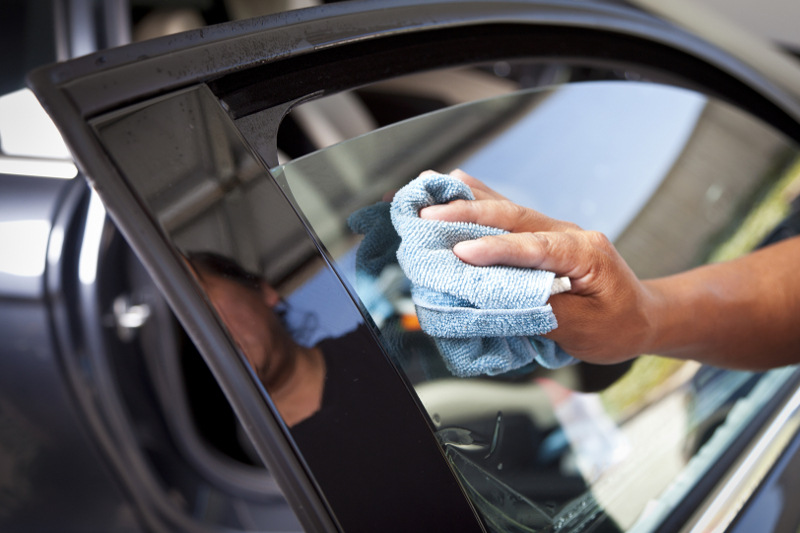
Tinted windows need special care to keep the film intact. Avoid ammonia-based cleaners as they can damage the tint. Use mild soap or special tint-safe cleaners.
Clean the glass gently with a soft cloth. Do not use abrasive tools or rough sponges. Dry the windows with a microfiber towel to prevent streaks.
- Choose tint-safe glass cleaner
- Use soft, non-abrasive cloths
- Wipe gently in circular motions
- Dry completely to avoid streaks
Maintaining Rearview Mirrors
Rearview mirrors are small but important for safety. Clean them carefully to keep a clear view. Use a glass cleaner and soft cloth for best results.
Pay attention to edges and corners where dirt hides. Avoid spraying cleaner directly on the mirror to stop liquid from seeping behind. Spray on the cloth first.
- Spray cleaner on cloth, not mirror
- Wipe edges and corners carefully
- Use a microfiber cloth to avoid scratches
- Check mirror mounts for dirt or damage
Credit: www.carwash.com
Maintaining Crystal Clear Windows
Keeping your car windows clean is essential for safety and appearance. Clear windows help you see better and make your car look great.
Regular maintenance ensures your windows stay free from dirt and streaks. Let’s explore some easy steps to maintain crystal clear windows.
Regular Cleaning Schedule
A regular cleaning routine is key to keeping windows spotless. Use a mild cleaner and a soft cloth to prevent scratches.
- Clean windows every two weeks
- Use circular motions for even cleaning
- Dry with a microfiber towel to avoid streaks
Protective Coatings And Treatments
Applying a protective coating can keep windows clear longer. It adds a layer that repels water and dust.
| Coating Type | Benefits |
| Rain Repellent | Improves visibility in rain |
| UV Protection | Prevents fading from sunlight |
| Dust Shield | Reduces dust accumulation |
Avoiding Common Mistakes
Avoid these mistakes to keep your windows in top shape. Incorrect methods can cause damage or leave streaks.
- Do not use ammonia-based cleaners as they can damage the tint.
- Avoid cleaning in direct sunlight to prevent quick drying and streaks.
- Refrain from using newspaper for drying; it can scratch surfaces.
Credit: www.canadiantire.ca
Frequently Asked Questions
How Often Should I Clean Car Windows?
Clean car windows every two weeks for clear visibility. Regular cleaning removes dirt, grime, and streaks that impair vision. Frequent cleaning also prevents buildup that can damage glass over time.
What Is The Best Cleaner For Car Windows?
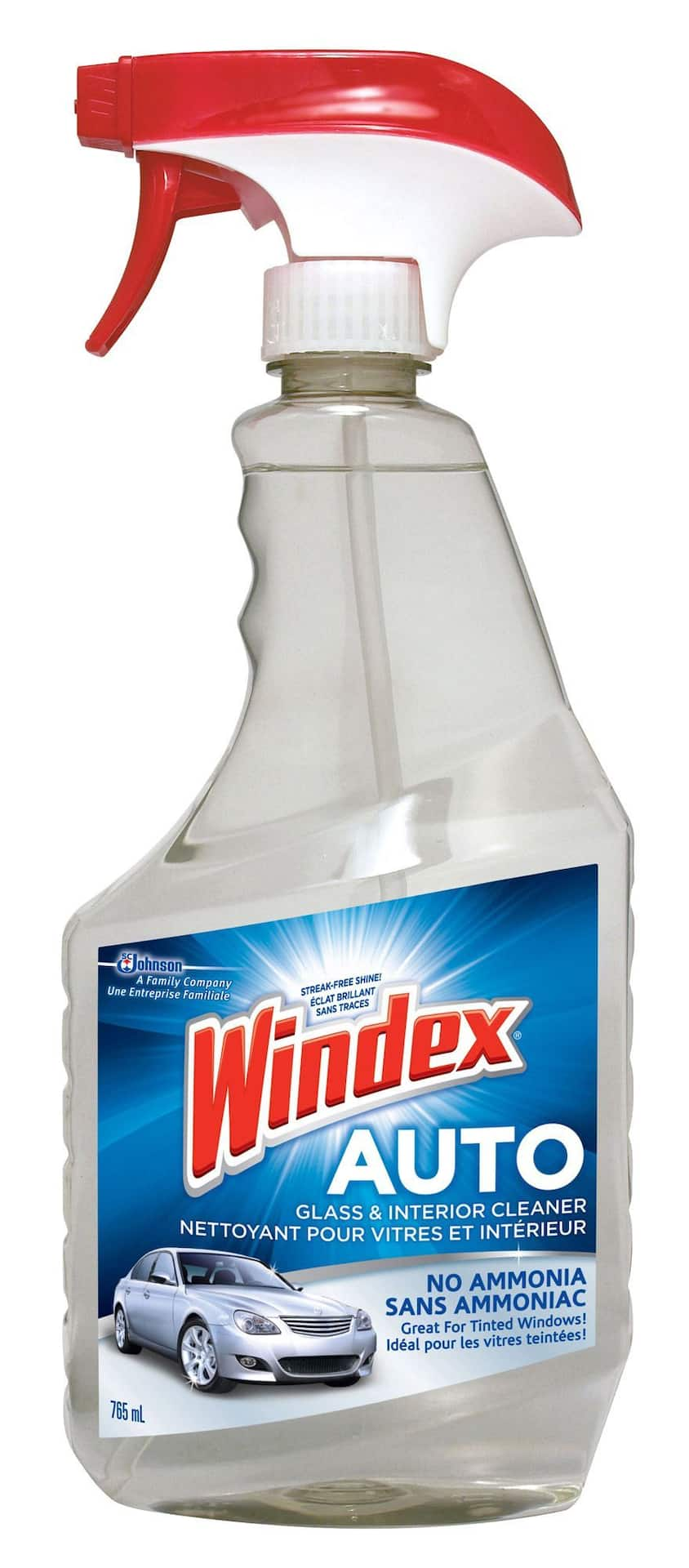
Use a dedicated automotive glass cleaner for best results. These cleaners remove dirt without leaving streaks or residue. Avoid household cleaners containing ammonia, which can damage window tint and rubber seals.
How To Remove Stubborn Stains From Car Windows?
Apply a vinegar-water solution or rubbing alcohol to stubborn stains. Let it sit for a few minutes, then wipe with a microfiber cloth. Repeat if necessary, avoiding abrasive materials that can scratch the glass.
Can I Use Newspaper To Clean Car Windows?
Yes, newspaper is effective for cleaning car windows. It helps reduce streaks and leaves glass shiny. However, avoid colored or glossy paper that may leave ink residue on the glass.
Conclusion
Clean car windows improve your driving safety and comfort. Dirt and streaks block your view and cause distractions. Regular cleaning keeps your windows clear and bright. Use simple tools like microfiber cloths and gentle cleaners. Avoid harsh chemicals that can damage the glass or tint.
A clean windshield also helps your car look well cared for. Spend a few minutes often to keep your windows spotless. Clear windows make every drive safer and more enjoyable.







