
Have you ever noticed your car’s ABS light suddenly turn on while driving? That little warning can cause a lot of worry, and you might wonder if it’s safe to keep going or if you need to stop immediately.
Understanding what the ABS light means can save you from costly repairs and keep you safer on the road. You’ll learn exactly why your ABS light comes on, what risks it poses, and the simple steps you can take to fix it.
Keep reading to take control of your car’s safety and avoid unexpected breakdowns.
What The Abs Light Means
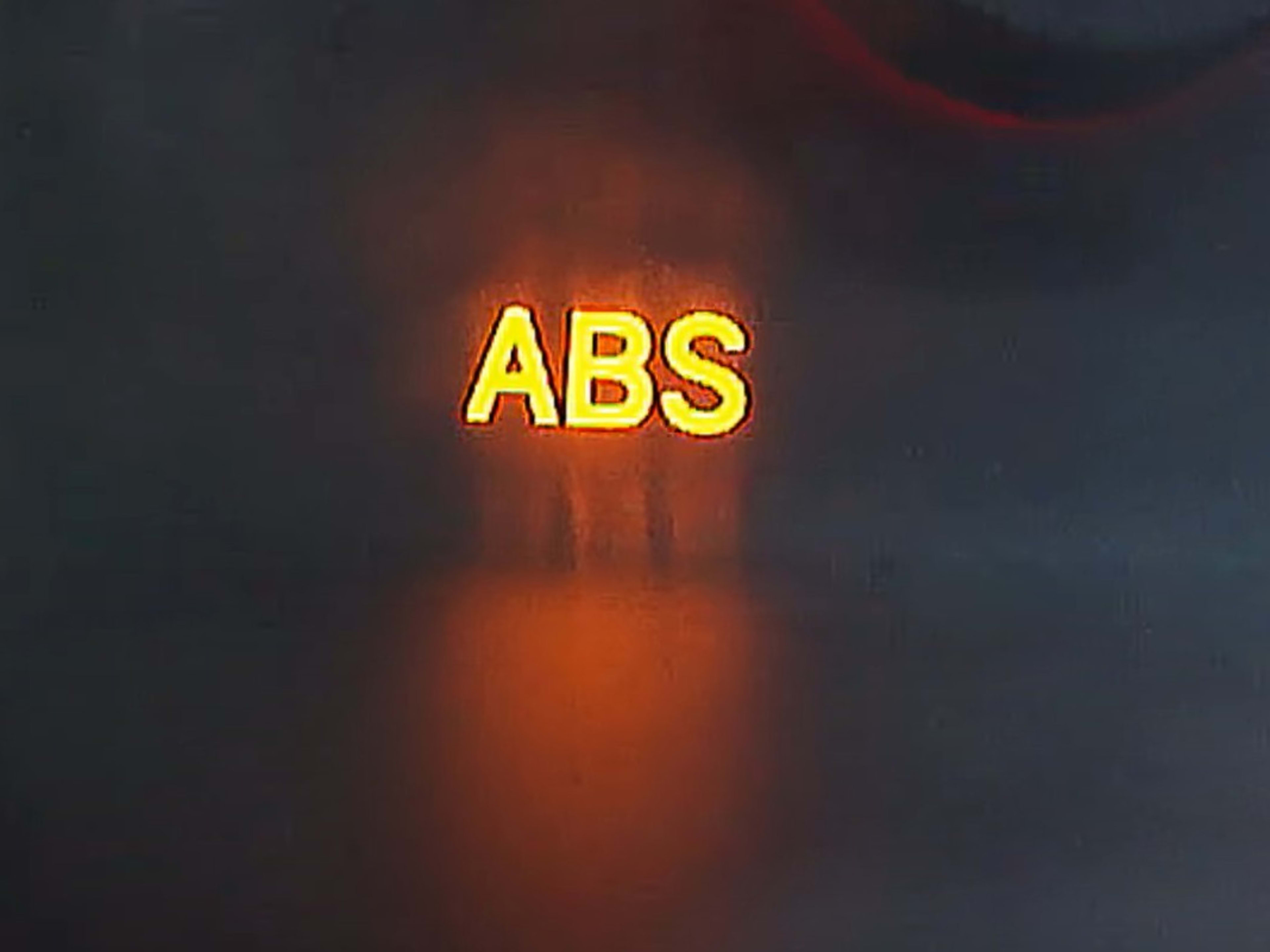
The ABS light on your car’s dashboard shows the status of the Anti-lock Braking System. This system helps keep your car safe during hard braking.
If the ABS light turns on, it means there is a problem with the braking system. It is important to understand what this light means for your safety.
What Is The Abs System?
The ABS system stops your wheels from locking during braking. It helps you keep control and avoid skidding. This is very useful on slippery roads.
The system uses sensors on each wheel. These sensors detect when a wheel is about to lock. Then, the ABS adjusts the brake pressure to keep the wheels moving.
Why Does The Abs Light Come On?
The ABS light can come on for many reasons. It often means the system found a fault. This could be a sensor problem or low brake fluid.
Sometimes, the light appears because of a damaged wire or a blown fuse. It is a warning that the ABS may not work correctly.
- Faulty wheel speed sensors
- Low brake fluid level
- Damaged ABS control module
- Blown ABS fuse or bad wiring
- Worn brake pads or rotors
What To Do When The Abs Light Is On
If the ABS light turns on, do not ignore it. Your normal brakes will still work, but ABS may fail in an emergency.
Check your brake fluid level first. If it is low, fill it to the right mark. If the light stays on, get your car checked by a mechanic.
- Drive carefully and avoid hard braking
- Check brake fluid and top it up if needed
- Have a professional inspect the ABS system
- Do not delay repairs to keep safe
Is It Safe To Drive With The Abs Light On?
You can still drive if the ABS light is on. Your regular brakes will work as usual. But the ABS safety feature may not function.
Drive slowly and keep extra distance from other cars. Avoid slippery roads and sudden stops until the ABS is fixed.
Common Causes Of Abs Light Activation
The ABS light on your car’s dashboard signals a problem with the anti-lock braking system. This system helps prevent wheel lock-up during braking. When the light turns on, it means the ABS may not work properly.
Knowing the common causes can help you decide if you need to visit a mechanic or check simple issues yourself. Below are frequent reasons why the ABS light activates.
Faulty Wheel Speed Sensors
Wheel speed sensors monitor the speed of each wheel. They send data to the ABS control module. If a sensor fails, the ABS light will come on. Dirt, damage, or wiring problems can cause sensor failure.
Damaged Abs Module
The ABS module controls the system’s operation. If it is damaged, the ABS light will activate. Damage can come from water, corrosion, or electrical faults.
- Corroded connectors
- Water damage inside the module
- Electrical short circuits
- Internal component failure
Low Brake Fluid Levels
Brake fluid helps the braking system work correctly. Low fluid levels can trigger the ABS light. Leaks or worn brake parts often cause low fluid.
Blown Abs Fuse
The ABS fuse protects the electrical system from damage. If the fuse blows, the ABS light will come on. Replacing the fuse can fix this issue if no other problems exist.
Worn Brake Pads Or Rotors
Worn brake pads or rotors can affect the ABS system. They reduce braking efficiency and may cause the ABS light to turn on. Regular brake maintenance can prevent this problem.
| Cause | Effect | Solution |
| Faulty Wheel Speed Sensors | Incorrect wheel speed data | Clean or replace sensors |
| Damaged ABS Module | System control failure | Repair or replace module |
| Low Brake Fluid Levels | Reduced hydraulic pressure | Check and refill fluid |
| Blown ABS Fuse | Loss of power to ABS | Replace fuse |
| Worn Brake Pads or Rotors | Poor braking performance | Replace pads or rotors |
Risks Of Ignoring The Abs Light
The ABS light on your car’s dashboard warns you about problems in the anti-lock braking system. Ignoring this light can cause serious issues. You may not stop your car safely in emergencies.
It is important to understand what risks come from ignoring the ABS light. This helps you keep your car safe and avoid costly repairs.
Reduced Braking Efficiency
When the ABS light is on, your brakes may not work as well as they should. The anti-lock system stops your wheels from locking. Without it, your car might skid on wet or slippery roads. This reduces your control when braking.
Increased Accident Risk
Ignoring the ABS light raises the chance of accidents. The ABS helps keep your car stable during sudden stops. Without this system working, you may lose control. This can lead to crashes, especially in bad weather.
- Longer stopping distances
- Loss of steering control
- Greater chance of skidding
- Difficulty avoiding obstacles
Potential Damage To Brake System
Ignoring the ABS warning can cause more damage to your brakes. The problem behind the light may get worse. This can affect other parts of the brake system. Fixing these damages can take more time and money.
Higher Repair Costs
| Issue | Cost Impact |
| Ignoring ABS light early | Low to moderate repair costs |
| Delaying repair for months | High repair costs with brake system damage |
| Brake failure or accident | Very high costs, possible total brake replacement |

Credit: timsquality.com
Quick Fixes For Abs Light Issues
The ABS light on your car dashboard warns you about problems in the anti-lock braking system. Fixing this light quickly helps keep your brakes working well.
Below are simple checks and fixes you can try at home before visiting a mechanic.
Checking And Refilling Brake Fluid
Brake fluid runs the brake system and keeps it working smoothly. Low fluid can cause the ABS light to turn on.
- Open the hood and find the brake fluid reservoir.
- Check the fluid level against the marks on the container.
- If low, clean the cap and add the correct brake fluid slowly.
- Close the cap tightly and check if the ABS light goes off after driving.
Inspecting Wheel Sensors
Wheel sensors monitor each wheel’s speed and send data to the ABS system. Dirt or damage can stop sensors from working right.
To inspect wheel sensors:
| Action | Details |
| Locate Sensor | Near each wheel hub, look for a small sensor attached to the wheel assembly. |
| Check for Dirt | Clean the sensor with a soft cloth to remove dust or debris. |
| Look for Damage | Check wires and sensor for cracks or breaks. |
| Test Sensor | Use a multimeter or visit a professional for a sensor test. |
Resetting The Abs System
Sometimes the ABS light stays on due to a system error. Resetting the system can clear minor glitches.
- Turn off your car engine.
- Disconnect the negative battery cable and wait 15 minutes.
- Reconnect the battery cable securely.
- Start the car and see if the ABS light is off.
Replacing Blown Fuses
The ABS system uses fuses to protect its electrical parts. A blown fuse can cause the ABS light to stay on.
- Find the fuse box in your car, usually under the dashboard or hood.
- Use the car manual to locate the ABS fuse.
- Remove the fuse and check if the metal strip inside is broken.
- Replace it with a fuse of the same rating if it is blown.
- Test by turning on the car and checking the ABS light.
When To Seek Professional Help
The ABS light on your car dashboard warns you about brake system problems. It is important to know when you should see a mechanic. Ignoring the ABS light can lead to unsafe driving conditions.
Some issues with the ABS system can be fixed at home, but others need professional attention. This guide helps you decide when to get expert help.
Constant Abs Light On
If the ABS light stays on constantly, it means the system detected a fault. This can affect your brakes’ performance. You should visit a mechanic soon to diagnose the problem.
Abs Light Blinks On And Off
A blinking ABS light may point to an electrical or sensor issue. This problem can be intermittent but still dangerous. It is best to have a professional check your car to avoid brake failure.
Brake Pedal Feels Different
If you notice the brake pedal is hard or soft and the ABS light is on, seek help immediately. This can indicate a serious problem with the braking system that needs expert repair.
Abs Light Comes On With Other Warning Lights
When the ABS light appears with other warnings like the check engine or brake warning lights, do not ignore it. This could mean multiple system failures. Professional inspection is necessary.
Signs You Should Visit A Mechanic
- ABS light stays on after restarting the car
- Brake pedal feels unusual or does not respond well
- Car pulls to one side when braking
- ABS light blinks while driving
- Other dashboard warning lights activate with the ABS light
| Symptom | Possible Cause | Action |
| Constant ABS light | ABS sensor failure | Visit mechanic |
| Blinking ABS light | Electrical issue | Professional diagnosis |
| Soft or hard brake pedal | Brake fluid or system problem | Immediate service |
| ABS light with other warnings | Multiple system faults | Full vehicle check |

Credit: simonsautorepairtaunton.com
Preventive Tips To Avoid Abs Light Problems
Taking care of your car’s ABS system is important for safety. The ABS light warns you of potential issues with the braking system.
Follow these tips to keep the ABS light off and ensure your car stays in good condition.
Regular Brake Inspections
Regular brake inspections help catch problems early. This prevents bigger issues later.
- Check brake pads for wear
- Inspect brake lines for leaks
- Ensure rotors are smooth and even
Timely Fluid Changes
Brake fluid affects how well your brakes work. Changing it on time is crucial.
| Fluid Type | Change Interval |
| Brake Fluid | Every 2 years |
| Engine Oil | Every 5,000 miles |
Monitoring Dashboard Alerts
Dashboard alerts help you know when something is wrong. Pay attention to these signals.
Credit: axleaddict.com
Frequently Asked Questions
What Does The Abs Light On My Car Mean?
The ABS light indicates an issue with the Anti-lock Braking System. It means the system may not be working properly, affecting braking safety.
Is It Safe To Drive With Abs Light On?
Driving with the ABS light on is possible but not recommended. The normal brakes work, but ABS may fail during emergencies.
How Can I Reset The Abs Light?
To reset the ABS light, fix the underlying problem first. Then, use an OBD-II scanner or disconnect the battery briefly.
What Common Issues Trigger The Abs Light?
Common causes include faulty wheel speed sensors, low brake fluid, or damaged ABS modules. Regular checks help prevent these issues.
Conclusion
The car ABS light signals important brake system issues. Ignoring it can lead to unsafe driving conditions. Always check your vehicle or visit a mechanic if the light stays on. Regular brake maintenance keeps you safe on the road. Understanding this warning helps prevent bigger problems later.
Stay alert and take quick action when the ABS light appears. Your safety depends on a well-functioning brake system. Don’t delay fixing ABS light problems for peace of mind.







