
Have you ever spotted sticky residue or stubborn spots on your car’s paint and wondered how to get rid of them without causing damage? You might have heard about Goo Gone, a popular cleaner for sticky messes around the house.
But can you use Goo Gone on your car paint safely? If you want to protect your car’s shine and avoid costly repairs, it’s important to know the right answer before you try. Keep reading to find out if Goo Gone is the solution you need or if there’s a better way to keep your car looking flawless.

Credit: www.youtube.com
What Is Goo Gone
Goo Gone is a cleaning product made to remove sticky, sticky, or gooey substances. It works on many surfaces to get rid of things like glue, tape residue, and stickers.
People often use Goo Gone to clean up messes that regular cleaners cannot remove. It is popular for home, car, and craft uses.
Main Ingredients In Goo Gone
Goo Gone contains special oils and solvents that break down sticky substances. These ingredients make it easier to wipe off sticky spots without much scrubbing.
- Petroleum-based oils
- Citrus extracts
- Other gentle solvents
People use Goo Gone for many cleaning tasks. It works well to remove sticky residues from different surfaces.
- Removing sticker residue from glass or plastic
- Cleaning glue from wood or metal
- Getting rid of gum stuck on shoes or carpets
- Removing crayon marks from walls
Safety And Surface Compatibility
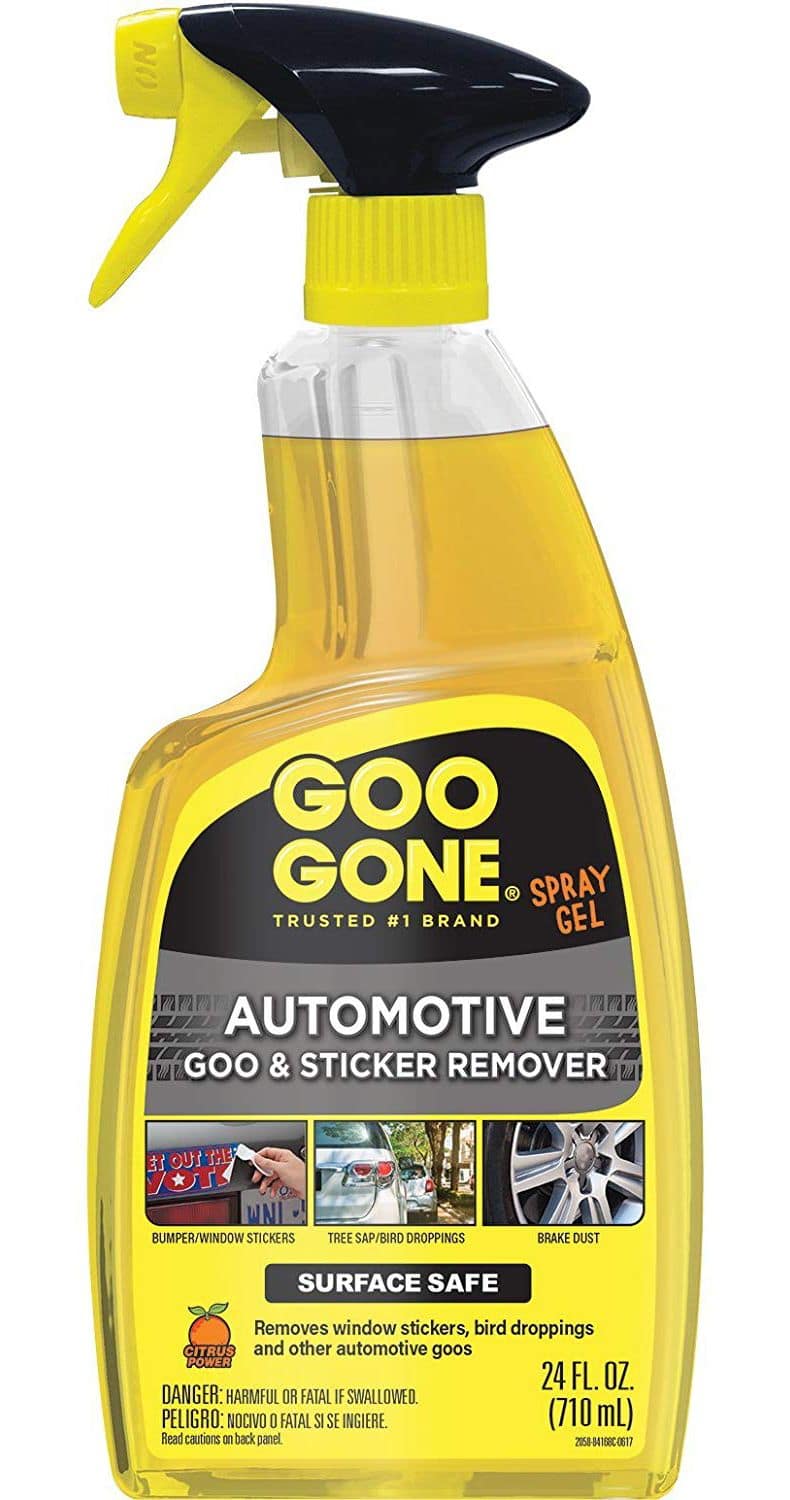
Goo Gone is safe on many surfaces but can damage some types of paint or plastics. It is important to test it on a small area first.
| Surface Type | Safe to Use Goo Gone? |
| Glass | Yes |
| Metal | Yes |
| Wood (finished) | Yes, with care |
| Car paint | Use caution, test first |
| Plastic (some types) | May cause damage |
Credit: www.canadiantire.ca
Common Uses Of Goo Gone
Goo Gone is a popular cleaning product used to remove sticky substances. It works on many surfaces and materials.
This product helps get rid of adhesives, gum, and other tough stains easily. It is useful in homes and cars.
Removing Sticker Residue
Goo Gone is great for removing leftover glue from stickers or labels. It softens the residue so you can wipe it away.
Use a small amount on a cloth and rub the sticky area gently. Always test on a hidden spot first.
Cleaning Gum And Sap
It helps remove chewing gum stuck on clothes, shoes, or car parts. Tree sap can also be cleaned with Goo Gone.
Apply Goo Gone to the affected area and let it sit for a few minutes. Then, scrub or wipe the spot carefully.
Removing Crayon And Marker Stains
Goo Gone can remove crayon marks from walls and other surfaces. It also works on some marker stains.
Apply a small amount and rub gently to avoid damaging the surface. Always clean the area after using Goo Gone.
Cleaning Grease And Oil Spots
It is effective in breaking down grease and oil on tools, kitchen counters, and car parts. Goo Gone makes cleaning easier.
Use Goo Gone with a cloth to wipe off the oily spots. Rinse the surface well after cleaning.
Removing Adhesive From Car Paint
Goo Gone can remove sticky tape or glue from car paint. It helps clean without harming the paint if used carefully.
Apply a small amount and let it sit briefly. Wipe gently and wash the area afterward to protect the paint.
Car Paint Types And Vulnerabilities
Car paint protects the metal and gives a shiny look. Different types of paint have different strengths and weaknesses.
Knowing your car paint type helps you avoid damage when cleaning or removing stains.
Single-stage Paint
Single-stage paint mixes color and clear coat in one layer. It is common on older cars.
This paint can fade or crack with time. It is softer and can scratch easily.
Base Coat/clear Coat
This system uses two layers. The base coat gives color, and the clear coat protects it.
Clear coats protect from sun and scratches but can chip or peel if damaged.
Matte Paint
Matte paint has a flat finish without shine. It looks unique but is delicate.
It can stain easily and is hard to clean without ruining the look.
Vulnerabilities To Chemical Cleaners
Some car paints react badly to strong chemicals. They can discolor or dull the paint.
Always test cleaners on a small hidden area before full use.
- Single-stage paint can soften or peel with harsh solvents
- Clear coat can cloud or scratch if rubbed too hard
- Matte paint loses its finish if cleaned with wax or polish
Is Goo Gone Safe For Car Paint
Goo Gone is a popular product used to remove sticky residues. Many people wonder if it is safe to use on car paint. This article explains the safety of Goo Gone on car surfaces.
Car paint is sensitive and can get damaged by harsh chemicals. It is important to know the risks before using any product on your car’s paint.
Potential Risks To Paint
Goo Gone contains oils and solvents that break down sticky substances. These chemicals can sometimes harm your car’s paint. If left too long, Goo Gone may cause discoloration or dullness.
Using Goo Gone on painted surfaces can remove the protective wax or clear coat. This can make the paint more vulnerable to scratches and fading.
- May remove wax or clear coat
- Can cause paint discoloration
- Possible dulling of paint finish
- Risk increases if left on too long
Manufacturer Recommendations
Goo Gone’s manufacturer advises testing the product on a small hidden area first. This helps check if the paint reacts badly.
The product label suggests avoiding prolonged contact with painted surfaces. After using Goo Gone, clean the area with soap and water. Reapply wax or polish to protect the paint.
- Test on a small, hidden spot first
- Do not leave Goo Gone on paint for long
- Wash area with soap and water after use
- Apply wax or polish to protect paint
How To Test Goo Gone On Car Paint
Goo Gone is a popular product for removing sticky residues. Before using it on your car paint, testing is important. This helps avoid damage to the paint surface.
Testing Goo Gone on a small area of your car paint lets you see how it reacts. Follow simple steps to ensure safety.
Choose A Small Hidden Area
Pick a spot on your car that is not easily seen. This could be inside the door frame or under the side mirror. Testing here will protect the main visible paint.
Apply A Small Amount Of Goo Gone
Use a soft cloth or cotton swab to apply a tiny drop of Goo Gone on the chosen spot. Avoid using too much product at once.
Wait And Observe
Let the Goo Gone sit on the paint for 5 to 10 minutes. Watch for any changes like discoloration, dullness, or peeling.
- Check the area for color fading or paint damage.
- Gently wipe the area with a clean cloth to see if residue removes easily.
- Rinse the test spot with water and dry it.
- Look for any leftover sticky feeling or paint issues.
Decide Based On The Test Results
If the paint looks the same and no damage appears, Goo Gone is safe to use on your car. If you see any paint change, avoid using it.
Alternatives To Goo Gone For Car Paint
Car paint can get messy with unwanted substances. Goo Gone is popular, but there are other options. Some alternatives are safer for your car’s paint.
Here are some alternatives, including both commercial products and do-it-yourself solutions.
Commercial Paint-safe Cleaners
Commercial cleaners can be effective and safe for car paint. They are made to remove sticky substances without harming the paint.
- Meguiar’s Bug and Tar Remover: Cleans sticky spots safely.
- Turtle Wax Label and Sticker Remover: Gentle on paint, tough on stickers.
- 3M Adhesive Remover: Removes glue and tar without damage.
Diy Solutions
DIY solutions can also help clean car paint safely. They use household items to remove sticky substances.
These methods are simple and cost-effective. They are easy to try at home.
- Vinegar and Water Mix: Use equal parts vinegar and water on a cloth.
- Baking Soda Paste: Mix baking soda with water and apply gently.
- Olive Oil: Rub a small amount on the sticky area.
Step-by-step Guide To Using Goo Gone On Cars
Goo Gone is a popular product for removing sticky residues. Many wonder if it’s safe for car paint. This guide shows how to use it properly on cars.
Using Goo Gone correctly can help you clean your car without harming the paint. Follow these steps for best results.
Gather Your Materials
You need a few things before starting. Gather all materials first to ensure a smooth process.
- Goo Gone
- Microfiber cloths
- Warm water
- Soap
- Bucket
Test On A Small Area
Always test Goo Gone on a small, hidden area first. This ensures it does not damage your car paint.
Apply a small amount and wait a few minutes. Check for any changes in the paint color or texture.
Apply Goo Gone Carefully
Apply Goo Gone on the sticky residue. Use a small amount to avoid excess liquid on your car.
Gently rub the area with a microfiber cloth. Be patient and do not scrub too hard.
Rinse With Warm Soapy Water
After removing the residue, rinse the area with warm soapy water. This removes any leftover Goo Gone.
Use a clean cloth to wipe the area dry. Ensure no soap or Goo Gone remains.
Check For Any Paint Issues
Examine the area for any changes in paint quality. Look for discoloration or damage.
If you notice any issues, consult a professional for advice. It is rare, but better to be safe.
Repeat If Necessary
If residue remains, repeat the process. Be gentle to avoid harming your car’s paint.
Use Goo Gone sparingly and follow these steps for the best outcome.
Precautions When Using Solvents On Vehicles
Solvents like Goo Gone can help remove sticky residues from car paint. Using them safely is very important to protect your vehicle’s finish.
This guide covers key precautions to follow when applying solvents on your car’s surface.
Test On A Small Area First
Always try the solvent on a hidden part of the car. This step checks if the product harms the paint or clear coat.
Avoid Direct Sunlight
Use solvents in shaded or cool areas. Sunlight can cause quick drying, which may leave marks or damage the paint.
Wear Protective Gear
Solvents contain chemicals that can irritate skin or eyes. Always wear gloves and eye protection to stay safe.
Use The Right Amount
Applying too much solvent can damage the paint. Use just enough to remove the residue without soaking the surface.
Follow Manufacturer Instructions
Read the label for proper use and safety tips. Follow the directions to avoid accidents or damage.
Clean And Dry The Surface After Use
After solvent use, wash the area with water and soap. Dry the surface to prevent residue and water spots.
Do Not Use On Damaged Paint
Avoid solvents on scratched or chipped paint. These areas need gentle care or professional repair.
Storage And Disposal Of Solvents
- Store solvents in a cool, dry place away from heat sources.
- Keep containers tightly closed to prevent spills.
- Dispose of used solvents following local hazardous waste rules.
Aftercare For Treated Car Surfaces
Using Goo Gone on car paint can help remove sticky residue and stains. After treatment, proper care keeps your car’s surface safe and shiny.
Cleaning and protecting the paint after using Goo Gone helps avoid damage and maintain the finish.
Cleaning The Treated Area
After using Goo Gone, wash the area with mild soap and water. This removes any leftover chemical and dirt.
Drying And Inspection
Dry the surface with a soft cloth. Check the paint for any signs of dullness or damage.
Applying Wax Or Sealant
Protect the treated spot by applying car wax or a paint sealant. This restores shine and adds a protective layer.
- Use a clean applicator pad
- Apply wax in small circular motions
- Let it dry to a haze
- Buff with a microfiber cloth
Avoiding Harsh Chemicals
Do not use strong solvents or abrasive cleaners on treated areas. These can damage the paint and remove protection.
Regular Maintenance
| Action | Frequency | Purpose |
| Wash car gently | Weekly | Remove dirt and contaminants |
| Apply wax or sealant | Every 2-3 months | Protect paint surface |
| Inspect treated spots | Monthly | Check for damage or fading |

Credit: www.amazon.com
Frequently Asked Questions
Can Goo Gone Damage Car Paint?
Goo Gone is generally safe for car paint if used correctly. Always test on a small area first. Avoid prolonged exposure and clean thoroughly after use to prevent damage or discoloration.
How Do I Use Goo Gone On Car Paint?
Apply a small amount of Goo Gone on the sticky area. Let it sit for a few minutes, then gently wipe with a soft cloth. Rinse and wash the area to remove residue completely.
Is Goo Gone Effective For Removing Tar On Cars?
Yes, Goo Gone effectively dissolves tar, adhesive, and sticky residues on car paint. It softens the material, making it easy to wipe away without harming the paint when used properly.
Can Goo Gone Remove Tree Sap From Car Paint?
Goo Gone can remove tree sap safely from car paint. Apply it carefully, let it penetrate, then wipe gently. Always wash the area afterward to ensure no residue remains.
Conclusion
Goo Gone can remove sticky residue from car paint carefully. Always test a small, hidden area first. Use a soft cloth and gentle pressure to avoid damage. Rinse the area with water afterward to clean off any leftover product. Avoid using Goo Gone on very old or delicate paint.
Taking these steps helps keep your car’s paint safe and clean. Remember, gentle care works best for maintaining your car’s look.







