
Are you worried about blind spots when backing up your older car? Installing a backup camera can make parking safer and easier.
But you might wonder if it’s even possible to add one to a car that wasn’t built for it. The good news is, you don’t have to buy a new vehicle to get this modern safety feature. You’ll discover how you can install a backup camera in your older car, what options are best, and how it can transform your driving experience.
Keep reading to find out how simple and affordable this upgrade can be for you.
Benefits Of A Backup Camera
Installing a backup camera in an older car can improve safety and convenience. It helps drivers see behind the vehicle more clearly.
Many older cars lack modern safety features. Adding a backup camera brings some of these benefits without buying a new car.
Improved Safety
A backup camera reduces blind spots when reversing. This can prevent accidents with pedestrians or objects behind the car.
Easier Parking
Parking in tight spaces becomes easier with a backup camera. It shows the distance to obstacles and helps align the car correctly.
- Helps avoid hitting walls or posts
- Assists in parallel parking
- Reduces stress while parking
Increased Vehicle Value
Adding a backup camera can increase the resale value of an older car. Buyers often look for modern safety features.
Cost-effective Upgrade
| Feature | Cost Impact |
| Backup Camera Installation | Low to Moderate |
| Buying New Car with Camera | High |
| Repairing Accident Damage | Very High |
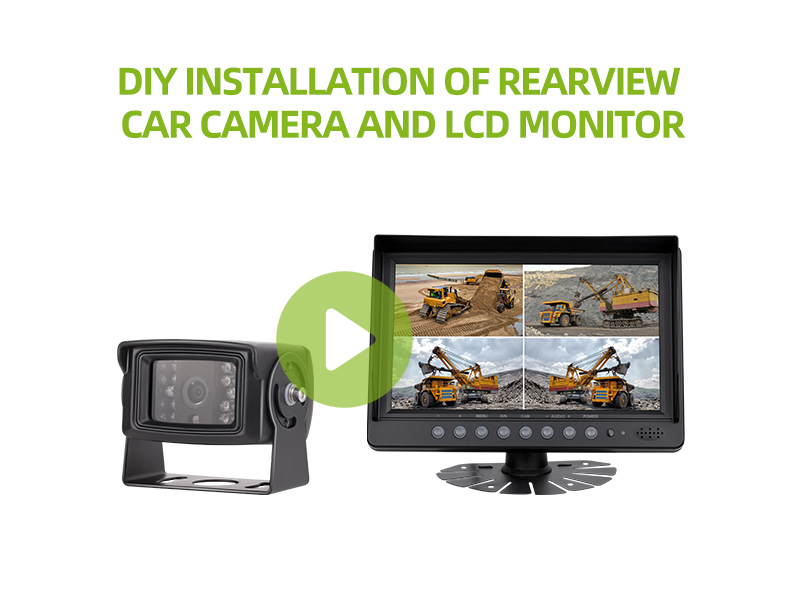
Credit: luview.com
Types Of Backup Cameras
Backup cameras help drivers see behind their cars. Older cars can use these cameras with some installation work. There are different types of backup cameras to fit various needs.
Choosing the right backup camera depends on your car and how you want to use it. The main types include wired cameras, wireless cameras, and mirror-mounted cameras.
Wired Cameras
Wired backup cameras connect directly to your car’s electrical system and display screen. They offer a stable and clear video signal without interference.
- Require running wires through the car
- More reliable connection and video quality
- Usually need professional installation
- Works well with factory or aftermarket monitors
Wireless Cameras
Wireless backup cameras send video signals without cables. They are easier to install but may face signal drops or interference.
| Pros | Cons |
| Easy to install | Possible signal loss |
| No need to run wires | Battery or power source needed |
| Can work with many devices | May have lower video quality |
Mirror-mounted Cameras
Mirror-mounted cameras attach to or replace your rearview mirror. They include a built-in screen that shows the camera feed.
- Combine mirror and camera display in one unit
- Easy to install with minimal wiring
- Some models have touch screens or additional features
- Good choice if your car lacks a built-in monitor
Tools And Materials Needed
Installing a backup camera in an older car can improve safety. You need the right tools and materials to do it correctly.
This guide lists the basic items needed for the installation process. Having these ready will make the job easier and faster.
Backup Camera Kit
The first essential material is a backup camera kit. It usually comes with the camera, wiring, and monitor or display unit.
Choose a kit that fits your car and has clear instructions. Some kits have wireless options, which can simplify installation.
Power Drill
A power drill helps you make holes for mounting the camera. You might need it to attach the camera to the rear of the car.
Use drill bits that match the size of the screws in your kit. A cordless drill is convenient for working around the car.
Screwdrivers
You need screwdrivers to secure the camera and other parts. Both flathead and Phillips screwdrivers may be required.
- Flathead screwdriver for prying and adjustments
- Phillips screwdriver for fastening screws
Wire Strippers And Electrical Tape
Wire strippers allow you to remove insulation from wires safely. This is important for connecting power and video cables.
Electrical tape protects exposed wires and prevents short circuits. Use it to cover any wire connections after stripping.
Multimeter
A multimeter helps check electrical connections and voltage. It ensures you connect the camera to the correct power source.
Use the multimeter to test wires before making permanent connections. This prevents damage to the camera or car electronics.
Cable Ties And Mounting Hardware
Cable ties keep wires organized and secure. They prevent wires from hanging loose or getting caught in moving parts.
Mounting hardware like screws, brackets, or adhesive pads hold the camera firmly in place. Use what is included in your kit.
Panel Removal Tools
Plastic panel removal tools help you open car panels without damage. This is useful to run wires inside the car.
Using these tools avoids scratching or breaking trim pieces while installing the backup camera.

Credit: autopartia.com
Preparing Your Car For Installation
Installing a backup camera in an older car can improve safety. It needs careful preparation for best results.
Knowing where to place the camera and how to access the wiring will make the job easier. This guide helps you get ready.
Choosing The Camera Location
Select a spot on the rear of your car where the camera has a clear view. The center above the license plate is common.
- Pick a place without obstructions
- Make sure the camera is protected from rain and dirt
- Check that the camera does not block any lights or plates
- Consider the camera’s angle for a wide view
Accessing The Wiring
Find the power and signal wires before installation. This usually means opening panels or removing trim parts.
| Location | Purpose |
| Tail light area | Power source for camera |
| Reverse light wires | Trigger camera when backing up |
| Dashboard or fuse box | Connect to display power |
Step-by-step Installation Process
Installing a backup camera in an older car is possible with some tools and patience. This guide walks you through the main steps to add this helpful feature.
Each section covers important parts of the process. Follow carefully to avoid damage and ensure the camera works well.
Mounting The Camera
Choose a spot near the rear license plate or bumper for the camera. Clean the area well. Use screws or adhesive pads to fix the camera in place. Make sure it points straight back for a clear view.
Running The Wires
Run the camera wires from the back to the front where the display will be. Hide the wires under the car’s trim or carpet. Avoid sharp edges or moving parts that may damage the wires.
- Start at the camera location
- Follow the car’s frame inside
- Use wire clips or tape to secure wires
- Leave some slack near connection points
- Check that wires are not pinched
Connecting To Power
Find a power source for the camera. The reverse light power wire is a good choice. The camera turns on only when the car is in reverse. Use a wire tap or splice connector to join wires safely.
| Wire | Purpose | Notes |
| Red | Power (12V) | Connect to reverse light positive wire |
| Black | Ground | Connect to car chassis or negative battery terminal |
| Video Cable | Signal | Connects camera to display input |
Linking To The Display
Connect the video cable from the camera to the display unit inside the car. Some displays have RCA video input ports. Others may use different connectors. Check your display’s manual for details.
Tips for best results:
- Test the connection before final assembly.
- Adjust camera angle for full rear view.
- Secure all wires to prevent rattling.
- Use waterproof connectors if possible.
Testing And Adjusting The Camera
Installing a backup camera in an older car can improve safety. Once installed, it’s important to test and adjust the camera properly.
Ensuring the camera is aligned correctly helps in getting a clear view. This can prevent potential accidents while reversing.
Image Alignment
Proper image alignment is crucial for a functional backup camera. A misaligned camera can mislead drivers.
- Check if the camera view is centered
- Adjust the tilt to minimize glare
- Ensure the horizon line is level
Troubleshooting Common Issues
Sometimes, issues arise after installation. Addressing these problems promptly ensures the camera works effectively.
| Issue | Solution |
| Blurry Image | Clean the camera lens |
| No Image Display | Check wiring connections |
| Image Flickering | Inspect power supply |
Legal Considerations And Safety Tips
Installing a backup camera in an older car can enhance safety. It is important to consider legal requirements and follow safety tips.
Understanding the laws and ensuring proper installation is crucial. This helps avoid any legal issues and maximizes safety benefits.
Legal Requirements For Backup Cameras
Some regions have laws about installing backup cameras. Check local regulations before starting any installation.
Ensure the backup camera complies with standards. This includes visibility and durability requirements.
- Check for any specific mandates in your area
- Ensure the camera meets visibility standards
- Verify the camera’s durability against weather
Safety Tips For Installation
Proper installation is key to safety. Follow these tips to ensure the backup camera works effectively.
Position the camera for a clear view. Test the camera frequently to ensure it functions correctly.
- Mount the camera at the center for best view
- Check wiring connections regularly
- Test the camera in different light conditions
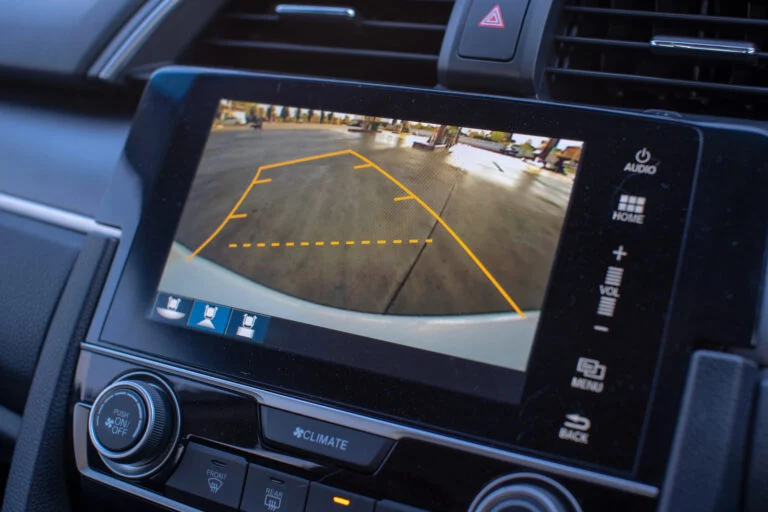
Credit: jerry.ai
Alternative Solutions For Older Cars
Older cars often lack modern safety features like backup cameras. Installing a built-in camera can be difficult and costly. Luckily, there are simple alternatives that improve rear visibility without major changes.
This article explores two easy options: portable backup cameras and smartphone integration. Both solutions offer practical ways to add backup assistance to older vehicles.
Portable Backup Cameras
Portable backup cameras are small, wireless devices that attach to your car’s rear. They send video to a monitor or screen inside your vehicle. These systems do not require hard wiring or permanent installation.
- Easy to install and remove
- Works with most car models
- Includes a camera and a display monitor
- Powered by rechargeable batteries or car charger
- Some models offer night vision and waterproof design
Smartphone Integration
Many smartphones can work as backup cameras with the right app and accessories. You mount your phone at the back and use another screen inside the car to view the camera feed.
| Feature | Details |
| Camera Source | Smartphone camera placed at rear |
| Display Method | Another phone or car screen with app |
| Power Supply | Phone battery, may need charger |
| Installation | Simple mounts, no wiring needed |
| Cost | Usually low, uses existing devices |
Frequently Asked Questions
Can I Install A Backup Camera In Any Older Car?
Yes, most older cars can support backup camera installation. You may need compatible wiring or adapters. Professional help can ensure proper setup and functionality.
What Types Of Backup Cameras Fit Older Vehicles?
Wireless and wired backup cameras both work in older cars. Wireless cameras are easier to install without extensive wiring. Choose based on your car’s electrical system and personal preference.
How Much Does It Cost To Install A Backup Camera?
Installation costs vary from $50 to $300, depending on camera type and labor. DIY kits are cheaper but may require technical skills. Professional installation offers better reliability and warranty.
Will A Backup Camera Improve Safety In Older Cars?
Absolutely. Backup cameras enhance rear visibility, reducing blind spots and accidents. They help prevent collisions with pedestrians, objects, and other vehicles when reversing.
Conclusion
Installing a backup camera in an older car is possible and practical. It improves safety by showing what’s behind you. Many kits are easy to install with basic tools. Choosing the right camera depends on your car and budget. This upgrade can bring your older vehicle closer to modern standards.
It helps prevent accidents and gives peace of mind. Taking time to research ensures the best fit for your needs. Older cars can benefit from this simple technology update. Why not make parking and reversing easier today?







