
Are you thinking about adding extra space to your car for trips, sports gear, or bulky items? A roof rack might be the perfect solution.
But can you add a roof rack to your car easily and safely? Before you rush to buy one, there are important things you need to know. This guide will help you understand how roof racks work, what fits your vehicle, and how to choose the right one for your needs.
Keep reading to discover how you can transform your car and make every trip more convenient.

Credit: www.youtube.com
Types Of Roof Racks
Roof racks add extra storage space to your car. They let you carry big items like bikes or luggage.
There are different types of roof racks. Each type fits certain cars and needs.
Fixed Point Racks
Fixed point racks attach to special mounting points on your car’s roof. These points are made by the car maker.
This type of rack is strong and fits well. It usually needs no drilling or extra tools.
Raised Rail Racks
Raised rail racks connect to rails that run along the edge of your roof. These rails stand a little higher than the roof.
- Easy to install and remove
- Good for carrying loads with crossbars
- Common on SUVs and wagons
Bare Roof Racks
Bare roof racks fit cars without rails or fixed points. They clamp directly to the roof edges.
| Feature | Description |
| Installation | Uses clamps on door frames |
| Protection | Rubber pads prevent scratches |
| Use | Good for cars without roof rails |
Factory Cross Bars
Factory cross bars come from the car manufacturer. They fit your car perfectly.
These bars are often designed to work with:
- Specific roof shapes
- Accessories like bike racks
- Strong weight limits
Checking Compatibility
Adding a roof rack to your car can help carry extra gear. You must check if your car can handle a roof rack first.
Not all cars fit all roof racks. Look at your car’s roof design, weight limits, and rack materials before buying.
Vehicle Roof Design
Car roofs come in different shapes and styles. Some have built-in rails, fixed points, or smooth roofs.
You need a roof rack that matches your roof type. Rails make it easier to install racks. Smooth roofs may need clamps.
- Raised rails: easy to attach racks
- Flush rails: need special fitting racks
- Fixed mounting points: use bolts for racks
- Smooth roof: racks clamp to door frames
Weight Limits
Your car roof has a weight limit. This limit includes the rack and the cargo on top.
Check the owner’s manual for the exact weight limit. Do not overload the roof rack to keep safe driving and avoid damage.
- Know your car’s roof weight capacity
- Include rack weight in total load
- Distribute weight evenly on the rack
- Stay below the maximum load for safety
Roof Rack Materials
Roof racks come in different materials. The choice affects weight, strength, and durability.
Aluminum racks are light and resist rust. Steel racks are strong but heavier. Plastic parts add flexibility but less strength.
- Aluminum: light and rust-resistant
- Steel: very strong but heavy
- Plastic: flexible but less durable
Tools And Materials Needed
Adding a roof rack to your car makes it easier to carry extra cargo. You need the right tools and materials to install it safely. This guide covers what you will need.
Having the proper tools helps make the installation smooth. Safety gear keeps you protected during the process. Optional accessories can improve how your roof rack works.
Basic Installation Tools
You need a few simple tools to install a roof rack. Most cars require basic hand tools to attach the rack securely.
- Screwdriver (Phillips and flathead)
- Socket wrench set
- Measuring tape
- Rubber mallet
- Allen wrench (hex key)
- Torque wrench
These tools help you tighten bolts and align the rack properly. Check the roof rack instructions to confirm exact tools needed.
Safety Gear
Wear safety gear to protect yourself during installation. This gear prevents injuries and makes the work easier.
- Safety gloves to protect your hands
- Safety goggles to shield your eyes
- Non-slip shoes for good footing
- Protective clothing to avoid scrapes
Also, use a stable step ladder if you need to reach the roof. Make sure the area is clear and well-lit.
Optional Accessories
Optional accessories can improve the function of your roof rack. These items add convenience or extra security.
- Rubber pads to protect your car roof
- Locking mechanisms for theft prevention
- Load straps or bungee cords for securing cargo
- Wind deflectors to reduce noise
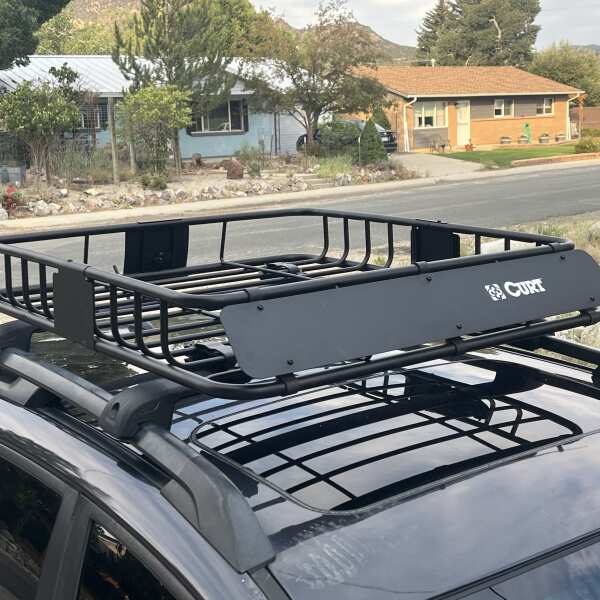
- Cargo boxes or baskets for extra storage
Choose accessories that match your needs and the type of cargo you carry. They can make your roof rack safer and easier to use.
Step-by-step Installation Guide
Adding a roof rack to your car makes it easier to carry extra gear. This guide shows you how to install a roof rack safely and correctly. Follow each step carefully to protect your car and load.
Before you begin, check that the roof rack fits your car model. Gather all parts and tools needed for installation.
Preparing The Roof
Start by cleaning the roof surface where the rack will attach. Dirt or dust can cause damage or weaken the hold. Use a soft cloth and mild cleaner. Let the area dry completely before moving on.
Attaching Mounting Points
Mounting points hold the roof rack firmly. Locate the factory-installed points or the correct positions for clamps. Align the mounting brackets carefully and fasten them with screws or bolts supplied.
- Check your car’s manual for mounting locations.
- Place mounting brackets on the roof.
- Use a wrench to tighten bolts securely.
- Do not overtighten to avoid damage.
Securing Cross Bars
Cross bars connect the mounting points and support your cargo. Slide or clip the bars into place. Make sure they are parallel and evenly spaced. Tighten all locking mechanisms to secure them firmly.
| Cross Bar Part | Action | Tool Needed |
|---|---|---|
| End Caps | Attach to bar ends to keep items from sliding off | None |
| Locking Clips | Secure bars to mounting points | Screwdriver or Allen key |
| Rubber Pads | Place between bar and roof for protection | None |
Final Adjustments
Once installed, check all parts for tightness. Adjust the position of the bars if needed. Test the rack by gently shaking it to ensure it does not move. Add any safety locks or covers provided by the manufacturer.
Tips for final checks:
- Verify no screws or bolts are loose.
- Confirm cross bars are parallel and level.
- Check that rubber pads are not pinched or missing.
- Test load stability before driving.
Safety And Maintenance Tips
Adding a roof rack to a car can be very useful. It helps carry extra luggage or sports gear. Ensure it is safe and well-maintained.
Proper care extends the life of your roof rack. It also ensures the safety of your car and belongings.
Regular Inspections
Check your roof rack regularly. Look for any loose bolts or screws. Ensure all parts are securely attached to the car.
Inspect the roof rack for rust or damage. Replace any broken parts immediately. This helps prevent accidents while driving.
Load Distribution
Distribute the load evenly across the roof rack. This prevents stress on one side of the car. It also keeps the car balanced.
- Place heavier items in the center
- Use tie-downs to secure the load
- Do not exceed the weight limit
Weather Protection
Weather can affect your roof rack and items. Use covers to protect against rain and sun. This helps keep your items dry and safe.
Consider using a weather-resistant roof rack. This type can withstand harsh weather conditions. It also reduces wear and tear over time.
Credit: rackattack.com
Common Mistakes To Avoid
Adding a roof rack to a car is useful for extra storage. Many people make simple mistakes that cause problems later.
Knowing what to avoid helps keep your car safe and your items secure on the roof rack.
Overloading The Rack
One common mistake is putting too much weight on the roof rack. Each rack has a limit for how much it can hold.
- Exceeding weight can damage the rack and roof.
- It can cause poor car handling and increase accident risk.
- Heavy loads may fall off and create hazards on the road.
- Always check the weight limit before loading items.
Ignoring Manufacturer Guidelines
Many people do not read or follow the instructions from the rack maker or car maker. This can lead to problems.
| Guideline | Why It Matters |
|---|---|
| Weight Limit | Prevents damage and unsafe driving |
| Rack Position | Keeps balance and avoids roof damage |
| Compatible Accessories | Ensures secure fit and easy use |
Improper Installation
Installing the roof rack wrong can cause it to fall off or harm the car. Installation needs care and correct tools.
- Use the right tools for your rack type.
- Follow the step-by-step instructions carefully.
- Check that all bolts and clamps are tight.
- Test the rack by shaking it before loading items.
Benefits Of Adding A Roof Rack
Adding a roof rack to your car can be a great idea. It offers multiple benefits that make your travels easier and more enjoyable.
Whether you need extra space or want to carry sports gear, a roof rack can help. Let’s explore how it enhances your vehicle’s capabilities.
Increased Cargo Space
One of the main benefits of a roof rack is increased cargo space. It allows you to carry more items without cluttering your car’s interior.
- Carry extra luggage for long trips
- Transport bulky items like bikes or kayaks
- Keep the interior spacious and comfortable
Versatility For Outdoor Activities
A roof rack adds versatility for outdoor enthusiasts. It is perfect for transporting equipment needed for various activities.
Imagine being able to take your skis, snowboards, or camping gear without hassle. A roof rack makes it possible.
Enhanced Vehicle Functionality
Adding a roof rack can enhance your vehicle’s functionality. It allows you to use your car for different purposes.
| Function | Benefit |
| Travel | More luggage space |
| Sports | Carry gear safely |
| Utility | Transport tools |

Credit: www.metaltech4x4.com
Frequently Asked Questions
Can Any Car Have A Roof Rack Installed?
Most cars can have roof racks installed if they have proper mounting points. Some models may need special adapters. Always check the vehicle’s manual for compatibility before purchasing a roof rack.
How Much Weight Can A Car Roof Rack Hold?
Roof racks typically hold between 75 to 220 pounds, depending on the car and rack type. Exceeding this limit can damage the vehicle or affect driving safety.
Will A Roof Rack Affect My Car’s Fuel Efficiency?
Yes, roof racks can reduce fuel efficiency by increasing wind resistance. The impact varies but expect a 5-15% decrease in mileage when carrying loads.
Is Professional Installation Necessary For A Roof Rack?
Professional installation is recommended for safety and proper fit. However, some racks come with easy-to-follow instructions for DIY installation if you have basic tools and skills.
Conclusion
Adding a roof rack to your car can be simple and useful. It helps carry extra luggage or sports gear easily. Make sure to choose the right rack for your vehicle model. Always follow the instructions carefully during installation. Check the weight limits to keep your car safe.
A roof rack opens up new space inside your car. It makes trips more comfortable and organized. Consider your needs and budget before buying. A good roof rack lasts long and works well. Simple steps lead to better travel experiences.







