
Are you relying on a radar detector to keep you safe from speeding tickets? You might be wondering if the police can actually spot your device.
It’s a question that can make any driver anxious—after all, no one wants to get caught off guard. You’ll discover how police officers detect radar detectors, what signs they look for, and what you can do to stay one step ahead.
Keep reading to learn the truth and protect yourself on the road.
How Radar Detectors Work
Radar detectors help drivers find police radar signals. These devices alert drivers about speed checks.
They work by sensing radio waves used by police radar guns. This gives drivers time to slow down.
Basic Functionality
Radar detectors scan for radar signals in the area. They pick up radio waves sent by police speed guns.
Once a signal is detected, the device alerts the driver with sounds or lights. This lets drivers know to check their speed.
- Detects radio frequencies used by radar guns
- Alerts drivers to nearby radar signals
- Works best when radar signals are strong
Common Features
Radar detectors often include features that reduce false alarms. They can filter signals from automatic doors or other sources.
Some models use GPS to warn about fixed speed cameras or frequent radar locations. Others adjust sensitivity based on speed or location.
- Signal filtering to avoid false alerts
- GPS for fixed camera warnings
- Adjustable sensitivity based on speed
- Visual and audio alerts
Limitations
Radar detectors cannot detect all types of police speed tools. Some police use laser guns or radar detectors detectors.
They also have limited range and might miss signals from far away. Weather and car materials can block radar signals.
- Cannot detect laser speed guns easily
- Radar detector detectors can find them
- Limited detection range
- Blocked by certain materials or weather
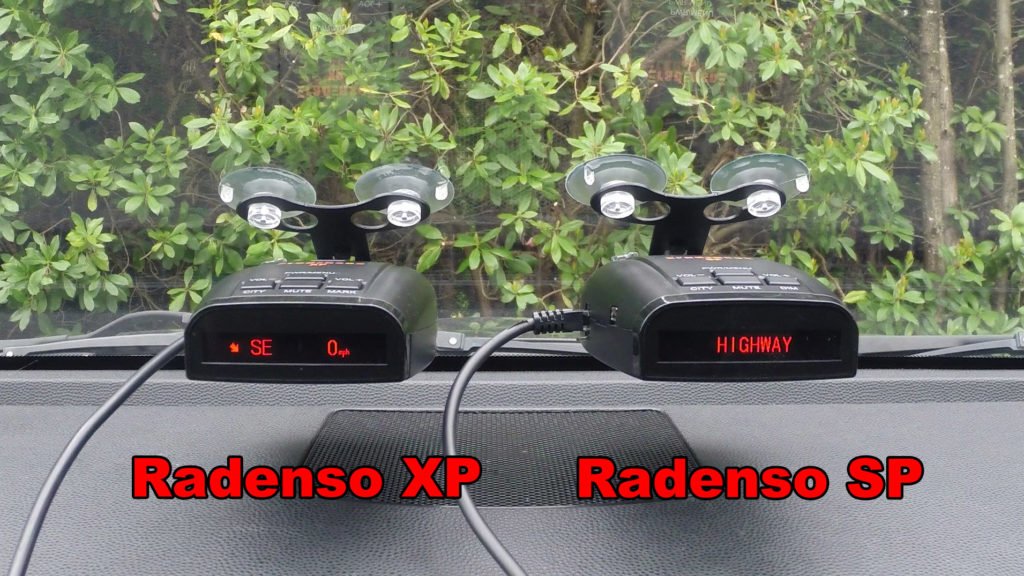
Credit: www.vortexradar.com
Police Technology To Detect Detectors
Police use special tools to find radar detectors in cars. These tools help officers catch drivers who try to avoid speed checks.
This technology is called Radar Detector Detectors, or RDD. It can sense the signals that radar detectors give off.
Radar Detector Detectors (rdd)
Radar Detector Detectors scan for signals from radar detectors. They look for specific radio waves these devices send out. Police use RDD to stop drivers from hiding their detector use.
Types Of Rdd Devices
- VG-2 Interceptor: The oldest and most common RDD device.
- Spectre IV: A newer device that detects more radar detector models.
- Escort RedLine: Combines radar and RDD detection features.
- RadarEye: Portable and easy to use for officers on the street.
Detection Methods
| Method | Description |
| Radio Frequency Detection | Finds signals emitted by radar detectors. |
| Signal Strength Monitoring | Measures how strong the radar detector signals are. |
| Directional Scanning | Locates the source of radar detector signals around the police car. |
| Visual Inspection | Officers check cars for radar detector devices inside. |
Effectiveness Of Radar Detector Detectors
Radar detector detectors are devices used by police to find radar detectors in vehicles. They help officers catch drivers who try to avoid speed detection. Understanding how well these detectors work can help drivers make better decisions.
This article looks at the accuracy, false alarms, and ways people try to avoid being caught by radar detector detectors.
Accuracy Rates
Radar detector detectors have good accuracy in finding radar detectors. They use special sensors to pick up signals from radar detector devices. Most police models can detect popular radar detectors quickly.
Still, some newer radar detectors are designed to avoid detection. This can lower the accuracy of radar detector detectors in some cases.
False Positives
False positives happen when a radar detector detector signals a radar detector, but none is present. Some other electronic devices in cars can cause false alarms. This can waste police time and confuse drivers.
Manufacturers work to reduce false positives by improving the sensors and software of radar detector detectors.
Countermeasures
Some drivers use countermeasures to avoid detection. These include radar detectors that hide their signals or use special modes. Some use shielding or jamming techniques to confuse radar detector detectors.
- Radar detectors with stealth modes
- Metal shielding around devices
- Signal jammers to block detection
Police update their radar detector detectors to fight these countermeasures and keep detection effective.
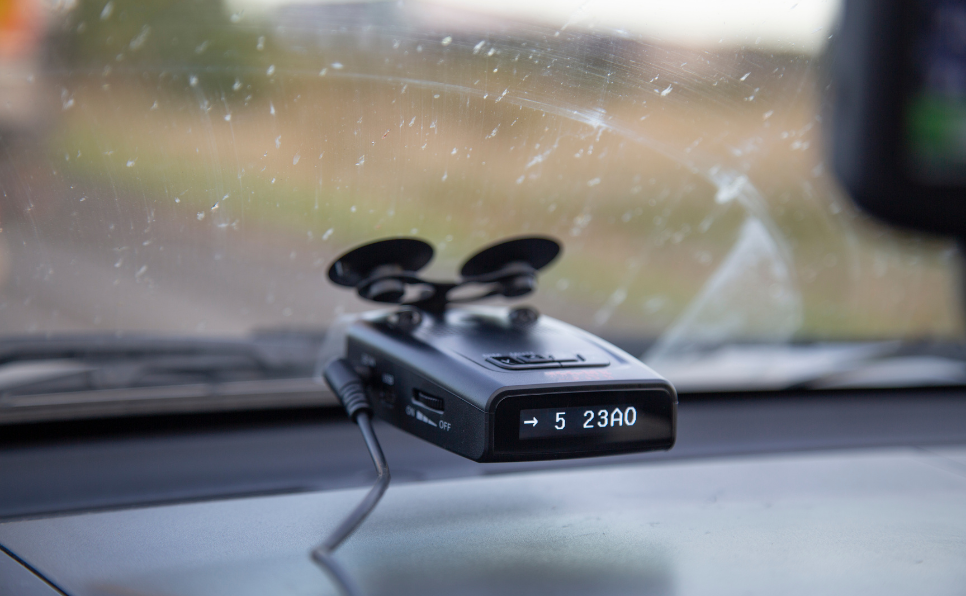
Credit: medium.com
Legal Status Around The World
Radar detectors are devices that alert drivers about police speed radar. Their legality varies in different countries. Some places allow their use, while others ban them completely.
Knowing the rules about radar detectors can help drivers avoid fines and legal trouble. This guide explains which countries allow or ban these devices and the penalties involved.
Countries Allowing Radar Detectors
Several countries permit the use of radar detectors on public roads. Drivers can legally use these devices to avoid speed traps in these places.
- United States (varies by state; most states allow)
- Canada (allowed except in Quebec)
- Mexico
- Australia (allowed in most states)
- South Africa
- New Zealand
Countries Banning Radar Detectors
Many countries ban radar detectors completely. Using one can lead to fines or other legal actions in these locations.
- Germany
- France
- United Kingdom
- Japan
- Russia
- Brazil
- China
Penalties For Use
Penalties for using radar detectors differ by country. They can range from small fines to vehicle confiscation and license suspension.
- Fines from $50 to over $1000
- Confiscation of the radar detector device
- Points added to driving record
- Possible suspension of driving license
- In some cases, arrest or court appearance
Tips For Using Radar Detectors Safely
Radar detectors can help you stay aware of speed checks. Using them safely reduces the risk of getting caught.
This guide offers tips on picking the right device, placing it correctly, and avoiding police detection.
Choosing The Right Device
Not all radar detectors work the same. Choose one with good detection range and false alert filtering.
- Look for devices with GPS to avoid false alarms.
- Pick a model that detects multiple radar bands.
- Check if the device updates its database regularly.
- Read reviews to find reliable options.
Placement In Vehicle
Where you place the radar detector affects its performance and safety.
| Placement Area | Pros | Cons |
| Dashboard | Easy to see and reach | May block view or attract attention |
| Windshield (top center) | Good signal reception | Can be spotted by police |
| Under rearview mirror | Less visible | May reduce detection range |
| Lower dash | Hidden from view | Signal may weaken |
Avoiding Detection
Police may use radar detector detectors (RDDs). Use tips to avoid detection.
- Turn off the detector in areas where RDD use is common.
- Keep the device low-profile and avoid flashing lights.
- Use stealth mode if your detector has one.
- Do not rely solely on the detector; always drive safely.
Future Of Radar Detection Technology
Radar detectors help drivers spot police radars. Technology is always changing. What does the future hold for radar detection?
New tools and devices are coming. These advancements could change how drivers use radar detectors. Let’s explore these changes.
Advancements In Law Enforcement Tools
Police use new tools to catch speeders. One tool is the LIDAR gun. It uses light to measure speed, making it hard for radar detectors to spot.
Another tool is the radar detector-detector. It helps police find drivers using radar detectors. These tools make it tricky for drivers to avoid detection.
- LIDAR guns are precise and harder to detect.
- Radar detector-detectors track those using radar detectors.
Next-gen Radar Detectors
Next-gen radar detectors are smarter. They use GPS to warn drivers of speed traps. Some even connect to apps for real-time updates.
These detectors learn and adapt. They filter false alerts, so drivers only hear real warnings. This makes driving safer and more efficient.
| GPS Features | Real-time alerts |
| False Alert Filtering | Better accuracy |
Impact On Driving Behavior
Radar detectors change how people drive. Some drivers rely on them to avoid tickets. This can lead to speeding and unsafe driving habits.
Yet, many drivers use them to stay aware. They help drivers remain alert to speed limits and road conditions. This can promote safe driving behavior.
- Some drivers speed more with detectors.
- Others use detectors to drive safely.

Credit: en.wikipedia.org
Frequently Asked Questions
Can Police Detect Radar Detectors Easily?
Yes, some police use radar detector detectors (RDDs) to find radar detectors. These RDDs sense signals emitted by detectors. However, newer detectors have stealth modes to avoid detection.
What Technology Do Police Use To Find Radar Detectors?
Police use radar detector detectors, like the VG-2 and Spectre. These devices scan for electronic signals radar detectors emit. They help officers identify drivers using radar detectors in real-time.
Are All Radar Detectors Detectable By Police?
No, not all radar detectors are detectable. Modern detectors use stealth technology to avoid radar detector detectors. Older models are more likely to be found by police equipment.
Does Using A Radar Detector Affect Legal Standing?
Using a radar detector is illegal in some states and countries. If detected, you may face fines or confiscation of the device. Always check local laws before using one.
Conclusion
Police can sometimes detect radar detectors, but not always. Newer detectors are harder to find. Some police use special tools to spot them. Still, using a radar detector can carry risks. Laws about these devices differ by location. Understanding local rules helps avoid fines or trouble.
Stay aware and drive safely to reduce speed risks. Avoid relying only on devices to stay within limits. Safe driving remains the best way to avoid tickets.







