
If you love biking and want to take your bike everywhere, a bike roof rack for your car is a game-changer. Imagine hitting the road without worrying about space or damaging your bike inside the car.
With the right roof rack, you can carry your bike safely and easily, leaving more room for your gear and passengers. Ready to find out how to choose the best bike roof rack for your car and make your rides hassle-free?
Keep reading, because this guide will help you make the perfect choice.
Types Of Bike Roof Racks
Bike roof racks let you carry bikes on top of your car. They keep your bike safe while traveling.
There are different types of bike roof racks. Each type holds the bike in a unique way.
Fork Mount Racks
Fork mount racks hold the bike by its front fork. You remove the front wheel before mounting.
This type is very secure and keeps the bike stable. It works well for road and mountain bikes.
- Secure hold by front fork
- Front wheel removal needed
- Good for heavy or expensive bikes
Frame Mount Racks
Frame mount racks grab the bike by its frame. They hold the bike upright on the roof.
This type fits most bike frames without wheel removal. You should check frame shape for fit.
- Clamps onto bike frame
- No wheel removal usually needed
- Works with many bike styles
Wheel Mount Racks
Wheel mount racks hold the bike by its wheels. Both wheels stay on the bike during travel.
These racks use trays or clamps to secure wheels. They are easy to load and unload.
- Bike stays on wheels
- Uses trays or clamps on wheels
- Simple to use and load bikes
Choosing The Right Rack For Your Car
A bike roof rack lets you carry your bike safely on your car. Picking the right rack helps protect your bike and car.
Not all racks fit every car or bike. Think about your roof type, weight needs, and how easy it is to install.
Compatibility With Roof Types
Cars have different roof styles like bare roofs, raised rails, flush rails, or fixed points. Choose a rack that fits your roof type.
Check if the rack clamps, bolts, or fits your car’s roof rails. This ensures a strong and safe hold while driving.
- Bare Roof: Use racks with clamps that grip the door frame.
- Raised Rails: Look for racks that attach to rails with clamps.
- Flush Rails: Choose racks that fit inside the rails.
- Fixed Points: Use racks that bolt directly to the car’s fixed points.
Weight Capacity Considerations
Every roof rack has a weight limit. Make sure the rack can hold your bike’s weight safely.
Consider the weight of your bike plus any extra gear. Don’t exceed the rack or roof’s maximum load.
- Check your car’s roof weight limit in the manual.
- Choose a rack with a capacity higher than your bike’s weight.
- Include extra weight from bike accessories or locks.
Ease Of Installation
Pick a roof rack that is easy to install and remove. This saves time and effort when loading your bike.
Look for racks with clear instructions and simple mounting systems. Quick installation means you can start your trip faster.
- Tool-free designs speed up installation.
- Lightweight racks are easier to handle.
- Adjustable clamps fit different roof sizes.
- Test the rack before your trip to ensure fit and safety.
Installing Your Bike Roof Rack
Installing a bike roof rack on your car lets you carry bikes safely. You need to follow some simple steps to set it up correctly.
Proper installation keeps your bike secure and avoids damage to your car or bike during travel.
Step-by-step Setup
Start by unpacking all parts of your bike roof rack. Check the instructions from the manufacturer for specific details.
Lay out the pieces to see what fits where. This helps you understand the assembly process better.
- Identify the base rails and crossbars
- Attach mounting feet or clamps to the bars
- Use tools like a wrench or screwdriver as needed
- Make sure all parts are loose enough to adjust before tightening
Securing The Rack To The Roof
Place the rack on your car’s roof bars. Position it evenly to balance the load on both sides.
Tighten the clamps or screws that hold the rack to the roof rails. Check that the rack does not move side to side.
- Align the rack with the roof rails
- Fasten clamps firmly but do not overtighten
- Use a torque wrench if available for correct tightness
- Double-check all fasteners before loading bikes
Adjusting For Stability
After securing the rack, adjust the parts that hold your bike. These parts keep the bike from moving during travel.
Make sure the bike frame fits well in the holders. Tighten straps or locks to keep the bike stable.
- Check that bike holders grip the frame securely
- Adjust straps to prevent bike sway
- Test stability by gently shaking the rack and bike
- Re-tighten all parts if you notice any movement
Credit: www.walmart.com
Loading Bikes Safely
Loading bikes onto a car roof rack can be tricky. Safety is key to prevent accidents and damage. Learn how to position and secure your bike properly.
Follow these steps to ensure your bike is safe during travel. Proper loading helps maintain balance and security.
Positioning Bikes Correctly
Align your bike with the car roof rack. Make sure the bike is centered. This keeps the car balanced and prevents tipping.
Adjust the pedals and handlebars if needed. Ensure they do not hit the car roof. This protects both your bike and car from scratches.
Using Straps And Locks
Secure your bike with sturdy straps. Tighten them to keep the bike in place. This prevents the bike from moving while driving.
Use locks to add security. Locks deter theft and provide extra safety. They are especially important for long trips.
- Choose straps that are weather-resistant
- Ensure locks are strong and tamper-proof
- Double-check all fastenings before driving
Preventing Damage During Transit
Cover your bike with a protective layer. This guards against wind and debris. A cover helps keep your bike in top condition.
Check the bike rack regularly during stops. Ensure everything remains secure. This helps avoid damage to both bike and vehicle.
| Tip | Use foam pads between bike and car |
| Check | Inspect straps and locks every 100 miles |
Maintenance Tips For Roof Racks
Keeping your bike roof rack in good shape is important for safety and durability. Regular care helps avoid damage and keeps it working well.
This guide covers simple tips to maintain your roof rack. Follow these to protect your investment and enjoy smooth rides.
Regular Inspections
Check your roof rack before every trip. Look for loose bolts, cracks, or rust. Tighten any loose parts to keep the rack stable.
Inspect the mounting points and clamps. Make sure they hold the rack firmly to your car. Replace worn or broken parts quickly.
- Check bolts and screws for tightness
- Look for cracks or rust on the rack
- Examine clamps and mounting areas
- Replace damaged parts as needed
Cleaning And Lubrication
Clean your roof rack after each use. Dirt and grime can cause wear and tear over time. Use mild soap and water for cleaning.
Lubricate moving parts like locks and hinges. Use a silicone-based spray to avoid attracting dust. This helps parts move smoothly and last longer.
- Wash rack with mild soap and water
- Rinse off dirt and dry completely
- Apply silicone spray to locks and hinges
- Wipe off excess lubricant to prevent dust
Storage When Not In Use
Store your roof rack in a dry place away from sunlight. UV rays can weaken plastic and rubber parts. Cover it with a cloth or bag to keep dust off.
Keep the rack off the ground to avoid moisture damage. Proper storage helps maintain the rack’s shape and function for a long time.
- Store rack indoors in a dry area
- Avoid direct sunlight exposure
- Cover rack with cloth or storage bag
- Keep rack off the floor to prevent moisture
Common Mistakes To Avoid
Using a bike roof rack on your car can make travel easier. But some common mistakes can cause problems or damage. Avoid these errors to keep your bike and car safe.
Knowing what to watch out for helps you use the rack properly. Here are key mistakes to avoid.
Overloading The Rack
Loading too many bikes or heavy bikes can strain the rack. This may cause damage to the rack or your car’s roof.
Check the weight limit before loading. Do not exceed the maximum capacity stated by the manufacturer.
- Know the rack’s weight limit
- Count the number of bikes you carry
- Consider the weight of each bike
- Distribute weight evenly on the rack
Ignoring Vehicle Height Limits
Adding a bike rack increases your car’s height. Ignoring this can cause accidents in low clearance areas.
Measure the total height with the rack and bikes before driving. Watch for low bridges, garages, and drive-thrus.
- Measure car height with bikes on the roof
- Check clearance signs when driving
- Remove bikes if height is too tall for some places
- Use side or rear racks if roof height is a problem
Neglecting Secure Fastening
Not fastening bikes or the rack tightly can cause them to move or fall off. This is very dangerous on the road.
Always double-check all straps, locks, and mounts before you drive. Use extra ties if needed for extra security.
- Tighten all straps and locks firmly
- Check fasteners before each trip
- Use additional safety straps if possible
- Test rack stability by shaking it gently
Benefits Of Using A Roof Rack
A bike roof rack helps carry bikes outside the car. It frees up space inside the vehicle. This makes trips more comfortable for everyone.
Roof racks keep bikes secure and safe during travel. They also reduce wind drag compared to some other bike carriers.
Maximizing Vehicle Space
Using a roof rack lets you keep the car trunk free. You can store luggage or other gear inside. Bikes stay outside, so no need to squeeze them in.
- More room for passengers
- Space for extra bags and equipment
- Cleaner and less cluttered interior
Safe Transport For Multiple Bikes
Roof racks can hold several bikes at once. They lock bikes firmly in place. This reduces the chance of damage or bike movement while driving.
| Number of Bikes | Typical Roof Rack Capacity |
| One | Easy to load and unload |
| Two | Common for families or friends |
| Three or More | Requires strong rack and roof bars |
Improved Aerodynamics Compared To Other Options
Roof racks often create less wind resistance than rear bike carriers. They sit closer to the car’s shape. This helps with better gas mileage on long trips.
- Roof Rack: Low wind drag, better fuel efficiency
- Rear Carrier: More wind resistance, can block rear view
- Inside Car: No impact on aerodynamics but less space

Credit: www.ebay.com
Popular Brands And Models
Bike roof racks for cars are essential for cyclists. They help you transport your bike safely and efficiently. Many brands offer a variety of models to suit different needs.
Choosing the right bike roof rack can depend on factors like durability, cost, and features. Explore some popular options to find the best fit for your car and bike.
Top-rated Racks For Durability
Durability is crucial for a long-lasting bike roof rack. Strong materials and good design ensure your bike is secure during transport.
- Thule ProRide XT: Known for its robust construction and easy handling.
- Yakima FrontLoader: Offers solid stability and accommodates different bike types.
- Saris Bones EX: Built to endure various weather conditions and long journeys.
Budget-friendly Options
For those on a budget, there are affordable bike roof racks available. These options offer a balance of quality and cost-effectiveness.
| Brand | Model | Price Range |
| Allen Sports | Deluxe 2-Bike | $50 – $100 |
| Swagman | Upright Roof Mount | $80 – $130 |
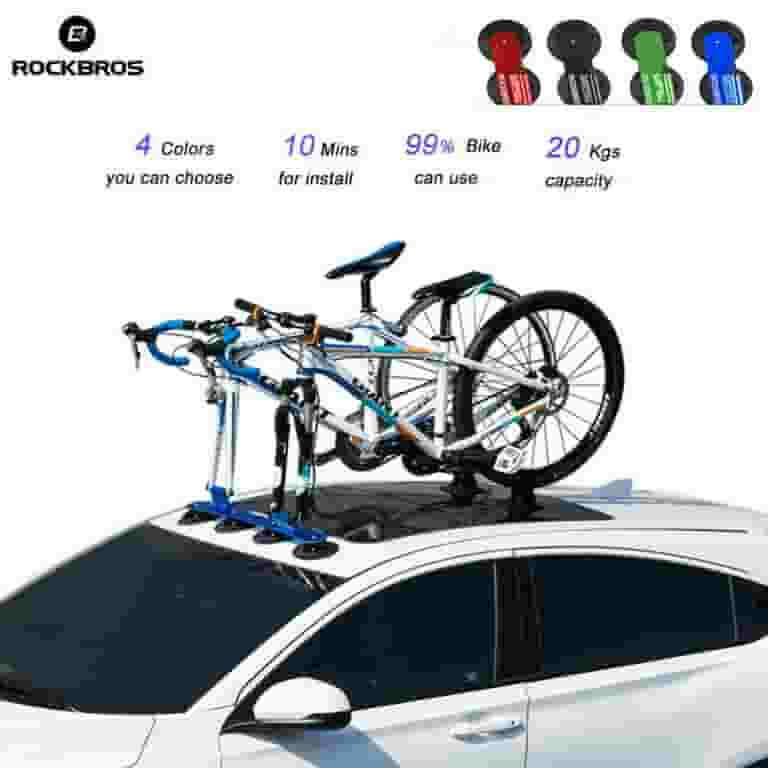
| RockBros | Suction Cup Rack | $150 – $200 |
High-end Features To Consider
High-end bike roof racks come with advanced features. These features enhance convenience and bike safety during travel.
- Locking systems for added security
- Adjustable cradles for different bike sizes
- Aerodynamic design to reduce wind resistance

Credit: www.amazon.com
Frequently Asked Questions
What Is A Bike Roof Rack For Car?
A bike roof rack for car securely holds bikes on your vehicle’s roof. It frees up interior space and protects your bike during transport. Most racks fit various bike frames and are easy to install. They are ideal for cyclists who travel frequently.
How To Choose The Best Bike Roof Rack?
Consider compatibility with your car and bike type first. Check rack weight capacity and ease of installation. Look for weather-resistant materials and secure locking mechanisms. Read reviews to ensure durability and user satisfaction. Prioritize convenience and safety for your biking trips.
Are Bike Roof Racks Safe For All Bike Types?
Yes, most bike roof racks accommodate various bike frames, including road, mountain, and hybrid bikes. Ensure the rack matches your bike’s frame size and weight. Proper installation and secure fastening are essential to prevent damage during transit.
Can A Bike Roof Rack Damage My Car?
Properly installed bike roof racks do not damage cars. Use protective pads to avoid scratches on your roof. Follow manufacturer guidelines for installation and weight limits. Regularly check the rack’s stability during use to ensure safety.
Conclusion
A bike roof rack makes traveling with your bike simple and safe. It keeps your car clean and frees up space inside. Choose the right rack for your bike type and car model. Installation is quick and easy, so you spend less time preparing.
Enjoy your rides more by carrying your bike with confidence. A good roof rack is a smart choice for bike lovers. Ready for your next adventure?







