
Are you looking for a simple way to take your bike along on every trip? A bike rack for your car roof can be the perfect solution.
It frees up space inside your vehicle and keeps your bike safe and secure while you drive. But with so many options out there, how do you choose the right one for your needs? Keep reading to discover everything you need to know to pick the best roof bike rack and enjoy your rides without any hassle.
Types Of Roof Bike Racks
Roof bike racks let you carry your bike on top of your car. They save space inside the vehicle. There are different types of racks for various bike styles and needs.
Choosing the right type helps protect your bike during travel. It also makes loading and unloading easier. Below are common roof bike rack types.
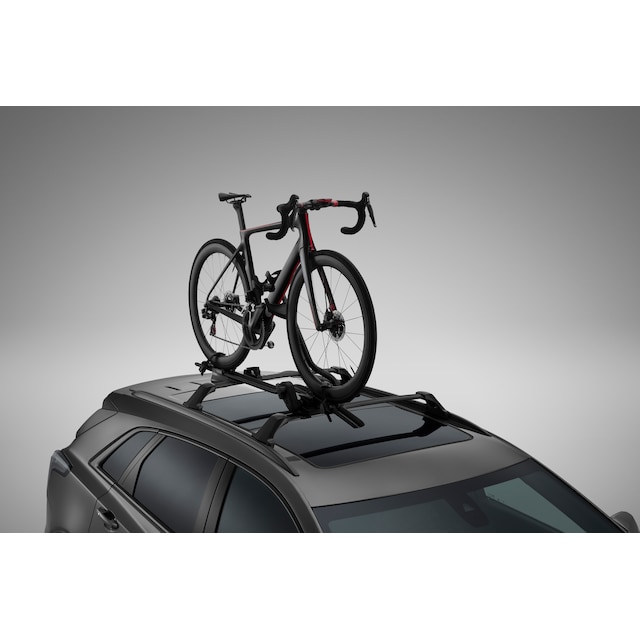
Fork Mount Racks
Fork mount racks hold your bike by the front fork. You must remove the front wheel before attaching the bike. The fork locks into the rack securely.
This rack type offers strong bike support. It is good for long trips or rough roads. It keeps the bike steady and safe on the roof.
- Requires front wheel removal
- Bike locks to the rack by the fork
- Offers strong and stable support
- Works well for heavy or expensive bikes
Wheel Mount Racks
Wheel mount racks hold the bike by its wheels. Both front and rear wheels stay on the bike. The bike frame usually rests on a support bar.
This type does not need wheel removal. It is faster to load and unload bikes. It fits many bike styles and sizes.
- Holds bike by wheels without removal
- Bike frame rests on support bar
- Easy to load and unload
- Fits most bike types and sizes
Tray Style Racks
Tray style racks have a flat tray for the bike wheels. The bike sits on the tray securely. Straps or clamps hold the wheels in place.
This style is easy to use and stable. It protects the bike frame from damage. It works well for different bike shapes and sizes.
- Flat tray holds bike wheels
- Straps or clamps secure the wheels
- Protects bike frame from damage
- Simple to load and unload
Credit: accessories.cadillac.com
Choosing The Right Rack
Choosing the right bike rack for your car roof is important. It helps carry your bike safely and easily.
There are many types of racks. Knowing what fits your car and bike is key to a good choice.
Compatibility With Car Roofs
Not all racks fit every car roof. Check your car’s roof type before buying a rack.
Some roofs have rails, some are flat, and others have gutters. Choose a rack that works with your roof style.
- Roof rails need clamps or special mounts
- Flat roofs may require a track system
- Gutter roofs use hooks or brackets
Bike Size And Weight Considerations
Make sure the rack fits your bike’s size and weight. Some racks hold only small or light bikes.
Check the maximum weight the rack can carry. Match it to your bike’s weight for safety.
- Mountain bikes are heavier and need strong racks
- Road bikes are lighter and fit most racks
- Electric bikes need racks with higher weight limits
Material And Durability
Look for racks made from strong and durable materials. They last longer and keep your bike safe.
Common materials are aluminum and steel. Aluminum is light, steel is very strong but heavier.
- Aluminum racks resist rust and are easy to carry
- Steel racks handle heavy loads well
- Plastic parts may break, so choose quality brands
Installation Tips
Installing a bike rack on your car roof can be simple if you follow clear instructions. Proper setup keeps your bike safe and your car damage-free.
Read these tips carefully before you start. They will help you avoid common problems and make the process smooth.
Preparing Your Car Roof
Clean your car roof well before installation. Dirt or dust can cause the rack to slip or scratch the surface.
- Use a soft cloth and mild soap to wash the roof
- Dry the surface completely with a clean towel
- Check for any dents or damages that might affect mounting
- Make sure the roof rack base fits your car model
Step-by-step Mounting Guide
Follow these steps carefully to attach the bike rack securely to your roof.
- Place the rack parts on a flat surface and identify each piece
- Fit the rack feet onto the roof rails or fixed points
- Tighten all screws and bolts with the correct tools
- Attach the bike holders or clamps as shown in the manual
- Test the rack by gently shaking it to ensure it is stable
- Load the bike and secure it with straps or locks
Common Installation Mistakes
Watch out for these errors to avoid damage or unsafe rides.
| Mistake | Problem | How to Avoid |
| Loose bolts | Rack may fall off | Use a torque wrench and recheck tightness |
| Wrong rack size | Poor fit and damage | Verify rack dimensions before purchase |
| Unclean surface | Scratches and slipping | Always clean and dry roof before mounting |
| Overloading | Rack or bike damage | Follow weight limits in the manual |
Credit: www.walmart.com
Securing Your Bike
Using a bike rack for your car roof is a great way to take your bike on trips. It is important to secure your bike properly. This keeps the bike safe and prevents accidents.
Properly securing your bike also protects your car and bike from damage. Follow these tips to keep your bike steady and safe during transport.
Proper Bike Placement
Place your bike on the rack so it sits straight and balanced. The front wheel usually goes in the front holder. Make sure the bike frame rests securely on the rack.
Check that the bike does not stick out too far on any side. This helps keep the bike stable while driving.
Using Straps And Locks
Use strong straps to hold the bike tightly to the rack. Wrap the straps around the frame and wheels. Tighten them so the bike does not move.
Locks add extra security. Use a bike lock to secure the bike frame to the rack. This prevents theft when you leave your car unattended.
- Choose durable straps with good grip
- Check strap tightness before driving
- Use a lock to secure the bike frame
- Lock wheels if possible for added security
Preventing Damage During Transport
Protect your bike from scratches and dents by padding contact points. Use foam or cloth between the bike and rack.
Drive carefully to reduce shaking. Avoid sudden stops and sharp turns. This helps keep your bike safe during the trip.
- Place padding under the bike frame
- Cover bike parts that touch the rack
- Drive slowly on rough roads
- Check straps and padding during stops
Safety And Legal Aspects
Using a bike rack on your car roof needs careful attention. It must be safe and follow the law.
Ignoring rules can cause accidents or fines. Learn about safety and legal points for bike racks.
Load Limits And Regulations
Every bike rack has a weight limit. Do not exceed this limit to avoid damage or accidents.
Check your car roof’s maximum load capacity. This includes the rack and the bikes combined.
- Follow the bike rack’s weight limit listed in the manual.
- Make sure the total weight does not go over the car roof’s load capacity.
- Secure bikes firmly to avoid movement while driving.
Visibility And Lighting Requirements
A bike rack should not block your car’s lights or license plate. This is illegal in many places.
Make sure your rear lights and signals are visible. Use extra lights if needed for safety.
- Check local laws about blocking lights or license plates.
- Use reflective tape on the bike rack or bikes for night visibility.
- Attach additional brake lights if the rack blocks original lights.
Insurance And Liability
Confirm your car insurance covers damage caused by roof bike racks. Some policies exclude this.
You may be responsible for damage if the bike rack or bikes fall off. Check your liability coverage.
- Inform your insurer about using a roof bike rack.
- Ask if the policy covers theft or damage of bikes on the rack.
- Drive carefully to avoid accidents and liability issues.

Credit: www.amazon.com
Maintenance And Care
Proper maintenance of your bike rack keeps it in good condition. Regular care ensures safety and longevity.
Follow these simple steps to maintain your car roof bike rack. This helps in keeping it clean, secure, and ready for your next adventure.
Cleaning Your Rack
Cleaning your bike rack is crucial to remove dirt and grime. This prevents rust and maintains the rack’s appearance.
- Use mild soap and water for washing.
- Dry thoroughly to prevent rust.
- Avoid harsh chemicals that can damage the material.
Regular Inspections
Inspect your bike rack regularly to ensure its safety. Look for any signs of wear or damage.
| Inspection Task | Frequency |
| Check bolts and screws | Monthly |
| Inspect straps and locks | Before each use |
| Examine for rust | Quarterly |
Storage Tips
Proper storage of your bike rack can extend its life. Follow these tips to store it safely.
Popular Brands And Models
Bike racks for car roofs help transport bikes safely. They are popular with cyclists and adventurers. Different brands offer unique features and designs.
Choosing the right bike rack depends on your needs and budget. Here are some popular brands and models to consider.
Top Rated Racks
Top rated bike racks are known for their durability and ease of use. They secure bikes well and are easy to install.
- Thule ProRide XT: Easy to mount and holds bikes securely.
- Yakima FrontLoader: No frame contact, fits most bikes.
- RockyMounts BrassKnuckles: Strong grip, good for heavy bikes.
Budget-friendly Options
Budget-friendly bike racks offer value without sacrificing quality. They are great for occasional use or short trips.
- Saris Bike Porter: Lightweight and easy to store.
- Allen Sports Deluxe: Affordable and simple design.
- Swagman Upright: Basic features, good for tight budgets.
Premium Features
Premium bike racks offer advanced features for the best experience. They often include locks, easy adjustability, and stylish designs.
- Thule UpRide: Universal fitting and secure locking system.
- Kuat Trio: Sleek design with integrated cable lock.
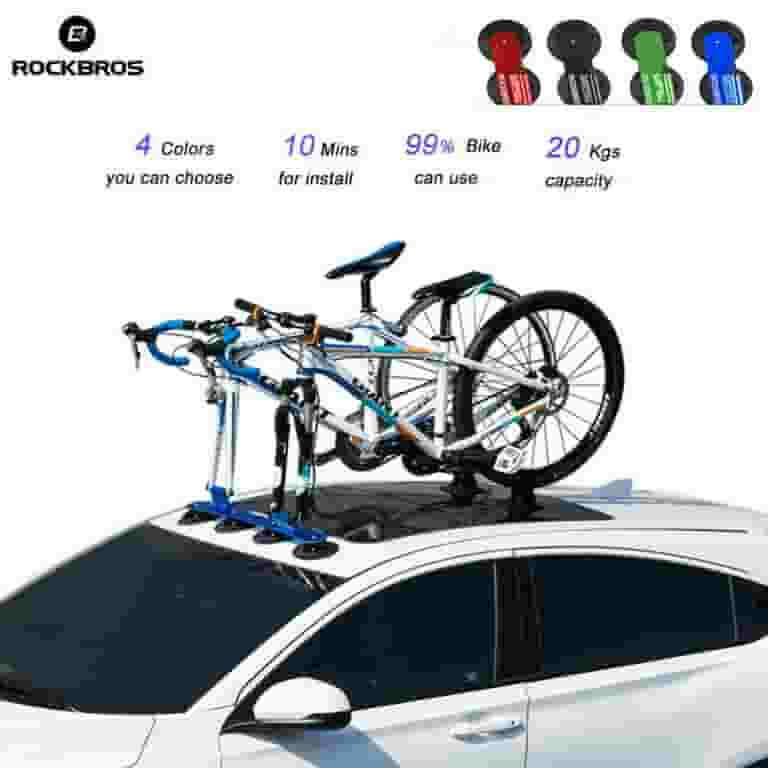
- SeaSucker Talon: Vacuum mount technology for versatility.
Alternatives To Roof Racks
Car roof racks are popular for carrying bikes, but they are not the only option. Other choices can fit different vehicles and needs.
These alternatives can offer easier use, less wind noise, or better protection for your bike. Here are some common options to consider.
Hitch-mounted Racks
Hitch-mounted racks attach to the trailer hitch at the back of your car. They hold bikes securely and are easy to load and unload.
- Can carry two or more bikes
- Do not affect car roof height
- Usually fold away when not in use
- May require a hitch if your car does not have one
Trunk-mounted Racks
Trunk-mounted racks strap to the back of your car. They are lightweight and easy to install for short trips.
| Pros | Cons |
| Quick to put on and take off | Can block rearview visibility |
| No special car parts needed | May scratch car paint if not careful |
| Good for light use and few bikes | Less stable on rough roads |
Inside Vehicle Transport
Inside vehicle transport means putting the bike inside your car. This method protects the bike from weather and theft.
- Fold or remove bike parts to fit
- Use blankets or pads to avoid damage
- Works best with larger vehicles like SUVs or vans
- May limit passenger space
Frequently Asked Questions
What Types Of Bike Racks Fit Car Roofs Best?
Roof bike racks come in fork-mount, wheel-on, and frame-mount types. Choose based on your bike’s frame and your car’s roof bars. Fork-mount racks provide secure hold but require removing the front wheel. Wheel-on racks hold the bike by both wheels for easy loading.
How Do I Install A Bike Rack On My Car Roof?
Installation varies by model but usually involves securing the rack to crossbars. Follow the manufacturer’s instructions carefully. Use included clamps or straps to attach the rack tightly. Ensure it is stable before loading bikes to prevent accidents during travel.
Can Roof Bike Racks Damage My Car’s Roof?
Properly installed racks with padding and secure mounting minimize damage risks. Avoid over-tightening clamps to protect paint and roof structure. Regularly check rack fittings and roof condition. Using a protective layer between rack and roof can further prevent scratches or dents.
Are Roof Bike Racks Safe For Long-distance Travel?
Yes, roof bike racks designed for vehicles are safe for long trips. Ensure bikes are securely fastened and rack fittings are tight. Periodically check during travel for any looseness. Proper installation and weight limits adherence are key to safe transportation.
Conclusion
Choosing the right bike rack for your car roof makes travel easier. It keeps your bikes safe and saves space inside the vehicle. Installation is quick and does not need special tools. This way, you enjoy more freedom on your trips.
A roof bike rack suits many car types and bike sizes. It helps you carry bikes without blocking windows or doors. Simple to use and reliable for every ride. Make your outdoor adventures smooth and hassle-free. A good roof bike rack is a smart choice for cyclists.







