
Removing your car battery might seem simple, but if you don’t do it the right way, it can be dangerous and damage your vehicle. You want to protect yourself and your car while getting the job done quickly and safely.
You’ll discover the best way to remove your car battery step by step. By following these easy tips, you’ll avoid common mistakes and feel confident handling this task on your own. Keep reading to learn how to remove your car battery safely and without stress.
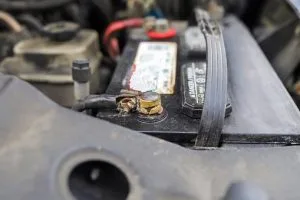
Credit: baterihub.com
Preparing For Battery Removal
Removing a car battery needs careful preparation. This helps keep you safe and avoid damage.
Start by getting the right tools and safety gear. Also, pick a good place to work.
Gathering Necessary Tools
Use the correct tools to remove the battery easily. Wrong tools can cause problems or injuries.
- Wrench or socket set to loosen battery terminals
- Battery terminal puller for stuck terminals
- Screwdriver for any clamps or covers
- Battery carrier or strap to lift the battery safely
Ensuring Safety Gear
Wear safety gear to protect yourself from acid and sparks. Batteries can be dangerous.
- Safety goggles to protect your eyes
- Gloves made of rubber or nitrile
- Long sleeves and pants to protect skin
- Closed-toe shoes to protect your feet
Choosing A Well-ventilated Area
Pick a place with fresh air to work. Battery fumes can be harmful if they build up.
A garage with open doors or an outdoor space works best. Avoid small, closed rooms.
Disconnecting The Battery
Removing a car battery safely is very important. It helps prevent sparks and damage.
Disconnecting the battery correctly keeps you and your vehicle safe.
Locating The Battery
First, find the car battery. Most are under the hood in the engine bay.
Some cars have batteries in the trunk or under the seat. Check your manual if unsure.
Identifying Positive And Negative Terminals
Look for the battery terminals. One is positive (+), the other is negative (−).
Positive terminal usually has a red cover or cable. Negative is often black.
- Positive terminal: marked with + or red color
- Negative terminal: marked with − or black color
Removing Negative Terminal First
Always disconnect the negative terminal first. It helps avoid sparks and short circuits.
Use a wrench to loosen the nut on the negative terminal clamp. Then, lift it off carefully.
- Wear gloves and eye protection
- Loosen negative terminal nut with a wrench
- Remove the negative cable from the battery
Removing Positive Terminal
Next, remove the positive terminal. Loosen the nut and lift the cable off the battery.
Be careful not to touch the terminals together or any metal parts with tools.
- Wear gloves for safety
- Use a wrench to loosen positive terminal nut
- Lift the positive cable off the battery
Removing The Battery
Removing a car battery requires care and attention. This guide helps you remove it safely and avoid damage.
Follow these steps to handle the battery properly and protect yourself from harm.
Loosening Battery Hold-downs
Battery hold-downs keep the battery stable. You must loosen them before removing the battery.
- Locate the hold-down clamp or bracket on the battery.
- Use the correct wrench or socket to loosen the nuts or bolts.
- Remove the clamp carefully and set it aside.
- Ensure the battery is free to lift without resistance.
Lifting The Battery Safely
The battery is heavy and contains acid. Lift it with care to avoid injury or spills.
- Wear gloves and safety glasses.
- Keep a firm grip on the battery handle or sides.
- Lift with your knees, not your back.
- Carry the battery upright to prevent acid leaks.
Avoiding Contact With Corrosion
Corrosion can harm your skin and damage tools. Avoid touching it during battery removal.
| Corrosion Type | Appearance | Safety Tip |
| White powder | Crusty or flaky deposits | Wear gloves and clean with baking soda solution |
| Blue-green deposits | Colorful, crusty buildup | Avoid direct contact and use protective gear |
| Black residue | Sticky or oily spots | Handle carefully; clean with proper tools |

Credit: www.reddit.com
Handling And Storing The Battery
Removing a car battery safely is important for your safety and the battery’s life. Proper handling and storage keep you safe and avoid damage.
Follow simple rules to handle and store car batteries correctly. This helps prevent accidents and environmental harm.
Proper Battery Handling Techniques
Always wear gloves and eye protection when handling a car battery. Batteries contain acid that can harm your skin and eyes.
Lift the battery carefully using both hands. Avoid tipping it to stop acid leaks.
- Wear safety gloves and goggles
- Lift with both hands
- Keep battery upright
- Avoid touching terminals together
- Do not use metal tools near terminals
Safe Storage Practices
Store the battery in a cool, dry place away from direct sunlight. Heat can cause the battery to degrade faster.
Keep the battery on a non-metallic surface to avoid short circuits. Make sure it is away from children and pets.
- Choose a cool, dry area
- Place battery on wood or plastic surface
- Keep away from heat and flames
- Store out of reach of children and pets
- Check battery regularly for leaks
Disposal And Recycling Options
Do not throw car batteries in regular trash. They contain harmful chemicals that pollute the environment.
Take old batteries to recycling centers or automotive stores. Many places accept batteries for safe recycling.
- Never dispose of batteries in household trash
- Use designated battery recycling centers
- Check with local automotive shops for recycling options
- Follow local laws for battery disposal
Preventing Common Mistakes
Removing a car battery can be dangerous if you make common mistakes. Safety should be your top priority.
Understanding the risks helps you avoid damage to yourself and your vehicle. Follow these tips to remove the battery safely.
Avoiding Short Circuits
Short circuits happen when the battery terminals connect directly. This can cause sparks and damage.
Keep metal tools away from both battery terminals at the same time. Remove jewelry like rings and watches before you start.
- Always disconnect the negative terminal first
- Use insulated tools to reduce risk
- Do not place tools on top of the battery
- Work in a dry area to avoid conductivity
Checking For Damaged Cables
Inspect battery cables before removal. Damaged cables can cause poor connection or sparks.
Look for cracks, frayed wires, or corrosion. Replace or clean cables if needed to avoid problems.
- Check cable insulation for cracks
- Look for corrosion on terminals and clamps
- Replace cables that are worn or broken
- Use a wire brush to clean corrosion
Ensuring No Sparks During Removal
Sparks can cause injury or ignite gases near the battery. Take steps to prevent sparks when removing the battery.
Disconnect the negative terminal first and avoid touching metal parts together. Work slowly and carefully.
- Wear safety glasses and gloves
- Remove the negative terminal before the positive
- Keep flames and smoking materials away
- Work in a well-ventilated area
Expert Tips For Battery Maintenance
Maintaining your car battery is essential for its longevity and performance. With proper care, you can avoid unexpected breakdowns and extend your battery’s life.
Follow these expert tips to ensure your car battery stays in top condition. Regular checks and maintenance can save you time and money.
Regular Cleaning
Keeping your car battery clean is vital. Dirt and grime can cause the battery to discharge faster.
- Use a mixture of baking soda and water to clean the battery terminals.
- Gently scrub with a soft brush to remove any corrosion.
- Rinse with water and dry with a clean cloth.
Checking Battery Charge
Ensure your battery maintains a proper charge to prevent starting issues. Regular checks help in identifying problems early.
| Charge Level | Action Required |
| 100% – 75% | No action needed |
| 74% – 50% | Consider recharging soon |
| Below 50% | Recharge immediately |
Protecting Terminals From Corrosion
Corrosion can lead to poor battery performance. Protecting the terminals helps maintain a strong connection.

Credit: www.youtube.com
Frequently Asked Questions
How Do I Safely Disconnect A Car Battery?
First, turn off the engine and remove the key. Always disconnect the negative terminal first to prevent sparks. Use insulated tools and avoid touching both terminals simultaneously. Wear gloves and eye protection for safety during removal.
What Tools Are Needed To Remove A Car Battery?
You will need a wrench or socket set to loosen terminal nuts. Use insulated gloves and safety glasses for protection. A battery terminal puller can help if terminals are stuck. Having a container to hold the battery safely is also recommended.
Can I Remove A Car Battery Without Professional Help?
Yes, with proper safety measures, you can remove it yourself. Follow step-by-step instructions, wear protective gear, and disconnect the negative terminal first. If unsure, consult a professional to avoid damage or injury.
Why Disconnect The Negative Terminal First When Removing Battery?
Disconnecting the negative terminal first prevents short circuits. It reduces the risk of sparks when tools touch the car’s metal parts. This step ensures a safer battery removal process and protects the vehicle’s electrical system.
Conclusion
Removing a car battery safely keeps you and your vehicle protected. Always wear gloves and eye protection. Disconnect the negative terminal first to avoid sparks. Handle the battery carefully to prevent acid spills. Store or dispose of the battery properly to protect the environment.
Following these simple steps makes the job easier and safer. Stay cautious and take your time. Safety always comes first when working with car batteries.







