
Your car’s paint is more than just a color—it’s the first thing people notice and a key part of your vehicle’s value. But everyday threats like sun exposure, dirt, and scratches can quickly wear it down.
What if you could keep your car looking fresh and new for years? You’ll discover the best way to protect your car paint, using simple steps that fit into your routine. Stick with me, and you’ll learn how to make your car’s shine last longer than ever before.
Credit: 48detailing.com
Choose The Right Car Wash Method
Protecting your car’s paint starts with how you wash it. Choosing the right wash method keeps your paint safe and shiny. A good wash removes dirt without scratching the surface.
We will look at different wash methods, soaps, and drying tips. These help keep your car paint in top condition for longer.
Hand Wash Vs. Automatic Wash
Hand washing is gentle on the paint. You control the pressure and avoid harsh brushes. Automatic washes are fast but can cause scratches. Some use strong brushes that may harm the paint.
- Hand wash uses soft mitts or sponges.
- Automatic wash may use stiff brushes.
- Hand wash lets you focus on dirty spots.
- Automatic wash cleans quickly but less gently.
Best Soaps For Car Paint
Not all soaps are safe for car paint. Use a soap made for cars only. Household soaps can strip wax and dry the paint. Car soaps clean well and protect the finish.
| Soap Type | Effect on Paint |
| Car wash soap | Cleans gently, protects wax |
| Dish soap | Strips wax, dries paint |
| All-purpose cleaner | May dull paint, harsh |
| Waterless wash spray | Good for light dirt, safe |
Proper Drying Techniques
Drying your car correctly stops water spots. Use soft, clean towels or microfiber cloths. Avoid letting the car air dry after washing. This can leave marks.
- Use microfiber towels to absorb water.
- Pat dry instead of rubbing hard.
- Dry in shade to prevent quick drying spots.
- Change towels if they get dirty or rough.
Credit: carrectly.com
Apply Quality Wax Regularly
Protecting your car’s paint helps it look new for longer. Applying quality wax creates a shield against dirt and sun.
Regular waxing keeps the paint smooth and shiny. It also stops damage from water and dust.
Types Of Car Wax
There are several types of car wax. Each type has different benefits for your car’s paint.
- Paste Wax:Thick and lasts long. Needs more effort to apply.
- Liquid Wax:Easy to apply. Dries fast but may not last as long.
- Spray Wax:Quick to use. Good for touch-ups and light protection.
- Synthetic Wax:Made from man-made materials. Offers strong protection and shine.
- Carnauba Wax:Natural wax from palm leaves. Gives a deep, warm shine.
How Often To Wax
Waxing frequency depends on your car and environment. Usually, waxing every 3 months works well.
If your car stays outside a lot, wax every 4 to 6 weeks. Indoor cars need less frequent waxing.
- Every 3 months for general use
- Every 1 to 2 months for harsh weather
- After washing if the paint looks dull
Wax Application Tips
Apply wax in small sections to avoid streaks. Use a clean, soft cloth or applicator pad.
Do not wax in direct sunlight. Let the car dry after washing before waxing.
- Wash and dry your car first
- Apply wax in thin, even layers
- Use circular motions for better coverage
- Let the wax dry to a haze before buffing
- Buff with a clean microfiber cloth for shine
Use Paint Sealants And Coatings
Car paint needs protection to stay shiny and new. Paint sealants and coatings help protect your car’s surface.
These products create a strong layer on the paint. This keeps dirt, water, and sun damage away.
Benefits Of Sealants
Paint sealants protect your car’s paint for months. They make the surface smooth and shiny.
Sealants also resist water and dirt better than wax. This makes cleaning your car easier.
- Long-lasting protection
- Enhances paint shine
- Repels water and dirt
- Makes washing easier
- Protects from UV rays
Ceramic Coatings Explained
Ceramic coatings are a type of paint protection. They form a hard, clear layer on the car’s paint.
This layer is very strong and lasts longer than regular sealants. It protects from scratches, chemicals, and sun damage.
- Creates a tough protective shell
- Lasts for years
- Resists scratches and stains
- Keeps paint looking new
- Repels water and dirt well
Diy Vs. Professional Application
You can apply paint sealants or coatings yourself or hire a pro. Each choice has its pros and cons.
DIY saves money but needs careful preparation. Professionals do a better job but cost more.
- DIY: cheaper, needs time and skill
- DIY: risk of uneven coating
- Professional: higher cost
- Professional: better, longer-lasting results
- Professional: usually includes surface prep
Protect From Environmental Damage
Car paint can lose its shine and strength from many environmental factors. Protecting your car’s paint keeps it looking new longer.
Simple care steps help avoid costly repairs and maintain your car’s value.
Avoiding Sun And Uv Exposure
Sunlight and UV rays cause paint to fade and crack over time. Park your car in shaded areas or use a car cover. This limits direct sun exposure and keeps paint fresh.
Shielding From Bird Droppings And Tree Sap
Bird droppings and tree sap can damage paint quickly. Clean these spots as soon as you see them to avoid stains and corrosion.
- Use a soft cloth and mild soap to clean affected areas
- Avoid scrubbing hard to prevent scratches
- Apply wax regularly to create a protective layer
- Park away from trees to reduce sap and droppings
Dealing With Road Salt And Pollutants
Road salt and pollutants cause rust and paint damage. Wash your car often in winter and after driving on salted roads.
| Damage Cause | Protection Method |
| Road Salt | Regular washing and undercarriage cleaning |
| Air Pollutants | Waxing and parking in clean areas |
| Acid Rain | Quick cleaning and use of sealants |
Fix Paint Chips And Scratches Quickly
Car paint chips and scratches can make your vehicle look old. Fixing them fast keeps the car looking nice.
Small damage can get worse if you wait. Quick repair protects the paint and metal underneath.
Spot Repair Techniques
Spot repair means fixing only the damaged area. It saves time and money.
Clean the area well. Use fine sandpaper to smooth rough edges. Apply primer before painting.
- Wash the spot with soap and water
- Sand the edges gently
- Apply primer and let it dry
- Use paint to cover the chip or scratch
- Finish with clear coat for shine
Using Touch-up Paint
Touch-up paint matches your car’s color. It is easy to apply for small chips.
Use a fine brush or pen for precise application. Let the paint dry fully before driving.
- Buy the exact color code from your car manual
- Clean and dry the damaged area
- Apply thin layers of touch-up paint
- Allow each layer to dry before next
- Apply clear coat if needed
Preventing Rust Formation
Rust can start where paint chips or scratches expose metal. Stop rust early.
Keep damaged areas dry and clean. Use rust inhibitor products if possible.
- Clean the chip or scratch immediately
- Apply rust converter or primer
- Cover with paint and clear coat
- Check repaired areas regularly
- Fix new chips to avoid rust
Maintain Regular Detailing
Keeping your car’s paint in good condition requires regular care. Detailing helps maintain its shine and protects against damage.
By following a consistent detailing routine, you can extend the life of your car’s paint. This process involves several key steps to ensure maximum protection.
Claying To Remove Contaminants
Claying is essential to remove contaminants from the paint surface. It helps in getting rid of dirt and grime that regular washing cannot.
- Use a clay bar to gently rub the paint surface.
- Ensure the surface is lubricated to prevent scratches.
- Work in small sections for best results.
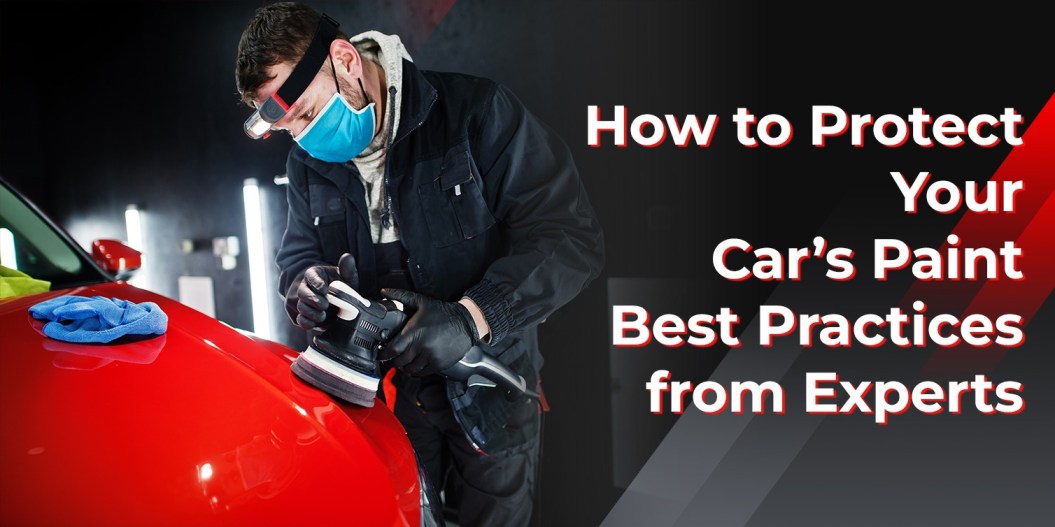
Polishing For Paint Correction
Polishing helps in correcting imperfections on the paint. It removes minor scratches and swirl marks, bringing back the original shine.
| Polishing Tip | Effect |
| Use a dual-action polisher | Reduces effort and achieves uniform finish |
| Choose the right polish | Improves gloss based on paint condition |
| Work in shaded area | Prevents polish from drying too quickly |
Sealants For Extra Protection
Sealants provide an additional layer of protection for your car’s paint. They are more durable than traditional waxes and can last longer.
Use Protective Accessories
Protecting your car’s paint is important. Use accessories to shield it from damage.
Accessories help maintain your car’s appearance. They keep the paint looking new.
Car Covers
Car covers protect your car from dust and sunlight. They are easy to use and effective.
Use a cover when your car is parked outside. It prevents scratches and fading.
- Choose a cover made for your car model
- Ensure the cover is breathable
- Use it regularly for best protection
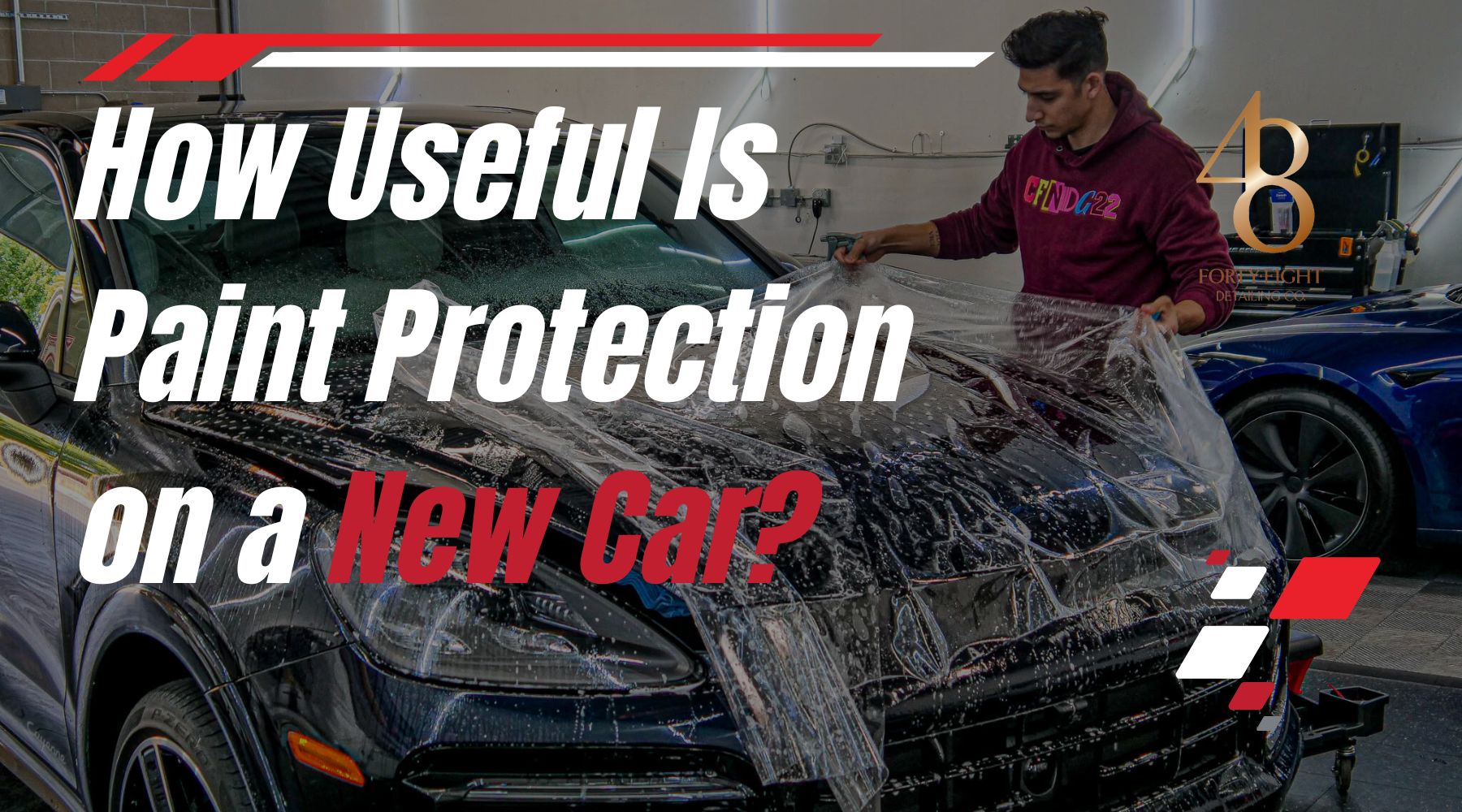
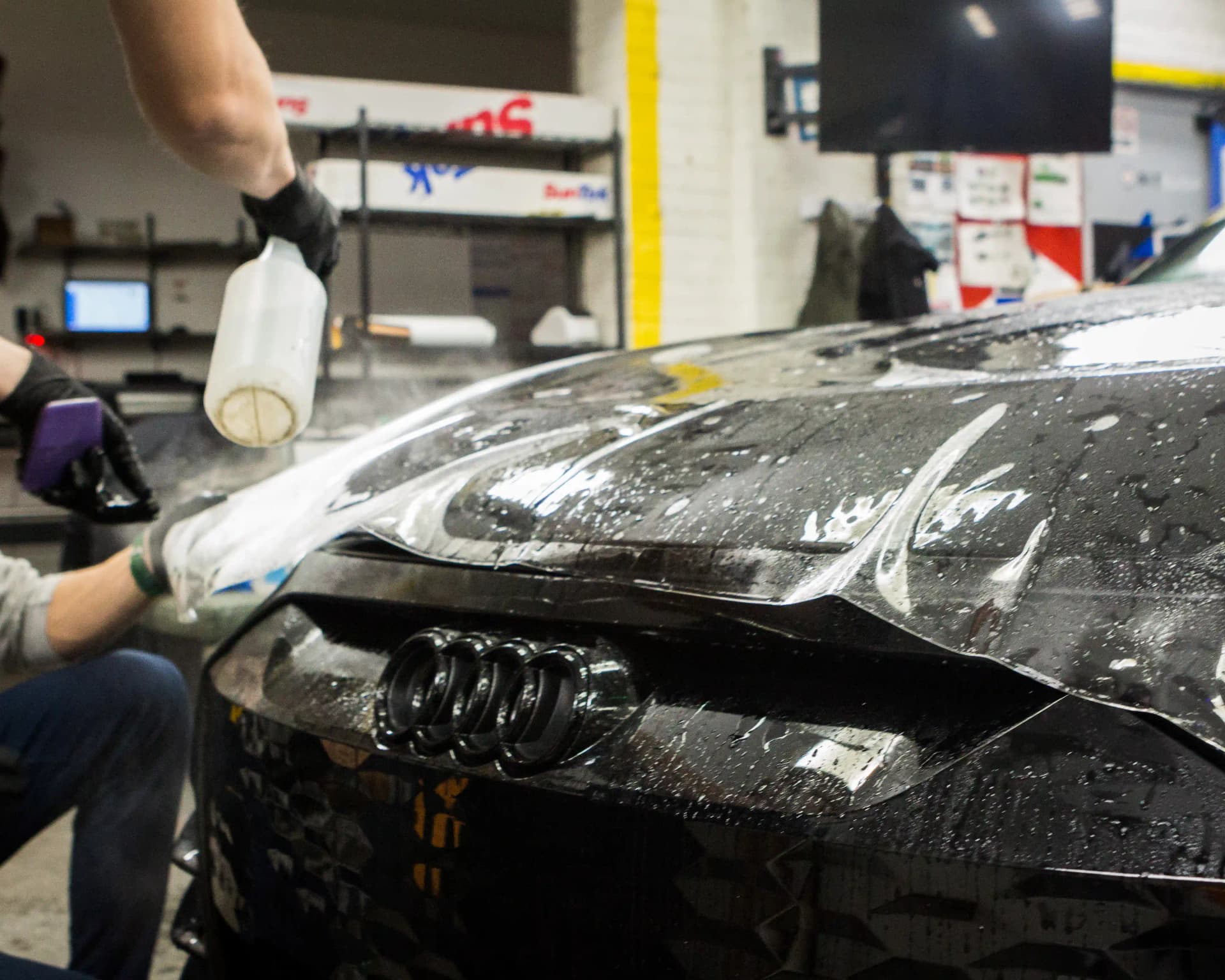
Paint Protection Films
Paint protection films are clear and strong. They shield the paint from chips and scratches.
These films are applied to the car’s surface. They help maintain the car’s glossy finish.
- Apply films to high-impact areas
- Consider professional installation
- Check the film’s warranty
Garage Storage Benefits
Storing your car in a garage is ideal. It offers the best protection from weather and theft.
Garages protect cars from rain, snow, and sun. They help keep the paint intact.
- Keep the garage clean and clutter-free
- Use a dehumidifier to reduce moisture
- Install good lighting for maintenance checks
Credit: carheroz.com
Frequently Asked Questions
How Often Should I Wax My Car To Protect Paint?
Wax your car every 3 to 4 months. Regular waxing creates a protective barrier against UV rays and dirt. This maintains paint’s shine and prevents fading. Consistent waxing extends the life of your car’s paintwork effectively.
What Is The Best Product To Protect Car Paint?
High-quality car wax or ceramic coating offers the best protection. Ceramic coatings provide long-lasting durability and resistance to scratches. Wax is easier to apply and gives a glossy finish. Choose products with strong UV protection for optimal results.
Can Washing My Car Too Often Damage The Paint?
Washing your car too often can cause micro-scratches if done improperly. Use gentle soap and soft cloths or mitts. Avoid harsh chemicals and automated car washes with abrasive brushes. Proper washing maintains paint health without causing damage.
Is Parking In The Shade Better For Car Paint?
Yes, parking in the shade protects paint from harmful UV rays. Shade reduces paint fading and prevents heat damage. When shade isn’t available, use a car cover to shield your vehicle. This simple step preserves your car’s exterior longer.
Conclusion
Protecting your car’s paint keeps it looking new longer. Regular washing removes dirt and grime that harm paint. Applying wax or sealant adds a strong protective layer. Parking in shaded or covered areas reduces sun damage. Small scratches need quick attention to stop rust.
These simple steps save money on repairs later. Your car will stay shiny and fresh with care. Easy habits make a big difference over time. Take action today to keep your car’s paint safe.







