
Are you ready to get the most out of your off-road tires? Taking care of them properly can save you money, improve your ride, and keep you safe on every adventure.
If you’ve ever faced unexpected tire trouble far from help, you know how important good tire care really is. You’ll discover the best tips to keep your off-road tires in top shape. By following these simple steps, you’ll boost your tires’ performance and lifespan without any hassle.
Keep reading to learn how to protect your investment and enjoy every trail with confidence!

Credit: jacosuperiorproducts.com
Choosing The Right Tires
Picking the right off road tires helps your vehicle perform well on rough surfaces. Good tires keep you safe and improve driving comfort.
Understanding tire types, terrain needs, and sizes makes it easier to choose the best tires for your off road trips.
Tire Types For Off Road
Off road tires come in different types for specific uses. Each type has unique features for dirt, mud, rocks, or sand.
- All-Terrain Tires: Good for both on-road and off-road driving.
- Mud-Terrain Tires: Designed for deep mud and soft soil.
- Rock Tires: Made for rocky and uneven surfaces.
- Sand Tires: Wide and smooth for driving on sand dunes.
Matching Tires To Terrain
Different terrains need different tires. Choose tires that fit the main surface you will drive on.
Using the right tires helps your vehicle grip better and reduces the chance of damage.
- Hard Pack: All-terrain tires work well on firm dirt and gravel.
- Mud: Mud-terrain tires clear mud easily and keep traction.
- Rocks: Rock tires have tough sidewalls to resist cuts and punctures.
- Sand: Tires with wide treads prevent sinking in soft sand.
Understanding Tire Sizes
Tire size affects your vehicle’s handling and clearance. It includes width, aspect ratio, and rim diameter.
Knowing how to read tire sizes helps you pick tires that fit your wheels and vehicle well.
| Size Part | Meaning |
|---|---|
| Width | How wide the tire is, in millimeters |
| Aspect Ratio | Height of sidewall as a percentage of width |
| Rim Diameter | Wheel size the tire fits, in inches |
Proper Tire Inflation
Proper tire inflation keeps your off-road tires working well. It helps avoid damage and improves safety on rough paths.
Checking and adjusting tire pressure is an easy way to protect your tires and get better performance outdoors.
Recommended Pressure Levels
Each tire has a recommended pressure listed on its sidewall or in the vehicle manual. Keeping pressure within this range prevents tire wear and damage.
| Tire Type | Recommended PSI |
| Light Off-Road | 30-35 |
| Heavy Off-Road | 35-45 |
| All-Terrain | 32-40 |
Adjusting For Different Terrains
Tire pressure should change based on the surface you drive on. Lower pressure gives better grip on soft ground. Higher pressure works well on rocks and hard trails.
- Soft sand: reduce pressure to 15-20 PSI
- Mud: lower pressure to 20-25 PSI for traction
- Rocky terrain: keep pressure higher at 35-40 PSI
- Highway or paved roads: inflate to recommended PSI
Checking Pressure Regularly
Regular pressure checks prevent flats and uneven wear. Use a reliable gauge before and after each trip. Adjust pressure while tires are cold for accuracy.
- Check tire pressure weekly or before long trips
- Use a quality tire pressure gauge
- Adjust pressure to suit the terrain
- Inspect tires for cuts or damage
Regular Cleaning And Inspection
Taking care of off-road tires keeps them safe and lasts longer. Dirt and damage can hide in the tread and sidewalls.
Cleaning and checking tires often helps spot problems early. This prevents bigger troubles on rough paths.
Removing Mud And Debris
After off-road trips, mud and small stones stick to tires. Remove them to keep tires working well and avoid damage.
- Use a stiff brush to scrub off mud.
- Rinse tires with water to clear dirt from grooves.
- Check for stones stuck deep in the tread and remove them.
- Let tires dry before storing the vehicle.
Spotting Damage Early
Look closely at tires for cuts, cracks, or bulges. These signs mean the tire may fail soon.
| Damage Type | What to Check |
| Cracks | Look for small splits on sidewalls and tread. |
| Cuts | Check for sharp cuts or holes in the rubber. |
| Bulges | Feel for soft spots or bumps on the tire surface. |
| Uneven Wear | Inspect tread depth across the tire width. |
Cleaning Products To Use
Choose safe products to clean off-road tires without causing harm. Avoid harsh chemicals that dry the rubber.
- Mild soap mixed with water cleans dirt gently.
- Special tire cleaners protect rubber and remove grime.
- Soft brushes work better than metal tools to avoid scratches.
- Avoid bleach or strong solvents that can weaken tires.
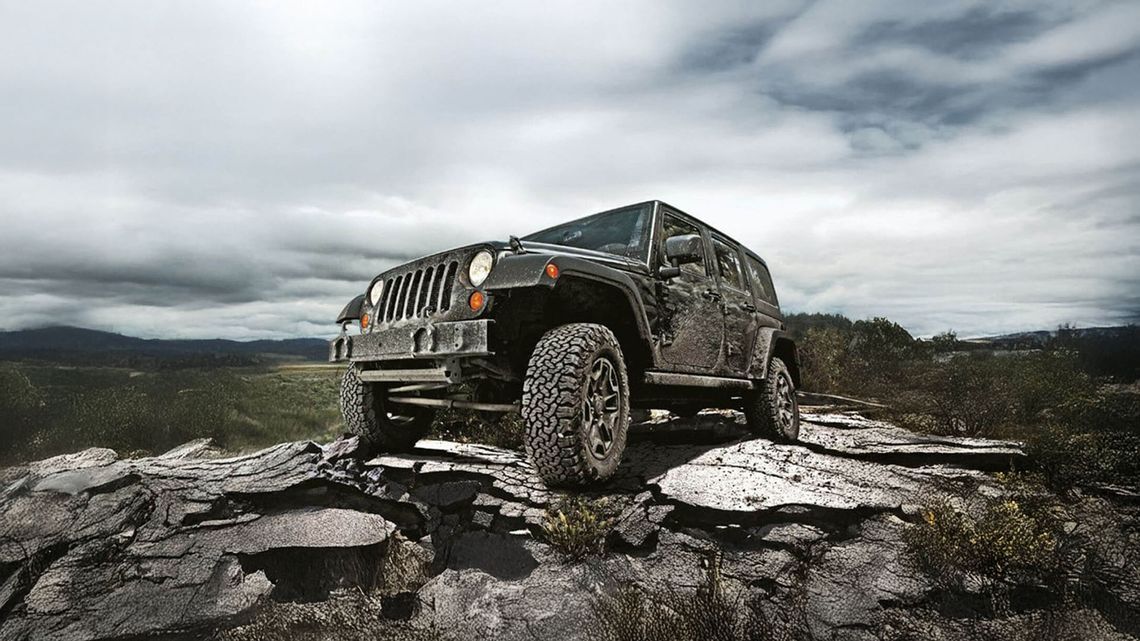
Credit: www.bfgoodrichtires.com
Tire Rotation And Balancing
Taking good care of off road tires helps them last longer. Two key ways to keep tires in shape are rotation and balancing. These practices keep your ride smooth and safe.
Regular rotation and balancing prevent uneven wear. They improve your vehicle’s handling on rough terrain. Learn about patterns, how often to rotate, and why balancing is important.
Rotation Patterns
Different rotation patterns suit different vehicles and tire types. Using the right pattern spreads wear evenly. This helps maintain good traction and tire life.
- Forward Cross: Front tires move straight back, rear tires cross forward.
- X-Pattern: Tires swap diagonally, front left to rear right, and so on.
- Rearward Cross: Rear tires move straight forward, front tires cross backward.
- Side-to-Side: Tires swap sides on the same axle (only for non-directional tires).
Frequency Of Rotation
How often you rotate tires depends on your driving and tire type. Off road tires face tough conditions and need regular checks. Follow these general guidelines:
| Driving Condition | Rotation Interval |
| Normal Off Road Use | Every 5,000 to 7,000 miles |
| Heavy Off Road Use | Every 3,000 to 5,000 miles |
| Mixed On and Off Road | Every 6,000 miles |
Balancing Benefits
Balancing tires keeps weight evenly spread around the wheel. This stops vibrations and uneven tire wear. Balanced tires improve comfort and vehicle control.
Benefits of balancing include:
- Smoother driving experience
- Longer tire life
- Less strain on suspension and steering parts
- Better fuel efficiency
Avoiding Common Tire Damage
Off road tires face tough conditions that can cause damage. Taking care of them helps keep you safe and saves money.
Simple steps can stop common problems like punctures, cuts, and fast wear. Learn how to protect your tires well.
Preventing Punctures
Punctures happen when sharp objects pierce the tire. Avoid rough areas with debris and sharp rocks.
Check tire pressure often. Proper pressure helps tires resist punctures and improves performance.
- Drive slowly over rocky or thorny terrain
- Avoid abandoned metal or glass pieces
- Keep tires inflated to the recommended pressure
- Inspect tires after every off-road trip
Handling Sidewall Cuts
Sidewall cuts can weaken tires and cause failure. Watch where you drive to avoid sharp edges and branches.
Check sidewalls regularly for cracks or cuts. Small damage can get worse if not fixed early.
- Avoid driving too close to rocks and logs
- Do not overload your vehicle beyond tire limits
- Repair minor cuts quickly or replace damaged tires
Minimizing Wear And Tear
Tires wear out faster on rough roads. Rotate tires regularly to spread out wear evenly.
Keep tires clean from mud and dirt. Clean tires last longer and perform better off road.
- Rotate tires every 5,000 miles or sooner
- Keep tires balanced and aligned
- Wash tires after off-road trips
- Store tires away from sunlight and heat
Storage Tips For Off Road Tires
Proper care of off road tires extends their life and performance. Storing them right is crucial to avoid damage.
Follow these tips to ensure your tires stay in top condition during storage.
Ideal Storage Conditions
Store tires in a cool, dry place away from direct sunlight. Heat and moisture can harm tire materials.
- Choose a location with consistent temperature
- Avoid areas near heat sources like furnaces
- Keep away from chemicals and solvents
Preparing Tires For Storage
Clean tires thoroughly to remove dirt and grime. Dry them completely to prevent mold and mildew.
| Step | Action |
| 1 | Wash with mild soap and water |
| 2 | Dry with a clean cloth |
| 3 | Check for any damage or wear |
Avoiding Deformation
Store tires upright to maintain their shape. Avoid stacking them horizontally for long periods.
When To Replace Off Road Tires
Off road tires need special care and attention. They face tough conditions on trails and rough paths. Knowing when to replace them is important for safety.
It’s not just about how they look. You need to know the signs of wear and check their condition regularly.
Signs Of Tire Wear
Worn-out tires can be dangerous. Check for signs of wear before heading out. Look closely at the tire surface for any issues.
- Cracks or cuts in the sidewall
- Bulges or blisters on the tire
- Uneven tread wear patterns
Tread Depth Guidelines
Tread depth is crucial for tire grip. Off road tires need more tread than regular tires. Check the depth often to ensure safety on rough terrains.
- Use a tread depth gauge
- Replace tires when tread is below 6/32 inches
- Deeper treads help in muddy or rocky areas
Impact Of Weathering
Weather conditions affect tire life. Sun, rain, and snow can cause damage over time. It’s important to protect tires from harsh weather to extend their lifespan.
Store tires in a cool, dry place when not in use. Check them for any signs of weather-related damage regularly.

Credit: www.reddit.com
Frequently Asked Questions
How Often Should I Check Off-road Tire Pressure?
Check your off-road tire pressure before every trip. Proper inflation improves traction and prevents tire damage. Use a reliable gauge for accuracy.
What Is The Best Way To Clean Off-road Tires?
Clean off-road tires with water and a mild brush. Avoid harsh chemicals that can degrade rubber. Regular cleaning removes debris and extends tire life.
How Can I Prevent Off-road Tire Punctures?
Avoid sharp rocks and debris when driving off-road. Use tire sealants for added protection. Inspect tires regularly for cuts or embedded objects.
When Should I Rotate Off-road Tires?
Rotate off-road tires every 5,000 to 7,000 miles. Rotation ensures even wear and extends tire lifespan. Follow your vehicle manufacturer’s guidelines for rotation patterns.
Conclusion
Taking care of off-road tires keeps them strong and safe. Check tire pressure often to avoid damage. Clean tires after every rough ride to remove dirt. Rotate tires regularly for even wear and longer life. Watch for cuts or cracks and fix them quickly.
Proper care saves money and makes your rides smoother. Keep these tips in mind for the best tire performance. Safe driving starts with well-maintained tires. Off-road adventures become better with strong, healthy tires.







