
When it comes to your child’s safety in the car, every second and every action counts. You want to protect your little ones the best way possible, but sometimes it’s hard to know where to start.
What if there were simple, proven tips you could use right now to keep your kids safer on every trip? You’ll discover the best car safety tips for kids that every parent or caregiver should know. These easy steps can make a huge difference in protecting your most precious passengers.
Keep reading to learn how you can take control and give your child the safest ride possible.
Choosing The Right Car Seat
Keeping kids safe in cars starts with picking the right car seat. Car seats protect children in crashes.
Different car seats fit different ages and sizes. Choosing the right one helps keep your child secure.
Types Of Car Seats
There are three main types of car seats. Each type fits children at different stages of growth.
- Rear-facing seats for infants and toddlers
- Forward-facing seats with a harness for older toddlers and preschoolers
- Booster seats for school-age children who outgrow forward-facing seats
Using the right type ensures the best protection for your child in a crash.
Age And Weight Guidelines
Car seats have age and weight limits. Follow these rules to keep kids safe.
| Car Seat Type | Age Range | Weight Range |
|---|---|---|
| Rear-facing | Birth to 2 years or more | Up to 40 pounds |
| Forward-facing | 2 to 5 years | 20 to 65 pounds |
| Booster seat | 5 to 12 years | 40 to 100 pounds |
Check your car seat manual for exact limits. Always use seats that fit your child’s size.
Proper Installation Tips
Correct installation is key for car seat safety. A poorly installed seat can fail in a crash.
- Read the car seat manual carefully before installing
- Use the vehicle’s seat belt or LATCH system to secure the seat
- Make sure the seat does not move more than one inch side to side
- Keep harness straps snug and at the correct height for your child
- Get help from a certified technician if unsure about installation
Check your car seat regularly to ensure it stays secure and fits your growing child.

Credit: medium.com
Securing Kids Correctly
Keeping kids safe in the car depends on how well they are secured. Proper use of car seats and seat belts is very important. Parents must learn the right ways to protect their children during travel.
This guide covers key points about harness positioning, buckle safety, and avoiding common mistakes. Following these tips helps reduce injury risks for young passengers.
Harness Positioning
The harness should fit snugly to hold the child safely. The straps must lie flat and not twist. Position the harness at or just below the child’s shoulders for rear-facing seats. For forward-facing seats, place the harness at or above the shoulders.
- Make sure the chest clip is at armpit level
- Pull the harness tight enough so you cannot pinch extra webbing
- Check the harness fit before every trip
- Adjust straps as your child grows
Buckle Safety
The buckle is a key part of the car seat that keeps your child secure. Always check if it clicks properly when fastened. A loose or damaged buckle can fail during a crash.
| Check Point | What to Look For |
| Click sound | Buckle should snap firmly into place |
| Locking | Buckle must not release without pressing the button |
| Condition | No cracks or damage on buckle or straps |
| Cleanliness | Keep buckle free of dirt and debris |
Avoiding Common Mistakes
Parents often make errors that reduce car seat safety. Avoid these common mistakes to keep your child better protected.
- Using a car seat that is too big or too small for your child
- Placing the chest clip too low or too high
- Failing to remove bulky coats before buckling the harness
- Allowing harness straps to twist or loosen during travel
- Installing the car seat at the wrong angle or loosely
Safe Riding Habits
Keeping kids safe in cars starts with good habits. These habits protect them during every ride.
Parents and caregivers must teach and enforce these rules to ensure safety.
Staying Seated During The Ride
Children should stay seated and buckled at all times. Moving around can cause injury in sudden stops.
- Always use the right car seat or booster for your child’s age and size.
- Make sure seat belts are snug and fastened correctly.
- Do not allow kids to stand or change seats while the car moves.
- Remind children that staying seated helps keep them safe.
Avoiding Distractions
Distractions can cause accidents. Kids should not distract the driver or themselves.
| Distraction Type | How to Avoid |
| Talking loudly | Encourage quiet voices during the trip |
| Playing with devices | Use headphones or turn off screens |
| Reaching for items | Keep toys and snacks within easy reach before driving |
| Unbuckling seat belts | Check belts regularly and explain importance |
Educating Kids On Car Safety
Teaching children about car safety builds good habits early. Simple rules help them understand risks.
- Explain why seat belts are important.
- Show how to sit properly in a car seat.
- Discuss dangers of opening doors or windows while moving.
- Practice safe behavior before starting the car trip.
Credit: spectrumnews1.com
Car Safety Checks
Keeping kids safe in the car is crucial. Regular car safety checks help protect them. Make sure your vehicle is in top shape for every trip.
Check the car seats and ensure they are installed correctly. Maintain your vehicle to avoid breakdowns. Be ready for emergencies with a safety kit.
Regular Seat Inspections
Car seats keep kids safe during travel. Inspect them often for wear and tear. Make sure they are installed correctly for maximum safety.
Check the harness and buckle regularly. Ensure they fit snugly and are free of damage. Replace any worn parts to maintain safety standards.
- Inspect straps for fraying
- Ensure buckles click securely
- Check for any recalls
Vehicle Maintenance For Safety
Regular maintenance keeps your car running smoothly. It also ensures your kids travel safely. Check the engine, brakes, and tires frequently.
Pay attention to warning lights on the dashboard. Address any issues promptly to avoid accidents. Keep the vehicle’s maintenance schedule up to date.
- Check tire pressure monthly
- Replace brake pads as needed
- Keep fluids topped up
Emergency Preparedness
Being prepared for emergencies can save lives. Keep a well-stocked safety kit in your car. It should include essential items for unexpected situations.
Include a first aid kit and a flashlight. Carry water and snacks in case of delays. Ensure your phone is charged for emergency calls.
| First aid kit | Flashlight |
| Water bottles | Non-perishable snacks |
| Charged phone | Blanket |
Traveling Tips For Long Trips
Long trips with kids need extra care to keep them safe and happy. Proper planning can make the journey smooth for everyone.
Use these tips to help your kids stay comfortable and safe during long car rides.
Planning Frequent Breaks
Stopping often helps kids stretch and relax. It also reduces restlessness and crankiness.
- Plan breaks every two hours or 100 miles.
- Choose stops with playgrounds or open spaces.
- Use breaks for bathroom visits and snacks.
- Check your child’s seat and buckles at each stop.
Keeping Kids Comfortable
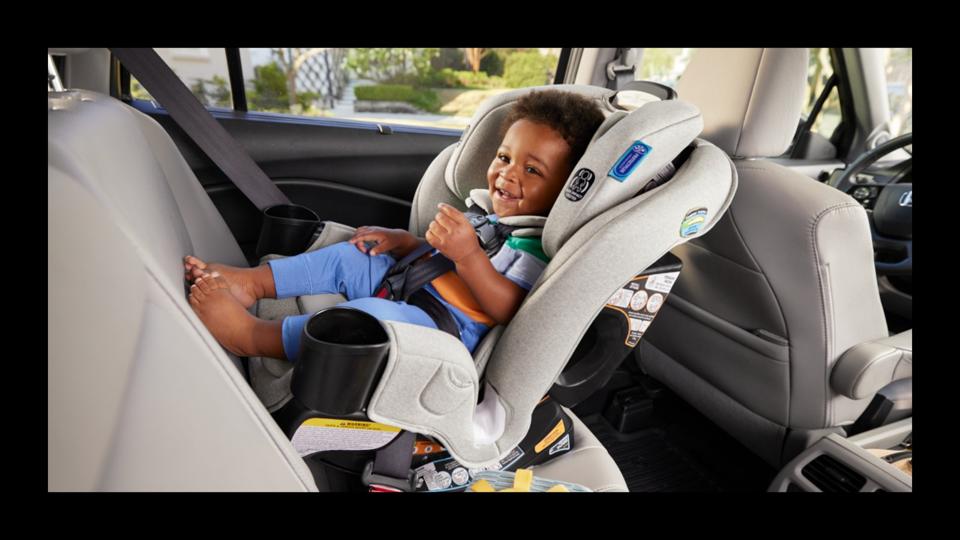
Comfort helps kids enjoy the ride and stay calm. Dress them in soft clothes and bring their favorite blankets or toys.
| Item | Purpose |
| Soft pillows | Support neck and head |
| Blankets | Keep warm if air conditioning is on |
| Favorite toys | Provide distraction and comfort |
| Sunglasses | Protect eyes from sun glare |
Managing Motion Sickness
Motion sickness makes kids feel sick and tired. Use these ideas to prevent or ease symptoms.
Tips for motion sickness:
- Keep the car cool and well-ventilated.
- Avoid heavy meals before travel.
- Encourage kids to look outside at the horizon.
- Use ginger snacks or candies if approved by a doctor.
- Have water and light snacks ready.
Credit: www.forbes.com
Legal Requirements And Updates
Keeping kids safe in cars means following laws and using the right safety gear. Laws change often to improve child safety. Parents should know the latest rules and tips.
This guide covers state laws on child restraints, recent safety standards, and useful resources for parents.
State Laws On Child Restraints
Each state has specific rules about child car seats. These laws tell parents what type of seat to use, based on a child’s age, weight, and height.
- Infants must use rear-facing car seats until at least 2 years old.
- Children under 8 years usually need a booster seat.
- Seat belts must fit properly before kids can ride without a booster.
- Some states require children to ride in the back seat until a certain age.
- Penalties for breaking these laws include fines and points on a driver’s license.
Recent Safety Standards
Car safety standards are updated to include new technology and better protection. These standards help car seat makers design safer products.
| Standard | Description | Effective Since |
| FMVSS 213 | Requirements for child restraint systems | 2019 |
| i-Size | Height-based car seat rules with side impact tests | 2013 |
| Rear-facing extended use | Supports rear-facing seats for children up to 4 years | 2020 |
Resources For Parents
Parents can find help to choose and install the right car seat. Many organizations offer free checks and advice.
- National Highway Traffic Safety Administration (NHTSA): car seat guides and videos.
- Safe Kids Worldwide: local events for car seat inspections.
- Certified child passenger safety technicians: help with installation.
- State health departments: updated laws and safety tips.
Frequently Asked Questions
What Is The Safest Car Seat For Kids?
The safest car seat depends on your child’s age, weight, and height. Rear-facing seats are best for infants. Transition to forward-facing seats with a harness as kids grow. Always choose seats that meet current safety standards and fit well in your vehicle.
How Can I Properly Install A Child Car Seat?
Read the car seat manual and vehicle guide carefully. Use either the seat belt or LATCH system to secure the seat tightly. Ensure the seat does not move more than an inch side to side. Double-check harness straps are snug and positioned correctly on your child.
When Should Kids Switch To Booster Seats?
Kids should switch to booster seats when they outgrow forward-facing car seats, usually around 4 years old. Booster seats raise children so seat belts fit properly across their chest and lap. This prevents injuries by keeping the belt in the right position during a crash.
Are Seat Belts Safe For All Children?
Seat belts alone are safe only for children who meet height and weight requirements, typically 4 feet 9 inches tall and 8 years old or older. Younger or smaller kids need car seats or boosters for proper restraint and crash protection.
Conclusion
Keeping kids safe in the car is a top priority for every parent. Use the right car seat for their age and size. Always buckle them up properly before driving. Teach children to stay seated and calm during trips. Avoid distractions and focus on the road.
Regularly check your car’s safety features to ensure they work. These simple steps help protect your little ones. Safety on the road starts with you. Small actions make a big difference in keeping kids safe. Drive carefully and stay alert every time.







