
Have you ever wondered if the air in your tires is really the best choice? What if there was a simple switch that could improve your driving experience, save you money, and keep you safer on the road?
Using nitrogen instead of regular air in your tires might be the hidden secret you’ve been missing. You’ll discover the surprising benefits of nitrogen tires and why making this small change could make a big difference for you and your vehicle.
Keep reading to find out how nitrogen can boost your tire performance and protect your investment.
Nitrogen And Air Basics
Tires need gas inside to keep them firm. The two common gases used are nitrogen and air. Both help the tire hold pressure.
Understanding what makes nitrogen and air different can help you choose the right option for your tires.
Composition Differences
Air is a mix of gases. It contains about 78% nitrogen, 21% oxygen, and small amounts of other gases. Nitrogen used in tires is nearly pure, with about 93% to 99% nitrogen.
| Gas Type | Nitrogen Percentage | Oxygen Percentage | Other Gases |
| Air | 78% | 21% | 1% |
| Nitrogen | 93-99% | Less than 1% | Traces |
Common Uses In Tires
Both nitrogen and air are used to fill tires in different settings. Each has benefits depending on the situation.
- Air is easy to find and free at many gas stations.
- Nitrogen is common in aircraft and race cars for better stability.
- Nitrogen reduces moisture inside the tire.
- Air is good for everyday driving and normal use.
- Nitrogen can help maintain tire pressure longer.
Credit: www.blackcircles.ca
Pressure Stability
Tire pressure is important for safe driving and fuel efficiency. Using nitrogen or air affects how stable the pressure stays.
Pressure stability means the tire keeps the same pressure longer. This helps with handling and tire life.
Impact Of Temperature Changes
Temperature changes make tire pressure rise or fall. Air contains moisture and other gases that react to heat.
Nitrogen is dry and less affected by temperature. This keeps tire pressure more steady in hot or cold weather.
- Air pressure changes more with heat and cold
- Nitrogen pressure stays steadier with temperature changes
- Stable pressure improves tire safety and comfort
Leakage Rates Comparison
Tires lose pressure over time. Air leaks faster because oxygen molecules are smaller and escape more easily.
Nitrogen molecules are larger and leak slower. This means tires filled with nitrogen keep pressure longer.
| Gas Type | Leakage Rate | Pressure Stability |
|---|---|---|
| Air | Higher | Lower |
| Nitrogen | Lower | Higher |
Tire Longevity
Tire longevity depends on many factors like air quality inside tires. Using nitrogen instead of regular air can affect how long tires last. This article explains how nitrogen benefits tire wear and corrosion prevention.
Understanding these effects helps you choose the right gas for your tires. Proper gas can reduce damage and extend tire life.
Effect On Tire Wear
Nitrogen keeps tire pressure more stable than air. Stable pressure means tires wear evenly and last longer. Air contains moisture and oxygen that can cause pressure changes and damage.
- Nitrogen reduces pressure loss by up to 50% compared to air.
- Stable pressure lowers uneven tire wear.
- Less tire wear means better fuel efficiency and safety.
- Dry nitrogen prevents the inside of tires from breaking down.
Corrosion Prevention
Air contains moisture that leads to corrosion inside tires and rims. Nitrogen is dry and stops moisture buildup. This helps protect metal parts and tire beads.
| Gas Type | Moisture Content | Corrosion Risk |
|---|---|---|
| Regular Air | High | High |
| Nitrogen | Very Low | Low |
Credit: shop.apollotyres.com
Fuel Efficiency
Using nitrogen instead of air in tires can affect fuel efficiency. The difference lies in how each gas impacts tire performance.
Better fuel efficiency means saving money and reducing fuel consumption. Understanding this helps make informed tire choices.
Rolling Resistance Factors
Rolling resistance is the force that tires use to roll on the road. Lower rolling resistance helps vehicles use less fuel.
- Nitrogen keeps tire pressure more stable than air.
- Stable pressure reduces energy loss when tires deform.
- Less deformation means lower rolling resistance.
- Lower rolling resistance improves fuel efficiency.
- Air-filled tires lose pressure faster, increasing rolling resistance.
Cost Savings Over Time
| Factor | Using Nitrogen | Using Air |
|---|---|---|
| Fuel Consumption | Reduced due to stable tire pressure | Higher due to pressure loss |
| Tire Pressure Maintenance | Less frequent checks needed | Frequent checks required |
| Tire Wear | More even wear, longer tire life | Uneven wear, shorter tire life |
| Overall Savings | More savings on fuel and tires | Higher costs over time |
Safety And Performance
Using nitrogen instead of air in tires can affect safety and how well your vehicle handles. Nitrogen is more stable than air, which changes tire performance.
We will look at two important areas: handling and control, and reduced blowout risks.
Handling And Control
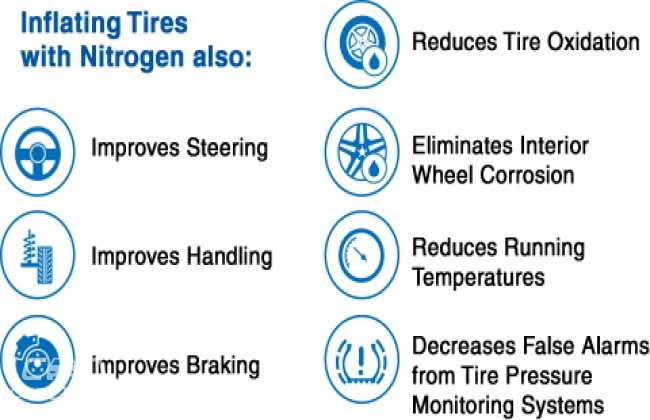
Nitrogen helps keep tire pressure steady for longer. Stable pressure means better contact with the road. This improves how the car responds to steering.
- Nitrogen leaks slower than oxygen, keeping tires at the right pressure.
- Consistent pressure improves grip on wet or dry roads.
- Better grip means safer cornering and braking.
- Less pressure change reduces the need for frequent tire checks.
Reduced Blowout Risks
Tires filled with nitrogen are less likely to overheat. Overheating can cause tire damage and blowouts. Nitrogen lowers this risk.
| Factor | Air | Nitrogen |
| Pressure Stability | Less stable | More stable |
| Moisture Content | Higher moisture | Low moisture |
| Heat Resistance | Lower | Higher |
| Blowout Risk | Higher | Lower |
Credit: www.pakwheels.com
Environmental Impact
Using nitrogen instead of air in tires can reduce environmental impact. It offers benefits that support a healthier planet.
Nitrogen helps maintain tire pressure longer. This can lead to reduced emissions and better fuel efficiency.
Emission Reduction Potential
Tires filled with nitrogen can hold pressure better than those with air. Proper tire pressure helps cars use fuel more efficiently.
Better fuel efficiency means less gasoline burned. This results in fewer harmful emissions released into the air.
- Reduced carbon footprint
- Lower greenhouse gas emissions
- Improved air quality
Sustainability Considerations
Nitrogen-filled tires can contribute to sustainability. They help extend tire life by reducing oxidation.
Less oxidation means tires are less likely to age and crack. This can lead to fewer tires ending up in landfills.
- Extended tire lifespan
- Less waste in landfills
- Conservation of resources
Cost And Accessibility
Choosing between nitrogen and air for your tires can impact your wallet and convenience. Both options have their pros and cons.
Understanding the cost and how easy it is to access each option helps make the right choice for your needs.
Initial Investment
Using nitrogen in tires often involves a higher initial cost. This is due to the specialized equipment required for nitrogen filling. Regular air is usually free at most service stations.
| Option | Initial Cost |
| Nitrogen | High |
| Air | Low |
Availability And Convenience
Air is readily available at nearly every gas station and is easy to access. Nitrogen, on the other hand, is not as widely available and may require a trip to a specialized service center.
- Air: Available at most gas stations
- Nitrogen: Requires special service centers
- Nitrogen: Might offer better tire pressure stability
When To Choose Nitrogen
Choosing nitrogen instead of regular air for your tires can offer some key benefits. Nitrogen keeps tire pressure more stable over time.
This makes nitrogen a good choice in certain driving and weather conditions. It can improve safety and tire life.
Ideal Conditions
Nitrogen works best in places with big temperature changes. It reduces pressure changes that happen with heat and cold.
It is also helpful for tires used in high-speed driving or long trips. Nitrogen helps keep the tires from overheating.
- Hot climates with big temperature swings
- Long highway drives or road trips
- High-speed driving situations
- Heavy loads that stress tires
Vehicle Types That Benefit Most
Some vehicles gain more from nitrogen in their tires. These include cars and trucks that carry heavy loads or drive fast.
Vehicles used in work or off-road conditions also see benefits. Nitrogen helps keep pressure steady and tires safer.
- Trucks and SUVs used for towing or hauling
- Sports cars driven at high speeds
- Commercial vehicles on long routes
- Off-road vehicles in tough conditions
Frequently Asked Questions
What Are The Main Benefits Of Nitrogen In Tires?
Nitrogen reduces tire pressure loss and maintains stability longer. It improves fuel efficiency and extends tire life. Nitrogen also reduces moisture inside tires, preventing corrosion and rust.
How Does Nitrogen Improve Tire Pressure Retention?
Nitrogen molecules are larger and less likely to escape through rubber. This keeps tire pressure stable for longer periods. Stable pressure enhances safety, tire performance, and fuel economy.
Is Nitrogen Better Than Air For Tire Temperature Control?
Yes, nitrogen helps maintain more consistent tire temperatures. It reduces heat buildup during driving, which lowers the risk of blowouts. This improves overall tire safety and durability.
Can Using Nitrogen Reduce Tire Wear And Tear?
Using nitrogen decreases internal moisture and oxidation. This slows tire aging and prevents premature cracking. As a result, tires last longer and perform better over time.
Conclusion
Choosing nitrogen over air in tires can improve tire life and performance. Nitrogen keeps pressure stable for longer periods. It reduces moisture inside the tire, preventing rust and corrosion. Tires filled with nitrogen often stay cooler during driving. This can lead to better fuel efficiency and safer rides.
Though air is easy to find, nitrogen offers clear benefits. Consider your needs and driving habits before deciding. Small changes make a difference in tire care and vehicle safety.







